
Organizing a closet efficiently requires a system that balances visibility, protection, and space utilization. Hard plastic shoe storage has become a preferred solution for keeping footwear pristine, organized, and easily accessible. Unlike soft fabric organizers or cardboard boxes, rigid plastic structures protect shoes from being crushed, shield them from dust, and allow you to stack units vertically to make the most of limited closet footprints.
Selecting the right hard plastic storage involves analyzing your closet’s physical layout, your shoe collection’s specific dimensions, and the environmental conditions of your home. In tropical climates, where high humidity can quickly damage delicate leather and adhesive bonds, the choice of storage material and ventilation becomes even more critical. By matching your storage type to your specific closet architecture, you can create a clean, functional system that preserves your footwear investment for years to come.
Key Factors for Choosing Hard Plastic Shoe Storage
Before purchasing any organizers, measure the depth of your closet shelves. Standard shelves typically range from 30 to 40 centimeters in depth. If your shelves are shallow, standard-sized shoe boxes might overhang, preventing closet doors from closing properly. Conversely, deep shelves can lead to wasted space at the back unless you use deep, stackable containers that utilize the full depth. Height clearance between shelves is equally important; you must ensure there is enough vertical space to stack boxes or slide drawers out without hitting the shelf above.
Products mentioned in this guide
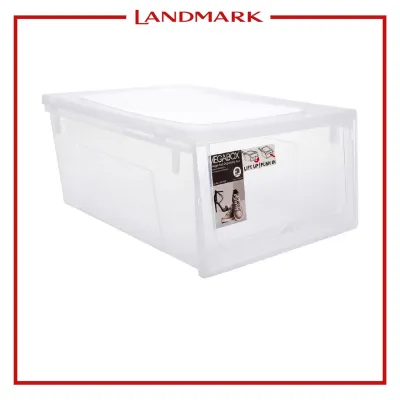
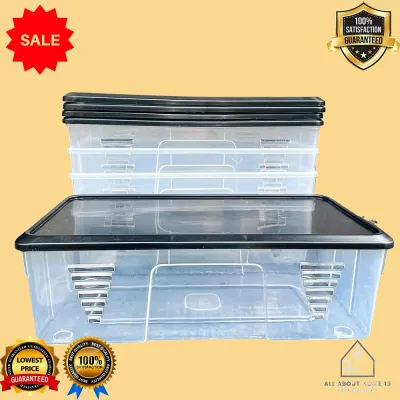
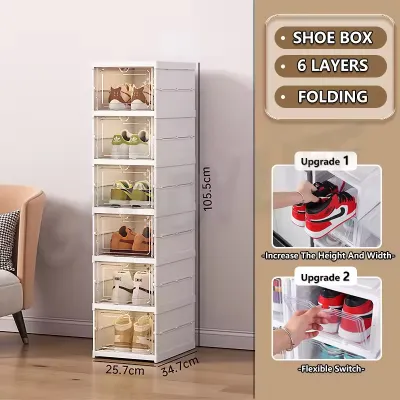
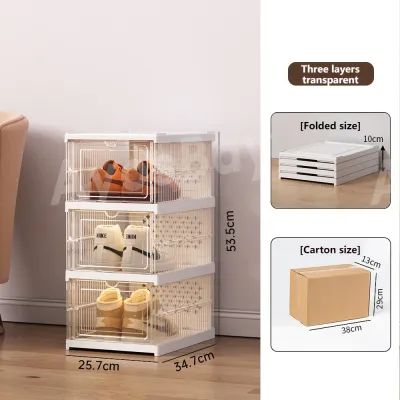
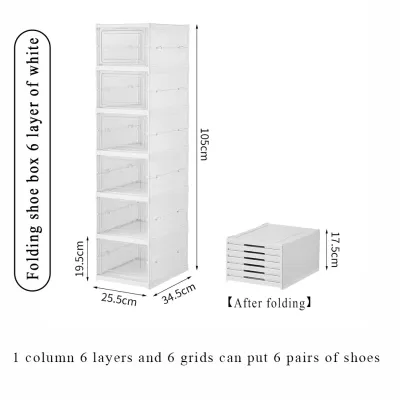
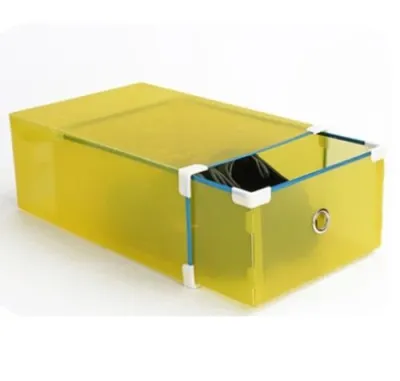
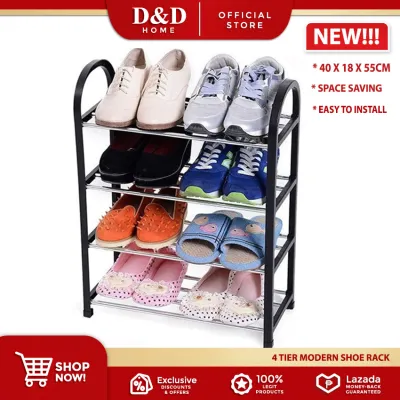
Prices are valid at publication and may change. Please refer to the product page for the latest price.
A diverse shoe collection cannot be organized using a single container size. High heels, platform shoes, and ankle boots require significantly more vertical clearance than flat sandals, loafers, or low-top sneakers. Group your footwear by height and width before shopping. Standard plastic shoe boxes often measure around 10 to 15 centimeters in height, which is ideal for flats and low-profile sneakers. For high-top sneakers, heels, or boots, look for specialized tall or extra-large configurations that prevent the shoe upper from bending or pressing against the container walls.
The balance between keeping dust off your shoes and allowing them to breathe is a critical consideration. In highly humid environments, completely sealed plastic containers can trap ambient moisture, creating a breeding ground for mold, mildew, and unpleasant odors. This is particularly problematic for leather shoes, which require air circulation to prevent dry rot and mold growth. If your closet is located in a humid area or lacks air conditioning, prioritize hard plastic containers with integrated ventilation holes or rear mesh panels. For dry, dusty closets, more enclosed designs with tight-fitting doors may be preferable to keep fine dust particles from settling on your footwear.
Top Hard Plastic Shoe Storage Types for Closets
When integrating hard plastic storage into a closet, you will generally choose from three primary structural designs: stackable drop-front boxes, pull-out drawer inserts, and modular shelving cubbies. Each design offers distinct advantages depending on whether you prioritize quick access, maximum vertical density, or a seamless, built-in aesthetic.

The trade-offs between these systems center on visibility, accessibility, and space efficiency. Drop-front boxes offer excellent visibility and allow you to retrieve shoes without unstacking, but they require clear space in front of the box to open the door. Pull-out drawers provide a clean, hidden look but are limited by the dimensions of your existing cabinetry. Modular cubbies offer the fastest access but leave shoes partially exposed to the elements. Understanding these trade-offs helps you select the right combination for your daily routine.
Stackable Drop-Front Shoe Boxes
Stackable drop-front boxes are highly versatile for maximizing vertical space on deep closet shelves or directly on the closet floor. Because the door opens from the front—either dropping down or swinging upward—you can access any pair of shoes in the stack without having to move the boxes resting on top. This makes them an excellent choice for high-density storage, allowing you to build a custom shoe wall that utilizes the entire height of your closet.
When evaluating drop-front boxes, look closely at the interlocking mechanisms. High-quality options feature molded tabs, grooves, or pegs that lock the boxes together horizontally and vertically, preventing the stack from shifting or tipping over. Check the thickness and rigidity of the side walls; flexible or thin plastic can bow under the weight of multiple stacked boxes, causing the front doors to misalign or jam. Verify the manufacturer’s specified maximum stack height to ensure the bottom boxes can support the cumulative weight of the stack.
The primary limitation of drop-front boxes is their stability when stacked beyond recommended limits or placed on uneven surfaces. If your closet floor is carpeted, warped, or uneven, a tall stack of plastic boxes can easily lean or wobble. Additionally, because these boxes require space in front to open the door, they may not be suitable for exceptionally narrow walk-in pathways or shallow closets where sliding doors run close to the front of the shelves.
Pull-Out Drawer Organizers and Inserts
Pull-out drawer organizers and inserts are designed to slide smoothly within existing closet cabinetry or attach directly to the underside of shelves using specialized track systems. These organizers are ideal for creating a streamlined, integrated look, keeping your footwear completely hidden from view when the closet doors are closed. They are particularly well-suited for modern, minimalist closet designs where visual clutter is kept to a minimum.
To ensure a successful installation, you must verify several critical dimensions. Measure the exact interior width, depth, and height of your existing wooden drawers, accounting for any internal hardware, drawer glides, or structural supports. If you are installing under-shelf slide-out tracks, check that the shelf material is thick and sturdy enough to hold the mounting screws and the weight of the loaded drawer. The gliding mechanism should operate smoothly without catching, sticking, or putting excessive strain on the plastic frame.
The main limitation of pull-out drawer inserts is their restricted height capacity. Because they must fit within the fixed vertical boundaries of existing drawers or shelf gaps, they are rarely tall enough to accommodate high-top sneakers, ankle boots, or high heels. Forcing tall shoes into shallow drawers can crush the collars or scuff the materials. Consequently, drawer inserts are best reserved for low-profile footwear such as flats, sandals, loafers, and standard running shoes.
Modular Shelving Bins and Cubbies
Modular shelving bins and open cubbies are semi-enclosed hard plastic organizers that can be arranged side-by-side or stacked on existing closet shelves. They are highly compatible with adjustable wire shelving systems or metal closet tracks, allowing you to configure the storage layout to match your changing wardrobe needs. Because they lack front doors, they provide immediate, one-handed access to your shoes, making them highly convenient for daily-wear footwear.
When selecting modular cubbies, verify how they attach to your existing shelving. Some designs feature clips that snap onto wire shelves, while others rely on non-slip rubber feet to stay in place. Examine the structural rigidity of the plastic; open-front designs lack the structural support of a closed box, so they must have reinforced corners and thick walls to prevent sagging. Pay close attention to the edge finishing. Rough plastic seams or sharp mold lines can easily scratch delicate leather, patent leather, or suede shoes as you slide them in and out.
The obvious limitation of open cubbies is their lack of protection against dust, pet hair, and ambient humidity. Because the front of the compartment remains open, shoes stored for long periods will accumulate dust, requiring regular cleaning. Additionally, open cubbies do not contain odors as effectively as enclosed boxes, making proper shoe hygiene and ventilation even more important.
How to Measure and Plan Your Closet Layout
A successful closet organization project relies on precise measurements and careful planning. Before purchasing any hard plastic organizers, use a steel tape measure to record the internal net dimensions of your closet. Measure the height from the floor to the lowest shelf, the distance between individual shelves, and the total usable width and depth. Do not rely on the nominal dimensions of your closet system; instead, measure the actual clear space, taking into account baseboards, door hinges, sliding door tracks, and light fixtures that might obstruct the organizers.
Next, calculate the clearance required for the organizers to function properly. For drop-front boxes, measure the distance the door extends outward when fully opened. Ensure this clearance does not block closet pathways or prevent sliding closet doors from operating. For pull-out drawers, calculate the full extension length of the tracks to ensure you can comfortably stand in front of the drawer while retrieving your shoes. If your closet has hinged doors, verify that the organizers will not interfere with the door swing or hit the door frame when opened.
Finally, verify the load-bearing capacity of your existing closet shelves. While a single hard plastic shoe box is relatively light, a stack of ten or fifteen boxes filled with heavy leather shoes, boots, or sneakers can weigh a significant amount. Check the manufacturer’s specifications for your closet shelving system to determine its maximum weight capacity. If you are using floating wooden shelves or wire shelving, ensure they are securely anchored to wall studs or plasterboard anchors. If you have any doubts about the shelf’s capacity, it is safer to stack the heaviest shoe boxes directly on the closet floor and reserve the upper shelves for lighter footwear.
Maintenance and Care for Hard Plastic Organizers
To keep your hard plastic shoe organizers looking clear and functioning smoothly, establish a regular maintenance routine. For routine cleaning, wipe the plastic surfaces with a soft microfiber cloth dampened with a mild, non-abrasive solution of warm water and a few drops of dish soap. Avoid using abrasive scrubbers, paper towels, or harsh chemical cleaners containing ammonia, acetone, or alcohol, as these can scratch, cloud, or permanently damage clear plastics like acrylic or polystyrene.
Periodically inspect the structural components of your organizers. Check the hinges, latches, and interlocking joints for signs of wear, stress fractures, or warping. In warm, humid environments, plastic can become slightly more flexible or, conversely, brittle over time. If you notice any cracks or loose joints, adjust the weight distribution by moving heavier shoes to the bottom boxes or replacing damaged units to prevent a sudden collapse of the stack.
Environmental management is also crucial for preserving hard plastic. Avoid placing your organizers in areas that receive prolonged direct sunlight, such as near a closet window. Ultraviolet rays can degrade the plastic polymer, causing clear materials to yellow, cloud, or become brittle and prone to cracking. If your closet is exposed to natural light, consider using UV-blocking window films or choosing opaque or tinted plastic organizers to protect both the containers and the shoes inside.
Frequently Asked Questions (FAQ)
Can hard plastic shoe boxes support the weight of heavy boots?
Standard hard plastic shoe boxes are generally designed to support the weight of everyday sneakers, flats, and heels, but they may struggle under the weight of heavy work boots, riding boots, or thick winter footwear. When organizing heavy boots, it is essential to check the manufacturer’s specified weight limit for both individual boxes and the maximum cumulative stack weight. Look for boxes with reinforced base structures, thicker side walls, and robust interlocking joints. To ensure safety and stability, store heavy boots in the bottom-most boxes of a stack or place them directly on the closet floor, reserving the upper, lighter boxes for lightweight footwear.
How do I prevent moisture buildup inside plastic shoe storage?
Preventing moisture buildup inside enclosed plastic shoe storage is critical for avoiding mold, mildew, and unpleasant odors, especially in humid climates. Always ensure your shoes are completely dry and aired out before placing them inside any plastic container; never store shoes immediately after wearing them in the rain or during a heavy workout. To actively manage humidity, select hard plastic boxes designed with built-in ventilation holes or rear mesh panels that promote air circulation. Additionally, placing small silica gel packets or moisture-absorbing sachets inside each box can help capture trapped moisture and keep your footwear dry and fresh.

Community discussion
Share your experience or ask a question. Comments are reviewed before publication.