
Selecting the right headboard involves balancing aesthetics, spatial limits, and mechanical compatibility. The ideal headboard style is determined by how your bed frame is built, how it is anchored, and how you use your bedroom space. While a single bed in a compact room requires a slim, space-saving profile, a double bed can support a larger, upholstered focal point. Meanwhile, loft beds demand lightweight, safety-conscious additions, and storage beds require configurations that do not block drawer access or hydraulic lift mechanisms.
By evaluating physical attachment points, wall construction, and room layout, you can choose a style that enhances both the comfort and functionality of your sleeping area.
How to Match Headboards to Your Bed Frame
Before choosing a headboard based on style alone, you must determine how it will physically connect to your bed or wall. Headboards generally fall into four installation categories: bolt-on, hook-on, wall-mounted, and freestanding. Bolt-on headboards rely on vertical slots or pre-drilled holes in the bed frame, securing the two pieces together with heavy-duty bolts and nuts. Hook-on styles utilize metal hooks that slot directly into brackets on the bed rails, a design common in traditional wooden frames. Wall-mounted options bypass the bed frame entirely, anchoring directly into the wall studs or masonry to support their own weight. Freestanding headboards stand on legs and are held in place by the pressure of the bed frame pushed firmly against the wall.
Products mentioned in this guide
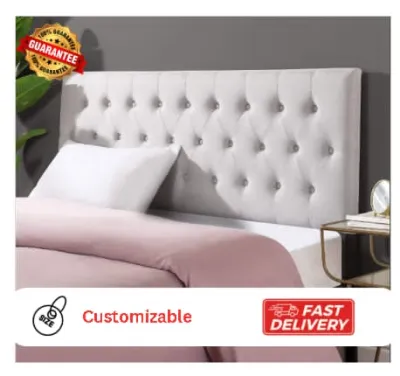

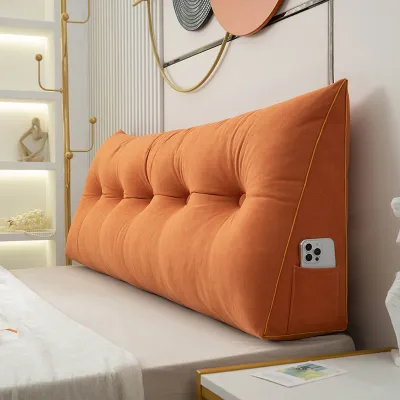
![[COD] AqToCna Ship within 24 hours DIY 3D Wall Mounted Headboard Soundproof Wall Panels Upholstered Anti Collision Bedside Tatami Soft](https://img.lazcdn.com/g/p/c5b0bbe9927e8ff48a62e6493fd30851.jpg_400x400q80.jpg_.webp)
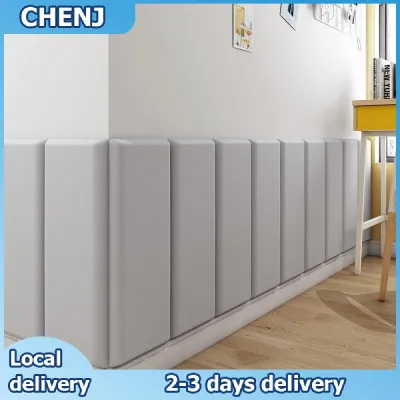
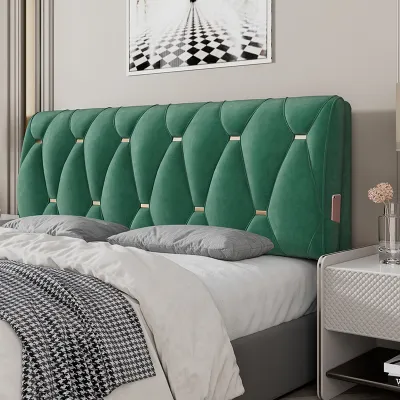
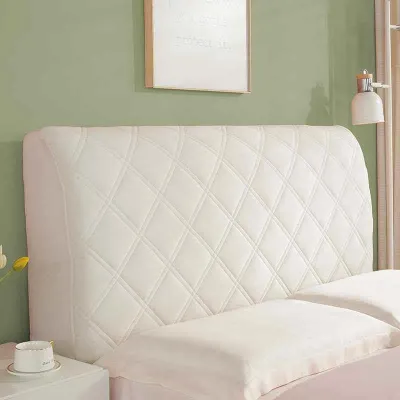
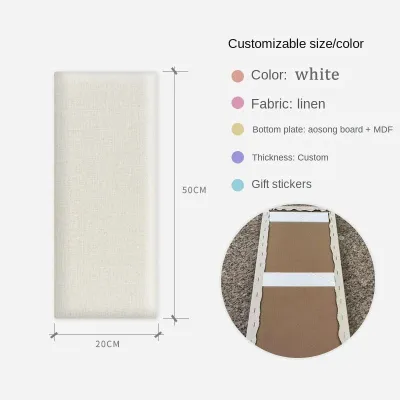
Prices are valid at publication and may change. Please refer to the product page for the latest price.
Physical compatibility depends on precise measurements. If you plan to use an attached headboard, measure the distance between the pre-drilled holes on your bed frame to ensure they align with the mounting slots on the headboard. While many standard frames use industry-standard configurations, proprietary designs or imported frames may feature unique spacing that requires custom adapter plates. Additionally, consider the thickness of your bed frame’s rails and the design of the footboard, as these elements dictate whether the frame can support the leverage of a tall, heavy headboard without bowing or squeaking.
Spatial constraints require careful planning before delivery. Measure your ceiling height, the total width of the wall, and the thickness of your baseboards. Thick baseboards can prevent a freestanding or wall-mounted headboard from sitting flush against the wall, creating an unstable gap that puts stress on the mounting hardware. In these situations, you may need to install spacer blocks or select a headboard with recessed legs that clear the baseboard height.
Finally, verify the structural capacity of your bed frame. A solid wood or heavily padded upholstered headboard exerts significant leverage on the head of the frame. Lightweight tubular steel or thin engineered wood frames can bend or crack under this weight, especially when you lean back against the headboard. If your bed frame is lightweight or features a moving mechanism—such as an adjustable base or a folding frame—a wall-mounted or freestanding headboard is generally the safest option to prevent structural damage.
Recommended Headboard Styles for Single Beds
Single beds are highly versatile, often serving in compact bedrooms, shared children’s rooms, or multi-purpose guest spaces. In these environments, every square inch of floor space matters, meaning the headboard must provide visual interest and comfort without overwhelming the limited footprint of the room.

Floating and Wall-Mounted Designs
Wall-mounted headboards are an exceptional solution for single beds because they require zero floor clearance. By anchoring the headboard directly to the wall, you eliminate the bulky legs and brackets that typically protrude from the back of a bed frame. This keeps the bed frame flush against the wall, saving valuable inches of walkway space in narrow rooms.
Keeping the floor beneath the bed fully visible and clear of headboard legs creates the illusion of a larger room. It also simplifies daily maintenance. In tropical climates where dust and allergens accumulate quickly, eliminating floor-level obstacles makes sweeping, vacuuming, or mopping under the bed significantly easier.
For a secure installation, you must identify the structural composition of your wall. In the Philippines, residential walls are frequently constructed from concrete hollow blocks (CHB) or solid concrete, which require a hammer drill, masonry drill bits, and plastic wall plugs (tox screws) to support a wall-mounted unit. If you are mounting to a drywall partition, you must locate the vertical metal or wooden studs using a stud finder, or utilize heavy-duty toggle bolts if mounting between studs. Never rely on simple adhesive strips or standard nails to hold a heavy wooden or upholstered panel on the wall.
Slim Wooden and Metal Panels
If you prefer an attached headboard, minimalist wooden or metal panels offer a classic look without adding bulk. A slim spindle headboard made of powder-coated steel or a clean-lined wooden board keeps the head of the bed visually light. These styles provide a structured boundary for your pillows without extending past the narrow width of a single mattress.
When choosing slim wood or metal panels, safety and finish quality are paramount. Because single beds are often placed in tight walkways, you are more likely to brush past the corners of the bed. Verify that all wooden edges are smoothly sanded and rounded, and check that metal welds are free of sharp burrs. Ensure the headboard’s joints are rigid; a wobbly metal headboard will rattle against the wall every time you move, disrupting your sleep.
These slim profiles are also ideal if your single bed doubles as a daybed or casual seating area. Positioning the bed lengthwise against a wall with a low-profile headboard at one end allows you to pile decorative cushions along the side, transforming the bed into a comfortable sofa during the day without taking up the space of a traditional couch.
Recommended Headboard Styles for Double Beds
Double beds—including standard double, queen, and king configurations—serve as the natural centerpiece of a bedroom. The headboard for a double bed must be structurally robust enough to support two people sitting up to read, work, or watch television, while visually anchoring the room’s design scheme.
Upholstered and Tufted Headboards
Upholstered headboards offer unmatched comfort for those who spend time sitting up in bed. Thick foam padding wrapped in fabric provides a soft, supportive backrest that protects you from the cold surface of the wall behind the bed.
However, fabric selection requires careful consideration of your local environment and maintenance habits. In warm, high-humidity regions, deep tufting and heavy fabrics can trap moisture, sweat, dust, and pet dander, creating an environment prone to mold, mildew, or dust mites. Before purchasing, check the fabric care labels. Opt for performance fabrics treated with moisture-resistant or stain-resistant coatings, or choose headboards with removable, washable slipcovers. Synthetic blends like polyester, microfibers, or treated canvas are generally more resilient and easier to clean with a damp cloth than delicate velvet or natural silk.
To achieve a balanced look, follow standard proportion guidelines. A double or queen headboard should ideally extend two to four inches wider than the mattress on each side. This slight overhang accommodates the bulk of thick blankets, duvets, and pillows, ensuring the headboard is not visually swallowed by the bedding.
Bookcase and Wide Panel Designs
Bookcase headboards integrate shelving directly into the headboard frame, offering a practical storage solution for books, glasses, charging devices, and small decorative items. This style is highly beneficial for rooms where space is too tight to accommodate traditional bedside tables on both sides of the bed.
Because bookcase headboards are significantly deeper than standard panels—often measuring six to ten inches in depth—you must account for this extra dimension when planning your room layout. Measure the distance from the wall to the foot of the bed with the bookcase headboard installed. Ensure this added depth does not block closet doors, dresser drawers, or the main walkway around the room.
Due to their depth and built-in storage, bookcase headboards are inherently top-heavy, especially when loaded with books and electronics. To prevent tipping, always verify that the unit includes anti-tip hardware. Anchor the top of the bookcase securely to the wall studs or masonry, even if the unit is bolted to the bed frame. This step is essential to prevent the headboard from pulling forward if someone accidentally leans on or pulls a shelf.
Recommended Headboard Styles for Loft Beds
Loft beds elevate the sleeping platform to free up floor space below for desks, seating, or storage. Because the bed is suspended, safety, weight distribution, and guardrail clearance are the primary factors when selecting a headboard.
Low-Profile Padded Attachments
If you want to add comfort to a loft bed, a low-profile, bolt-on padded panel is an excellent choice. These headboards are designed to be slim and lightweight, attaching directly to the elevated frame’s structural posts without adding excessive bulk.
When installing an attached headboard on a loft bed, it must not interfere with the safety guardrails. Guardrails must extend at least five inches above the top of the mattress to prevent accidental falls. A headboard that is too tall or bulky can reduce the effective height of the guardrail or create a gap where a pillow, or a sleeper, could slip through. Choose a headboard designed specifically for loft beds that sits low and flush against the mattress.
Always consult the loft bed manufacturer’s specifications to verify the maximum allowable weight capacity of the frame. Adding a heavy solid-wood headboard can alter the bed’s center of gravity, increasing the risk of swaying or tipping. Never drill new holes or modify the metal or wooden frame of a loft bed to force a non-compatible headboard to fit, as modifying the structure can compromise its load-bearing capacity and void the manufacturer’s safety warranty.
Lightweight Wall-Mounted Cushions
For an alternative that places zero physical stress on the elevated bed frame, consider lightweight wall-mounted cushions. These typically consist of individual padded panels hung from a lightweight metal rod or attached directly to the wall using heavy-duty adhesive strips or small hanging brackets.
Before using adhesive-based mounting systems, verify that your wall surface is compatible. High humidity can weaken adhesives over time, causing the panels to fall. Ensure the wall is clean, dry, and finished with a smooth, non-peeling paint. If your wall has a textured finish or is prone to dampness, mechanical fasteners like small wall anchors are a far more reliable choice.
Wall-mounted cushions are only suitable if your loft bed is positioned completely flush against a solid, structurally sound wall. Any gap between the mattress frame and the wall can cause the cushions to slip down or put undue strain on the mounting brackets when you lean back against them.
Recommended Headboard Styles for Storage Beds
Storage beds are designed to maximize utility, featuring either hydraulic gas-lift mechanisms that raise the entire mattress platform or built-in drawers that slide out from the sides or foot of the bed. The headboard you choose must not interfere with these moving parts.
Independent Wall-Mounted Headboards
An independent wall-mounted headboard is the most reliable option for storage beds, particularly hydraulic gas-lift models. Because the headboard is anchored entirely to the wall, the bed frame remains completely unencumbered, allowing the lifting mechanism to operate smoothly.
When a hydraulic bed is raised, the mattress platform pivots upward and slightly backward. If a heavy headboard is bolted directly to the moving frame, it can place extra strain on the gas pistons or scrape against the wall. A wall-mounted headboard eliminates this risk, allowing the pistons to open to their full designed angle without friction.
To prevent pillows from slipping behind the bed, measure the gap between the top of the mattress and the wall. Mount the headboard so that its bottom edge sits two to three inches below the top surface of the mattress. This overlap creates a continuous barrier, keeping your pillows in place while keeping the moving frame independent of the stationary headboard.
Clearance-Friendly Attached Frames
If you prefer a cohesive look and want to attach the headboard directly to your storage bed frame, you must select a model designed with high legs or structural cutouts. These cutouts provide the necessary clearance for the bed’s lifting deck or drawer tracks.
Before finalizing the installation of a bolt-on headboard, test the full range of motion of your storage bed. Slowly lift the mattress platform to ensure it does not rub against the face of the headboard or catch on the mounting brackets. If the platform scrapes the headboard, you may need to adjust the mounting brackets or install spacer washers to create a small clearance gap.
For storage beds featuring side drawers, check the clearance between the headboard’s lower crossbar and the drawers closest to the head of the bed. Some headboard designs feature wide legs or low support bars that block these drawers from sliding out fully. Ensure that the headboard’s footprint does not restrict access to your stored items, or select a headboard style that tapers inward near the base.
Headboard Compatibility and Installation Checklist
To ensure a smooth delivery and installation process, use this step-by-step verification checklist before making your purchase:
- Space and Passage Verification: Measure the finished dimensions of the headboard, including its total width, height, and depth. Verify that these dimensions can easily pass through your home's entry points, including narrow doorways, tight stairwells, and elevator cabs. In high-rise condominium buildings, a large, non-demountable double headboard may not fit inside the elevator, requiring manual transport up the stairs.
- Clearance and Mechanism Check: For storage beds, map out the exact lifting arc of the hydraulic deck or the extension path of the side drawers. For loft beds, confirm that the headboard does not block safety guardrails, ladders, or built-in desk attachments.
- Structural and Mounting Verification: Identify the composition of the wall behind your bed. Prepare the correct tools and hardware: masonry anchors and a hammer drill for concrete walls, or stud finders and toggle bolts for drywall. If attaching to a frame, check the pre-drilled hole spacing and purchase the correct bolt sizes (typically M6 or M8 bolts) if they are not included with the headboard.
- Stability and Safety: Ensure that tall, heavy, or top-heavy headboards—such as bookcase models or solid hardwood panels—include and utilize anti-tip anchoring kits. Tighten all bolts and brackets according to the manufacturer's guidelines, and re-check them after two weeks of use to eliminate squeaks and wobbles.
- Surface and Care Review: Review the manufacturer's care instructions for your chosen material. If you select an upholstered headboard, position it away from direct sunlight to prevent fabric fading, and ensure the room has adequate ventilation to prevent moisture build-up in humid conditions. For wooden headboards, check that the protective finish is intact to guard against warping.
Frequently Asked Questions (FAQ)
Can I use a freestanding headboard with a storage bed?
Yes, you can use a freestanding headboard with a storage bed, but it requires careful positioning. A freestanding headboard is designed to be wedged securely between the bed frame and the wall, relying on the weight of the bed to hold it upright. With a hydraulic storage bed, the lifting action can cause the frame to shift slightly forward, loosening the wedge and causing the headboard to wobble or tilt. To prevent this, ensure the bed frame is heavy enough to remain stationary during operation, or use small, discreet L-brackets to anchor the legs of the freestanding headboard to the wall for added stability.
How do I measure for a wall-mounted headboard?
To measure for a wall-mounted headboard, start by measuring the width of your mattress and add two to four inches on each side for a balanced look. Next, determine the desired height by measuring from the floor to the top of your mattress, then add the height of your pillows when propped up. The headboard should extend at least six to ten inches above your pillows to provide comfortable back support and visual impact. Finally, measure the thickness of your baseboards; if they are thick, you will need to account for this gap when mounting the brackets so the headboard hangs straight without bending.
Do all bed frames have pre-drilled holes for headboards?
No, not all bed frames come with pre-drilled holes for headboards. While standard metal platform frames and traditional wooden frames typically feature pre-drilled slots at the head of the bed, many modern, minimalist, or specialized storage frames do not. If your frame lacks these holes, you cannot easily attach a bolt-on headboard without drilling into the frame yourself, which can void your warranty and weaken the structure. In these cases, it is best to opt for a wall-mounted or freestanding headboard that does not rely on physical attachment to the bed frame.

Community discussion
Share your experience or ask a question. Comments are reviewed before publication.