
To reliably organize heavy items like denim, thick jackets, and heavy bags in the Philippines, you need a wardrobe clothes organizer heavy duty system that features structural reinforcements, rust-resistant materials, and secure mounting hardware. Standard plastic or thin fabric organizers often fail under the weight of multiple pairs of jeans or structured leather bags, leading to sagging shelves, bent rods, and collapsed closet sections. By selecting organizers engineered specifically for high-load capacity and installing them with proper support, you can maximize your storage space while protecting both your clothing and your cabinetry.
In the Philippine climate, choosing the right organizer also means accounting for high relative humidity, which can weaken certain materials over time. Heavy clothing items absorb moisture from the air, adding to their overall weight and putting extra stress on closet infrastructure. Understanding the technical specifications of heavy-duty storage solutions allows you to make an informed investment that keeps your wardrobe orderly, safe, and structurally sound for years to come.
What Makes a Wardrobe Organizer Truly "Heavy-Duty"?
Selecting a heavy-duty organizer requires looking beyond marketing labels and evaluating the physical construction of the product. True heavy-duty performance depends on material thickness, structural design, joint quality, and environmental resistance.
Products mentioned in this guide
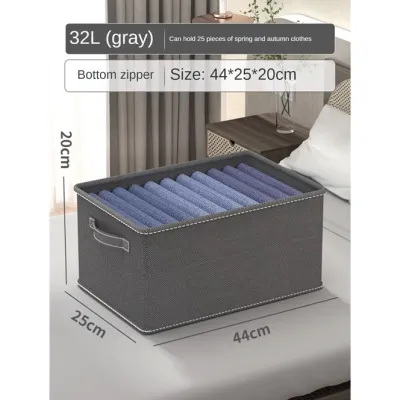
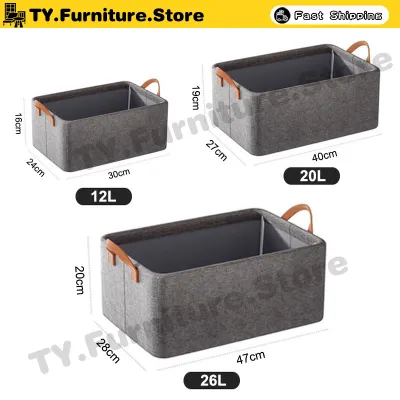

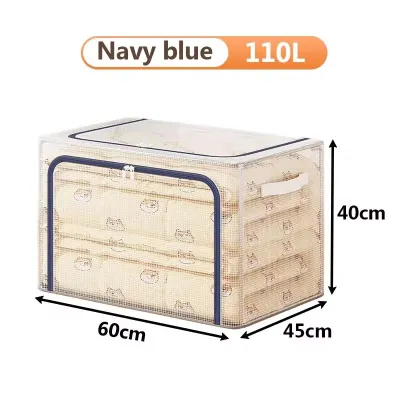
Prices are valid at publication and may change. Please refer to the product page for the latest price.
Material Selection and Structural Reinforcements Standard organizers often utilize thin-walled aluminum, hollow plastics, or low-density particleboard. Heavy-duty alternatives rely on structural reinforcements to resist bending under load. For plastic components, look for high-impact resins featuring molded-in ribbed designs along the load-bearing surfaces, which distribute weight without adding excessive bulk. For metal components, prioritize thick-gauge carbon steel or stainless steel. Solid wood components offer excellent rigidity, whereas standard medium-density fiberboard (MDF) is prone to sagging under concentrated weight unless it is exceptionally thick and reinforced.
Connection Mechanisms and Hardware A shelf or rod is only as strong as its connection points. Low-cost organizers often rely on friction-fit plastic joints or thin adhesive strips that fail under load. Heavy-duty systems employ mechanical fasteners, such as steel wood screws, through-bolts, and heavy-gauge metal brackets. Look for systems where the weight of the shelf rests directly on a metal support bracket rather than depending solely on the shear strength of a small screw.
Understanding Weight Capacity Labels When reviewing product specifications, distinguish between total static load and distributed weight limits. Static load refers to the maximum weight a stationary shelf can hold before structural failure, while distributed weight limits assume the load is spread evenly across the entire surface. A shelf rated for 30 kilograms of distributed weight may buckle if you place a single 15-kilogram box of heavy bags directly in the center. Always look for manufacturers that clearly publish these weight limits, and plan to utilize only 70% to 80% of the rated capacity to ensure a safe margin.
Humidity and Environmental Resistance The tropical climate of the Philippines introduces persistent moisture, which can compromise structural integrity. Untreated steel will rust, weakening the metal and staining your garments. Low-grade engineered wood can swell and lose its structural bonding when exposed to high humidity. To prevent these issues, verify that metal organizers feature thick powder-coated finishes, epoxy coatings, or are made of high-grade stainless steel. If choosing wood, ensure all surfaces and edges are fully sealed with a moisture-resistant lacquer or laminate to prevent humidity from penetrating the core.
Top Heavy-Duty Organizer Types for Heavy Clothing and Bags
Different types of heavy clothing and accessories require specific structural support. Matching your heavy items to the correct organizer category ensures longevity and ease of access.

Reinforced Hanging Rods and Rails
Hanging heavy denim jeans, structured leather jackets, and loaded travel bags requires a robust rail system that resists bowing. Standard closet rods are often made of thin-walled aluminum or hollow plastic, which easily bend under concentrated weight. Heavy-duty setups utilize solid steel, thick-walled stainless steel, or solid hardwood rods with a diameter of at least 1.5 inches (approx. 3.8 cm). These thicker profiles provide the necessary resistance to bending moments caused by heavy garments.
For any rod span wider than 3 feet (approx. 90 cm), a center support bracket is essential. Without this midpoint anchor, even high-quality steel rods will gradually sag over time under the weight of heavy coats and bags. The center bracket redirects a portion of the downward force to the shelf above or the back wall, maintaining a level hanging line.
Additionally, pay close attention to the mounting flanges at either end of the rod. Heavy-duty rods must be secured with deep-seated metal flanges that are screwed directly into the solid wood uprights or reinforced side panels of the wardrobe. Avoid mounting rods to thin fiberboard backings or using simple drop-in plastic cups, as these can easily tear out under a heavy load.
Metal Wire and Steel Shelving Inserts
For stacking heavy folded items like thick denim jeans, sweaters, and organized bags, metal wire and steel shelving inserts provide an exceptionally stable platform. Unlike solid wood shelves, which can block airflow, metal wire grids allow air to circulate freely around your clothing. This ventilation is highly beneficial in humid environments, as it helps prevent the buildup of musty odors and mold on dense fabrics.
When selecting wire shelving, look for units with welded steel cross-supports beneath each shelf level. These supports prevent the wire deck from flexing downward when loaded with heavy stacks. Additionally, choose freestanding inserts that feature adjustable leveling feet. Wardrobe floors are not always perfectly level, and adjustable feet allow you to eliminate wobbles, ensuring the shelf remains stable under uneven loads.
One limitation of wire shelving is that the metal grids can leave deep indentations on delicate fabrics or soft leather bags. To protect your items, use thick plastic shelf liners or fabric-wrapped cardboard inserts. These liners distribute the weight of the items across the wires, preventing marks while still allowing some lateral airflow around the edges.
Heavy-Duty Stackable Storage Bins
Stackable storage bins are ideal for organizing off-season heavy garments, bulky winter wear used for travel, and structured handbags. However, standard plastic storage boxes often warp or crack when stacked, especially if the bottom bin is subjected to the cumulative weight of several loaded bins above it.
Heavy-duty stackable bins are engineered with reinforced corner columns, thick walls, and interlocking lid mechanisms. The interlocking design ensures that the weight of the upper bin is transferred directly down through the vertical walls of the lower bin, rather than pressing down on the center of the lid. This structural path prevents the lid from bowing and cracking.
Before stacking, always check the manufacturer’s specified maximum stacking height and weight limits. To make daily use practical, consider heavy-duty bins that feature front-access doors or clear front panels. This design allows you to retrieve heavy items from the bottom bin without the physically demanding and potentially hazardous task of unstacking a heavy pile.
How to Verify Wardrobe Compatibility and Weight Limits
Before purchasing any heavy-duty organizer, you must verify that your existing wardrobe can physically accommodate the insert and support the added weight.
Step 1: Measure the Internal Clearance Accurately measure the interior depth, width, and height of your wardrobe cabinet. Do not rely on external product dimensions, as panel thicknesses can vary significantly. When measuring, account for any obstructions such as door hinges, sliding door tracks, magnetic catches, or baseboards. For example, a pull-out wire drawer might fit the cabinet width but get blocked by the wardrobe door hinge when you attempt to slide it open.
Step 2: Evaluate Panel Thickness and Core Material Examine the construction of your wardrobe’s internal panels to determine if they can support screw-mounted organizers. Panels made of solid wood or high-density plywood with a thickness of 15mm to 18mm are generally strong enough to hold heavy-duty screws and brackets. If your wardrobe is constructed from thin, low-density particleboard (often 12mm or less), screw-mounted organizers may tear out under heavy loads. In such cases, opt for freestanding steel shelving inserts that transfer the weight directly to the floor of the wardrobe rather than hanging from the side panels.
Step 3: Calculate Cumulative Weight Loads Consider the total weight capacity of your wardrobe cabinet as a whole. A freestanding wooden wardrobe has its own structural limits. Adding heavy-duty steel organizers and loading them with dozens of pairs of jeans, heavy leather jackets, and bags can easily add 50 to 100 kilograms of load. Check the wardrobe manufacturer’s documentation to ensure the overall frame, legs, or plinth can support this cumulative weight without buckling or collapsing.
Always verify the exact product dimensions, mounting hole requirements, and weight ratings against your specific wardrobe model before making a purchase from local home improvement retailers or online furniture stores. If your wardrobe manufacturer is known, consult their accessory compatibility guides to find organizers designed specifically for your cabinet system.
Safe Installation and Load Distribution Strategies
Proper installation and smart loading are critical to preventing structural damage to your home and ensuring the safety of your household.
Anchor to Solid Framing When installing screw-mounted hanging rods or heavy shelving brackets, always secure the fasteners into solid framing. If you are mounting organizers to a wardrobe panel backed by a wall, try to align the mounting brackets with the wall studs behind the wardrobe. If you must mount into drywall or thin particleboard panels, never use standard wood screws alone. Instead, use specialized heavy-duty hollow-wall anchors or toggle bolts designed to distribute the pulling force over a wider surface area.
Apply the Bottom-Heavy Rule To maintain the stability of your wardrobe, always distribute the weight of your clothing using a bottom-heavy strategy. Place your heaviest items—such as dense stacks of denim jeans, heavy leather boots, and loaded travel bags—on the lowest shelves or in bins at the bottom of the wardrobe. Reserve the upper shelves and higher hanging rods for lighter items like t-shirts, linen shirts, and light jackets. This distribution lowers the overall center of gravity, making the entire wardrobe significantly more stable.
Install Anti-Tip Brackets Tall wardrobes that are heavily loaded present a serious tipping hazard, especially when drawers are pulled out or heavy items are reached for on upper shelves. In earthquake-prone regions like the Philippines, securing your furniture is a critical safety step. Always anchor tall or heavily loaded wardrobes to the wall using heavy-duty anti-tip brackets or safety straps. Ensure the wall-side anchor is secured into a wall stud or concrete wall using appropriate masonry plugs.
Conduct Regular Maintenance Checks Heavy-duty systems require periodic inspection to ensure they remain safe over time. Every six months, or during seasonal wardrobe changes, perform a quick visual check of your closet organizers. Look for any signs of bowing in shelves or hanging rods. Check the mounting brackets to ensure screws have not loosened or pulled away from the cabinet panels. Tighten any loose hardware immediately, and if you notice persistent bowing, reduce the load on that specific component to prevent eventual failure.
Frequently Asked Questions (FAQ)
Can I use tension rods for heavy winter jackets and bags?
No, tension rods are not suitable for supporting heavy, concentrated loads like winter jackets, leather coats, or bags. Tension rods rely entirely on outward spring pressure and rubber-pad friction against the wardrobe walls to stay in place. Over time, the weight of heavy garments, combined with changes in humidity that can cause wardrobe panels to expand or contract slightly, will cause the tension rod to slip and collapse. This can damage your wardrobe’s interior finish and crush items below. For heavy items, always use screw-mounted or bracket-supported metal rods.
How do I prevent heavy shelves from sagging over time?
To prevent heavy shelves from sagging, you can install aftermarket center support brackets or vertical dividers to reduce the unsupported span of the shelf. Reducing the span by half dramatically increases the load capacity of the shelf material. Additionally, practice smart weight distribution: avoid placing your heaviest stacks of jeans or bags in the exact center of the shelf, where the bending force is greatest. Instead, place heavy stacks near the supported outer edges of the shelf, and periodically rotate your stored items to minimize long-term material fatigue.

Community discussion
Share your experience or ask a question. Comments are reviewed before publication.