
When choosing storage benches for a Philippine garden, the intense combination of torrential monsoon rains and relentless tropical humidity makes material selection your most critical decision. To keep your gardening tools, soil bags, and outdoor cushions dry and mold-free, resin (heavy-duty plastic) and powder-coated aluminum stand out as the most durable, low-maintenance options. These synthetic and non-ferrous materials resist rot, rust, and water penetration without requiring frequent chemical treatments.
For homeowners who prioritize natural aesthetics and structural weight, premium treated wood or naturally oily hardwoods like teak offer unmatched beauty and stability. However, wood demands regular sealing to prevent swelling, warping, and fungal growth in humid conditions. Ultimately, the best choice balances your willingness to perform seasonal maintenance against the convenience of a “set-and-forget” synthetic bench.
How the Philippine Climate Affects Outdoor Storage Benches
The tropical climate of the Philippines presents a unique set of challenges for any outdoor furniture. During the wet season, which typically peaks from June to November, outdoor storage benches are subjected to prolonged downpours and ambient relative humidity levels that frequently exceed 80 percent. This constant moisture creates a breeding ground for mold, mildew, and wood-boring insects, which can rapidly compromise both the exterior structure of the bench and the items stored inside.
Products mentioned in this guide
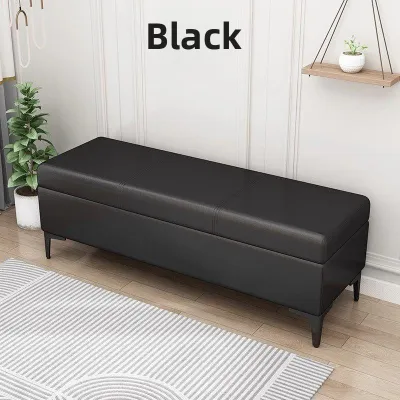
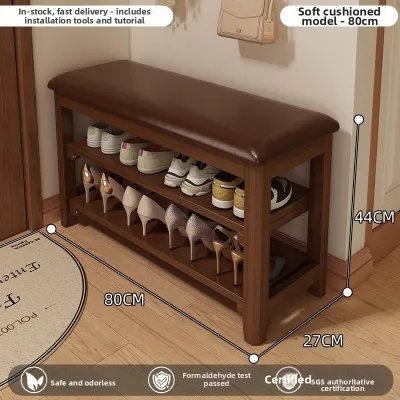
Prices are valid at publication and may change. Please refer to the product page for the latest price.
Conversely, the dry season brings intense ultraviolet (UV) radiation and high temperatures. This extreme heat causes materials to expand, while the subsequent cooling at night leads to contraction. Over time, this thermal cycling can weaken joints, degrade structural adhesives, and cause plastics to become brittle or fade. UV rays also break down protective coatings on wood and metal, exposing the underlying material to moisture damage during the next rainfall.
Furthermore, coastal areas in the Philippines experience salt-laden air, which accelerates the corrosion of metal components. When evaluating storage benches, it is vital to understand the distinction between “water-resistant” and “waterproof” designs. A water-resistant bench may keep out a light drizzle but will fail during a severe typhoon, whereas a waterproof construction utilizes specific design elements to prevent water ingress under driving rain.
Comparing Storage Bench Materials for Humid Environments
Before finalizing any purchase, measure your available garden space and check the bench’s finished dimensions to ensure it fits comfortably and leaves adequate clearance for walkways. Additionally, check the manufacturer’s specified load capacity and structural stability, particularly if the bench will double as seating for multiple adults. For flat-pack options, consider the assembly conditions and whether you have the tools required to secure the anchoring methods if you live in typhoon-prone areas.

Resin and Heavy-Duty Plastic
High-quality resin and high-density polyethylene (HDPE) have become the premier choices for tropical outdoor storage. Modern manufacturing allows these materials to realistically mimic the texture of natural wood grain or woven wicker, offering an attractive look without the organic vulnerabilities. Because resin is inherently non-porous, it cannot absorb water, meaning it will never rot, warp, or harbor destructive pests like termites (anay) that are common in Philippine gardens.
However, not all plastics are created equal. When shopping for a resin storage bench, you must verify that the product specification explicitly includes UV-inhibitors or UV-stabilizers. Without these chemical additives, standard plastics will quickly degrade under the harsh Philippine sun, leading to chalking, cracking, and structural failure within a couple of seasons.
Additionally, while the resin panels themselves are completely waterproof, the overall dry-storage performance depends heavily on the assembly joints and lid seals. You should inspect the interlocking mechanisms of the panels to ensure they form a tight barrier against driving rain. It is also wise to check the load capacity of the lid if you plan to use the bench for seating, as some lightweight plastic models can sag or buckle under weight over time.
Treated Wood and Natural Timber
For many garden enthusiasts, nothing matches the organic warmth and solid presence of a real wood bench. When selecting timber for a humid environment, you must distinguish between naturally resistant hardwoods and treated softwoods. Premium hardwoods like teak, shorea, and ipe contain high levels of natural oils and silica, which act as built-in water repellents and insect deterrents. These woods are highly stable and less prone to warping, though they represent a significant financial investment.
More common options, such as acacia or pressure-treated pine, rely on chemical preservatives or surface sealants to resist decay. In the high humidity of the Philippines, these protective barriers are under constant assault. If the sealant chips or wears away, moisture will penetrate the wood fibers, causing the timber to swell, split, and cultivate internal rot.
To ensure longevity, always check the manufacturer’s care instructions and recommended resealing schedule before purchasing. A wooden storage bench in a tropical garden will typically require a fresh coat of outdoor polyurethane, marine varnish, or specialized wood oil at least once a year. Additionally, ensure the interior storage compartment is lined with a heavy-duty, water-resistant zippered liner to protect sensitive items from dampness that may wick through the wood joints.
Metal (Aluminum vs. Steel)
Metal storage benches offer exceptional structural strength, weight capacity, and a sleek, modern aesthetic, but they require careful evaluation regarding rust prevention. Aluminum is the superior metal choice for humid climates because it naturally forms a protective oxide layer, making it highly resistant to rust. When finished with a high-quality powder coating, an aluminum bench can withstand decades of rain and sea air without losing its structural integrity.
Steel benches, including galvanized or powder-coated steel, are more budget-friendly and offer excellent stability against strong winds. However, steel remains highly vulnerable to oxygen and moisture. If the protective powder coating is scratched or chipped—even slightly—humid air will penetrate to the raw steel beneath, initiating a rust cycle that can quickly spread under the paint and weaken the frame.
When inspecting a metal storage bench, pay close attention to the weld points, hinges, and fasteners. These joints are where moisture often pools and where protective coatings are thinnest. Furthermore, keep in mind that metal conducts heat rapidly; a metal bench left in direct sunlight can become too hot to sit on comfortably and can cause the air inside to heat up, leading to internal condensation or “sweating” that can damage delicate stored items.
Essential Design Features for Weatherproof Garden Storage
- Lid Seals and Overhangs: The primary defense against water entry is the design of the bench lid. Look for a lid that features a generous overhang, extending at least a few centimeters past the main body of the bench. This overhang acts as a drip edge, directing rainwater away from the opening seam. Additionally, high-quality weatherproof benches incorporate integrated rubber or silicone gaskets along the inner rim of the lid, creating a tight compression seal when closed to block out wind-driven monsoon rain.
- Ventilation vs. Waterproofing: While keeping water out is critical, sealing a storage bench completely airtight can create a destructive greenhouse effect inside. Trapped humidity, combined with warmth from the sun, will cause moisture to condense on the interior walls, ruining fabrics, rusting tools, and promoting mold. The ideal storage bench features protected, downward-facing louvers or baffled vents. These vents allow continuous airflow to dry out ambient moisture while preventing rain from splashing directly inside.
- Hardware and Hinges: The longevity of an outdoor bench is often determined by its smallest components. Standard zinc-plated or carbon steel screws and hinges will corrode rapidly in humid tropical climates, leading to squeaking, binding, and eventual failure. Ensure that all hardware is constructed from rust-proof materials, such as marine-grade stainless steel (304 or 316) or solid brass. Hydraulic lid dampers or gas struts are also valuable features, but they must be rated for outdoor use to prevent internal seal failure.
- Base and Feet: A storage bench should never sit directly on damp soil, grass, or even a concrete patio that collects standing water. Constant contact with wet surfaces allows moisture to wick upward into the base of the bench, accelerating rot in wood and rust in steel. Look for benches designed with elevated feet, risers, or adjustable leveling pads. Elevating the base by just a few centimeters keeps the bottom dry, improves airflow underneath, and prevents pests from nesting beneath the unit.
Maintaining Your Storage Bench Through the Rainy Season
To maximize the lifespan of your garden storage bench and safeguard its contents, establish a regular maintenance routine, especially before the arrival of the heavy monsoon season. Begin by performing a thorough cleaning to remove organic debris, such as fallen leaves, dirt, and bird droppings. These materials trap moisture against the surface and can degrade protective finishes over time. Use a soft brush and mild soapy water, avoiding harsh chemical cleaners that can strip UV-resistant coatings.
Next, inspect the ventilation paths and drainage holes. Ensure they are free from dirt, spider webs, and insect nests, which can block airflow and lead to internal condensation. Check the condition of any rubber gaskets or lid seals; if you notice cracking or flattening, consult the manufacturer’s care guide or contact their service department for replacement options to maintain the waterproof seal.
For material-specific care, apply a protective UV-inhibiting spray to resin benches annually to maintain their color and flexibility. If you own a steel bench, immediately touch up any paint chips or scratches with a rust-inhibiting primer and matching outdoor paint. Wooden benches should be checked for rough spots, lightly sanded, and recoated with a suitable outdoor sealer or oil according to the manufacturer’s instructions. Always check the applied product’s label and the treated item’s manufacturer instructions first before applying any sealants, oils, or UV protectants.
Frequently Asked Questions (FAQ)
Can I leave outdoor cushions inside a plastic storage bench?
While high-quality plastic storage benches are highly effective at keeping rainwater out, they cannot block ambient tropical humidity from entering. If you store outdoor cushions that are even slightly damp, or if the bench experiences rapid temperature shifts, condensation can form inside and lead to mold growth on the fabric. To protect your cushions, ensure they are completely dry before storing them, utilize moisture-absorbing desiccant packs inside the compartment, and choose a bench design that features integrated ventilation.
Is it better to buy a pre-assembled or flat-pack storage bench for humid areas?
Pre-assembled storage benches generally offer superior weatherproofing because they feature factory-tight joints, integrated seals, and fewer seams where water can penetrate. If you choose a flat-pack option, you must follow the assembly instructions meticulously to ensure all panels align perfectly without gaps. For added protection in high-moisture zones, you can apply a thin bead of outdoor-grade silicone sealant along the interior seams of a flat-pack bench during the assembly process.
How do I stop the inside of my metal storage bench from sweating?
Internal condensation, or sweating, occurs when the metal exterior of the bench cools down quickly after being heated by the sun, causing moisture in the warm internal air to condense on the walls. To prevent this, place your metal storage bench in a shaded area of your garden rather than in direct, all-day sunlight. Additionally, ensure the bench has functional, unobstructed vents to promote airflow, and store sensitive items like cushions or paper-packaged garden supplies inside sealed plastic storage bins within the bench.

Community discussion
Share your experience or ask a question. Comments are reviewed before publication.