
When preparing for a move, the safety of your smallest possessions often requires the most strategic planning. While large furniture and bulky appliances are easily wrapped in moving blankets, tiny valuables like delicate jewelry, intricate accessories, and sensitive micro-electronics are highly vulnerable to the chaotic forces of transit.
Standard moving boxes are far too spacious for these items, leaving them prone to getting lost, crushed, or tangled. A dedicated mini storage organizer serves as a critical protective barrier, isolating each delicate piece and absorbing the vibrations of the moving truck.
The primary hazard during a move is not just the bumpy road, but the pressure of stacked boxes. When selecting a mini storage organizer, the choice between a rigid exterior and a flexible one determines how well your items survive heavy loads.
Products mentioned in this guide
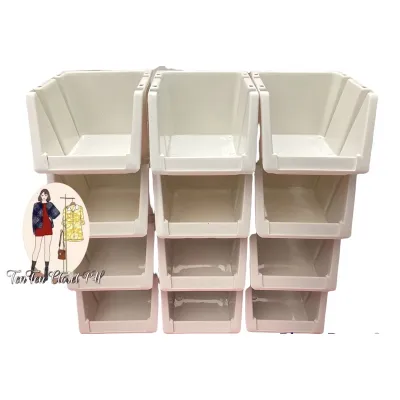
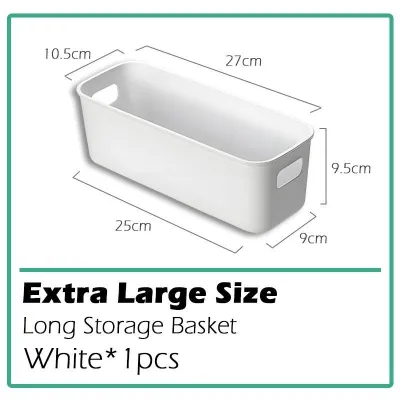
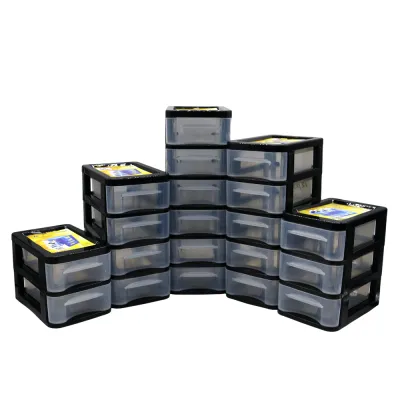

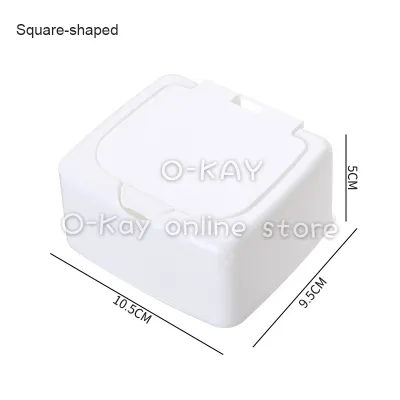
Prices are valid at publication and may change. Please refer to the product page for the latest price.
Rigid organizers, such as those made from heavy-duty polycarbonate or thick acrylic, offer excellent crush resistance. They form an unyielding perimeter that shields the contents even if a heavier box accidentally shifts on top of them.
Flexible organizers, like fabric pouches or soft canvas rolls, lack this structural defense. They can compress under pressure, potentially crushing delicate items inside if they are not packed with extreme care.
Inside the organizer, the environment must be equally secure. Without proper internal padding, lining, or snug dividers, small items will rattle against each other during transit.
This constant friction can lead to scratches, chipped edges, or tangled chains. High-quality organizers often feature soft velvet linings, molded foam inserts, or adjustable dividers that lock firmly into place.
These dividers prevent items from migrating between compartments when the organizer is tilted or turned upside down during the loading process.
Another critical factor is the security of the closure mechanism. A simple friction-fit lid or a weak plastic tab can easily pop open when subjected to the vibrations of a moving vehicle or the impact of a sudden stop.
When this happens, dozens of tiny, fragile items can spill into the bottom of a larger moving box, making recovery difficult and damage almost certain. Look for organizers equipped with heavy-duty latches, slide locks, or zippered closures that remain securely fastened even when dropped or shaken.
Recommended Types of Mini Storage Organizers for Moving
Navigating the wide array of storage solutions on online marketplaces requires matching your specific inventory to the right organizer design. Different fragile items have distinct vulnerabilities; some are prone to scratching, while others are easily crushed or sensitive to the high humidity typical of tropical climates.
Choosing the correct category of organizer ensures that your valuables are shielded from their specific environmental and physical risks during the transition to your new home.
Compartmentalized Hard-Plastic or Acrylic Boxes
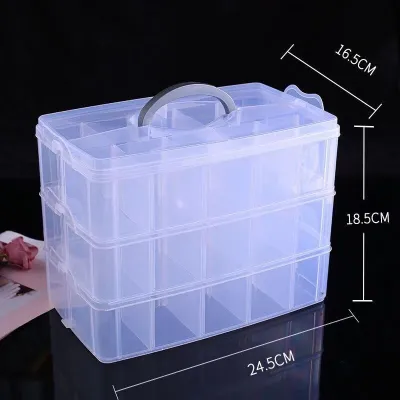
Compartmentalized hard-plastic or acrylic boxes are highly effective for organizing and protecting small, solid items that need to stay separated. These organizers are ideal for sorting beads, small hardware, hard jewelry like rings and brooches, and solid collectibles.
The rigid outer walls provide excellent protection against external impacts. This ensures that the box retains its shape even when packed tightly inside a larger moving container.
When choosing these boxes, the most critical check is the fit of the internal dividers. Removable dividers are highly convenient for customizing compartment sizes, but they must fit snugly against the bottom and lid of the box.
If there is even a tiny gap, flat items like earrings or small washers can slide underneath, leading to collisions and scratches. Opt for boxes with molded tracks that hold the dividers firmly in place, or choose fixed-compartment models for absolute security.
The primary limitation of hard-plastic organizers is the lack of built-in cushioning. Because the interior walls are rigid, hard items can rattle against the plastic during transit, which may cause surface wear or chipping on delicate finishes.
To mitigate this, you must add manual padding, such as small pieces of foam or felt, to line the compartments. Highly delicate pieces, such as hand-painted porcelain miniatures or fragile gemstones, will still require individual wrapping before being placed inside these hard compartments.
Padded Jewelry Rolls and Soft-Sided Zip Cases
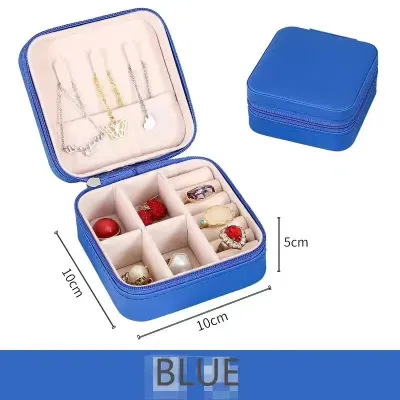
For items that are highly sensitive to scratches but less prone to being crushed by their own weight, padded jewelry rolls and soft-sided zip cases offer an excellent solution. These organizers are best suited for necklaces, bracelets, watches, and delicate fabric accessories.
The soft, padded fabric absorbs minor impacts and prevents metal-on-metal contact. This contact is the primary cause of tarnishing and surface scratches during a move.
When evaluating a soft-sided organizer, look for specialized features like anti-tarnish interior linings, individual zippered pockets, and dedicated straps with snap closures to keep necklaces flat and untangled.
A good jewelry roll will have separate compartments for different types of jewelry. This ensures that a heavy metal watch does not rub against a delicate pearl necklace. Secure ties or heavy-duty zippers are essential to keep the entire roll compact and closed during handling.
The main limitation of these soft organizers is their complete lack of crush resistance. If a heavy object is placed on top of a jewelry roll, the items inside will bear the full weight of the impact.
Consequently, these organizers must never be packed loosely in standard moving boxes. Instead, they should be placed inside a rigid container, packed at the very top of a sturdy suitcase, or carried personally in your travel bag to ensure they are never subjected to heavy compression.
Small Hard-Shell Electronics and Cable Cases
Delicate tech accessories and small electronic components require specialized protection that combines a rigid exterior with a soft, organized interior. Small hard-shell cases, often constructed from molded ethylene-vinyl acetate (EVA) and covered in durable nylon, are perfect for this task.
These cases are ideal for packing wireless earbuds, small power banks, USB flash drives, memory cards, and delicate camera sensors.
When inspecting an EVA hard-shell case, verify that the internal layout features tight elastic straps and secure mesh pockets. These elements are crucial for holding devices firmly in place, preventing them from bouncing around inside the case.
The elastic straps should hold cables flat without bending them at sharp angles, which can damage the internal wiring. A soft fabric lining inside the case is also necessary to prevent screens and polished plastic surfaces from getting scratched.
While these cases offer excellent protection against drops and moderate pressure, they generally lack custom-molded compartments for specific device shapes. This means that smaller, loose items might still slide around within the mesh pockets.
To prevent this, you should fill any excess space with small pieces of bubble wrap or microfiber cloth. This extra layer of cushioning ensures that the devices remain completely stationary during the journey.
How to Pack and Protect Fragile Items Inside the Organizers
Simply placing your fragile items inside an organizer is not enough to guarantee their safety during a move; the packing technique inside the organizer is just as important. The golden rule of packing fragile items is to eliminate all movement.

Any empty space inside a compartment allows the item to shift and gain momentum during transit. This increases the risk of damage when the moving truck encounters bumps or sudden stops.
To prevent this, use acid-free tissue paper, clean microfiber cloths, or small pieces of foam to fill every void within the compartments. Gently pack the material around the item until it is snugly held in place.
Avoid using standard newspaper, as the ink can transfer onto delicate surfaces, and the rough texture can cause micro-scratches on polished metals or plastics. For highly delicate or valuable pieces, wrap each item individually in a layer of tissue paper before placing it into its designated slot.
Even if your organizer has a built-in latch, the physical stress of a move can cause closures to fail. To prevent accidental spills, reinforce the closure of every mini organizer before packing it away.
Wrapping a strong rubber band around the box or securing the lid with a strip of low-tack painter’s tape provides an extra layer of security. Painter’s tape is ideal because it holds firmly but can be removed easily without leaving a sticky residue on your organizer.
Finally, clear labeling is essential for a smooth unpacking process and careful handling. Write a brief description of the contents on a piece of tape and stick it directly to the exterior of the mini organizer.
When placing the organizer inside a larger moving box, ensure that the outer box is clearly marked as “Fragile” on multiple sides. This alerts the moving crew to handle that specific box with extra care and to avoid placing heavy furniture or appliances on top of it.
Common Packing Mistakes to Avoid with Small Fragile Items
One of the most frequent mistakes when using mini organizers is overstuffing the compartments. It can be tempting to squeeze as many items as possible into a single box to save space, but this puts dangerous pressure on delicate clasps, hinges, and screens.
When the lid is forced shut over an overfilled compartment, the constant downward pressure can bend metal components or crack fragile glass. Always leave a small amount of clearance at the top of each compartment.
Another common error is relying solely on soft pouches or fabric organizers without providing a rigid outer defense. Placing a soft jewelry roll or a fabric pouch directly into a large moving box alongside heavier items is a recipe for disaster.
If the box is stacked underneath heavier cargo, the soft organizers will compress, and the items inside will be crushed. Always pack soft organizers inside a rigid plastic bin or a sturdy, double-walled cardboard box to shield them from external pressure.
Mixing items of vastly different weights and materials within the same compartment is also highly risky. For example, packing heavy metal screws or small tools in the same compartment as fragile glass ornaments or delicate electronic sensors will almost certainly result in damage.
The heavier items will shift with greater force during transit, easily crushing or scratching the lighter, more delicate objects. Keep hard, heavy items strictly separated from soft or fragile ones.
In tropical climates, forgetting to remove batteries from small electronics before packing them is a particularly damaging mistake. High temperatures and humidity inside a moving truck can accelerate battery degradation, leading to corrosive leaks that can permanently ruin delicate circuitry.
Always remove AA, AAA, or specialized batteries from devices like small flashlights, portable fans, and electronic toys before placing them in sealed organizers for transit.
Frequently Asked Questions (FAQ)
Can I use regular pill organizers for packing small jewelry when moving?
While regular plastic pill organizers are convenient for daily use, they are generally not recommended for packing valuable or highly fragile jewelry during a major move. Most pill organizers are made from thin, brittle plastic with simple friction-fit lids that can easily pop open under pressure or vibration.
Furthermore, they lack any internal padding, meaning your jewelry will rattle against the hard plastic walls, potentially causing scratches or broken clasps.
If you are undertaking a short, self-managed move where you can personally transport the organizer in your car, a pill organizer can work as a temporary solution. However, you must take extra precautions.
Wrap each piece of jewelry in a small piece of cotton or tissue paper before placing it in the compartment to prevent rattling, and wrap the entire organizer in painter’s tape to ensure the lids stay closed. For high-value, delicate, or easily tarnished items, it is always safer to invest in a dedicated, padded jewelry organizer.
Should I keep my mini storage organizers in my carry-on or checked luggage if flying?
If your relocation involves air travel, you should always keep your mini storage organizers containing high-value, irreplaceable, or highly fragile items in your carry-on luggage. Checked baggage is subjected to rough handling, extreme pressure changes, and significant temperature fluctuations in the cargo hold, which can damage delicate items.
Keeping these valuables with you in the cabin ensures they remain in a climate-controlled environment and reduces the risk of loss.
When packing electronics in your carry-on, be mindful of airline safety regulations regarding lithium-ion batteries. Power banks, wireless earbud cases, and other devices containing rechargeable lithium batteries must be carried in the cabin and are strictly prohibited in checked baggage due to fire risks.
Additionally, ensure that any liquid-containing items, such as small cosmetics or perfumes packed in mini organizers, comply with the standard liquid limits for carry-on baggage to avoid delays at the security checkpoint.

Community discussion
Share your experience or ask a question. Comments are reviewed before publication.