
Finding the right center table wood for a compact apartment in the Philippines requires balancing spatial efficiency with daily utility. The most effective multi-functional wooden center tables are those that serve multiple roles—such as a dining surface, a work desk, or a storage unit—while maintaining a compact footprint. To make an informed purchase, you must evaluate how the table’s mechanical features, material composition, and physical dimensions align with your daily routines and the unique environmental conditions of tropical living. By focusing on structural integrity and smart design, you can find a piece that enhances your living space without causing physical or visual clutter.
Core Features to Evaluate for Compact Living
When living in a limited layout, every piece of furniture must justify its footprint by offering more than one function. Before selecting a table, analyze your daily habits to determine whether you need a surface primarily for remote work, casual dining, or concealing household clutter. A table that looks appealing in a showroom might overwhelm a small living room if its functional design does not match your actual lifestyle.
Visual weight is another critical factor that influences how spacious a room feels. Solid, block-like tables that sit directly on the floor can make a small living room feel cramped and dark because they block the flow of light. Choosing a wooden center table with exposed, slender legs allows light to pass underneath, creating an illusion of openness and making the entire room feel larger.
Products mentioned in this guide
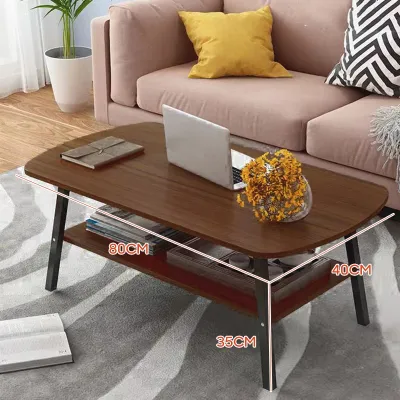
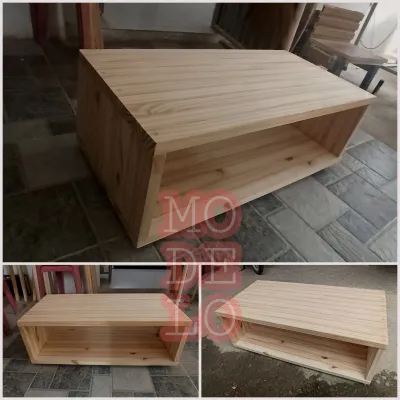
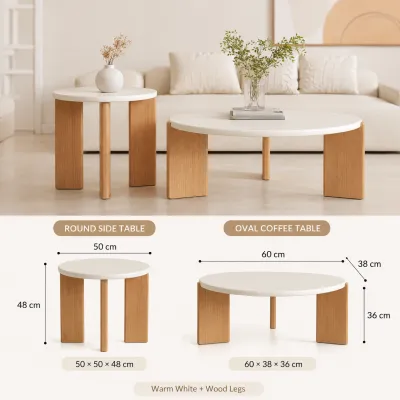
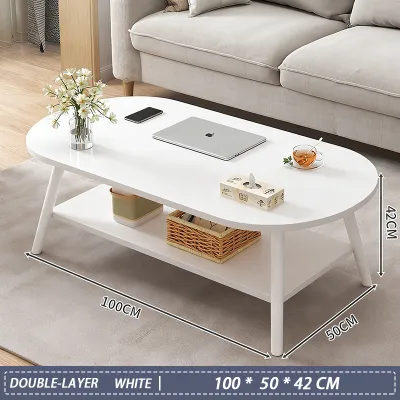
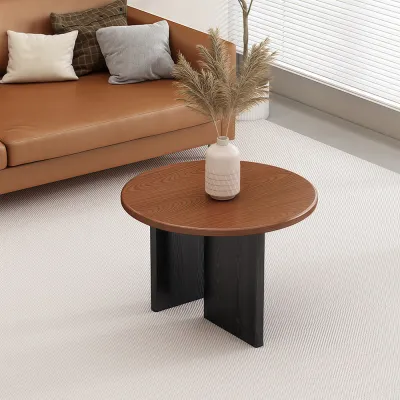
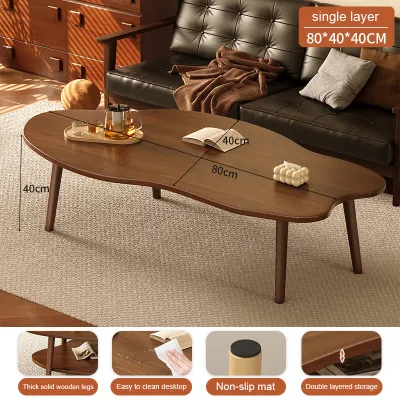

Prices are valid at publication and may change. Please refer to the product page for the latest price.
Additionally, consider the overall weight and mobility of the piece. In compact apartments, you often need to rearrange furniture to accommodate guests, clean the floors, or access nearby storage. A table that is too heavy to slide or lift easily can become a physical obstacle, so look for designs that offer structural stability without excessive, unmanageable weight.
Types of Multi-Functional Wooden Center Tables
The ideal multi-functional wooden center table is one that directly solves your apartment’s primary spatial bottleneck. Whether you lack a dedicated dining area, struggle with limited storage, or frequently host guests, there is a specific category of table designed to address that challenge.

Lift-Top Tables for Dining and Working
Lift-top wooden tables are highly practical for studio apartments and small units where a separate dining table or home office desk is not feasible. These tables feature a top surface that lifts upward and forward, bringing the work or dining area closer to you while you sit comfortably on the sofa. This mechanism eliminates the need to hunch over a low table, reducing physical strain during long working hours or meals.
When evaluating a lift-top table, pay close attention to the mechanical hardware. Look for heavy-duty steel hinges or gas-spring struts that operate smoothly without sudden, jarring movements. It is essential to verify the manufacturer’s specified weight capacity for both the closed and fully extended positions to ensure the table can safely support your laptop, books, or dining ware.
Additionally, measure the height of your sofa seat relative to the raised table surface. The ideal raised height should allow your forearms to rest parallel to the tabletop while typing or eating, preventing shoulder fatigue. A safety lock or soft-close mechanism is also a valuable feature to prevent the top from slamming down unexpectedly.
Hidden Storage Tables for Clutter Control
For apartments prone to accumulating daily clutter, a wooden center table with integrated storage compartments helps maintain a clean, organized aesthetic. These designs typically feature lift-up lids, pull-out drawers, or lower open shelves that keep items like remote controls, chargers, books, and blankets out of sight but within easy reach.
The choice between different storage configurations depends on how quickly you need to access your items. Lift-lids provide deep, concealed compartments that are excellent for larger items, though you must clear the tabletop before opening them. Side drawers offer quick access without disturbing the items on top, while lower open shelves are ideal for frequently used items like magazines or coasters.
Before purchasing, verify the internal dimensions of the storage compartments to ensure they can accommodate your specific belongings. It is also crucial to distribute weight evenly within these compartments; overloading one side or packing the lower shelves excessively can compromise the table’s balance and lead to structural strain over time.
Nesting and Expandable Tables for Flexible Use
Nesting and expandable wooden tables offer a highly adaptable solution for residents who occasionally host guests but want to maximize floor space during the week. Nesting sets typically consist of two or three tables of graduating sizes that slide completely underneath one another when not in use, occupying only the footprint of the largest table.
When you need extra surface area for drinks, snacks, or board games, you can easily pull the smaller tables out and position them around the room. To ensure a proper fit, check the total footprint of the tables when they are fully collapsed as well as when they are fully expanded across your living room floor.
When selecting a nesting set, inspect the wood finish and grain direction across all pieces. High-quality sets feature matching wood grains and consistent finishes, ensuring that the tables look cohesive whether they are stacked together or scattered throughout the room.
Choosing the Right Wood and Finish for Daily Use
The materials used to construct your center table directly impact its durability, weight, and resistance to the local climate. Solid wood tables offer exceptional longevity and structural integrity, making them highly stable when supporting mechanical parts, though they tend to be heavier and more expensive. Engineered wood, such as medium-density fiberboard (MDF) or plywood, is lighter and more budget-friendly, but you must verify that it is constructed with high-quality adhesives to withstand daily wear.
In the Philippines, high humidity levels can cause wood to expand, contract, or warp if it is not properly sealed. When browsing options, check the product specifications for protective surface finishes such as polyurethane, lacquer, or specialized wood oils. These coatings act as a barrier against moisture, heat, and minor scratches, which is particularly important if you plan to place cold drinks or hot plates directly on the table.
Furthermore, pay close attention to the quality of the edge banding and corner treatments. In tight apartment walkways, you are highly likely to bump into the corners of your furniture. Rounded corners or smooth, well-applied edge banding not only protect you from painful bumps but also prevent the wood veneer from chipping or peeling away due to physical impact.
Pre-Purchase Space and Clearance Checklist
To avoid the frustration of buying a table that is too large or difficult to navigate around, you must measure your living space carefully before making a decision. Start by measuring the distance between the front edge of your sofa and the edge of the proposed table location. A comfortable walkway requires sufficient clearance to allow you to sit down, stand up, and walk past without squeezing through.
If you select a table with moving parts, such as a lift-top or pull-out drawers, you must account for the extra space these features occupy when fully extended. Measure the maximum reach of the extended mechanism to ensure it does not collide with your television console, side chairs, or other nearby furniture.
Logistics are another critical consideration that is often overlooked. Before finalizing your purchase, measure the dimensions of your building’s elevator, the width of the stairwells, and the clearance of all door frames along the delivery path. A table that cannot fit through the front door or elevator will result in costly delivery failures. Finally, remember to check your flooring type; if you have hard surfaces like ceramic tiles or vinyl planks, plan to attach felt pads to the bottom of the table legs to prevent scratching during movement.
Maintaining Multi-Functional Mechanisms and Wood Surfaces
Proper maintenance is essential to ensure that your multi-functional wooden center table remains operational and visually appealing for years. For routine cleaning, use a soft, dry microfiber cloth to wipe away dust. If a damp cloth is necessary to clean up a spill, wring it out thoroughly to ensure no excess water seeps into the wood joints or mechanical hinges, as moisture can cause wood swelling and rust.
Periodically inspect the moving parts of your table to ensure they continue to function smoothly. Over time, the vibrations from lifting, sliding, or opening compartments can loosen screws, hinges, and gas struts. Keep a basic tool kit handy to gently tighten these hardware components every few months, preventing wobbling and maintaining structural alignment.
Be alert to early signs of wear, such as a squeaking mechanism, a top that does not close flush, or visible warping in the wood panels. If a mechanism becomes stiff or difficult to operate, avoid forcing it, as this can strip the screws or crack the surrounding wood. In such cases, consult the manufacturer’s care guidelines or seek professional repair services to restore the table’s functionality safely.
Frequently Asked Questions (FAQ)
How much clearance should I leave between the sofa and the center table?
For comfortable daily use, aim to leave a clearance of 30 to 45 centimeters between the front of your sofa and the edge of your center table. This distance provides ample legroom for sitting and allows you to reach items on the table easily without stretching. If your table features a lift-top mechanism or pull-out drawers, ensure that the fully extended parts still leave enough space for you to sit comfortably without feeling pinned against the sofa backrest.
Are engineered wood tables durable enough for daily multi-functional use?
Yes, high-quality engineered wood tables can be highly durable for daily use, provided they are constructed with reinforced joints and sturdy hardware. While solid wood offers superior natural strength, engineered wood is less prone to warping in humid climates. When choosing an engineered wood table with moving parts, verify that the mechanical hinges are anchored securely into solid wood blocks or metal inserts rather than directly into low-density particleboard, which can crumble under repeated stress.
How can I protect the wood finish from heat and water rings?
To protect your wooden table’s finish from unsightly heat marks and water rings, always use coasters under cold glasses and trivets or heat-resistant mats under hot plates. In humid tropical environments, condensation forms quickly on cold drink containers, making coasters essential to prevent water from pooling on the surface. If a spill does occur, wipe it up immediately with a dry cloth to prevent the liquid from penetrating the protective topcoat and damaging the wood underneath.

Community discussion
Share your experience or ask a question. Comments are reviewed before publication.