
Selecting the ideal narrow bedside table for a compact bedroom in the Philippines requires balancing physical clearance, functional storage, and material durability. In dense urban condominiums and compact apartments where floor space is at a premium, a standard-sized nightstand can easily block walkways, prevent wardrobe doors from opening, or make a bed feel cramped. By focusing on slim profiles, vertical storage, and space-saving designs, you can maximize your bedroom’s utility without sacrificing comfort or style.
To find a bedside table that fits your space, you must look beyond traditional bedroom furniture categories. Many living room side tables, plant stands, and minimalist accent pieces offer the exact narrow dimensions needed for tight bedside gaps. This guide outlines how to measure your space accurately, evaluates the most efficient compact designs, and details the material checks necessary to withstand the humid Philippine climate.
How to Measure and Choose a Narrow Bedside Table
Finding the right narrow bedside table begins with precise physical measurements rather than visual estimation. Because a few centimeters can make the difference between a functional walkway and a blocked path, you must assess the exact dimensions of your bedside gap before exploring design options.
Products mentioned in this guide
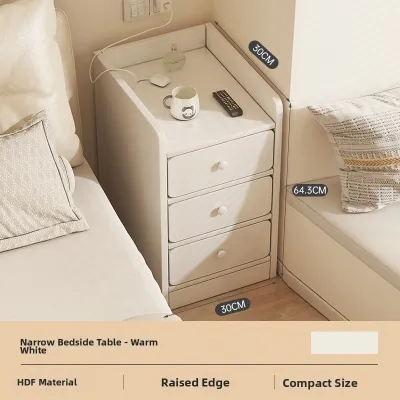
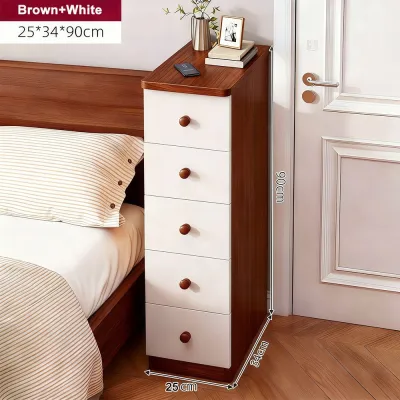
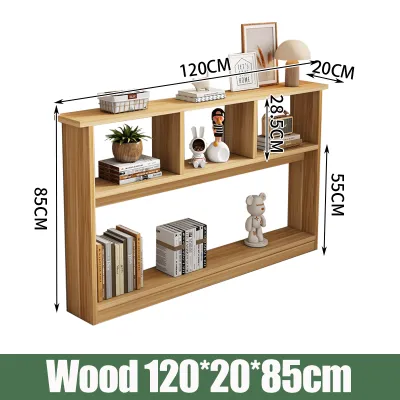
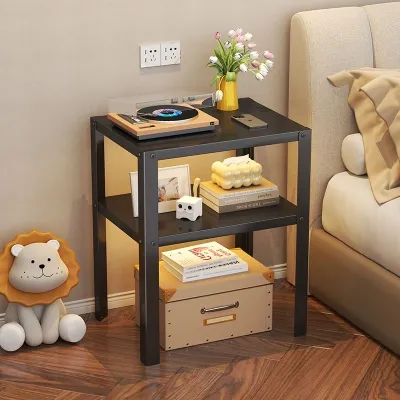
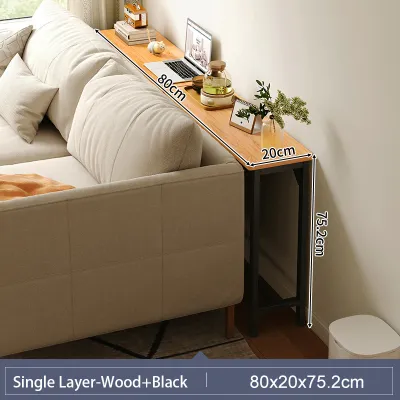

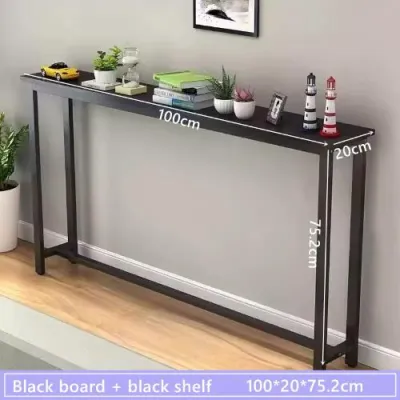
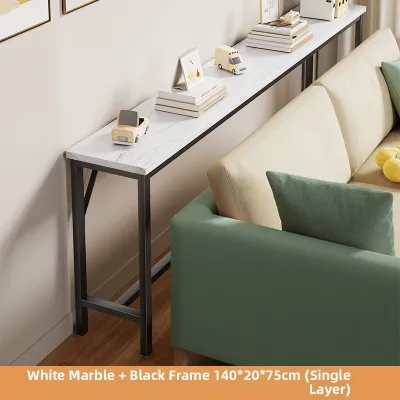
Prices are valid at publication and may change. Please refer to the product page for the latest price.
Space and Clearance Measurement
Using a metal tape measure, determine the exact distance between the edge of your mattress and the nearest wall or obstacle. Do not measure only at floor level; take measurements at the mattress height and the headboard level as well, as walls are rarely perfectly straight and baseboards can reduce your usable width by one to two centimeters.
Next, identify any potential obstructions that could interfere with the placement or use of the table. Look for wall outlets, light switches, and window trim that might be covered or blocked. If your bedside table will sit near a window, account for the drape of your curtains, as heavy fabric can easily push a lightweight table forward.
Finally, calculate the clearance needed for daily movement and existing furniture. Open all nearby wardrobe doors, dresser drawers, and room doors fully to ensure they do not collide with the proposed table location. To maintain a comfortable and safe environment, aim to preserve a walking path of at least 50 to 60 centimeters around the bed.
Height Alignment
For optimal comfort and safety, the top surface of your bedside table should align closely with the top of your mattress. An ideal height is level with the mattress or up to 5 to 10 centimeters below it. This ergonomic alignment allows you to reach for a smartphone, book, or glass of water naturally without straining your shoulder or back while lying down.
Choosing a table that is significantly taller than your mattress creates a safety hazard in a small room. You risk bumping your head, elbow, or arm against the sharp corners of the table when turning over or reaching out in the dark. Conversely, a table that is too low forces you to bend awkwardly, increasing the likelihood of knocking items off the surface.
Storage vs. Footprint Trade-offs
When selecting a narrow bedside table, you must decide between enclosed storage and an open footprint. Enclosed storage, such as drawers or cabinets, keeps personal items hidden from view and protects them from dust. However, drawers require physical space to extend fully; a drawer that pulls out 25 centimeters can easily block a narrow walkway or collide with your bed frame.
Open shelving, tiered frames, or minimalist pedestals offer a lighter visual footprint and do not require extra clearance for doors or drawers. While they expose your items to view and dust, they keep the room looking open and airy. If you choose an open design, you can use small decorative baskets or boxes to organize loose items while maintaining a compact footprint.
Cross-Category Versatility
Do not limit your shopping search to traditional nightstands, which are often designed with wide, bulky frames. Expanding your search to include living room side tables, end tables, slim plant stands, and telephone tables opens up a wider variety of compact options.
These living room pieces frequently feature widths as narrow as 20 to 30 centimeters, making them ideal for tight bedroom layouts. Because they are designed to slide next to sofas or fit into tight corners, they often prioritize vertical height over width, providing the perfect surface area for a bedside lamp, a phone, and a cup without consuming valuable floor space.
Top Narrow Bedside Table Designs for Tight Spaces
Different compact designs offer distinct advantages depending on your storage needs and the physical layout of your bedroom. Evaluating the structural strengths of each style helps you choose a table that maximizes space efficiency.

Slim Drawer Nightstands
Slim drawer nightstands are ideal for those who prefer to keep their bedside essentials organized and out of sight. These units typically range from 25 to 35 centimeters in width, providing just enough space for a small drawer and a top surface.
- Drawer Extension Clearance: Before purchasing, check the manufacturer's specifications for the drawer depth and glide type. Ensure that when the drawer is fully extended, it does not hit the bed frame or pinch your fingers against nearby walls.
- Visual Weight and Legs: Solid, boxy nightstands that sit flat on the floor can make a small bedroom feel dark and crowded. Opt for designs with tall, slender legs or a recessed base; allowing light and floor space to be visible underneath the table creates an optical illusion of openness.
- Flush Hardware: In tight walkways, protruding drawer handles are a constant hazard for snagging clothes or causing painful bruises. Look for nightstands with recessed cutouts, bevelled edges, or push-to-open mechanisms that keep the front surface flush and safe to walk past.
C-Shaped and Slide-Under Side Tables
C-shaped tables feature a cantilevered design where the top surface extends over the bed while the base slides underneath the bed frame. This design is highly efficient for rooms with virtually no clearance beside the mattress.
- Base Clearance Requirements: To use a C-shaped table, you must have enough clearance under your bed frame. Measure the distance from the floor to the bottom of your bed frame; most C-shaped table bases require a gap of at least 2 to 4 centimeters to slide in smoothly.
- Stability and Weight Distribution: Because C-shaped tables are supported only on one side, their stability depends on the construction of the base. Look for tables with a heavy steel base or a solid flat plate to prevent the table from tipping over when you place items on the cantilevered edge.
- Best Use Cases: These tables are perfect for minimalist bedrooms where you only need a surface for a smartphone, a pair of glasses, and a cup. By sliding the base under the bed, you reclaim valuable floor space that would otherwise be occupied by a traditional table.
Floating Shelves and Tiered Carts
For extremely tight or multi-use bedrooms, floating shelves and tiered rolling carts offer flexible, zero-footprint, or mobile storage solutions.
- Floating Shelves: Mounting a shelf directly to the wall completely frees up the floor space beneath it. In the Philippines, residential walls are commonly made of solid concrete or concrete hollow blocks, which require a hammer drill, masonry bits, and sturdy plastic wall plugs (locally known as tox) for secure mounting. Always verify the shelf's weight capacity and ensure it is installed safely.
- Tiered Rolling Carts: Utility carts with three or more vertical tiers provide excellent storage capacity on a very small footprint. Because they are on wheels, you can easily roll them away when cleaning, changing bed linens, or opening wardrobe doors, making them ideal for studio apartments.
- Locking Casters: If you choose a rolling cart, ensure that at least two of the wheels feature reliable locking brakes. Smooth bedroom flooring, such as polished ceramic tiles, vinyl planks, or varnished wood, can cause an unlocked cart to roll away when you reach for your phone or turn off an alarm.
Material and Finish Checks for Tropical Climates
The tropical climate of the Philippines, characterized by high relative humidity and seasonal temperature shifts, can quickly degrade poorly constructed furniture. Evaluating materials and finishes is essential to ensure your bedside table lasts.
- Engineered Wood vs. Solid Wood: Budget-friendly engineered woods like MDF or particle board can swell, warp, and crumble if moisture penetrates the surface. If choosing engineered wood, inspect the edge banding thoroughly to ensure there are no exposed seams where humidity can seep in. For solid wood, prioritize kiln-dried options like rubberwood, acacia, or mahogany, and verify that the surface is sealed with a protective polyurethane or lacquer coating.
- Metal Frames: Metal is popular for minimalist and industrial narrow tables, but high humidity can trigger rust and corrosion. Avoid untreated iron or cheap steel; instead, look for metal components that are powder-coated or treated with an explicit rust-resistant finish. Inspect the weld joints closely, as poorly painted joints are the first places where rust begins to form.
- Rattan and Woven Elements: Rattan, wicker, and traditional solihiya weaves offer a light, breezy aesthetic that suits local interiors. However, these woven textures can trap dust and moisture in their intricate crevices, creating a breeding ground for mold and mildew during the rainy season. Ensure any woven panels are structurally sound, treated with a clear protective topcoat, and easy to dust.
- Care and Maintenance: Always read the manufacturer's care instructions. Avoid placing your bedside table in the direct path of air conditioning vents or under intense, direct sunlight from windows, as extreme temperature fluctuations can crack wood and fade finishes. Use coasters under cold drinks to prevent condensation from pooling and damaging the protective sealant. Clean surfaces regularly with a dry or slightly damp microfiber cloth.
Buying, Delivery, and Assembly Checklist
Before finalizing your purchase from an online marketplace or local furniture retailer, review this logistical and safety checklist to ensure a smooth delivery and installation process.
- Access Verification: Measure the height and width of your delivery path, including condominium elevator doors, narrow corridor corners, stairwell clearances, and bedroom entryways. Even if a narrow bedside table has a small footprint once assembled, the flat-pack packaging or pre-assembled frame must be able to navigate these tight spaces without damaging your walls or the furniture.
- Assembly and Anchoring: Narrow, tall furniture naturally has a high center of gravity and a small base, making it more susceptible to tipping if bumped or shaken. In a country prone to seismic activity like the Philippines, or in households with active pets and young children, securing your furniture is a critical safety step. Check if the bedside table includes an anti-tip safety kit, which typically consists of wall brackets and straps designed to anchor the unit securely.
- Hardware and Tools: Review the product listing or assembly manual to see what tools are required for setup. Many flat-pack items include basic Allen keys, but you may need your own Phillips screwdriver, hammer, or level. If you plan to anchor the table to a concrete wall, standard drywall anchors included in the box will not suffice; you will need to purchase concrete-rated wall plugs and screws separately at a local hardware store.
- Return and Warranty Policies: Carefully read the seller's return and warranty policies before finalizing your order. Some online stores do not accept returns once the furniture box has been opened or assembly has begun. Check for policies regarding transit damage, missing hardware, or manufacturing defects. It is highly recommended to record a continuous unboxing video from the moment you open the package, as this serves as clear evidence if you need to file a claim for missing parts or damaged panels.
Frequently Asked Questions (FAQ)
What is the standard height for a bedside table?
A standard bedside table ranges from 60 to 71 centimeters (24 to 28 inches) high. For the best ergonomics, the table surface should align closely with the top of your mattress, or sit up to 5 to 10 centimeters below it, making it easy to reach items without straining your shoulder.
Can I use a living room side table as a nightstand?
Yes, living room side tables, end tables, and even slim plant stands make excellent bedside tables. They are often narrower and lighter than traditional nightstands. Just ensure the surface area accommodates your bedtime essentials and check that the frame is stable enough to support a lamp or heavy books.
How do I prevent a narrow bedside table from tipping over?
To prevent tipping, anchor the table to the wall using an anti-tip strap or bracket secured into a wall stud or solid concrete. You can also place heavier items, like books, on the bottom shelf or drawer to lower the center of gravity, and avoid placing heavy objects near the front edge of top drawers.

Community discussion
Share your experience or ask a question. Comments are reviewed before publication.