
Managing bedside clutter can be a daily struggle, especially in space-conscious urban homes, condominiums, or apartments across the Philippines. When your bedside table is crowded with a lamp, a smartphone, a glass of water, and current reading materials, the space quickly feels chaotic. Standard flat-top tables offer limited surface area, forcing you to stack items precariously. A modern nightstand integrated with a dedicated side shelves rack organizer addresses this issue directly, transforming a simple piece of bedroom furniture into a highly efficient storage hub. By utilizing vertical space and offering specialized compartments, these organizers keep your daily essentials organized, accessible, and safe from accidental spills.
Why Choose a Nightstand with a Side Shelves Rack Organizer?
Traditional nightstands typically feature a single flat top and perhaps one or two drawers. While functional, this classic design often fails to accommodate the variety of items we keep by our beds today. When you introduce a side shelves rack organizer into your bedside setup, you immediately expand your storage potential without increasing the furniture’s overall footprint on your bedroom floor. This multi-tier approach allows you to segregate items based on how frequently you use them and how visible you want them to be.
For instance, the main top surface of the nightstand can remain entirely dedicated to a bedside lamp, a decorative plant, or a morning cup of coffee. Meanwhile, the side shelves and lower racks serve as the perfect home for items like books, tablets, eyeglasses, and journals. This separation not only keeps the main surface clean and visually appealing but also minimizes the risk of knocking over a water glass when reaching for your phone or a book in the middle of the night.
Products mentioned in this guide
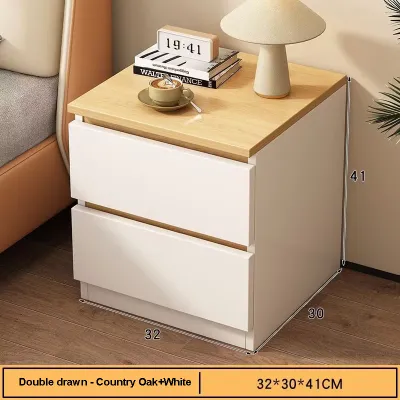
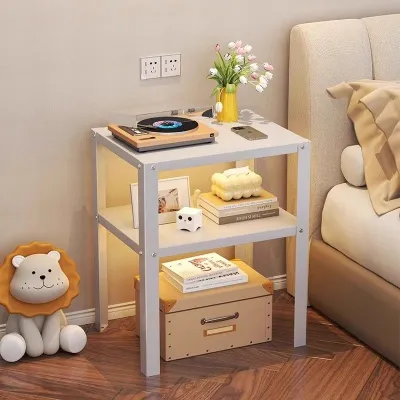
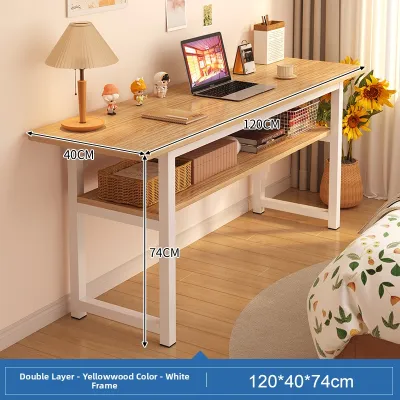
Prices are valid at publication and may change. Please refer to the product page for the latest price.
Furthermore, integrated storage compartments like drawers and cubbies provide the ideal solution for keeping personal essentials out of sight. Items such as sleep masks, chargers, medications, and private journals can be tucked away in enclosed drawers, maintaining a clean and minimalist aesthetic in the bedroom. Open side shelves, on the other hand, offer immediate grab-and-go access to items you use throughout the night or first thing in the morning. This balanced combination of hidden and open storage ensures that your bedroom remains a calm, clutter-free sanctuary conducive to restful sleep.
Key Features to Evaluate When Choosing a Bedside Organizer
Selecting the perfect bedside organizer requires looking beyond aesthetics. Since a nightstand is a piece of furniture you will interact with daily, it is essential to evaluate its structural design, technological features, and material composition to ensure it fits your lifestyle and home environment.

Storage Configurations and Side Shelf Designs
When evaluating different storage configurations, consider your personal habits and the specific items you plan to store. Open side racks are incredibly convenient for quick access, allowing you to slide a book or tablet in and out without opening drawers or doors. However, open shelves are also more susceptible to accumulating dust, which can be a consideration in busy households or urban environments. Enclosed cabinets or drawers, conversely, provide a dust-free environment for sensitive electronics or personal items, though they require more physical clearance to open.
Before purchasing, always check the manufacturer’s specifications for the weight capacity of both the main tabletop and the individual side shelves. Storing heavy items, such as a stack of thick textbooks, a heavy ceramic lamp, or multiple electronic devices, on a shelf that is not rated for high load capacities can lead to sagging, structural warping, or even joint failure over time. Look for designs that feature reinforced brackets or thick panels if you intend to store heavier items.
Integrated Charging and Cable Management
Modern bedside tables frequently feature integrated power solutions to accommodate our daily charging needs. When comparing models, look for built-in charging stations that offer a mix of standard AC electrical outlets, USB-A ports, and USB-C ports. Having these ports directly integrated into the nightstand eliminates the need to run multiple extension cords behind your bed, reducing clutter and minimizing tripping hazards.
Effective cable management is equally crucial. Look for nightstands that feature built-in cable grommets, back channels, or dedicated compartments designed to route wires cleanly from the power source to your devices. This prevents cords from tangling, bending excessively, or slipping behind the bed when unplugged. Most importantly, always verify the electrical specifications directly on the product label or manufacturer documentation. Ensure the integrated power strip is compatible with the standard 220V voltage used in the Philippines, carries appropriate safety certifications (such as the Philippine Standard or Import Commodity Clearance marks, or recognized international safety standards), and is covered by a manufacturer warranty to guarantee safe daily operation.
Material Durability in Humid Climates
The tropical climate in the Philippines presents unique challenges for bedroom furniture, particularly regarding humidity and moisture. High humidity levels can cause low-quality wood composites to swell, warp, or peel, while metal components may rust if not properly treated. Therefore, it is vital to check the manufacturer’s care labels and material specifications rather than assuming a material name alone guarantees long-term durability.
If you are considering engineered wood, such as MDF or particleboard, look for high-density variants with high-quality melamine or laminate finishes. Ensure that all edges feature tight, seamless edge banding to prevent moisture from penetrating the inner core. For nightstands with metal frames or racks, verify that the metal is powder-coated or treated with a rust-resistant finish. Additionally, pay close attention to the quality of the hardware, including drawer glides, hinges, and screws; rust-resistant hardware ensures that drawers will continue to slide smoothly and doors will remain properly aligned, even during the humid rainy season.
Recommended Nightstand Configurations for Different Bedroom Setups
Different bedroom layouts and personal routines demand different furniture configurations. Understanding how to match a nightstand’s design to your specific space can prevent layout mistakes and ensure maximum utility.
Compact Models with Vertical Side Shelves
For studio apartments, smaller guest rooms, or tight spaces next to a bed, compact nightstands with vertical side shelves are the ideal solution. These models are designed with a narrow footprint, typically ranging from 30 to 40 centimeters in width, allowing them to fit into tight corners or narrow gaps between the bed and the wall. By extending upward rather than outward, these tall, narrow units utilize vertical height to provide multiple tiers of storage without encroaching on valuable floor space.
When choosing a compact vertical model, it is crucial to check the height ratio of the nightstand in relation to your bed. The main tabletop should ideally sit level with or slightly below your mattress top to ensure easy access. Because tall, narrow furniture has a higher center of gravity, check if the manufacturer provides wall-anchoring hardware or if the unit features a wide, weighted base. Anchoring the nightstand to the wall is a highly recommended safety measure to prevent accidental tipping, especially if you plan to place heavier items on the upper shelves or if the unit is placed on a carpeted surface.
Wide Console Tables with Multi-Tier Organizers
If you have a spacious master bedroom, a wider console table with integrated multi-tier organizers offers an excellent balance of expansive storage and elegant display space. These wider configurations, often measuring 60 centimeters or more in width, combine deep drawers with extended side shelving units or attached rack organizers. This setup is perfect for individuals who like to keep a variety of items nearby, such as a humidifier, a large reading lamp, decorative items, and a substantial collection of books or magazines.
The primary ergonomic benefit of a wider console design is the clear separation of functional zones. You can designate one side of the table for active electronic charging and daily essentials, while using the other side or lower tiers for long-term storage or decorative displays. However, before investing in a wide console table, it is essential to verify the total width of the unit against your available wall space. Ensure that the extended width does not overwhelm the proportions of your bed, block access to adjacent built-in wardrobes, or interfere with the swing path of bedroom doors or closet panels.
How to Measure Your Space and Ensure a Safe Fit
To avoid the frustration of purchasing a nightstand that is too tall, too wide, or difficult to access, taking precise measurements of your bedroom is a critical step before making any buying decision.
First, measure the height of your bed, including the bed frame and the mattress. For optimal ergonomics, the main surface of your nightstand should be level with or up to 5 to 10 centimeters lower than the top of your mattress. This alignment allows you to naturally reach for items like a glass of water, a phone, or an alarm clock without having to strain your arm upward or bend awkwardly downward from a lying position.
Second, measure the available width and depth next to your bed. Use painter’s tape to outline the footprint of the prospective nightstand on the floor. This visual aid helps you confirm that there is sufficient clearance to walk comfortably around the bed and that any drawers or cabinet doors can open fully without striking the bed frame, adjacent walls, or other furniture. Pay close attention to the depth of the unit; a nightstand that protrudes too far forward can obstruct walking paths and create a constant stubbed-toe hazard in the dark.
Third, do not forget to measure the delivery path. Before ordering, especially for larger, multi-piece side shelf organizers or fully assembled units, measure the width and height of your front door, hallway corners, stairwells, and elevator doors. Ensuring that the packaged furniture can safely navigate these tight passages will prevent delivery headaches and potential damage to your walls or the furniture itself.
Finally, assess the stability and tipping risks of the unit. Tall, narrow side-shelf organizers can become unstable if they are top-heavy or placed on uneven flooring. If you live in an area prone to seismic activity or share your home with active pets or young children, prioritize models that include wall-mounting brackets or strap anchors. Securing the unit to a wall stud ensures it remains upright and safe, even if a child attempts to climb the shelves or a pet bumps into it.
Routine Care and Maintenance for Bedside Organizers
Proper maintenance is key to preserving both the aesthetic appeal and the structural integrity of your bedside organizer, especially when it features integrated electronic components.
Regular dusting is essential for open side shelves and rack organizers. Because these areas are exposed to the air, dust can quickly accumulate on books, decorative items, and the shelves themselves. Use a dry microfiber cloth or a static duster to clean the surfaces at least once a week. For deeper cleaning of laminated or finished wood surfaces, use a slightly damp cloth with a mild, pH-neutral soap solution, immediately followed by a dry cloth to prevent moisture from sitting on the joints or edges.
When cleaning near integrated charging ports and electrical outlets, safety must always come first. Always unplug the nightstand’s main power cord from the wall outlet before performing any cleaning or maintenance. Never spray liquid cleaners, water, or aerosol polishes directly onto or near the electronic ports. Instead, use a dry, clean microfiber cloth or a small, soft-bristled brush to gently remove dust or debris from the port openings. Allow the area to dry completely before plugging the unit back into the wall.
Lastly, establish a routine to check the structural components of your nightstand every few months. Inspect the joints, drawer glides, and hardware to ensure everything remains tight and secure. Daily use can gradually loosen screws and fasteners, which can lead to a wobbly frame or misaligned drawers. Tightening any loose hardware promptly prevents unnecessary wear and tear on the joints, ensuring your bedside organizer remains stable, safe, and fully functional for years to come.
Frequently Asked Questions (FAQ)
Can I add charging ports to a nightstand that doesn't have them?
Yes, you can easily add charging capabilities to a standard nightstand without performing risky DIY electrical modifications. Safe, non-destructive options include using clamp-on desk power strips, adhesive cable organizers, or smart power hubs that sit neatly on a shelf. Avoid drilling into the furniture to install custom wiring or modifying built-in electrical components yourself, as this can compromise the structural integrity of the piece, void the manufacturer’s warranty, and create serious electrical or fire hazards.
What is the ideal height for a nightstand with side shelves?
The ideal height for the main tabletop of a nightstand is generally between 60 to 65 centimeters, which aligns with the average height of most standard mattresses. When choosing a model with multi-tier side shelves, ensure that the highest shelf or top tier does not block your bedside reading lights, obstruct window sills, or interfere with the headboard design. Keeping the top tier slightly below or level with your headboard maintains a balanced visual flow and prevents the furniture from overwhelming your sleeping space.

Community discussion
Share your experience or ask a question. Comments are reviewed before publication.