
For professionals and students setting up a home study in the Philippines, maximizing desk space is a constant challenge. Standard drilling can be a major obstacle, especially if you live in a rented condo or apartment in Metro Manila where landlords strictly prohibit wall modifications. A floating shelf no drill solution offers a practical alternative: it unlocks vertical storage for books, planners, and stationery without leaving permanent holes in your walls. However, choosing the right system requires understanding how different mounting mechanisms interact with tropical humidity and various wall surfaces.
Why No-Drill Floating Shelves Work for Home Study Setups
In a compact home office or study room, desk real estate is highly valuable. When your desk is cluttered with a laptop, secondary monitor, keyboard, and notebooks, your productivity can suffer. Elevating secondary items—like pen holders, reference guides, and decorative plants—onto the wall immediately clears your primary work zone. Floating shelves create a clean, minimalist aesthetic that makes small study spaces feel larger and more organized.
For renters, the primary appeal of a no-drill floating shelf is its damage-free nature. Traditional floating shelves require heavy-duty anchors and deep drilling into concrete or drywall, which can lead to security deposit deductions upon move-out. No-drill alternatives rely on high-strength adhesives, tension systems, or mechanical clamps that can be removed cleanly or packed up when you relocate. This flexibility supports modular, adaptable workspaces. As your study needs change, you can easily reposition these shelves to accommodate new equipment or a different desk layout without patching plaster or repainting.
Products mentioned in this guide
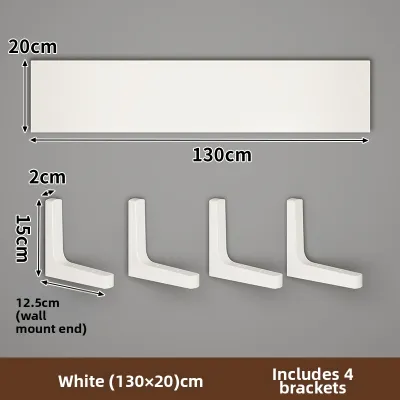
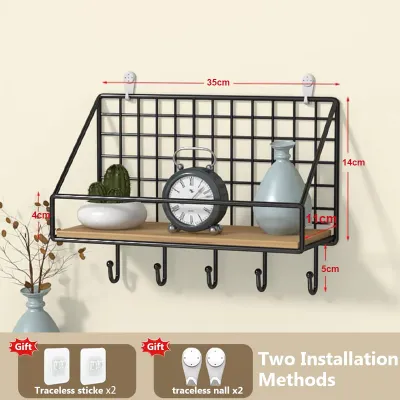
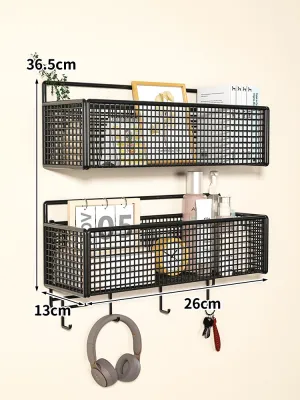
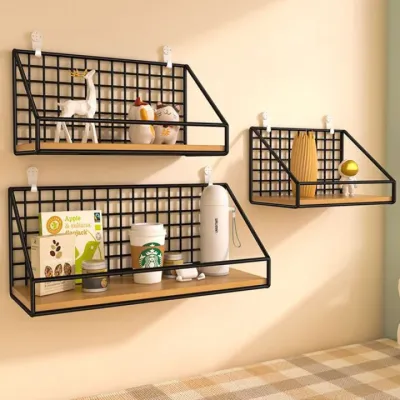
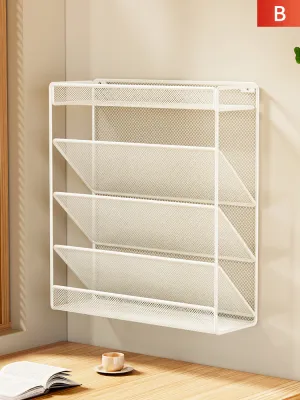
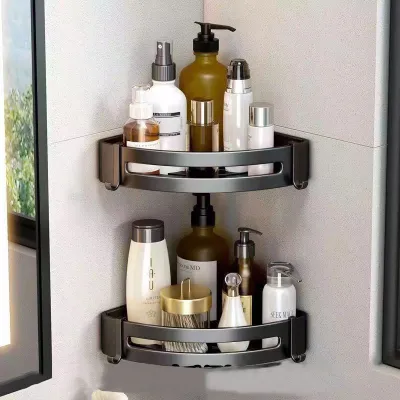
Prices are valid at publication and may change. Please refer to the product page for the latest price.
What to Check Before Buying No-Drill Shelves for Books
Before purchasing any no-drill shelving system, you must evaluate its structural limits against the specific items you plan to store. Books are deceptively heavy, and a failure to calculate loads accurately can result in damaged walls, broken electronics, and ruined study materials.

Weight Capacity vs. Shelf Weight
When manufacturers state a weight capacity, they are referring to the total load the mounting mechanism can support. To find the actual usable capacity, you must subtract the weight of the shelf itself from this maximum rating. For instance, if an adhesive shelf unit weighs 1.5 kilograms and has a rated capacity of 5 kilograms, you can only safely load it with 3.5 kilograms of books. To put this in perspective, a standard 400-page paperback weighs roughly 350 to 500 grams, whereas a thick medical, legal, or engineering hardcover textbook can easily exceed 2 to 3 kilograms. Always weigh your books and study supplies beforehand to ensure you stay well within the net capacity.
Mounting Mechanism
The mounting mechanism determines both the load limit and the visual aesthetic of the shelf. True “floating” designs rely on hidden adhesive backing plates or high-strength double-sided foam tapes that keep the mounting hardware completely out of sight. Other semi-floating options use mechanical support, such as desk-clamp brackets that grip the edge of your study table, or floor-to-ceiling tension poles that secure shelves between your floor and ceiling. While these mechanical options have visible vertical supports, they offer significantly higher weight capacities and are much more reliable for heavy book collections.
Wall and Surface Compatibility
No-drill adhesive shelves are highly sensitive to surface textures. They achieve their maximum grip on smooth, non-porous surfaces such as ceramic tiles, glass, varnished wood, and polished metal. In the Philippines, many home studies feature painted concrete walls or drywall. If the paint is old, chalky, or peeling, the adhesive will bond to the paint layer rather than the wall structure, causing the paint to tear away under load. Textured plaster, wallpaper, and bare concrete are entirely unsuitable for adhesive shelves, as the microscopic air gaps prevent the adhesive from forming a complete bond.
Climate Considerations
The tropical climate of the Philippines introduces unique challenges for adhesive-mounted furniture. High relative humidity and elevated indoor temperatures can soften adhesive polymers, accelerating “creep”—the slow, downward sliding of the adhesive under a constant load. Furthermore, moisture can seep behind the mounting plate, causing untreated wood shelves to warp or cheap metal brackets to rust. When selecting a shelf, look for moisture-resistant backing plates, powder-coated steel or aluminum frames, and high-performance adhesives specifically rated for humid environments. Check the manufacturer’s instructions to verify if the adhesive is rated for tropical conditions.
Space Planning and Dimensions
Before finalizing your purchase, measure your available wall space and compare it with the finished dimensions of the shelf. Ensure that the shelf’s depth does not extend so far that it blocks natural light from windows or obstructs doorway paths and lift access when carrying other furniture. For clamp-on models, check the clearance behind your desk to ensure there is enough space for the clamp brackets to sit flush against the wall without pushing your desk too far forward.
Material and Finish Verification
A material name alone does not guarantee durability or moisture resistance. When evaluating wooden shelves, look for a protective polyurethane or water-resistant sealant finish to prevent warping in humid weather. For metal shelves, check for a rust-resistant powder coating. Inspect the joint construction—welded joints or reinforced screw threads are far more stable over time than simple glued joints, especially under the continuous weight of study materials.
Best No-Drill Shelf Mechanisms for Study Organization
To help you navigate the various options available on online marketplaces in the Philippines, we have categorized the most reliable no-drill shelf mechanisms based on their structural design, load capacities, and ideal study use cases.
Heavy-Duty Adhesive Shelves for Light Books and Stationery
Adhesive-mounted floating shelves are the most visually seamless no-drill option, offering a clean, modern look that mimics permanently installed shelves. They are ideal for organizing light study essentials, such as planners, small notebooks, pen cups, sticky notes, and lightweight decorative items.
To ensure stability, avoid cheap plastic shelves with thin, single-sided liquid glue packets. Instead, look for shelves constructed from rigid acrylic or lightweight aluminum that utilize wide, heavy-duty adhesive patches with a foam core. These foam-core adhesives conform to minor surface imperfections on your wall, distributing the weight more evenly.
However, you must respect their strict limitations. These shelves should never be used to store heavy reference volumes, binders, or expensive electronic devices. If you are mounting them on painted drywall, ensure the paint is fully cured and in excellent condition. If the wall feels cool or damp to the touch, the adhesive may fail to bond properly, so always verify the surface condition before application.
Clamp-On and Tension-Mounted Shelves for Heavy Textbooks
If your study routine involves heavy textbooks, law books, or heavy tech gear like routers and printers, adhesive shelves are not safe. Instead, opt for clamp-on desk shelves or vertical tension-mounted shelving systems. These designs leverage mechanical force rather than chemical adhesion, making them exceptionally stable.
Clamp-on shelves attach directly to the back or side edge of your study desk using adjustable C-clamps. They elevate your books above the desk surface, creating a floating effect without touching the wall. Before buying, measure your desk’s edge thickness and verify the material. Solid wood or thick steel-framed desks are ideal; avoid clamping tightly onto thin hollow-core or particle-board desks, as the concentrated pressure can crush the desk surface.
Tension-mounted shelves utilize a spring-loaded or screw-expandable vertical pole that wedges securely between the floor and the ceiling. Adjustable shelves can then be attached to the pole at various heights. This system is highly stable and can support substantial weight, making it perfect for a floor-to-ceiling home library setup that requires zero drilling. Ensure your ceiling is solid (such as concrete or reinforced drywall) before installing a tension system, as hollow drop ceilings can crack under the upward pressure.
Magnetic and Partition-Mounted Shelves for Metal Frames
For modern, modular study spaces that feature metal-framed desks, steel filing cabinets, or magnetic whiteboards, magnetic and partition-mounted shelves offer an excellent, highly flexible organization solution.
Magnetic floating shelves use powerful neodymium magnets embedded in the backplate to cling to any flat ferrous metal surface. They require zero installation time and can be repositioned instantly. These are highly effective for holding frequently accessed items like reference cards, calculators, charging cables, and headphones right next to your workspace.
Partition-mounted shelves, on the other hand, are designed to hook over the top edge of cubicle dividers, room partition screens, or the high backboards of modular desks. They distribute their weight downward along the partition wall, providing a secure, wobble-free platform for stationery and small binders. When choosing these, measure the width of your partition to ensure the hanger bracket fits snugly without slipping or tilting.
Installation Steps and Safety Checks for Humid Climates
Installing a no-drill floating shelf in a tropical environment requires meticulous preparation to prevent adhesive failure. Follow these systematic steps to ensure a secure, long-lasting installation.
Surface Preparation
Start by thoroughly cleaning the target wall surface. Dust, oils from fingerprints, and ambient moisture will severely weaken any adhesive bond. Wipe the area with a clean microfiber cloth dampened with isopropyl alcohol (70% or higher). Do not use household glass cleaners or multi-purpose sprays, as they often leave behind a thin chemical residue that prevents proper bonding. Allow the surface to dry completely for at least 15 to 20 minutes.
Adhesive Curing Time
Once you apply the adhesive backing plate to the wall, press firmly across the entire surface for at least 30 to 60 seconds to activate the pressure-sensitive adhesive. Do not attach the shelf body or place any weight on the bracket immediately. In the humid climate of the Philippines, adhesives require more time to cure fully. While some manufacturers suggest a 24-hour wait, it is highly recommended to wait 48 to 72 hours before loading the shelf. This extended curing period allows the polymer chains to form a maximum strength bond with the wall surface.
Load Testing
Before placing valuable books, laptops, or fragile decorative items on your new shelf, perform a gradual load test. Start by placing a single, lightweight paperback on the shelf and leave it for a few hours. Gradually add more weight over the course of a day, checking for any signs of movement. This step-by-step approach ensures that if the adhesive or clamp is going to fail, it does so safely without damaging your expensive study equipment.
Routine Inspection
Adhesive bonds can degrade over time due to humidity, temperature fluctuations, and weight stress. Establish a habit of inspecting your shelves every few weeks. Look for visual warning signs, such as a widening gap between the top edge of the mounting plate and the wall, peeling edges, or a slight downward tilt of the shelf. Listen for any creaking or cracking sounds when you place items on it. If you observe any of these warning signs, immediately unload the shelf, remove the mounting bracket, and consult the manufacturer’s care and weight limit instructions for reinstallation or replacement.
Frequently Asked Questions (FAQ)
Can no-drill floating shelves hold a computer monitor?
No, standard adhesive-mounted floating shelves are not safe for supporting a computer monitor. Monitors are heavy, expensive, and concentrate their weight on a small footprint, creating a high leverage force that can easily pull adhesive plates away from the wall. A falling monitor poses a severe safety hazard and will likely result in broken equipment. If you want to elevate your monitor without drilling into the wall, use a dedicated desk-clamp monitor arm or a sturdy tabletop monitor riser designed specifically for this purpose.
How do I remove adhesive shelves without peeling the paint?
To remove an adhesive shelf without damaging your wall, you must soften the adhesive bond before pulling. Use a handheld hairdryer on a medium-high heat setting to blow hot air directly onto the mounting plate for 2 to 3 minutes. This heat will soften the adhesive polymers. Next, take a piece of dental floss, strong fishing line, or a flexible plastic scraper, and gently slide it behind the mounting plate, slicing through the softened adhesive foam core. Once the bracket is off, clean any remaining sticky residue from the wall using a dedicated adhesive remover or a microfiber cloth soaked in warm, soapy water. Note that older, poorly primed, or damp walls may still experience minor paint peeling, so proceed slowly and carefully.

Community discussion
Share your experience or ask a question. Comments are reviewed before publication.