
Finding the perfect balance between productivity and style in a compact home office often comes down to smart storage. Nordic design, with its emphasis on clean lines, light wood tones, and minimalist functionality, offers an ideal solution for small workspaces. However, integrating these sleek pieces into tight layouts requires careful planning to avoid a cluttered, cramped environment.
Selecting the right Nordic shelves involves more than just matching wood finishes to your desk. It requires a clear understanding of your room’s physical boundaries, wall strength, and daily workflow. By focusing on precise measurements and spatial harmony, you can create a highly organized, visually light workspace that inspires focus.
Assessing Your Small Home Office Space
Before browsing online catalogs or visiting local furniture showrooms, you must accurately map out your physical space. Start by measuring the available floor footprint where you plan to position the shelving unit. Use a metal measuring tape to record the width and depth of the floor area, paying close attention to baseboards. Baseboards often project a centimeter or two from the wall, which can prevent a flat-backed bookcase from sitting flush against the wall, potentially causing stability issues.
Products mentioned in this guide
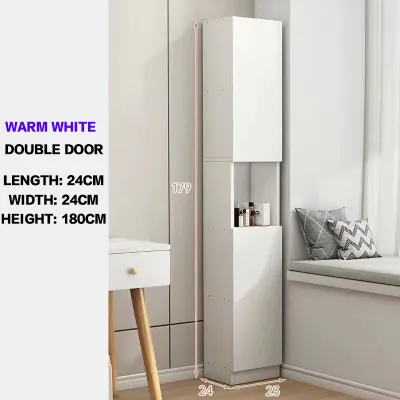
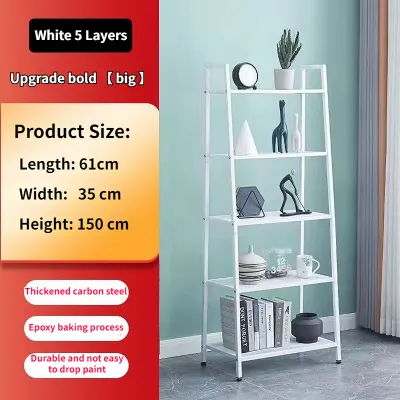
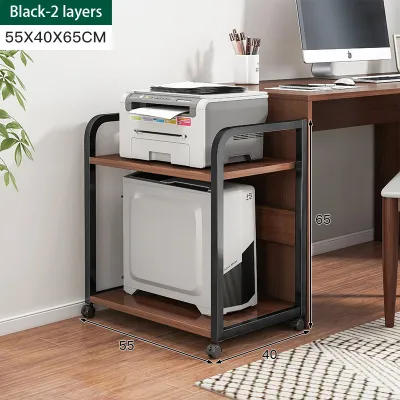
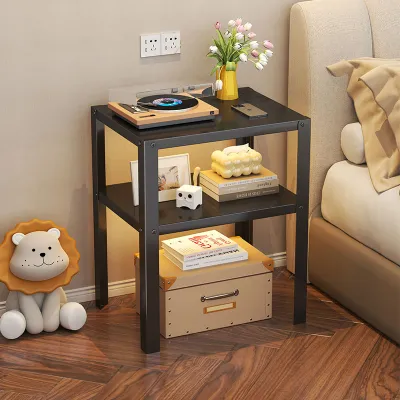
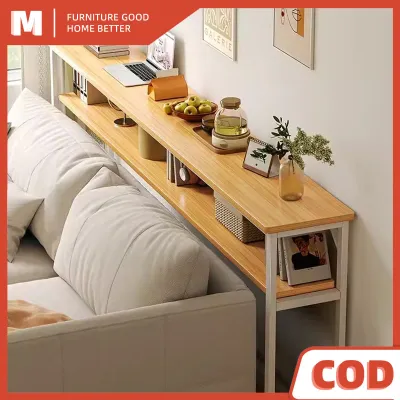
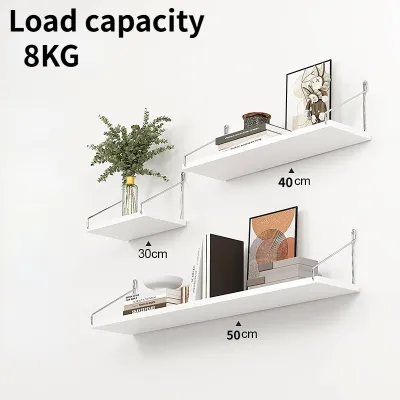
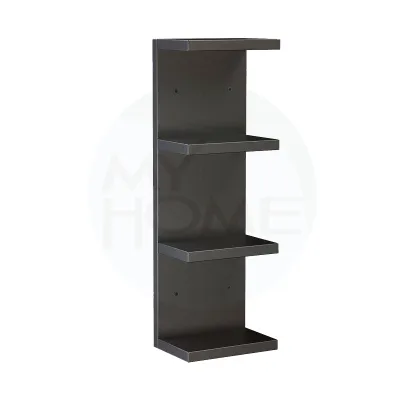
Prices are valid at publication and may change. Please refer to the product page for the latest price.
Next, measure the vertical clearance from the floor to the ceiling, especially if you are considering tall, ladder-style shelves or floor-to-ceiling units. Take note of any wall obstacles such as electrical outlets, light switches, internet ports, or air conditioning units. Blocking these essential fixtures with a heavy wooden shelf will create long-term inconveniences during daily office use.
Do not overlook the logistical journey of the furniture from the delivery truck to your home office. Measure the width of your front door, interior doorways, narrow hallway corners, and stairwells. If you live in a high-rise condominium, check the interior dimensions of the service elevator and consult the building administration regarding maximum furniture dimensions. A beautiful, pre-assembled solid wood shelf is of little use if it cannot clear the elevator ceiling or turn the corner of your hallway.
Finally, inspect the construction of your office walls. In the Philippines, interior walls are commonly made of solid concrete, hollow concrete blocks, or gypsum drywall. Tap the wall to determine its composition; a hollow sound usually indicates drywall, while a solid, dull thud indicates concrete. Concrete walls offer excellent load-bearing capacity but require a masonry drill and heavy-duty wall plugs for installation. Drywall installations require a stud finder to locate the wooden or metal framing behind the plaster, as mounting heavy shelves directly onto unsupported drywall can lead to structural failure.
Choosing the Right Nordic Shelf Configuration
The configuration of your Nordic shelves determines how efficiently your room utilizes its limited square footage. Wall-mounted floating shelves are highly favored in minimalist design because they keep the floor completely clear. By elevating your storage, you maintain a continuous line of sight across the floor, which instantly makes a small room feel larger and more open. These shelves are perfect for displaying light decorative items, small plants, and reference books.

When floor space is exceptionally tight, corner shelves and tall, slim vertical bookcases become invaluable. Corners are frequently underutilized in home offices, yet they can accommodate specialized triangular shelving units that turn dead space into functional storage. Alternatively, a narrow vertical bookcase with a small footprint allows you to store a significant volume of items upward rather than outward, preserving precious floor space for your desk and chair.
To maintain a tidy, distraction-free workspace, aim for a balanced mix of open and closed storage. Purely open shelving can quickly look chaotic if filled with mismatched office supplies, loose papers, and charging cables. Look for Nordic designs that feature open shelves on the upper half and closed cabinets or drawers at the base. This layout allows you to showcase curated items, such as books and potted succulents, at eye level while concealing unsightly office clutter, files, and electronics behind clean, wooden doors.
Another versatile option is the modular shelving system, a hallmark of Scandinavian design. These systems allow you to customize the height and arrangement of individual shelves, drawers, and even integrated desk surfaces. As your home office needs evolve, you can easily reconfigure or expand the setup without needing to purchase entirely new furniture pieces, making it a highly sustainable choice for dynamic workspaces.
Key Dimensions and Capacity Checks
To ensure your selected shelves are both functional and safe, you must verify their physical dimensions against your actual storage needs. Begin by checking the shelf depth. Standard office binders, textbooks, and storage boxes typically require a shelf depth of at least 25 to 30 centimeters. If the shelf is too shallow, your items will protrude over the edge, creating a safety hazard and disrupting the clean, flush aesthetic of Nordic design. Conversely, a shelf that is too deep will unnecessarily encroach on your room’s limited walking paths.
Weight capacity is a critical safety factor that must never be assumed. Always review the manufacturer’s specifications for the maximum load limit per shelf. Keep in mind that a shelf’s actual capacity is heavily dependent on the quality of the wall anchors and the wall material itself. Solid wood shelves are naturally heavier than those made of engineered wood or hollow-core boards, meaning they require more robust brackets and wall mountings even before you place a single book on them.
Additionally, plan for adequate clearance around your active workspace. If you intend to mount shelves directly above your desk, measure the height of your computer monitor, laptop screen, and any articulating monitor arms. Ensure the lowest shelf sits high enough to prevent any physical interference with your screens or your desk lamp. There should also be sufficient clearance so that you do not accidentally bump your head when leaning forward or standing up from your office chair.
Common Sizing and Placement Mistakes to Avoid
One of the most frequent mistakes in small office setups is overloading floating shelves beyond their structural limits. It is easy to underestimate the cumulative weight of books, paper documents, and heavy desk accessories. When floating shelves are mounted to drywall without securing them to the internal studs, or when using cheap plastic wall plugs in concrete, the brackets can slowly pull away from the wall, leading to a sudden and damaging collapse.
Another common error is installing shelves too low or in high-traffic pathways. In a compact room, every centimeter counts, and a shelf protruding at shoulder or head height can cause painful bumps. Carefully map out the movement path of your office chair, ensuring that when you slide back or turn around, you do not collide with the edges of the shelving unit.
Lastly, avoid blocking natural light sources and ventilation pathways. Placing a tall, solid bookcase directly next to a window can cast deep shadows across your desk, forcing you to rely more on artificial lighting. Furthermore, in a tropical climate, blocking the airflow from windows, air conditioning units, or electric fans can trap heat and humidity in your workspace, making the room uncomfortable to work in for extended periods.
Frequently Asked Questions (FAQ)
How high should I install floating shelves above my desk?
For optimal comfort and accessibility, the lowest floating shelf should typically be installed 50 to 60 centimeters above your desktop surface. This height provides ample clearance for standard computer monitors and desk accessories while keeping stored items within easy reach without needing to stand up. Always sit in your office chair and simulate reaching for a shelf to find the most ergonomic height for your specific body proportions.
Can I use solid wood Nordic shelves in humid climates?
Yes, but you must take specific precautions to protect the wood from tropical humidity. Check the manufacturer’s care instructions to ensure the wood has been treated with a moisture-resistant sealant, varnish, or polyurethane finish. Avoid placing solid wood shelves directly against exterior concrete walls, which can transfer dampness and encourage mold growth. Maintaining good room ventilation, using an air conditioner, or running a small dehumidifier will help preserve the wood’s structural integrity and prevent warping over time.

Community discussion
Share your experience or ask a question. Comments are reviewed before publication.