
Open shelves in a home office offer a beautiful, airy aesthetic and keep your essential tools within arm’s reach, but they also present a unique organizational challenge. Without a deliberate storage strategy, these highly visible surfaces quickly accumulate loose papers, tangled cords, and mismatched office supplies, turning a productive workspace into a source of visual stress. The key to mastering open shelf organization lies in selecting the right styles of organizers—such as solid boxes, textured baskets, and structured dividers—to balance functional accessibility with clean visual design. By choosing containers that match both your workflow and the physical limits of your shelving, you can create a streamlined, professional environment that enhances focus and efficiency.
How to Choose the Right Organizer Style for Your Shelves
Before purchasing any storage containers, you must evaluate the specific items you need to store and how often you use them. Begin by categorizing your office supplies into three groups: daily essentials that must remain visible and easily reachable, weekly items that can be kept in semi-open containers, and archival documents or spare electronics that should be completely hidden away. This assessment determines the ratio of open trays, accessible baskets, and closed boxes you will need to purchase, preventing you from buying matching boxes that look appealing but fail to fit your actual workflow.
Balancing visual clutter with hidden storage is essential for maintaining a professional backdrop, especially if your home office doubles as a space for video conferences. A shelf packed entirely with exposed items looks chaotic on camera, while a shelf filled only with identical plastic tubs can feel sterile and uninspiring. Aim for a balanced composition where roughly two-thirds of your storage is closed or semi-closed, leaving the remaining third for open trays, books, and a few curated decorative objects. This approach keeps messy paperwork and hardware out of sight while preserving the open, inviting feel of the shelving unit.
Products mentioned in this guide
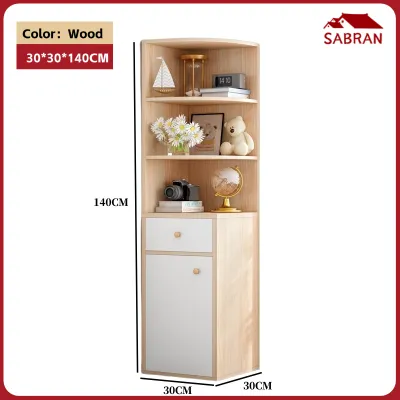
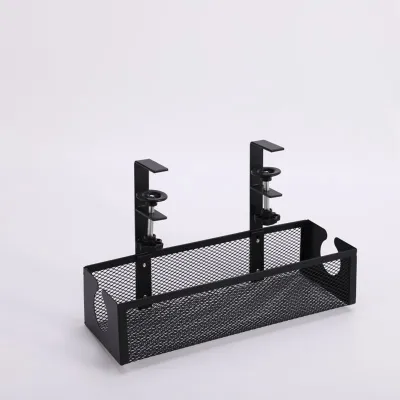
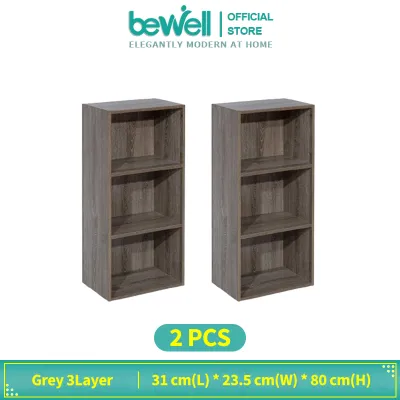
Prices are valid at publication and may change. Please refer to the product page for the latest price.
Accurate physical measurements and weight capacity checks are the foundation of a successful shelf organization project. Use a metal measuring tape to record the exact depth, width, and height clearance of each shelf, accounting for any support brackets or decorative lips that might reduce the actual clearance. Ensure your chosen organizers will sit fully on the shelf without overhanging the front edge, which poses a safety hazard. Additionally, consider the weight of the organizers themselves in addition to the items you place inside them; heavy wooden or metal boxes filled with paper documents can quickly exceed safe limits, causing shelves to bow or pull away from the wall.
Best Organizer Types for a Home Office Setup
Achieving a functional and visually appealing home office requires a thoughtful mix of different organizer styles rather than relying on a single type of container. By combining closed boxes, textured baskets, and precise dividers, you can create a layered look that accommodates various shapes and sizes of office supplies. This variety not only serves different functional needs but also breaks up the visual monotony of the shelving unit, making your workspace feel more dynamic and personalized.

Bins and Boxes for Concealed Storage
Solid bins and lidded boxes are the workhorses of home office organization, serving as the ultimate solution for hiding visual clutter. They are particularly useful for storing items that lack a uniform shape or look inherently messy, such as spare charging cables, external hard drives, routers, and stacks of loose paperwork. By enclosing these items in opaque containers, you instantly create a clean, uniform surface that projects professionalism and order.
When shopping for storage boxes, look for practical features that enhance usability over the long term. Built-in label holders or metal-rimmed card slots on the front of the boxes are incredibly helpful, allowing you to identify the contents at a glance without having to pull down and open every container. Additionally, ensure the boxes feature reinforced handles, such as metal rivets, double-stitched fabric, or cut-out grips. These handles make it much easier and safer to slide the boxes off the shelves, especially when they are filled with heavy paper documents or electronic accessories.
While lidded boxes are excellent for maintaining a tidy appearance, they do come with a trade-off in terms of accessibility. The extra step of removing a lid can become a barrier to maintaining organization; if an item is tedious to put away, it is more likely to be left cluttering your desk. Therefore, reserve lidded boxes for items you do not need to access multiple times a day. Archival tax documents, seasonal supplies, and backup cables are perfect candidates for this type of storage, while daily-use notebooks and pens should be kept in more accessible containers.
Baskets for Texture and Quick Access
Baskets offer an excellent middle ground between open exposure and total concealment, adding warmth, texture, and visual interest to a home office. Unlike rigid plastic or metal boxes, baskets made from woven materials or soft fabrics soften the clinical feel of office equipment, making the room feel more inviting. They are ideal for holding medium-sized items that you need to grab quickly throughout the workday, such as current notebooks, tablet devices, headphones, and loose stationery.
In tropical climates like the Philippines, where high humidity is a constant factor, the choice of basket material requires careful consideration. Natural fibers such as seagrass, water hyacinth, and untreated rattan are highly popular for their organic look, but they can trap moisture and become breeding grounds for mold and mildew if used in rooms without consistent air conditioning or dehumidification. To enjoy the woven aesthetic without the maintenance worries, look for baskets made from synthetic woven polymers or wire. If you prefer fabric, choose breathable, washable canvas or linen, and ensure the room is well-ventilated to prevent musty odors.
Structural rigidity is another key quality to verify when selecting baskets for office use. Many fabric or soft-woven baskets look neat when empty but sag, bulge, or lose their shape entirely when loaded with heavy items like chargers, books, or binders. To prevent a sloppy, worn-out appearance, look for baskets that feature an integrated wire frame sewn into the top rim or those constructed with stiff, reinforced side panels. A sturdy basket will maintain its clean, rectangular or square silhouette even when packed to capacity, ensuring your shelves always look sharp and orderly.
Dividers, Trays, and Bookends for Small Essentials
Not every item in a home office belongs in a deep box or basket; small, loose essentials and active paperwork require a different organizational approach. Shallow trays, vertical dividers, and sturdy bookends are designed to keep these smaller items sorted and accessible without consuming the entire height of your shelves. These low-profile organizers are perfect for maintaining order among items that you use continuously throughout the day.
Shallow trays made of wood, leather, or acrylic are perfect for corralling small gadgets, pens, sticky notes, and paperclips that would otherwise scatter across your desk or get lost at the bottom of a deep bin. By placing these trays on your open shelves at arm’s reach, you keep your desk surface clear while keeping your writing instruments and small tools perfectly organized. Look for trays with internal compartments to keep different types of items separated and easy to grab.
For paper management, vertical dividers and file sorters are indispensable. Placing binders, folders, and thin notebooks flat on a shelf makes them difficult to access, as you have to lift the entire stack to retrieve the one at the bottom. Vertical dividers keep these items upright and separated, allowing you to slide a single folder out smoothly without disturbing the rest. When choosing vertical organizers, ensure they have a wide, stable base and are heavy enough to support the weight of tall binders without tipping over.
Stability is a common issue with lightweight shelf organizers, especially on smooth wooden or laminate shelf surfaces. When you pull a book or folder out, lightweight bookends and dividers can slide out of place, causing the remaining items to collapse. To avoid this frustration, look for organizers equipped with non-slip rubber feet or weighted bases. For heavy books, L-shaped metal bookends are highly effective because the weight of the books rests directly on the horizontal base of the bookend, using the items’ own weight to lock the organizer firmly in place.
Key Features to Check Before Buying
To ensure your chosen organizers fit your physical space and support your daily workflow, it is important to run through a practical checklist before making a purchase. The first step is to verify the exact interior dimensions of the organizers against the items you plan to store. A box may fit perfectly on your shelf, but if its interior width is just a few millimeters too narrow to hold standard letter-sized folders or A4 paper, it will be useless for document storage. Always compare the internal measurements provided by the manufacturer with the dimensions of your largest office essentials.
Material care and dust resistance are also critical factors, particularly for open shelving units which are highly exposed to settling dust. In a home office, dust can accumulate quickly on flat surfaces, especially if you prefer to work with windows open to enjoy a natural breeze. Opaque plastic, metal, and finished wooden boxes can be wiped clean in seconds with a damp microfiber cloth. In contrast, intricately woven baskets or felt bins tend to trap dust in their crevices and fibers, requiring regular vacuuming with a brush attachment to keep them looking fresh. Consider your willingness to perform regular maintenance when choosing highly textured materials.
If you have high clearance between your shelves, look for organizers that offer stackability or modular designs. Stacking boxes allow you to utilize the vertical space that would otherwise go to waste, effectively doubling your storage capacity without requiring a larger footprint. When choosing stackable options, ensure the lids feature a recessed design or a raised lip that locks the base of the upper box securely in place. This prevents the top box from sliding off when you pull the lower one forward, ensuring a safe and stable storage system.
Finally, inspect the overall construction quality, focusing on the joints, seams, and hardware. For cardboard or fabric boxes, look for metal-reinforced corners and heavy-duty stitching that can withstand the friction of being slid in and out of shelves repeatedly. If you are choosing wooden organizers, check that the joints are securely fastened with screws or dowels rather than just light adhesive, which can dry out and fail in warm, humid conditions. Investing in well-constructed organizers ensures they will maintain their functionality and appearance for years to come.
Frequently Asked Questions (FAQ)
How do I stop open shelf organizers from looking cluttered?
To keep your open shelves looking clean and organized, always apply the rule of leaving negative space. Avoid packing your shelves completely from end to end; instead, aim to leave about 20% to 30% of the shelf surface empty. This empty space acts as a visual breather, preventing the shelving unit from feeling heavy or overwhelming.
Additionally, limit the color palette of your organizers to two or three coordinating neutral tones, such as white, grey, beige, or natural wood. A cohesive color scheme minimizes visual noise and helps the containers blend into the background. Finally, break up the monotony of storage boxes by mixing in a few decorative items, such as a small, low-maintenance indoor plant or a framed print, to add personality and warmth to your workspace.
Can I use standard storage boxes on deep open shelves?
Yes, you can use standard storage boxes on deep shelves, but you need to be strategic to avoid wasting space or losing items in the back. One effective method is to use acrylic or wooden shelf risers, which allow you to elevate the boxes placed at the rear, making them visible and accessible over the boxes in front.
Alternatively, you can pull your storage boxes forward so they sit flush with the front edge of the shelf, creating a clean, built-in look. The empty space behind the boxes can then be utilized to hide unsightly items like power strips, excess cables, or seasonal office supplies that you rarely need to access. When loading deep shelves, always place the heaviest items toward the back, closer to the wall supports, to distribute the weight safely and prevent the shelf from bowing.

Community discussion
Share your experience or ask a question. Comments are reviewed before publication.