
Selecting the right organizers box for your move is the difference between a seamless transition and arriving at your new home with damaged belongings. There is no single “best” box; rather, the ideal choice depends on matching the specific physical properties of your items to the material characteristics of the container. For instance, heavy or delicate items require the rigid protection of plastic, while soft textiles are best suited for flexible fabric bins, and general household items belong in classic corrugated cardboard. In a tropical climate like the Philippines, factors like high humidity, sudden heavy downpours, and pest prevention play a massive role in this decision.
By understanding the structural limitations and strengths of each container type, you can prevent common moving disasters like bottom blowouts, crushed valuables, and moisture damage. This guide breaks down how to evaluate your packing needs, match your belongings to the correct container, and verify the quality of your packing materials before loading the moving truck.
How to Choose the Right Organizers Box for Moving
Selecting the perfect organizers box requires evaluating three primary dimensions: weight capacity, structural integrity, and stackability. Overloading a box beyond its design limits leads to structural failure, which can cause the container to collapse and damage items nested underneath. Rather than guessing or estimating by feel, always inspect the manufacturer’s printed specifications for maximum load limits.
Products mentioned in this guide
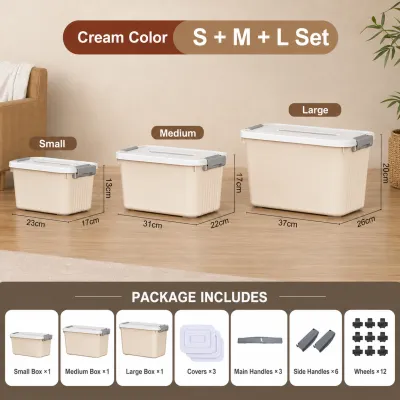
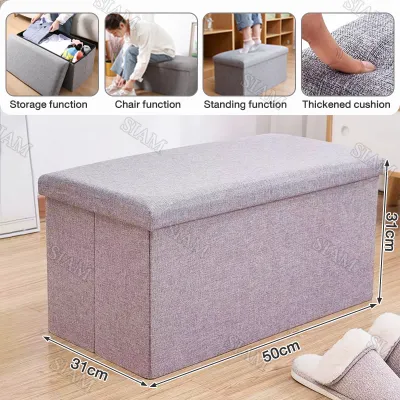
Prices are valid at publication and may change. Please refer to the product page for the latest price.
Moisture and pest resistance are critical factors in tropical and humid climates. High moisture levels in the air can weaken porous materials like cardboard, making them susceptible to tearing and structural decay. Furthermore, insects, termites, and mold thrive in damp, dark environments. Choosing non-porous materials or implementing protective barriers is essential when storing packed items for any length of time before or after the move.
Handling and transport features significantly affect how easily a box can be carried and secured. Look for built-in handles, secure latching lids versus simple friction-fit lids, and overall ergonomics. During transit, boxes are subjected to vibrations, sudden stops, and shifting loads, meaning that a secure lid is vital to prevent spills and protect contents from dust.
Before purchasing any organizers box, measure its outer limits. Ensure the boxes will fit through narrow doorways, tight stairwells, and the specific dimensions of your moving vehicle, whether you are hiring a local truck, an L300 van, or utilizing a personal vehicle. Planning these measurements beforehand prevents logistical bottlenecks on moving day.
Plastic Storage Boxes: Best for Heavy, Fragile, and Humidity-Sensitive Items
Rigid plastic containers are the gold standard for protecting items that cannot withstand pressure or moisture. Ideal candidates for these bins include kitchenware, electronics, important documents, and fragile home decor. These items require a rigid shield against external impact and absolute protection from environmental elements.

The primary advantage of plastic is its exceptional water resistance, which protects your belongings from sudden tropical downpours during loading and unloading. Additionally, their rigid walls allow for secure stacking, especially when utilizing interlocking lid designs that prevent containers from sliding around in a moving truck. Because they are highly durable, these bins offer long-term reusability, transitioning directly into home storage organizers after the move.
However, rigid plastic boxes have a heavier empty weight, which adds to the total load of your move. Their fixed, unyielding dimensions mean they cannot be squeezed into tight corners or slightly overstuffed, requiring precise spatial planning.
When selecting plastic bins, verify the material’s UV resistance and temperature tolerance. In the Philippines, transit vehicles and temporary storage facilities can reach extremely high temperatures under the tropical sun. Some cheaper, non-UV-treated plastics become highly brittle, warp, or crack when exposed to intense heat and sunlight. Check the manufacturer’s material specifications—such as high-density polyethylene (HDPE) or polypropylene (PP) ratings—before purchasing to ensure they can withstand local transport conditions.
Cardboard Moving Boxes: Ideal for Books, Clothes, and Quick Packing
Standard corrugated cardboard boxes remain a staple for general moving needs due to their accessibility and cost-effectiveness. They are ideal for books, clothing, linens, and general lightweight household goods. Books must always be packed in smaller cardboard boxes to prevent the total weight from becoming unmanageable for the carriers.
The primary benefits of cardboard are its lightweight nature, customizability, and ease of labeling. You can easily cut, fold, or reinforce cardboard boxes to fit specific items, and writing room names directly on the sides simplifies the unpacking process. They are also highly cost-effective, typically ranging in broad price bands from ₱30 to ₱150 depending on size and wall thickness.
Despite their convenience, cardboard is highly vulnerable to moisture and high humidity. In tropical climates, cardboard absorbs ambient moisture from the air, which significantly degrades its structural strength and increases the risk of bottom blowouts during lifting.
To ensure safety, check the flute rating and wall construction of the cardboard. Look for double-wall corrugated cardboard for heavy items and single-wall only for very light goods. Always check the Box Maker’s Certificate (BMC) stamp on the bottom of the box for gross weight limits. To prevent structural failure, reinforce the bottom seams using the “H-taping” method—applying heavy-duty packing tape along the center seam and across both side edges.
Fabric and Collapsible Bins: Perfect for Soft Goods and Space-Saving
Fabric and canvas organizer boxes offer a specialized solution for packing soft, non-fragile belongings. They are perfect for clothes, towels, bedding, pillows, and soft toys. These items do not require rigid protection and can naturally conform to the shape of a flexible container.
The main advantages of fabric bins are their exceptional flexibility, lightweight design, and comfortable integrated fabric handles that make carrying easy. Their collapsible nature is a massive benefit, allowing you to fold them completely flat for space-saving storage once the move is complete. This makes them highly convenient for return trips or for keeping on hand without cluttering your new home.
However, fabric bins lack a rigid internal structure. They cannot be stacked high in a moving truck without collapsing, and they offer zero crush protection for fragile items. Placing heavy objects on top of fabric bins will result in damaged contents and deformed containers.
Before choosing fabric bins, inspect the quality of the fabric and construction. Look for reinforced stitching at the handle attachment points, sturdy base inserts (such as thick cardboard or plastic boards that slide into the bottom), and zippered lids. Verify if the fabric is treated with a water-resistant coating or dust-resistant weave to protect your textiles from dust and light moisture during transit.
Specialty and Stackable Organizers for Specific Belongings
Wardrobe Boxes
Wardrobe boxes are specifically designed with a built-in metal or heavy-duty plastic hanging bar. These allow you to transfer clothes directly from your closet to the box on their hangers, preventing wrinkles and saving hours of packing time. Before purchasing, verify the hanging bar’s weight limit and check the overall height of the box to ensure it fits upright inside your moving vehicle’s cargo area.
Modular Stackable Bins
Modular stackable bins are excellent for organizing small parts, tools, hardware, or craft supplies that would otherwise get lost in a large box. When selecting these, pay close attention to the locking mechanisms that keep drawers or lids shut. Verify that the drawers remain stable and locked when fully loaded so they do not slide open and spill their contents during sudden stops in transit.
Divided Organizers
Divided organizers are ideal for packing glassware, delicate porcelain, or small electronics. The internal dividers prevent items from knocking against each other, reducing the risk of friction-induced cracks. Ensure that the dividers are adjustable to fit your specific items snugly, and check that the dividing walls provide adequate padding or can be supplemented with bubble wrap.
Quick Comparison: Which Box Type Fits Your Items?
A quick comparison of the primary organizer box types helps streamline your packing strategy and ensures each item category receives the appropriate level of protection.
| Box Type | Best For | Stackability | Moisture Resistance | Key Checking Point |
|---|---|---|---|---|
| Rigid Plastic | Electronics, kitchenware, fragile decor, documents | High (interlocking lids) | Excellent (waterproof) | Check UV/heat resistance and latch security |
| Corrugated Cardboard | Books, general household goods, lightweight items | Medium (if double-walled) | Low (absorbs humidity) | Check flute rating, weight limits, and use H-taping |
| Fabric & Collapsible | Clothing, bedding, pillows, soft toys | Low (cannot stack heavy loads) | Moderate (depends on fabric treatment) | Verify reinforced stitching and base inserts |
| Specialty (Wardrobe/Modular) | Hanging clothes, tools, small parts, glassware | Varies (refer to manufacturer specs) | Varies by material | Check hanging bar limits and drawer locking stability |
Frequently Asked Questions (FAQ)
Can I use regular household storage bins for moving?
Everyday decorative storage bins, woven baskets, or thin plastic organizers are designed for static closet storage, not the dynamic stresses of transit. They often lack the structural integrity, heavy-duty latching mechanisms, and load capacity required for stacking in a moving truck. Always check the bin’s structural rating and material thickness before using it for a move, and avoid using brittle decorative plastics altogether.
How do I prevent cardboard boxes from failing in humid weather?
To protect cardboard organizers box units from tropical humidity, use heavy-duty plastic liners or trash bags inside the box to wrap sensitive items before sealing. Avoid placing cardboard boxes directly on damp concrete floors; instead, elevate them on wooden pallets, plastic tarps, or rubber mats. Do not overpack boxes beyond their rated capacity, as humid air softens the cardboard fibers and accelerates structural collapse under stress.

Community discussion
Share your experience or ask a question. Comments are reviewed before publication.