
Moving to a new home requires careful planning, and how you pack your belongings directly impacts how smoothly the transition goes. While cardboard boxes are the standard, using the right organizer rack can revolutionize your packing and moving process. The most reliable organizer racks for moving are those that combine high structural stability, modularity, and ease of disassembly. Heavy-duty plastic utility shelves and collapsible metal wire racks are highly effective choices because they withstand the physical stresses of transit, protect your items from tropical humidity, and transition seamlessly into your new living space.
Selecting the right rack is not just about finding temporary storage; it is about choosing a system that can survive being loaded, transported, and unloaded. By focusing on specific materials and design features, you can protect your investments and make the unpacking process at your new home significantly faster.
Core Features to Look for in a Moving Organizer Rack
To survive the physical demands of a house move, an organizer rack must possess exceptional structural integrity. Moving vehicles are subject to constant vibrations, sudden stops, and bumpy roads, all of which put immense stress on furniture joints. A rack with weak connections or thin framing can easily buckle under pressure. Look for racks with reinforced joints, boltless interlocking systems, or heavy-duty steel frames that remain rigid even when fully loaded.
Products mentioned in this guide
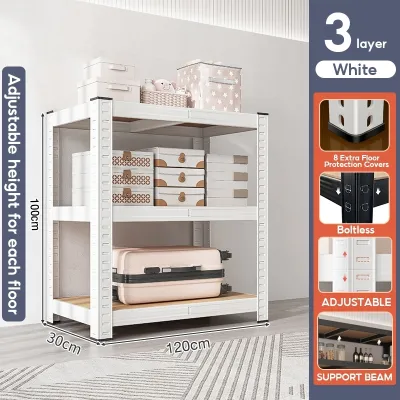
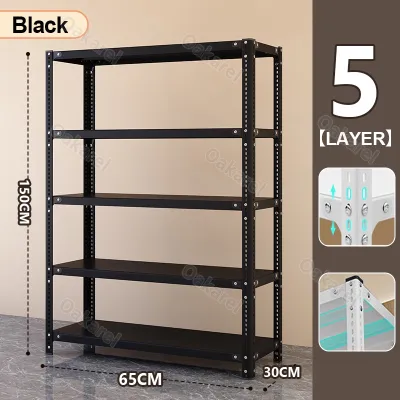
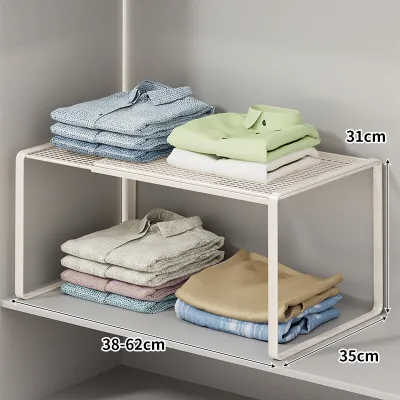
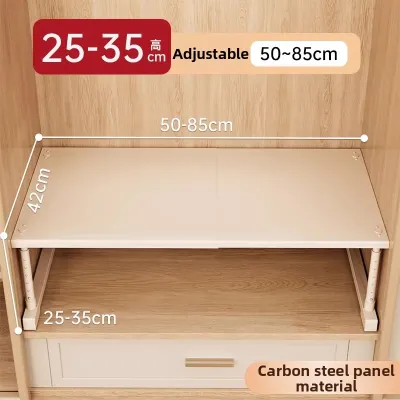
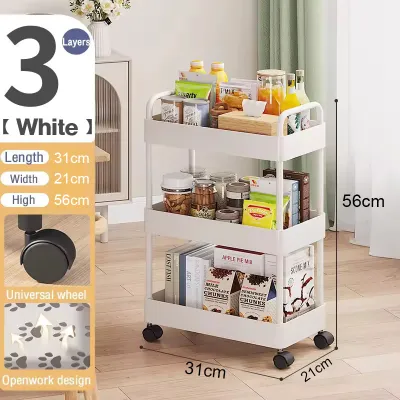
Prices are valid at publication and may change. Please refer to the product page for the latest price.
Time is of the essence on moving day, so ease of assembly and disassembly is another critical feature. Racks that require complex tools, tiny screws, or hours of labor will slow down your packing schedule. Instead, prioritize designs that feature tool-free assembly, such as slip-sleeve collars on metal posts or snap-together plastic joints. This allows you to quickly break down the racks for transport and rebuild them immediately upon arrival.
Finally, your chosen rack must help protect your belongings from environmental hazards. In tropical climates like the Philippines, sudden downpours, dust, and high humidity are common challenges during transit. A highly suitable moving rack should have a design that easily accommodates protective covers, industrial stretch wrap, or heavy-duty plastic bin inserts to shield your items from moisture and road grime.
Evaluating Rack Materials for Transit Durability
Metal wire racks are highly favored for their exceptional load-bearing capacity and structural rigidity. They are excellent for holding heavy boxes, kitchen appliances, and tools. However, when using metal wire racks in humid environments, it is crucial to check the quality of the finish. Look for powder-coated or chrome-plated finishes that resist rust. Additionally, because wire shelves have open gaps, small items can easily slip through or snag. To prevent this, use plastic shelf liners, heavy cardboard sheets, or storage bins on each tier.

Heavy-duty plastic racks offer a lightweight, rust-proof alternative that is highly suitable for tropical climates. They are highly resistant to water damage and are incredibly easy to wipe clean if they collect dust during the move. When selecting plastic racks, inspect the thickness and grade of the plastic. Low-quality plastics can become brittle and crack under heavy loads or when exposed to high temperatures inside a closed moving truck. Look for high-density polyethylene (HDPE) or reinforced polypropylene options.
Fabric or canvas shelving units are incredibly portable and can be folded flat when empty, making them easy to pack away. However, their use is strictly limited to lightweight, non-fragile items such as clothing, towels, and linens. They offer no structural protection against physical impacts and will sag or tear if overloaded. Use these as secondary organizers rather than primary transport units.
Wood or engineered wood racks are generally discouraged for active transit. Solid wood is extremely heavy, adding unnecessary weight to the moving truck and making lifting difficult. Engineered wood, such as particle board or medium-density fiberboard (MDF), is highly susceptible to water damage, warping, and chipping. Furthermore, the screw holes in engineered wood often strip during disassembly, making it difficult to reassemble the rack securely at your destination. Save these materials for permanent, post-move installations.
Design and Portability Features for Efficient Moving
Foldable or collapsible frames are a game-changer for moving efficiency. Some metal and utility racks are designed with pre-hinged frames that fold flat without requiring complete disassembly. This feature saves valuable space in the moving vehicle when transporting empty racks or during return trips, allowing you to maximize the available volume for other furniture.
Stackable modular units provide excellent flexibility. These systems allow you to stack individual tiers to match the height of your moving vehicle or separate them into smaller units to fit into tight spaces. When using modular racks, ensure that the interlocking pegs or connectors are robust and secure. It is wise to wrap the joints with heavy-duty tape or securing straps during transit to prevent the modules from separating.
Lockable casters or wheels make moving heavy loads across flat surfaces—such as garage floors, hallways, and paved driveways—much easier. However, wheels present a significant safety hazard inside a moving truck. If left unsecured, a rolling rack can damage other furniture or the truck walls. Always choose racks with removable casters, or ensure the wheels can be locked securely. Removing the wheels entirely during transit is the safest practice.
Integrated handles or grip points are often overlooked but are essential for safe lifting. Molded handles on plastic shelving or clear, unobstructed grip zones on metal frames allow you to lift and carry the racks safely. This reduces the risk of hand fatigue, pinched fingers, or accidental drops during the hectic loading process.
Matching Rack Types to Your Household Belongings
Heavy books, tools, and kitchenware demand maximum stability and weight capacity. For these items, rely on rigid, reinforced metal wire racks or thick, industrial-grade plastic shelving. Always place the heaviest items on the bottom shelf to keep the center of gravity low, which prevents the rack from tipping over during sharp turns.
Clothing and linens are effectively managed using specialized garment racks or multi-tier fabric organizers. Garment racks with zippered fabric covers are particularly useful, as they allow you to transfer clothes directly from your closet on their hangers. This eliminates the need to fold, pack, and iron your wardrobe, saving hours of preparation time.
Fragile decor and electronics should never be placed loosely on open shelves. Instead, pair your organizer racks with secure, lidded plastic bins. Place the fragile items inside the bins with ample bubble wrap or packing paper, stack the bins on the rack, and use heavy-duty straps or stretch wrap to lock the bins securely to the rack frame.
Daily essentials and “open-first” boxes—which contain toiletries, basic kitchen utensils, chargers, and basic tools—should be ideally placed on an easily accessible, open-wire rack. Position this rack near the doors of the moving truck so it is the first thing unloaded. This ensures you have immediate access to your essentials without having to search through dozens of sealed boxes.
Safe Loading and Securing Racks for the Moving Truck
Before loading any organizer rack, always check the manufacturer’s specified weight limits. Exceeding these limits compromises the structural integrity of the rack and increases the risk of collapse. Distribute the weight evenly across all shelves, keeping the heaviest items at the bottom and the lightest items at the top.
To prevent items from shifting or falling off the shelves during transit, secure them thoroughly. Wrap the entire loaded rack in several layers of industrial stretch wrap. This holds everything in place and provides a barrier against dust and light moisture. For heavier items, use bungee cords or ratchet straps to anchor the belongings directly to the rack’s vertical posts.
Any removable parts, such as hanging hooks, side baskets, or loose shelves, should be disassembled before loading. Pack these small components into labeled plastic bags and tape them securely to the main frame of the rack. This prevents them from rattling loose, getting lost, or scratching other items in the truck.
When positioning the racks inside the moving vehicle, place them flat against the truck walls. Use heavy-duty tie-down straps to secure the rack frames to the truck’s anchor points. Never place heavy, loose boxes on top of lightweight racks, and ensure the racks are positioned so they do not tip over or block access to other critical items.
Frequently Asked Questions (FAQ)
Can I use my existing daily organizer racks for moving?
Yes, but you must carefully evaluate their structural condition first. Inspect the joints for wobbling, check metal frames for rust or bent parts, and look for stress cracks in plastic connectors. If a rack is already showing signs of wear, the intense vibrations of a moving truck can cause it to fail completely, potentially damaging your belongings. If in doubt, it is safer to disassemble the rack completely and pack it flat, or upgrade to a sturdier utility model.
How do I prevent wire racks from damaging other items in the truck?
The hard metal edges and open wire structure of these racks can easily scratch wooden furniture, tear fabric upholstery, or puncture cardboard boxes. To prevent damage, wrap the corners and outer edges of the wire rack in thick moving blankets, bubble wrap, or cardboard corner protectors. Secure these protective layers tightly with packing tape or stretch wrap before loading the rack into the truck.
Are rolling organizer racks safe to transport with wheels attached?
Transporting racks with wheels attached is generally not recommended unless they are securely immobilized. The vibrations of the moving truck can cause even locked casters to slide or fail. The safest approach is to remove the wheels entirely and pack them in a labeled bag. If the wheels cannot be removed, lock the casters, place the rack on a non-slip surface, and use heavy-duty ratchet straps to secure the frame tightly to the truck walls.

Community discussion
Share your experience or ask a question. Comments are reviewed before publication.