
Setting up a balcony bar in the Philippines requires balancing tight space constraints, intense tropical weather, and the flexibility to pack up your setup when severe weather approaches. Whether you live in a high-rise condominium in Metro Manila or a coastal apartment in Cebu, a high-quality folding table portable outdoor design serves as the ideal foundation for an outdoor relaxation spot. By choosing a table that can fold flat, resist high humidity, and stand stable against sudden wind gusts, you can transform a modest balcony into a functional social hub without permanently sacrificing precious floor space.
While permanent outdoor furniture can crowd narrow balconies and deteriorate quickly under the tropical sun, a portable folding table offers a highly adaptable alternative. It allows you to set up a temporary dining or drinking space for weekend entertaining and easily store it away during the workweek or ahead of a heavy monsoon downpour. To find the best option for your home, you must evaluate specific structural designs, material finishes, and spatial requirements tailored to the unique climate and architectural layouts of Philippine residences.
Key Features to Evaluate in a Balcony Bar Folding Table
Selecting the right outdoor folding table involves looking beyond basic aesthetics. Because balconies are exposed to the elements and often have limited footprints, your chosen table must meet strict functional standards to ensure safety, durability, and comfort.
Products mentioned in this guide
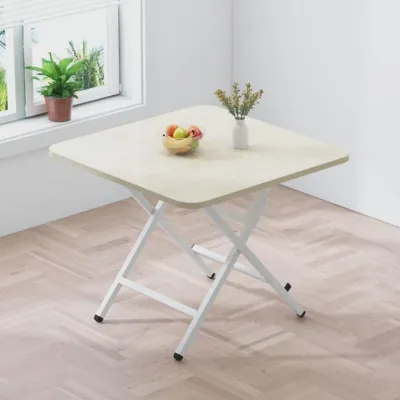
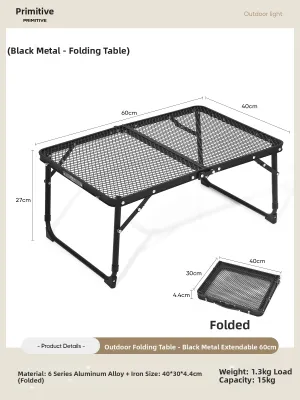
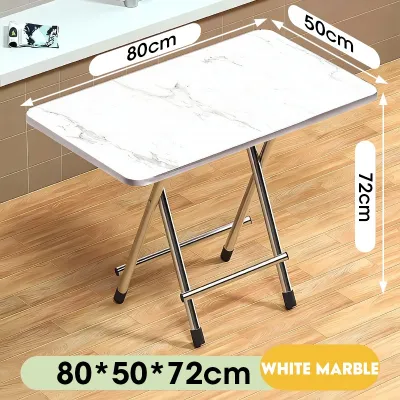
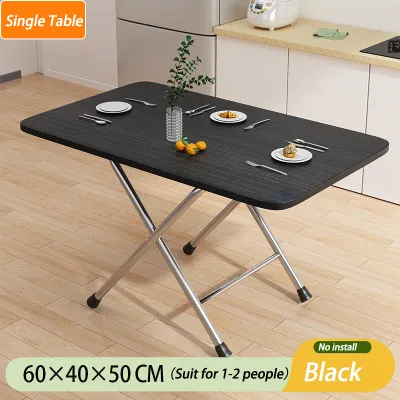
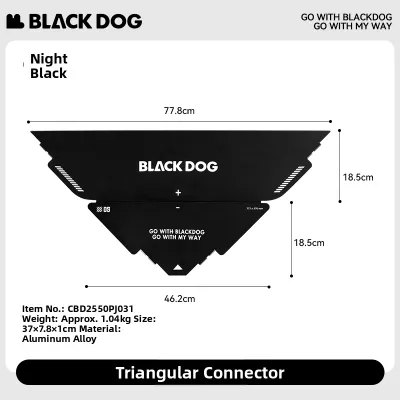
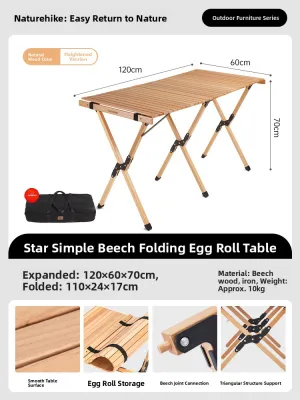
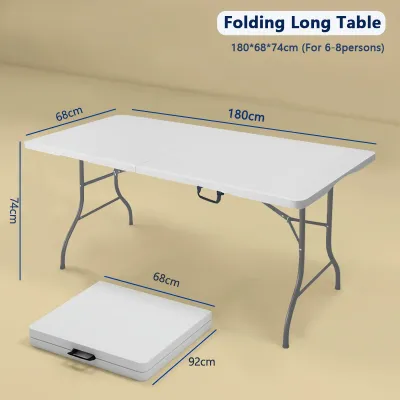
Prices are valid at publication and may change. Please refer to the product page for the latest price.
Stability and Weight Capacity
Balcony floors are often slightly sloped to allow rainwater to drain toward floor wastes, meaning your table must have a highly stable base to prevent rocking. Furthermore, high-rise balconies are subject to significant wind shear, which can easily tip over lightweight, poorly balanced furniture. When setting up a balcony bar, your table will need to support heavy glassware, filled bottles, ice buckets, and cocktail shakers, as well as the weight of guests leaning against the surface. Always check the manufacturer’s specified weight limits and look for designs featuring wide leg spreads, robust locking pins, and non-slip rubberized feet that grip slick outdoor tiles securely.
Weather-Resistant Finishes
The Philippine climate presents a harsh combination of intense UV exposure, high relative humidity, and heavy seasonal rainfall. Do not rely solely on generic material names like “wood” or “metal” as a guarantee of durability; instead, verify the specific protective finishes applied to the product. For metal tables, seek out thermoset powder coatings or galvanized steel fasteners that prevent rust from developing at joint connections. For wooden tables, look for marine-grade polyurethane sealants or specialized outdoor oils that repel moisture. If choosing synthetic materials, ensure the product uses UV-stabilized high-density polyethylene (HDPE) to prevent the surface from yellowing, cracking, or becoming brittle under intense sunlight.
Portability and Folding Mechanisms
The primary advantage of a portable table is the ability to move and store it with minimal effort. Evaluate how the table folds: does it fold completely flat, or does it retain a bulky profile? Look for user-friendly folding mechanisms, such as smooth-glide hinges, pinch-free locking rings, and integrated carrying handles. The overall weight of the table should be manageable for a single person to carry, yet heavy enough that it will not slide or shift with a light breeze. If you plan to store the table in a narrow utility closet or behind a door, measure the folded thickness to ensure a seamless fit.
Aesthetic and Height Compatibility
To create a comfortable bar experience, the height of your folding table must align with your seating. Standard bar stools typically feature seat heights between 28 and 32 inches, which require a bar table height of 40 to 42 inches. If you prefer a slightly lower counter-height setup, look for a table height of 34 to 36 inches. Additionally, consider how the table’s design complements your existing balcony decor. Whether your style is tropical modern, industrial, or minimalist, selecting a cohesive color palette and material finish will make your balcony bar feel like an intentional extension of your indoor living space.
Best Folding Table Styles for Balcony Bar Setups
Different balcony layouts require different structural configurations. By understanding the strengths and limitations of various folding table styles, you can select a design that maximizes both floor space and usability.

Bistro-Style Folding Tables
Bistro-style folding tables are classic, freestanding options that typically feature a round or square tabletop supported by a central pedestal or a cross-legged frame. These tables are highly favored for their classic, casual aesthetic and exceptional portability.
- Pros and Use Cases: These tables offer a highly compact footprint, making them excellent for small balconies or cozy setups designed for two people. They are incredibly easy to deploy, fold, and lean flat against a wall when you need to clear the balcony floor for cleaning or plant maintenance.
- Limitations: The primary drawback of a bistro table is its limited surface area. It can easily accommodate two drinks and a small plate of appetizers, but it will quickly become crowded if you attempt to set up a full bar array, including ice buckets, multiple bottles, and glassware.
- Selection Tips: Prioritize models that feature a weighted base or wide-angled legs to lower the center of gravity and prevent tipping in breezy conditions. Additionally, look for rubber feet to protect your balcony tiles from scratches and reduce sliding.
Wall-Mounted Drop-Leaf Tables
Wall-mounted drop-leaf tables are semi-permanent fixtures that mount directly to a wall or solid partition. The tabletop is held up by folding brackets and can be dropped down to hang flat against the wall when not in use.
- Space Efficiency: This style is the ultimate space-saving solution for exceptionally narrow balconies. When folded down, it frees up virtually 100% of the balcony floor space, allowing for unobstructed movement and easy cleaning.
- Installation Requirements: Installing a wall-mounted table requires careful preparation. You must verify the structural material of your balcony wall. Solid concrete or brick walls are ideal and require heavy-duty masonry anchors and stainless steel screws to support the weight. If your wall consists of hollow concrete blocks (CHB), you must use specialized toggle bolts. Always check the manufacturer's weight rating for both the brackets and the table surface before installation.
- Limitations: Because these tables require drilling into the wall, they are generally not suitable for renters or balconies with glass partitions. They also lack portability, as they cannot be moved to different areas of the home once installed.
Folding Console and Half-Moon Tables
Folding console and half-moon tables feature a flat back edge designed to sit completely flush against a wall or a balcony railing. This geometric design is highly effective for maximizing linear space.
- Railing Compatibility: By placing the flat edge of the table directly against your balcony railing, you can create a seamless outward-facing bar. This layout allows you and your guests to sit side-by-side, enjoying the city skyline or sunset view while drinking.
- Safety and Stability: Because the center of gravity on these tables can shift toward the outer edge when loaded with heavy items, stability is paramount. Look for models that feature secure leg-bracing systems or those that can be temporarily secured to the balcony railing using heavy-duty straps or clamps to prevent tipping during high winds.
- Clearance Checks: Before purchasing, measure the height of your balcony railing. If you plan to place the table flush against the railing, ensure the tabletop sits at a height that does not block your view or interfere with the structural top cap of the railing.
How to Measure and Plan Your Balcony Space
Before purchasing a folding table, taking precise measurements of your balcony is essential to ensure a safe, comfortable, and functional layout. Proper planning prevents the frustration of buying furniture that blocks doors or leaves no room for movement.
Usable vs. Total Space
When planning your layout, do not rely solely on the total dimensions listed on your home’s architectural blueprint. Balconies often house essential household utilities, such as air conditioning condenser units, drain pipes, laundry drying racks, or large potted plants. Measure only the clear, unobstructed floor area where you can realistically place furniture. Be sure to account for the hot air exhaust blown by air conditioning condensers, as placing your bar seating directly in the path of this exhaust will make the space uncomfortable to use.
Chair and Walkway Clearance
To ensure a comfortable seating experience, you must leave adequate space behind your bar stools. As a general rule, allow at least 90 centimeters of clearance behind the table to pull out bar stools and sit down comfortably. Additionally, maintain a clear walkway of at least 60 centimeters between the edge of the seating area and any other obstacles, ensuring safe and easy access to the balcony door at all times.
Door and Pathway Verification
A common oversight is purchasing a table that fits the balcony but cannot easily be brought outside. Measure the width and height of your balcony door frame to ensure the table can pass through, whether folded or unfolded. If you live in a condominium, also verify the dimensions of your building’s elevators, tight hallway corners, and entry doors to avoid delivery issues.
Railing and Overhang Checks
If you are considering a hanging or clamp-on folding table, measure the exact thickness and profile of your balcony railing, as many mounting brackets are designed only for standard square or round metal railings. Additionally, check for overhead concrete overhangs or low ceilings. If your balcony is highly exposed to the sun, you may want to ensure there is enough vertical clearance to install a small outdoor umbrella or that the table features a built-in umbrella hole.
Maintaining Your Outdoor Table in Humid Weather
To prolong the life and appearance of your folding table in the humid Philippine climate, establishing a regular maintenance routine is essential. Proper care prevents premature rusting, wood rot, and material degradation.
Routine Cleaning
After every use, wipe down the tabletop and frame with a soft microfiber cloth, warm water, and mild dish soap. This simple step removes salt air deposits (particularly in coastal areas), atmospheric dust, pollen, and sticky drink spills. Avoid using abrasive scrubbing pads, steel wool, or harsh chemical cleaners containing bleach or ammonia, as these can strip away protective UV coatings, paint finishes, and wood sealants.
Joint and Hinge Care
The high relative humidity in the Philippines accelerates the oxidation of metal components. Inspect the hinges, screws, and folding mechanisms of your table at least once a month for any signs of stiffness or early rust development. Apply a light coat of a manufacturer-approved silicone lubricant or anti-rust spray to keep the folding action smooth and prevent the joints from seizing. Always wipe away any excess lubricant to prevent it from dripping onto your balcony floor.
Monsoon and Heavy Rain Protocols
During typhoon season or periods of prolonged heavy monsoon rains (Habagat), do not rely solely on weather-resistant claims. The safest practice is to fold the table and store it indoors or in a dry utility closet. If indoor storage space is unavailable, fold the table and place it in a sheltered corner of the balcony, then cover it with a heavy-duty, breathable, waterproof furniture cover. Ensure the cover is securely fastened with wind-resistant straps or buckles to prevent it from blowing away during intense storms.
Surface Inspection
Periodically inspect the surfaces of your table for signs of wear. For wooden tables, look for hairline cracks, splintering, or fading, and follow the manufacturer’s care label instructions for re-applying protective outdoor oils or varnishes. For metal or synthetic tables, check for chipped paint, deep scratches, or yellowing. If you notice exposed metal on a steel frame, touch it up immediately with an outdoor-grade rust-inhibiting paint to prevent rust from spreading beneath the surrounding finish.
Frequently Asked Questions (FAQ)
Can I leave a folding table outside during the rainy season?
Leaving a folding table fully exposed to the elements during the rainy season is highly discouraged. Even tables constructed with high-quality weather-resistant finishes can experience accelerated degradation when subjected to constant heavy rain, high humidity, and standing water. Over time, prolonged moisture exposure can rust metal fasteners, warp wooden components, and degrade protective coatings. To maximize the lifespan of your table, fold it and store it indoors or in a dry, covered area when not in use, or protect it with a high-quality, breathable outdoor furniture cover.
How much weight can a typical portable balcony table hold?
The weight capacity of a portable balcony table varies significantly depending on its structural design, frame material, and overall build quality. Lightweight plastic folding tables typically support between 15 and 30 kilograms of evenly distributed weight. In contrast, heavy-duty steel-framed or solid hardwood tables can often support 50 kilograms or more. To ensure safety and prevent structural failure, always consult the manufacturer’s official product specifications on the packaging or instruction manual, especially if you plan to place heavy items like ice buckets, ceramic platters, or multiple glass bottles on the table.

Community discussion
Share your experience or ask a question. Comments are reviewed before publication.