
Finding the best queen-size headboard in the Philippines requires balancing personal style, physical comfort, and the unique demands of a tropical climate. A standard queen-size bed, measuring 60 inches wide, serves as the anchor of most modern Filipino bedrooms. Choosing the right headboard involves deciding between the plush comfort of upholstered panels, the timeless warmth of solid wood, the breezy ventilation of natural rattan, or the space-saving simplicity of metal.
The ideal choice must fit your lifestyle, your room’s airflow, and your willingness to perform regular maintenance. Because a headboard is a long-term investment, understanding how different materials react to local humidity levels and how to measure your space accurately will ensure you make a purchase that looks beautiful and lasts for years.
Quick Guide: Matching Your Headboard to Your Bedroom
Selecting a queen-size headboard involves three primary decisions: matching your existing bed frame, accommodating your room’s physical proportions, and selecting materials suited to the local climate. A mismatched headboard can cause structural instability or look visually awkward in a small space. Before browsing designs, inspect your current bed frame to see if it has pre-drilled brackets for attachment, or if you will need a freestanding or wall-mounted model.
Products mentioned in this guide

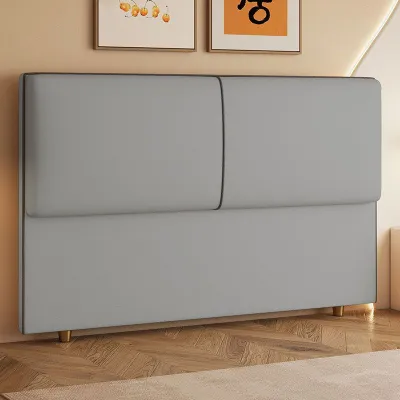

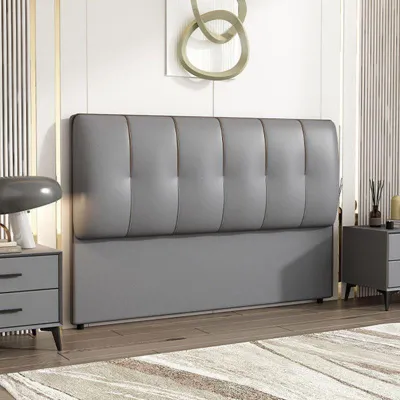

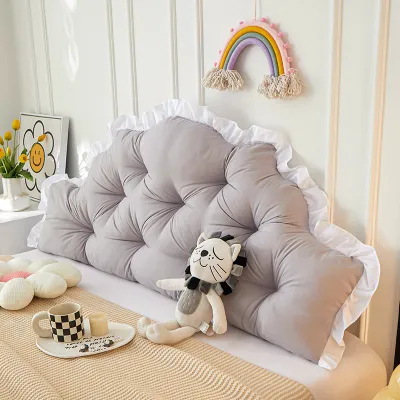
Prices are valid at publication and may change. Please refer to the product page for the latest price.
Your bedroom’s physical environment should dictate your material choices. In high-humidity coastal areas or homes without continuous air conditioning, moisture-resistant materials like treated solid wood, powder-coated metal, or natural rattan are highly practical. If your bedroom is air-conditioned and you prioritize cozy comfort for reading or working in bed, an upholstered headboard is an excellent option.
The “best” headboard is entirely subjective and depends on your primary daily needs. If you prioritize easy cleaning and a minimalist aesthetic, a metal or wood headboard is ideal. If you want a dramatic visual statement and a soft surface to lean against, upholstery is the clear winner. This guide evaluates these diverse styles, sizing requirements, and purchasing channels to help you find the perfect fit for your home.
How to Evaluate Quality, Style, and Value
Evaluating a headboard goes beyond comparing initial price tags. To find a high-quality piece that offers genuine value, you must assess how the materials are treated, how the piece is constructed, and what kind of long-term maintenance it will require.

Material and Climate Suitability
In the Philippines, high relative humidity and seasonal temperature shifts can severely impact furniture. When evaluating headboards, check material labels and finishes carefully. Solid wood must be properly kiln-dried to prevent warping, cracking, or splitting when the weather transitions between the dry and wet seasons. Do not assume that a premium wood name alone guarantees durability; always verify if the manufacturer has treated the wood for moisture and pest resistance, particularly against termites (anay).
For fabrics, look for synthetic polyester blends or treated performance fabrics. Pure cotton or linen can absorb airborne moisture, leading to mold, mildew, and musty odors in humid environments. If you choose an upholstered model, ensure the internal padding is made of high-density, mildew-resistant foam and wrapped in a protective barrier to prevent moisture accumulation.
Comfort vs. Aesthetics
Your choice of headboard style should align with how you use your bed. Soft, padded upholstered surfaces provide excellent support for your back and neck if you enjoy sitting up to read, watch television, or work on a laptop. However, these plush surfaces require more active maintenance to keep free of dust and allergens.
Conversely, hard, structured headboards made of wood, rattan, or metal prioritize visual design and maximum airflow. They do not offer built-in cushioning, but they are incredibly easy to wipe clean, do not trap heat, and allow air to circulate freely around the head of the bed, which is highly beneficial in warmer rooms.
Value Assessment
To determine the true value of a headboard, look at the complete cost of ownership. A cheap, poorly constructed headboard may require replacement within a couple of years due to loose joints, sagging foam, or rust. Check the manufacturer’s warranty terms, which typically range from six months to a few years for structural defects.
Consider assembly requirements as well. Some headboards arrive flat-packed and require extensive tools and time to assemble, while others come fully assembled but may carry higher shipping fees. Finally, factor in long-term maintenance costs; delicate fabrics may eventually require professional steam cleaning, whereas a solid wood or metal headboard only requires a simple wipe-down with a microfiber cloth.
Best Queen-Size Headboard Styles for Every Bedroom
Different headboard styles offer distinct functional advantages. By matching the material and construction to your specific lifestyle, you can narrow down the vast selection to the categories that make the most sense for your bedroom.
Upholstered Headboards for Comfort and Luxury
Upholstered headboards are the ultimate choice for creating a cozy, luxurious, hotel-like atmosphere. They provide a soft, cushioned backrest that makes sitting up in bed comfortable. These headboards come in a wide variety of designs, including classic button tufting, modern vertical channels, and simple, clean-lined panels.
When shopping for an upholstered queen headboard, look for stain-resistant performance fabrics or high-rub-count synthetic materials. These fabrics are designed to resist liquid penetration and are much easier to spot-clean if you accidentally spill a drink. If possible, opt for models with removable, washable slipcovers, which simplify long-term care.
Keep in mind that fabric headboards require regular maintenance in humid climates. Dust and skin oils can accumulate on the surface, creating an environment for dust mites. Ensure the internal filling is breathable, and verify if the fabric can be spot-cleaned with mild detergent or if it requires professional dry cleaning to avoid shrinking or water-staining the material.
Solid Wood Headboards for Durability and Timeless Style
Solid wood headboards offer unmatched longevity and a classic, grounding aesthetic that works well in both traditional and modern minimalist interiors. High-quality wood grain adds natural warmth and character to a bedroom, making the bed a beautiful focal point.
To ensure your wood headboard survives the local climate, verify the manufacturer’s treatment specifications. Look for woods that have been kiln-dried to an optimal moisture content to prevent warping. It is also wise to ask if the wood has been treated with non-toxic pest repellents to guard against wood-boring beetles and termites.
Examine the joinery methods used in construction. High-quality wooden headboards feature sturdy joinery like mortise-and-tenon or dovetail joints, rather than simple pocket screws or glue, which can loosen over time and cause the headboard to squeak. Ensure the wood is sealed with a durable protective finish, such as a polyurethane or lacquer clear coat, to protect it from moisture and scratches.
Rattan and Woven Headboards for Tropical Interiors
Rattan, wicker, and woven cane headboards are incredibly popular in the Philippines, perfectly complementing coastal, bohemian, or tropical resort-style bedrooms. These natural materials are lightweight, visually airy, and highly breathable, making them excellent choices for warm climates.
Because of their open-weave patterns, rattan headboards do not block airflow, helping to keep your sleeping area cool. When evaluating woven headboards, inspect the tightness and consistency of the weave. The frame should feel stable and rigid, with no loose fibers or sharp ends sticking out.
Ensure the rattan has been treated with a protective clear coat to prevent splintering and to make dusting easier. To maintain its structural integrity, avoid placing a natural rattan headboard in direct, harsh sunlight, as prolonged exposure to UV rays can dry out the natural fibers, making them brittle and prone to cracking over time.
Metal and Industrial Headboards for Minimalist Spaces
Metal headboards are highly practical for compact bedrooms, minimalist designs, and industrial-themed spaces. They feature slim profiles that do not take up precious floor space, making them ideal for smaller condominium units or apartments where every inch counts.
These headboards are exceptionally low-maintenance and easy to keep clean, requiring only an occasional wipe with a damp cloth. When shopping for a metal headboard, check that the frame has been finished with a high-quality, rust-proof powder coating to protect the metal from humid air.
Inspect the welding at the joints to ensure there are no rough edges or gaps that could compromise the structure. A good metal headboard should have a solid weight to it; lightweight, hollow tubes can feel flimsy and may wobble or squeak when you move in bed. Look for models that include rubber or felt dampeners where the headboard meets the wall or bed frame to eliminate noise.
Sizing, Clearance, and Fit: What to Measure Before You Buy
To avoid the frustration of a headboard that does not fit your bed or cannot make it into your bedroom, you must take precise measurements of your space, your existing furniture, and your home’s entryways.
Width and Overhang
While a standard queen-size mattress in the Philippines is 60 inches wide (approximately 152 cm), headboards are often slightly wider. A flush headboard will measure exactly 60 inches wide, aligning perfectly with the edges of your mattress. However, many decorative headboards feature an overhang, measuring 62 to 66 inches wide, or even wider if they are designed to frame your bedside tables.
Before purchasing, measure the available wall space behind your bed. Ensure the headboard’s total width will not block electrical outlets, light switches, or wall-mounted light fixtures. If you have bedside tables, make sure the headboard’s width allows them to sit flat against the wall without being pushed forward at an awkward angle.
Height and Proportions
You must also consider the height of the headboard in relation to your ceiling and your bedding setup. A standard headboard height ranges from 48 to 60 inches from the floor, but extra-tall models can reach 70 inches or more. If you have low ceilings, a very tall headboard can make the room feel cramped and small.
Take into account the thickness of your mattress and the height of your pillow stack. If you have a very thick mattress (12 inches or more) and pile it high with decorative pillows, a short headboard might be completely hidden from view. Conversely, if your mattress is thin, a tall headboard might leave a large, unattractive gap between the bottom of the headboard and the top of the mattress. Measure your mattress height from the floor to ensure the headboard’s design accommodates your specific bedding setup.
Attachment Methods
Headboards generally mount in one of three ways, and you must choose a style compatible with your bed frame and wall type:
- Bed-Frame-Attached: These headboards secure directly to the back of your existing bed frame using bolts and brackets. Check if your frame has pre-drilled holes or universal mounting brackets. If it does not, you may need to purchase adapter plates or struts.
- Wall-Mounted: These models hang directly on the wall using metal cleats or brackets, similar to a heavy mirror. Wall-mounting provides excellent stability and allows you to adjust the height precisely. However, it requires drilling into the wall, which may not be ideal for rental properties, and requires appropriate anchors for concrete or drywall.
- Freestanding: These headboards stand on the floor on their own legs and are held in place by pushing the bed frame flat against them and the wall. They are easy to install and move, but they can wobble if the bed shifts.
Delivery Clearance
One of the most common mistakes when buying large bedroom furniture is forgetting to measure the delivery path. A queen-size headboard is a large, rigid object that cannot be bent or folded. You must measure the height and width of every doorway, hallway, and stairwell turn that the delivery team must navigate to reach your bedroom.
If you live in a high-rise condominium or apartment building, measure the interior dimensions of the elevator cab, including the door height and diagonal clearance. A solid wood or fully upholstered queen headboard can easily get stuck in tight stairwells or fail to fit inside a standard elevator, resulting in a failed delivery and costly return fees.
Where to Shop for Headboards in the Philippines
Finding the right headboard involves exploring different retail channels to match your budget, customization needs, and convenience preferences.
Furniture Retail Showrooms
Visiting physical furniture showrooms in major metropolitan areas like Metro Manila, Cebu, or Davao is the best way to test headboards in person. You can physically feel the texture of the fabrics, test the firmness of upholstered padding, and inspect the build quality and finish of wood or metal frames. Showrooms also allow you to speak directly with sales representatives about delivery schedules, professional installation services, and warranty details.
Online Furniture Marketplaces and Brand Stores
For a wider selection and the convenience of shopping from home, digital furniture retailers and online marketplaces are excellent options. These platforms allow you to filter products by exact dimensions, materials, colors, and price points, making it easy to find a headboard that fits your specific criteria. When shopping online, pay close attention to customer reviews, looking for photos of the actual product in real homes to verify color accuracy and structural stability. Always check the seller’s rating, return policy, and return shipping terms before buying.
Local Custom Carpenters and Upholstery Shops
If you have an awkward room layout, require a very specific fabric to match your decor, or want a unique design, hiring a local custom furniture maker is an outstanding route. The Philippines has a rich heritage of woodworking and upholstery, particularly in provinces like Pampanga and Laguna. Working with a local craftsman allows you to choose the exact wood species, frame dimensions, and fabric type, ensuring a high-quality, bespoke piece that fits your bedroom perfectly.
Verification Checklist
Before finalizing your headboard purchase, always run through this quick verification checklist with the seller:
- Delivery Fees: Confirm the exact shipping cost, especially for bulky items, as rates can vary significantly depending on your province.
- Assembly Services: Ask if assembly is included in the delivery fee or if you will need to assemble and mount the headboard yourself.
- Warranty Registration: Verify how to register your purchase for warranty coverage and what specific issues are covered.
- Return Policy: Understand the steps required to return or exchange the headboard if it arrives damaged or does not fit your space.
Frequently Asked Questions (FAQ)
Can I use a queen-size headboard on a double-size bed frame?
Yes, it is physically possible to use a queen-size headboard on a double-size (also known as full-size) bed frame, but it requires careful planning. A standard double mattress is 54 inches wide, while a queen headboard is at least 60 inches wide. This means the headboard will overhang the bed frame by approximately three inches on each side.
If you use a wall-mounted or freestanding headboard, the overhang is purely visual and can look quite intentional, framing the bed nicely. However, if you plan to bolt the headboard directly to a double bed frame, the mounting brackets will not align. You will need to purchase universal modification plates (mod-plates) to bridge the gap, or drill new holes into the headboard struts to secure it safely without damaging either piece.
How do I clean and maintain an upholstered headboard in a humid climate?
Maintaining an upholstered headboard in a humid climate requires regular, proactive care to prevent the buildup of dust, mold, and mildew. Vacuum the headboard at least once a week using a clean upholstery brush attachment to remove dust, skin cells, and pet dander before they settle deep into the fabric fibers.
If you spill something on the headboard, spot-clean it immediately. Blot the spill with a clean, dry microfiber cloth to absorb as much liquid as possible, then gently dab the area with a damp cloth and a small amount of mild, diluted dish soap. Always check the manufacturer’s care label first, and test any cleaning solution on a small, hidden area of the headboard. To prevent mold growth, keep your bedroom well-ventilated, open windows on dry days, or run a dehumidifier to keep indoor humidity levels below 60 percent.
Do freestanding headboards need to be anchored to the wall?
While freestanding headboards are designed to stand on the floor and be held in place by the weight of your bed frame, anchoring them to the wall is highly recommended for safety and stability. Heavy, tall, or top-heavy headboards can easily wobble, creak against the wall, or tip forward if the bed frame shifts slightly during use.
Anchoring is especially critical in homes with young children or pets who might climb on the bed, or in areas prone to seismic activity. To anchor the headboard, use heavy-duty wall anchors or brackets. Because many homes in the Philippines feature concrete or hollow-block walls, you will need a masonry drill bit and plastic wall plugs to secure the brackets properly. If you have drywall, ensure you screw the brackets directly into the wooden or metal wall studs, and consult a professional handyman if you are unsure of the installation process.

Community discussion
Share your experience or ask a question. Comments are reviewed before publication.