
Protecting your floors from scratches, scuffs, and deep dents requires matching the right rubber furniture accessories to your specific household setup. In Philippine homes, where flooring materials range from glossy ceramic tiles to delicate hardwood and modern vinyl planks, selecting the appropriate rubber pads, feet, or caster cups is essential. The ideal solution depends on the weight of your furniture, how often it is moved, and the environmental conditions of your living space, such as humidity and dust exposure.
By taking the time to evaluate your furniture and flooring, you can prevent costly floor repairs and keep your home looking polished. This guide details how to assess your needs, select the best rubber accessories for each application, and maintain them for long-lasting protection.
Assessing Your Floor and Furniture Requirements
Before purchasing any rubber accessories, you must evaluate the specific flooring materials in your home. Ceramic and porcelain tiles are highly popular in the Philippines due to their cooling properties in tropical climates, but their grout lines can catch on furniture legs, causing chipping or scratching. Hardwood floors, such as traditional narra or mahogany, as well as modern engineered wood, offer a warm aesthetic but are highly vulnerable to deep gouges and pressure dents. Vinyl planks and sheet vinyl are resilient against moisture but can suffer from scuffs and chemical discoloration if paired with incompatible rubber compounds.
Products mentioned in this guide
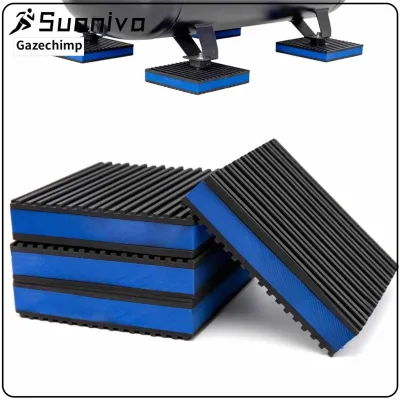
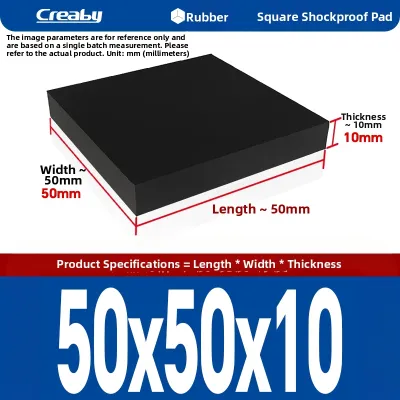
41 Lazada user ratings
Easy to place and align, Thick and sturdy, Secure fit for equipment, Noise reduction effect.
solid jsjssbsbsj fjsowndbussh nsoakabssgsh jskaksbsshsu jsjsissbdhis jssijsbdjs jsjsjs
Thick and sturdy, Excellent shock absorption,
Item received
Prices are valid at publication and may change. Please refer to the product page for the latest price.
Next, categorize your furniture by weight and how often it moves. Heavy, static items like sofas, wardrobes, dining tables, and beds exert continuous downward pressure on small areas, requiring thick, high-density rubber cups or heavy-duty pads that distribute weight evenly. In contrast, light, frequently moved items like dining chairs, bar stools, and side tables experience constant lateral shear stress. The protectors for these items must stay firmly attached during sliding without peeling off or catching on floor joints.
Accurate measurements are crucial to ensuring a proper fit and preventing the protector from slipping off. For round legs, measure the diameter across the center of the base. For square or rectangular legs, measure both the width and length. If the furniture leg is tapered, measure the exact bottom surface that contacts the floor. Using a precise tape measure or caliper ensures you select a cap or pad that fits snugly without overlapping, which could otherwise collect dust and compromise the protector’s stability.
Choosing the Right Rubber Furniture Accessories by Type
Selecting the right protector involves choosing between different attachment styles and designs. These accessories are widely available at local hardware stores, home improvement centers, and online marketplaces. Matching the accessory type to the furniture’s design and usage patterns will ensure the best performance.

Self-Adhesive Rubber Pads
Self-adhesive rubber pads are highly convenient and versatile, making them ideal for flat-bottomed, lightweight to medium-weight furniture such as dining chairs, coffee tables, and small cabinets. These pads typically feature a peel-and-stick backing that adheres directly to the cleaned bottom of the furniture leg, providing an immediate barrier between the furniture and the floor.
When selecting adhesive pads, look for high-density rubber with a substantial thickness of at least three to five millimeters to provide adequate cushioning. The surface texture of the pad should have a textured or ribbed pattern to enhance grip and prevent sliding on smooth floors. It is also important to verify that the adhesive backing is rated for heavy-duty use to ensure it can withstand daily wear.
However, adhesive pads have limitations when subjected to continuous lateral movement. When chairs are dragged repeatedly, the lateral force can cause the adhesive to slide, leaving a sticky residue on your floor and causing the pad to detach. They are best suited for furniture that is lifted rather than dragged, or on very smooth surfaces where friction is minimized.
Slip-On Rubber Feet and Caps
Slip-on rubber feet and caps provide a mechanical fit by wrapping around the outside of the furniture leg. They are the preferred choice for tubular metal legs, square wooden legs, and outdoor patio furniture, where adhesive pads cannot easily stick or would quickly fail due to moisture exposure.
To ensure a secure fit, you must measure the outer diameter of round legs or the outer dimensions of square legs. If you are replacing internal inserts, which are plugs that go inside metal tubes, you will need to measure the inner diameter instead. A tight, snug fit is necessary to prevent the cap from slipping off when the furniture is moved.
Because they rely on physical tension rather than chemical adhesives, slip-on caps do not leave sticky residue on your furniture legs. They are highly durable, handle lateral movement exceptionally well, and can be easily removed or replaced when they wear down. They also protect the bottom edges of metal legs from moisture, preventing rust stains on your patio or indoor floors.
Rubber Caster Cups and Replacement Wheels
Heavy, stationary items like refrigerators, washing machines, pianos, and large sofas can leave permanent indentations on softer flooring. Rubber caster cups are designed to sit directly under the wheels or legs of these heavy items, distributing the heavy load over a wider surface area to prevent structural damage to your floors.
For rolling office chairs, the hard nylon casters that come standard often grind dirt and grit into hardwood or vinyl floors, causing deep scratches over time. Replacing these hard plastic wheels with soft rubber or polyurethane caster wheels allows the chair to roll smoothly and quietly without scratching the surface.
Always check the manufacturer’s specified weight capacity limits per cup or wheel. Ensure the combined capacity of the set exceeds the total weight of the furniture piece plus its maximum expected load, such as a fully loaded bookshelf or a bed with occupants, to prevent the rubber from compressing completely and losing its protective qualities.
Matching Rubber Protectors to Common Philippine Floor Types
Different flooring materials react differently to rubber compounds, making it essential to match the protector to the specific floor type to avoid staining or damage.
Ceramic and porcelain tiles are highly durable but can suffer from unsightly black scuff marks when dragged over by low-quality black rubber. To prevent this, select non-marking rubber compounds, which are often grey, white, or translucent. These materials provide excellent grip without leaving dark streaks that require intense scrubbing to remove.
Hardwood and engineered wood floors are highly sensitive to pressure and moisture. Ensure your rubber protectors offer sufficient cushioning to absorb impacts and distribute weight. In the humid Philippine climate, moisture can easily become trapped beneath solid rubber cups or pads, potentially damaging the wood’s protective finish or causing discoloration. To mitigate this risk, periodically lift heavy furniture to allow the wood underneath to breathe, and ensure the floor is completely dry before placing rubber accessories.
Modern luxury vinyl planks and sheet vinyl are popular for their water resistance, but they are vulnerable to a chemical reaction known as plasticizer migration. When certain low-quality rubber compounds remain in direct contact with vinyl for extended periods, chemicals can migrate between the materials, resulting in permanent yellow or brown stains. To avoid this, look for high-quality, stable rubber accessories, or verify with the manufacturer that the product is safe for use on vinyl flooring.
Installing and Maintaining Rubber Pads for Long-Lasting Protection
Proper installation and regular maintenance are key to ensuring your rubber protectors perform effectively and do not cause accidental damage to your floors.
Before applying any adhesive rubber pad, the bottom of the furniture leg must be thoroughly cleaned. Use a damp cloth with mild soap or rubbing alcohol to remove dust, wax, grease, and old adhesive residue. Allow the surface to dry completely, as any remaining moisture or debris will severely compromise the adhesive bond.
Once the surface is clean and dry, peel off the backing and align the pad carefully with the furniture leg. Apply firm, even pressure across the entire surface of the pad for at least thirty seconds. For the best results, allow the adhesive to cure without moving or sitting on the furniture for the duration recommended by the manufacturer, which is typically twenty-four hours.
Over time, rubber pads can accumulate household dust, pet hair, and outdoor grit carried inside. This embedded debris can turn the bottom of the pad into a rough surface resembling sandpaper, scratching your floors as the furniture moves. Inspect the pads every few months, wiping them clean or replacing them if they show signs of flattening, cracking, or peeling at the edges.
When it is time to replace worn-out adhesive pads, avoid scraping them off with sharp metal tools that could gouge the furniture wood. Instead, gently warm the adhesive with a hair dryer to soften it, then peel the pad away. Use a mild adhesive remover or rubbing alcohol to clean off any remaining sticky residue before applying a new protector.
Frequently Asked Questions (FAQ)
Will rubber pads leave marks on light-colored tiles?
Low-quality or recycled black rubber pads can leave dark scuff marks on light-colored ceramic or porcelain tiles due to carbon black additives. To prevent this, choose accessories explicitly labeled as non-marking or non-staining. These are typically made from synthetic rubber compounds, silicone, or lighter-colored materials, such as grey, white, or clear, that do not transfer color or residue onto glossy tile surfaces.
How often should I replace adhesive rubber pads?
The lifespan of adhesive rubber pads depends on how frequently the furniture is moved and the roughness of your floors. For high-traffic items like dining chairs, inspect the pads every three to six months. Replace them immediately if you notice thinning, peeling edges, flattening, or if the furniture begins to drag heavily. For stationary items like heavy cabinets, pads can last several years but should still be checked during deep cleaning routines.
Can I use rubber feet on furniture with uneven legs?
Standard rubber feet or adhesive pads will not correct severely uneven furniture legs and may wear down unevenly under lopsided weight distribution. To stabilize wobbly furniture while protecting your floors, use adjustable leveling feet with rubber bases, which allow you to screw the foot in or out to match the floor level. Avoid stacking multiple adhesive rubber pads on top of one another, as this creates an unstable, squishy base that increases the risk of the furniture tipping over.

Community discussion
Share your experience or ask a question. Comments are reviewed before publication.