
Moving house in the Philippines—commonly known as lipat bahay—is a major undertaking that requires careful planning, physical effort, and the right organizational tools. Navigating narrow townhome stairwells, transporting goods through bumpy roads, and dealing with sudden tropical downpours mean your packing strategy must be highly resilient. A versatile shelf organizer rack can be a game-changer during this transition, serving first as a staging station for packing, then as a space-saving transport unit, and finally as immediate storage in your new home.
To make your move as smooth as possible, you need storage solutions that are easy to transport, quick to assemble, and tough enough to handle heavy household items. Choosing the right shelf organizer rack involves evaluating specific physical features, material durability, and transit logistics to ensure your belongings arrive safely at their destination.
Core Criteria for Choosing Shelf Organizer Racks for Moving
When preparing for a move, standard static shelving units are often more of a hindrance than a help. To survive the physical demands of being loaded, transported, and unloaded, a shelf organizer rack must meet several non-negotiable criteria.
Products mentioned in this guide
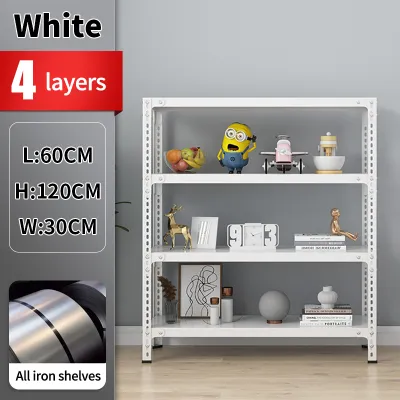
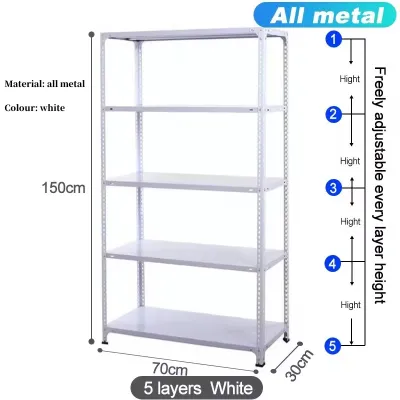

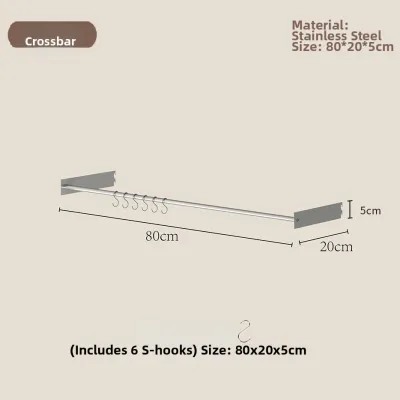
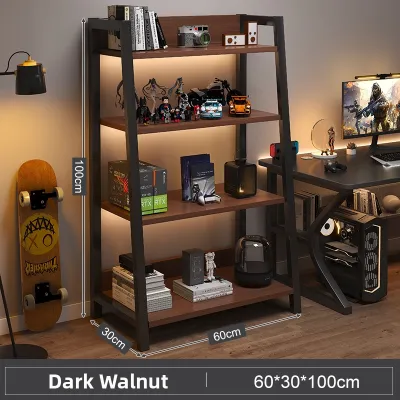
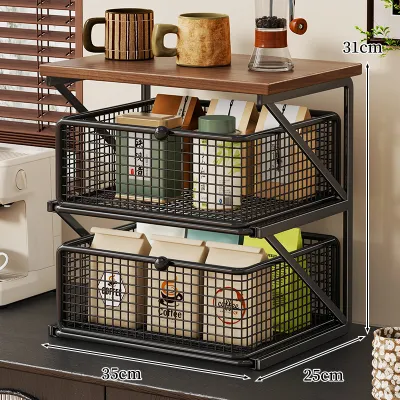
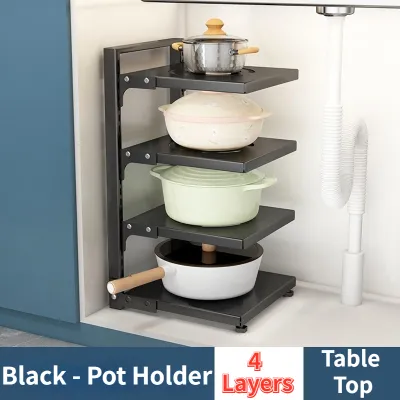
Prices are valid at publication and may change. Please refer to the product page for the latest price.
First, prioritize portability and ease of collapse. A rack that requires complex tools, loose screws, or extensive time to disassemble will quickly become a source of frustration during the hectic packing phase. Look for designs that feature tool-free assembly, allowing you to fold the unit flat or snap the components apart in minutes. This speed is crucial when you are trying to coordinate with moving truck schedules and limited loading times.
Second, evaluate the stackability and structural integrity of the racks when they are nested or bundled. During transit, space inside the moving vehicle is highly valuable. Racks that fold completely flat can be stacked horizontally or slid vertically into narrow gaps between larger furniture pieces. If you are using modular units, they must be able to nest together securely without warping, cracking, or sliding around when the vehicle is in motion.
Finally, find a balance between lightweight materials and robust load-bearing capacity. The rack itself should be light enough for one person to carry comfortably when empty, especially if you need to navigate multi-story homes or apartment lifts. However, it must not compromise on structural strength. It needs to support the weight of packed boxes, kitchen appliances, or heavy pantry items without bending or collapsing under pressure.
Essential Features to Evaluate Before Buying
Before purchasing any shelf organizer rack for your move, conduct a thorough physical and functional check to ensure it is genuinely practical for relocation rather than just static home storage.

Begin by inspecting the frame stability and joint types. Examine the manufacturer’s specified weight limits and pay close attention to how the joints are connected. For metal racks, look for clean, robust welds and thick hinge pins. Avoid units with thin plastic joints that feel brittle, as these are highly susceptible to cracking under the stress of transit vibrations. If the rack features folding joints, test the locking mechanisms to ensure they click securely into place and will not accidentally disengage when loaded.
Next, weigh the trade-offs between foldability and modular disassembly. Foldable racks typically feature pre-assembled hinges that allow the entire unit to collapse into a single flat piece. This design offers the fastest setup and teardown times, making it highly convenient for quick moves. On the other hand, modular disassembly units require you to take apart individual shelves and support poles. While this takes more time, it allows you to pack the components into a highly compact box, which is ideal if you are moving with a smaller vehicle or need to maximize every cubic inch of cargo space.
Additionally, look for reliable interlocking mechanisms or flat-fold capabilities. Some modular racks come with specialized clips or nesting grooves that lock the shelves together when disassembled. For folding models, check if they feature built-in straps, latches, or magnets that keep the frame tightly closed during transport. These small details prevent the rack from springing open unexpectedly, which could damage other belongings or cause injury during handling.
Types of Organizer Racks Suited for House Moves
Different rack designs offer distinct advantages depending on your packing, loading, and reassembly scenarios. Understanding these differences will help you choose the most suitable option for your specific moving needs.
Foldable wire or metal racks are highly popular for relocations due to their speed and durability. These units typically feature a scissor-like folding mechanism that allows them to open and close in seconds. The open wire design provides excellent ventilation, which is a significant advantage in the humid Philippine climate, as it prevents moisture and mold from building up on your stored items. When choosing wire racks, inspect the quality of the powder coating or chrome finish; any exposed metal can quickly rust when exposed to humidity or sudden rain during the move.
Modular plastic shelving units offer a lightweight and highly customizable alternative. Made from durable plastics like polypropylene, these racks are completely rust-proof and easy to wipe clean if they get dirty during transit. They are excellent for organizing lighter household goods, pantry items, or clothing. However, you must strictly verify the load limits of plastic shelves. Under heavy, concentrated weight or prolonged exposure to high temperatures—such as inside a closed moving truck parked under the hot sun—plastic shelves can warp or sag.
Rolling utility carts with shelves provide exceptional mobility during the packing phase. You can easily roll these carts from room to room as you gather items, making them perfect for organizing cleaning supplies, toiletries, or kitchen spices. However, transporting a rolling cart requires extra precaution. You must verify that the caster wheels have reliable locking mechanisms to prevent the cart from rolling around inside the moving truck. Additionally, you will need to wrap the entire cart in stretch wrap to keep the contents secure during the journey.
Assessing Space, Weight, and Transit Logistics
A successful move relies heavily on precise planning and logistics. You must ensure that your chosen shelf organizer racks fit seamlessly into your moving vehicle, your transit route, and your new home layout.
Always measure your doorways, stairwells, and vehicle cargo space before making a purchase. In many Philippine residential areas, townhouses and apartments feature narrow hallways, tight stair corners, and low door clearances. Ensure that the racks—whether fully assembled or folded flat—can easily pass through these bottlenecks without scraping the walls or getting stuck. If you are hiring a local moving service, such as a closed van or an L300 utility vehicle, check the interior dimensions of the cargo area to plan how the racks will be positioned.
Verify the manufacturer’s load-bearing claims against the actual weight of the items you plan to pack. It is easy to underestimate the weight of household goods, especially books, canned food, and ceramic tableware. Use a simple scale to weigh your packed boxes before placing them on the racks. To maintain stability, always place the heaviest items on the bottom shelf to keep the center of gravity low, and place lighter items on the upper shelves.
Finally, plan for the reassembly and placement of the racks in your new home. If your new space features delicate flooring, such as polished hardwood, vinyl planks, or ceramic tiles, sliding metal or hard plastic rack feet can cause permanent scratches. Prepare for this by purchasing rubber feet caps, felt pads, or placing temporary cardboard sheets under the racks during the unpacking process. If the floors in your new home are slightly uneven, look for racks that feature adjustable leveling feet to ensure stability.
Packing and Loading Strategies with Shelf Racks
How you pack and load your shelf organizer racks can make the difference between a highly organized move and damaged belongings. Implementing a systematic approach will protect both your racks and your items.
One of the first decisions you must make is whether to pre-pack items directly onto the shelves or pack them into boxes first. For most moves, packing items into sturdy cardboard boxes or plastic storage bins first, and then placing those containers onto the racks, is the safest method. This prevents loose items from shifting, falling off the sides, or getting damaged by road vibrations. If you do choose to transport items directly on the shelves, they must be lightweight, non-fragile, and completely secured.
To secure the racks for transit, use high-quality industrial stretch wrap or heavy-duty tie-down straps. For folded racks, wrap them tightly to prevent the frame from swinging open. For assembled racks, wrap the entire unit—including the shelves and any containers placed on them—in several layers of stretch wrap. This creates a solid, unified bundle that prevents individual items or shelves from sliding out of place when the moving truck encounters bumpy roads or sudden stops.
When loading the moving vehicle, pay close attention to weight distribution and positioning. Place heavy, flat-folded metal racks at the bottom of the load, or slide them vertically into the narrow gaps between large, heavy furniture like wardrobes or mattresses to keep them secure. If you are transporting assembled racks, place them flat against the interior walls of the truck and secure them with ratchet straps or ropes. Never stack heavy, loose boxes on top of an assembled rack during transit, as the lateral forces of a moving vehicle can cause the rack frame to bend or tip over.
Frequently Asked Questions (FAQ)
Can I leave items on the shelves while moving them in the truck?
It is generally not recommended to leave items on the shelves of an assembled rack while it is in transit. The vibrations, bumps, and sudden stops typical of road transport put immense lateral stress on the rack’s joints and frame, which can lead to structural failure, bent metal, or cracked plastic. Additionally, unsecured items can easily slide off and break. The only exception is if you are moving very light, non-fragile items (such as plastic containers of clothing or linens) and the entire rack is tightly bound in multiple layers of industrial stretch wrap to lock everything in place. For all fragile, heavy, or valuable items, always empty the rack and pack them separately in secure boxes.
How do I protect the racks and my floors during the move?
To protect your racks from scratches and dents during the move, wrap the metal frames or plastic poles in moving blankets, bubble wrap, or thick cardboard before securing them with tape or stretch wrap. Pay special attention to the corners and feet, as these sharp edges can easily scratch other furniture or damage the interior of the moving vehicle. To protect the floors in both your old and new homes, avoid dragging the racks across the surface. Always lift them completely when moving them. If the racks have caster wheels, ensure the locks are disengaged before rolling them, and clean the wheels beforehand to prevent trapped grit from scratching your tiles or wooden floors. Applying adhesive felt pads or heavy-duty rubber caps to the feet of static racks is an excellent, low-cost way to prevent floor damage during final placement.

Community discussion
Share your experience or ask a question. Comments are reviewed before publication.