
Choosing the right shelf for your home study or office depends on three main factors: your available floor space, the structural strength of your walls, and the weight of the items you need to store. There is no single style that fits every workspace. Wall-mounted shelves excel at keeping small rooms open and airy, while heavy-duty freestanding bookcases are essential for large book collections and heavy equipment. Corner shelves rescue underutilized areas in awkward room layouts, and ladder shelves offer a stylish, lightweight option for mixed storage and decorative displays.
To find the perfect balance between organization and spatial efficiency, you must evaluate how each shelf type handles physical weight, how it mounts or stands, and how it fits into your daily workflow. A mismatch can lead to sagging shelves, damaged walls, or a cramped, unproductive working environment.
Assessing Your Study Space and Storage Needs
Before browsing designs or purchasing furniture, you must accurately assess the physical boundaries of your room. Begin by measuring the available floor area, taking note of baseboards, wall outlets, light switches, and window frames. Compare your floor space against your vertical wall space to determine whether a floor-standing unit or a wall-mounted system is more practical.
Products mentioned in this guide
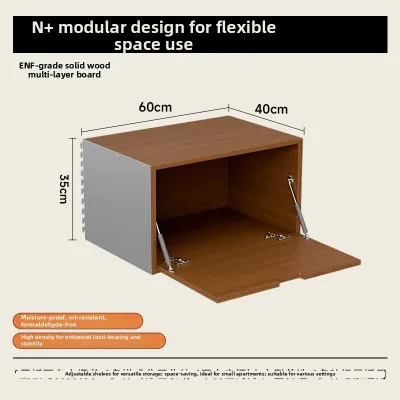
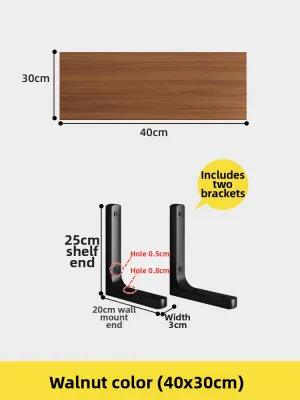
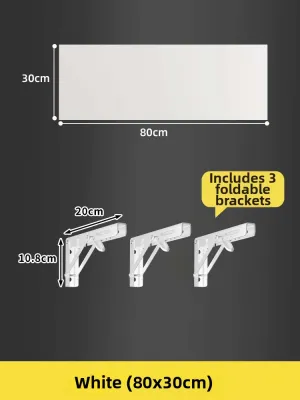
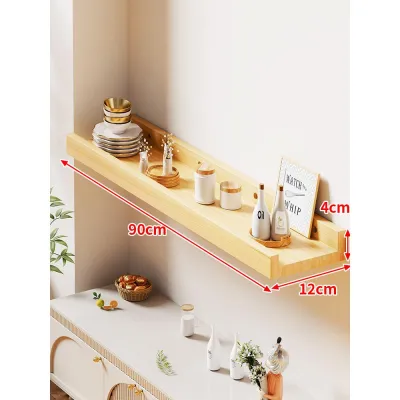
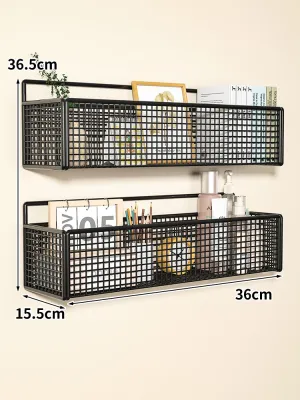
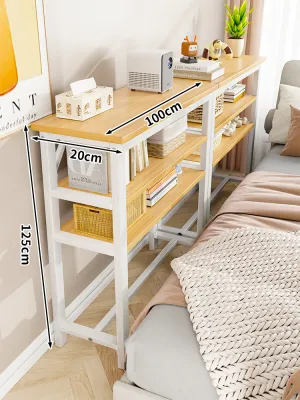
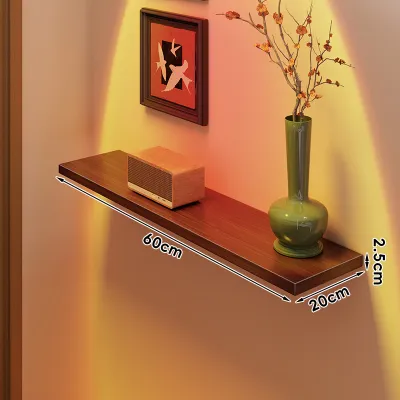
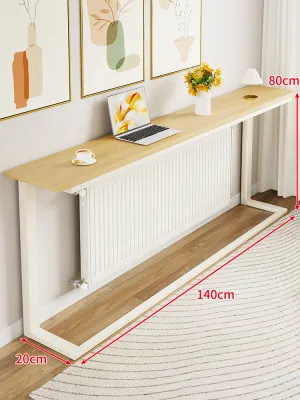
Prices are valid at publication and may change. Please refer to the product page for the latest price.
Next, categorize the items you intend to store by their physical size and weight. Heavy textbooks, thick reference manuals, legal binders, and printers require deep, structurally reinforced shelves. Lightweight items like paperbacks, stationery organizers, framed certificates, and small decorative plants can sit on shallower, less robust surfaces. Grouping your items this way helps you avoid overloading delicate shelves or overspending on heavy-duty industrial units you do not need.
Wall construction is another critical factor that dictates your options. In many homes in the Philippines, walls are made of solid concrete, hollow blocks, or plaster-coated masonry, which provide excellent support for heavy wall-mounted shelves when paired with the correct masonry anchors. If your study features drywall partitions or light plywood panels, your mounting options will be limited unless you can anchor directly into the wooden or metal studs behind the wall.
Finally, consider the ergonomics of your workspace. Ensure that any shelf you select leaves enough clearance for your office chair to roll back and turn freely. Avoid placing deep floor units in high-traffic pathways or directly behind your desk chair, where they can make the room feel cramped and restrict your movement during the workday.
Wall-Mounted Shelves: Maximizing Vertical Space in Small Rooms
Wall-mounted shelves are the premier choice for compact home offices, shared bedrooms, or narrow study nooks. By utilizing the upper portions of your walls, these shelves keep your floor area completely clear. This visual openness makes small rooms feel significantly larger and less cluttered, allowing you to slide storage bins, waste baskets, or even your desk directly underneath.

These shelves offer exceptional layout flexibility. You can install them at any height, aligning them perfectly with your eye level when seated or mounting them directly above your computer monitor for quick access to daily reference materials. You can also arrange them in staggered, asymmetrical patterns to create a modern, customized look that doubles as a design feature in your office.
However, wall-mounted systems have strict physical limitations. Because they rely entirely on wall anchors and brackets for support, they cannot safely hold massive, dense book collections, heavy multi-function printers, or bulky storage boxes. Overloading a wall shelf can cause the brackets to bend, the shelf board to sag, or the entire assembly to pull away from the wall, causing severe damage.
When buying wall-mounted shelves, always verify the construction of your walls and purchase the appropriate hardware. Concrete and masonry walls require sturdy plastic or metal wall plugs (often referred to locally as tox) and matching screws, which require a hammer drill to install. For drywall, you must use specialized toggle bolts or heavy-duty hollow-wall anchors. Ensure the shelf depth is at least 20 to 25 centimeters to accommodate standard books without them overhanging the front edge, and check the manufacturer’s maximum load rating per bracket before loading your items.
Freestanding Bookcases: Handling Heavy Books and Large Collections
For dedicated home libraries, spacious offices, or professionals who maintain extensive physical archives, traditional freestanding bookcases are the standard. These units sit directly on the floor, distributing weight evenly across a large footprint. This design allows them to support substantial loads that would easily pull down a wall-mounted shelf.
Freestanding bookcases require zero wall drilling for support, making them an excellent choice for renters or those who frequently rearrange their home layout. They are available in a wide variety of configurations, from low, wide console-style shelves to tall, multi-tier library units. Many models feature closed back panels, which prevent books from falling behind the unit and help protect your walls from scuffs and marks.
On the downside, freestanding bookcases consume valuable floor space and can dominate a room visually. In a small or poorly lit study, a tall, dark wooden bookcase can block natural light and make the workspace feel dark and claustrophobic. They are also heavy and difficult to move once fully assembled and loaded.
When shopping for a freestanding bookcase, look for models with adjustable shelf heights. This feature allows you to customize the vertical spacing to fit tall binders, oversized portfolios, or small storage boxes without wasting valuable vertical space. Check the overall dimensions carefully to ensure the flat-packed boxes can fit through your doorways, narrow hallways, or condominium elevators. For safety, tall units must be secured to the wall with anti-tip hardware to prevent accidental tipping.
Corner Shelves: Reclaiming Dead Space in Awkward Layouts
Corner shelves are designed specifically to utilize the often-wasted 90-degree intersections of a room. If your home study has an awkward layout, prominent structural columns, or main walls occupied by windows and doors, a corner shelf can turn dead space into highly functional storage. They work exceptionally well alongside L-shaped desks, creating a seamless, wraparound workstation.
These shelves are available in both freestanding tower designs and wall-mounted floating styles. By tucking your storage into a corner, you keep the central floor area open and preserve natural traffic lanes. Corner units also add visual depth to a room, breaking up flat wall surfaces and creating a cozy, organized nook for books, awards, or office supplies.
However, corner shelves have distinct geometric limitations. The triangular or curved shape of the shelves significantly reduces the usable surface area compared to standard rectangular shelves. This makes it difficult to store wide binders, large laptop bags, or long rows of books neatly. Additionally, the deep recess of a corner shelf can make items stored at the very back hard to see and reach.
Before purchasing, use a carpenter’s square to check the angle of your corner. Many residential walls are not perfectly square, and a corner that is slightly wider or narrower than 90 degrees can make installing a wall-mounted corner shelf or aligning a freestanding unit difficult. Ensure the depth of the corner shelf does not extend into the rolling radius of your office chair or block access to nearby wall outlets.
Ladder Shelves: Blending Display and Storage for Flexible Needs
Ladder shelves, also known as leaning or tiered shelves, offer a stylish compromise between open storage and decorative display. Featuring a graduated design where the shelves get progressively shallower from bottom to top, these units have a light, airy aesthetic. They are ideal for creative workspaces, casual home offices, or multi-functional rooms where you want to soften the corporate look of standard office furniture.
The varying shelf depths of a ladder shelf encourage smart, organized placement. You can place heavy storage baskets, printer paper, or large bins on the deep bottom shelves to maintain stability. The middle shelves can hold your active books and daily planners, while the shallow top shelves are perfect for lightweight decorative items, framed photos, or trailing houseplants that thrive in natural light.
Despite their visual appeal, ladder shelves are not built for dense, high-volume storage. The open-sided design means books can easily fall off the ends unless you use sturdy bookends. Furthermore, the leaning angle reduces the usable depth of the upper shelves, making them unsuitable for standard binders or larger office equipment.
When choosing a ladder shelf, distinguish between true leaning models and freestanding A-frame step models. Leaning models rely on the wall for structural support and must be physically anchored at the top to prevent them from sliding out on smooth tile or wood floors. Freestanding A-frame models do not need wall support but still require a flat, level surface. Look for units equipped with adjustable leveling feet to compensate for uneven flooring and ensure complete stability.
Quick Comparison: Matching Shelf Types to Your Office Setup
To help you determine which shelf type aligns with your specific space and storage requirements, refer to the comparison table below:
| Shelf Type | Best For | Weight Capacity | Floor Space Required | Installation Effort |
|---|---|---|---|---|
| Wall-Mounted | Small rooms, study nooks, keeping floor space clear | Low to Medium | None (Wall-only) | High (Requires drilling and precise leveling) |
| Freestanding | Large book collections, heavy files, printers | High | High | Low to Medium (Assembly required, optional wall anchoring) |
| Corner | Awkward layouts, utilizing dead space, L-shaped desks | Medium | Low | Medium (Varies by mounting style) |
| Ladder | Mixed display, creative workspaces, light storage | Low to Medium | Medium | Low to Medium (Leaning models require top anchoring) |
In many home studies, combining different shelf types yields the most efficient setup. For example, you can use a sturdy freestanding bookcase in a corner for your heavy archives and reference manuals, while mounting a pair of clean floating shelves directly above your desk to keep your daily pens, notebook, and task lamp within arm’s reach.
Safety, Weight Limits, and Installation Checks
Ensuring the structural safety of your shelving is critical to protecting your equipment, your books, and yourself. When loading any shelf, always practice proper weight distribution. Place your heaviest items, such as printers, paper reams, and thick binders, on the lowest shelves. This keeps the center of gravity low, which dramatically improves the stability of freestanding units and reduces the leverage pull on wall-mounted brackets.
Never compromise on installation hardware. Standard plastic drywall plugs have very low weight limits and should never be used to mount shelves on concrete or hollow block walls. For concrete walls, always use high-quality masonry anchors and screws that match the drill bit size precisely. If you are mounting on drywall, use heavy-duty toggle bolts and try to align at least one bracket with a wooden wall stud for maximum security. Never reuse old, stripped, or rusted screws from previous household projects.
In the humid, tropical climate of the Philippines, material selection and maintenance are vital. High humidity can cause cheap, unsealed particle board to absorb moisture, swell, sag, and eventually develop mold. When purchasing wooden shelves, look for models with moisture-resistant finishes, sealed edges, or powder-coated metal frames. Always leave a small gap of two to three centimeters between the back of your freestanding shelves and the wall to promote healthy airflow and prevent dampness from building up.
If you encounter structural issues during installation, such as crumbling plaster, hollow walls that cannot hold anchors, or a shelf unit that wobbles even on flat ground, stop immediately. Do not attempt to force a shaky installation or overload a shelf beyond the manufacturer’s stated weight limits. In these situations, it is always best to consult a professional carpenter or contractor to reinforce your walls or secure your furniture properly.
Frequently Asked Questions (FAQ)
Do freestanding shelves need to be anchored to the wall?
Yes, tall or narrow freestanding shelves should always be anchored to the wall using anti-tip brackets, especially if they are over 120 centimeters in height. While low, wide bookcases are generally stable on their own, tall units can easily become top-heavy when fully loaded with books. In households with children or pets, or in earthquake-prone regions like the Philippines, an unanchored bookcase poses a severe tipping hazard. Securing the top of the unit to a wall stud or solid concrete wall prevents accidental tipping if someone pulls on a shelf or if the ground shakes.
How do I check if my wall can support a mounted shelf?
To check your wall’s support capacity, start by tapping on the wall surface to identify its material. A solid, dull thud indicates a concrete, brick, or hollow block wall, which can support heavy loads when fitted with proper masonry anchors. A hollow, echoing sound indicates drywall or thin plywood paneling. For drywall, you must use a stud finder to locate the solid wooden or metal studs behind the plaster; mounting a shelf directly into drywall without stud support limits you to very light decorative items. Always check the manufacturer’s weight specifications and match your mounting hardware precisely to your specific wall type.

Community discussion
Share your experience or ask a question. Comments are reviewed before publication.