
Finding the right slippers organizer for a small closet in the Philippines requires balancing space efficiency with tropical climate considerations. In many Filipino homes and compact condominiums, wardrobe space is at a premium, and indoor slippers can quickly clutter the floor. The ideal solution maximizes vertical gaps, utilizes unused door backs, and ensures adequate airflow to combat high humidity. By selecting an organizer tailored to your specific closet layout and footwear volume, you can maintain a tidy, mold-free wardrobe.
Quick Guide to Choosing a Slipper Organizer for Small Spaces
When space is limited, every centimeter inside your wardrobe counts. The primary goal of a slippers organizer is to transition your footwear from horizontal floor clutter to organized vertical storage. This shift not only frees up valuable floor space for larger items but also makes your daily routine more efficient. To make the right choice, you must evaluate where the unused gaps exist in your current setup, such as the back of the closet door, the space beneath hanging clothes, or the empty areas on top shelves.
Matching the organizer type to your specific slipper volume and closet layout is essential. If you only have two or three pairs of light indoor slippers, a simple hanging solution or under-shelf basket may suffice. For larger collections, modular or stackable systems allow you to scale your storage as needed.
Products mentioned in this guide
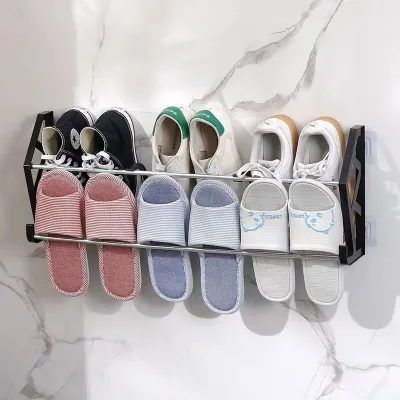
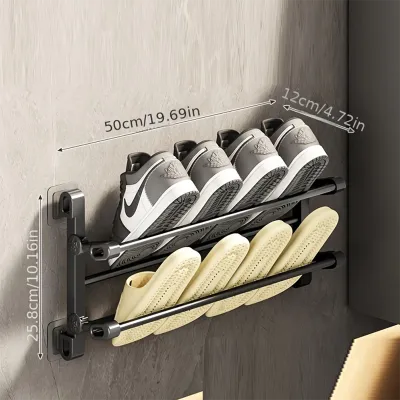
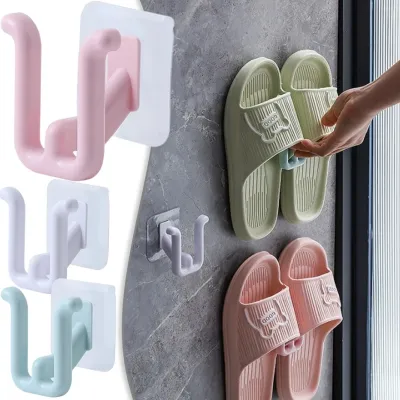
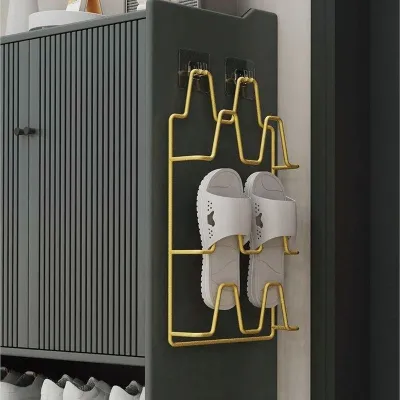
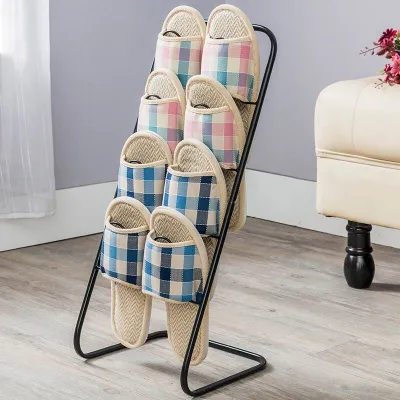
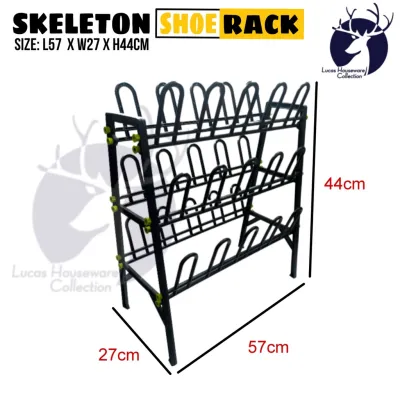
Prices are valid at publication and may change. Please refer to the product page for the latest price.
Additionally, the tropical climate in the Philippines introduces unique challenges. Enclosed, humid wardrobes are breeding grounds for musty odors and mold. Therefore, any storage solution you choose must prioritize ventilation, utilizing breathable fabrics, mesh panels, or open-front designs to keep your slippers fresh and dry.
Assessing Your Closet Space and Slipper Collection
Before purchasing any storage system, you must conduct a thorough assessment of your existing wardrobe and footwear collection. Start by measuring the interior dimensions of your closet. Use a physical measuring tape to record the height, width, and depth of your shelves, as well as the clearance space between the bottom of your hanging clothes and the closet floor. If you are considering an over-the-door organizer, measure the thickness of the closet door and the gap between the top of the door and the frame to ensure the hooks will not prevent the door from closing.

Next, take inventory of your slippers. Count the total number of pairs and group them by their physical profile. Flat rubber flip-flops, thin hotel-style fabric slippers, and thick, plush indoor slippers all have different storage requirements. Flat sandals can easily slip into narrow pockets, whereas bulky, cushioned slippers require wider compartments or individual boxes. Knowing the exact breakdown of your collection prevents you from buying an organizer with pockets that are too small or compartments that waste vertical space.
Identifying dead zones within your wardrobe is the key to unlocking hidden storage. Look for the empty space below short-hanging shirts, the unused vertical height on deep shelves, or the blank wall space inside the wardrobe. These areas are ideal locations for specialized organizers that do not interfere with your primary clothing storage.
Finally, establish a realistic budget for your organization project. Slipper organizers in the Philippines vary in price, typically ranging from ₱150 for basic hanging fabric pockets to ₱1,000 or more for premium stackable acrylic boxes. Calculate the total cost based on the number of units required to house your entire collection, keeping in mind that investing in durable, moisture-resistant materials can save money on replacements in the long run.
Best Slipper Organizer Types for Limited Spaces
Compact wardrobes require creative storage solutions that integrate seamlessly with your existing closet system. Rather than undertaking expensive custom carpentry, you can utilize various portable and modular organizers designed specifically for tight spaces. These systems are engineered to maximize capacity without requiring permanent modifications to your furniture.
When choosing between different organizer categories, you must weigh the trade-offs between daily accessibility and maximum space efficiency. Some systems allow you to grab your slippers in a single motion but hold fewer pairs, while others pack dozens of pairs into a tight footprint but require a bit more effort to retrieve. Understanding these dynamics helps you select the right balance for your lifestyle.
Over-the-Door and Hanging Shelf Organizers
Hanging organizers are highly effective for utilizing vertical space that would otherwise go to waste. Over-the-door pocket organizers hang directly on the inside of your closet door, turning a flat surface into a multi-tiered storage wall. Similarly, hanging shelf organizers attach directly to your wardrobe’s clothing rod using fabric straps or hooks, suspended alongside your hanging garments.
These solutions are ideal for flat sandals, light slippers, and thin footwear that do not require rigid structural support. Because they are made of flexible materials like canvas, non-woven fabric, or mesh, they conform to the shape of the slippers and keep them neatly tucked away.
However, physical compatibility checks are crucial before buying. For over-the-door models, verify the hook dimensions against your door thickness to ensure a snug fit that does not scratch the wood or metal frame. For rod-hanging models, check the manufacturer’s weight capacity label. Overloading a hanging organizer with heavy footwear can cause your wardrobe rod to sag or fail, potentially damaging your closet structure.
Stackable Clear Bins and Drop-Front Boxes
For those who prefer a neat, uniform look, stackable clear bins and drop-front boxes offer an excellent modular solution. These containers can be stacked on the closet floor or placed on high shelves, utilizing vertical height up to the ceiling. The transparent material allows you to identify the contents instantly without having to open multiple boxes.
This category is particularly suitable for bulkier indoor slippers or seasonal footwear that you want to protect from dust and pests. Because the boxes are rigid, they protect delicate fabrics and shapes from being crushed by other items in the closet.
To ensure a successful setup, measure your shelf height carefully. You must calculate how many boxes can safely stack on top of one another without hitting the upper shelf or ceiling. Additionally, look for drop-front designs rather than traditional removable lids. Drop-front doors allow you to open the front panel and slide your slippers out easily, eliminating the need to unstack the entire column just to reach the bottom pair.
Under-Shelf Baskets and Tension Rod Dividers
If your closet has wide shelves with significant vertical clearance, you can use micro-storage solutions to capture the empty space directly beneath each shelf. Under-shelf wire baskets slide onto existing shelves, creating a suspended drawer that is perfect for thin flip-flops and lightweight slippers. This utilizes the “air space” that traditional stacking often leaves behind.
When installing under-shelf baskets, ensure they do not hang down so low that they interfere with the garments stored on the shelf below. They should slide smoothly and remain stable when loaded with footwear.
Alternatively, you can use small tension rods to create custom vertical dividers on your shelves. By placing two or three tension rods vertically between two shelves, you create narrow slots where you can stand your slippers upright on their sides. This simple DIY method keeps your slippers organized side-by-side, preventing them from collapsing into a messy pile and allowing you to fit more pairs onto a single shelf.
Key Features to Check Before Buying
Selecting the right slippers organizer involves more than just finding a design that fits your aesthetic. You must carefully evaluate the physical specifications and material properties of the product to ensure it can withstand daily use in a tropical environment.
Material and ventilation are the most critical factors to consider. Due to the high humidity levels in the Philippines, enclosed plastic or solid fabric containers can trap moisture, leading to mold growth and unpleasant odors. Look for organizers that incorporate breathable materials, such as nylon mesh, woven canvas, or plastic boxes with built-in ventilation holes. These features promote continuous airflow, helping your slippers dry out and remain fresh.
Structural integrity is another essential check. Do not assume an organizer is sturdy simply because of its appearance in online photos. Review the product labels and specifications for weight limits, frame materials, and joint reinforcement. Hanging organizers should have reinforced stitching around the hooks, while stackable boxes should feature interlocking tabs to prevent the column from tipping over.
Finally, double-check all dimensions and clearances. Compare the external measurements of the organizer against the physical space available in your closet. Ensure there is sufficient clearance for wardrobe doors to close completely and for drawers to slide open without obstruction. Taking these precise measurements beforehand prevents the hassle of returning items that do not fit.
Installation and Maintenance Tips for Wardrobe Systems
Proper installation and regular maintenance are key to maximizing the lifespan of both your slippers organizer and your wardrobe. When setting up your new storage system, always follow the manufacturer’s instructions carefully. This is especially important for tension rods, adhesive hooks, and over-the-door brackets, which must be secured correctly to prevent slipping or falling.
If your chosen organizer requires drilling or permanent mounting into the wardrobe panels, proceed with caution. Check the material of your closet; many modern wardrobes are made of particleboard or medium-density fiberboard (MDF), which can split if drilled incorrectly. If you are unsure about drilling into load-bearing panels or high-end cabinetry, stop the installation and consult a qualified professional to avoid costly structural damage.
Maintaining a clean environment inside your organizer is vital for hygiene and odor control. Establish a routine to clean and air out your slippers regularly. Avoid placing damp or sweaty slippers directly into enclosed storage; let them dry completely in a well-ventilated area first. Periodically wipe down plastic bins with a damp cloth and mild soap, or vacuum fabric pockets to remove dust and lint, ensuring your storage system remains clean and fresh year-round.
Frequently Asked Questions (FAQ)
How do I prevent slippers from smelling in a closed closet?
To prevent odors, never store slippers while they are damp from sweat or washing. Allow them to air dry completely in a well-ventilated room before placing them inside your wardrobe. You can also place active moisture absorbers, silica gel packets, or activated charcoal bags inside your closet to control ambient humidity and neutralize odors. Choosing organizers made of breathable mesh or those with open-front designs will further promote airflow, keeping your footwear fresh.
Can I use shoe racks designed for sneakers to store slippers?
Yes, but standard shoe racks often waste significant vertical space because slippers are much flatter than sneakers. To maximize efficiency, look for adjustable racks or add multi-tiered shelf inserts that allow you to stack flat slippers closer together. Always measure the overall depth of the shoe rack to ensure it fits comfortably within your closet footprint and does not prevent the wardrobe doors from closing properly.

Community discussion
Share your experience or ask a question. Comments are reviewed before publication.