
A soft headboard is one of the most effective upgrades you can make to a bedroom, instantly transforming a simple bed frame into a comfortable, stylish sanctuary. Beyond its aesthetic appeal, an upholstered headboard provides a cushioned surface for sitting up to read, watch television, or work on a laptop. However, finding the right option in the Philippines requires balancing style with practical considerations like room dimensions, mounting compatibility, and our tropical climate.
To make a successful purchase, you must ensure the headboard matches your bed frame size—typically a single or double frame—and is constructed from materials that can withstand local humidity. By understanding the key differences in mounting types, fabric breathability, and structural support, you can select a headboard that looks beautiful and lasts for years.
How to Choose the Right Soft Headboard for Your Bed Frame
Selecting the perfect soft headboard requires careful planning across three main areas: sizing, mounting methods, and material suitability. Taking precise measurements and checking your wall structure beforehand will prevent installation headaches and ensure a seamless fit.
Products mentioned in this guide
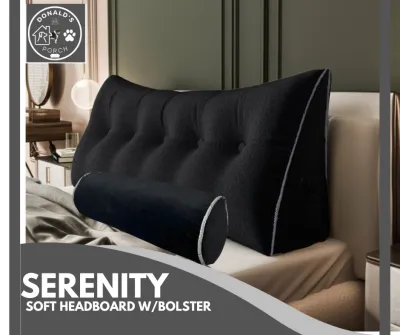
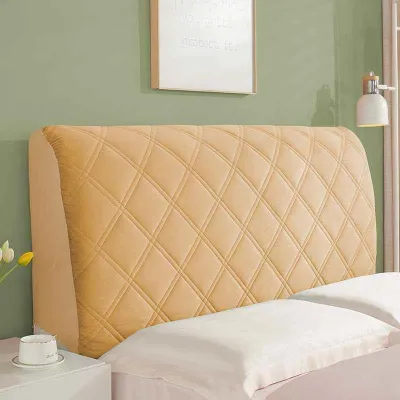
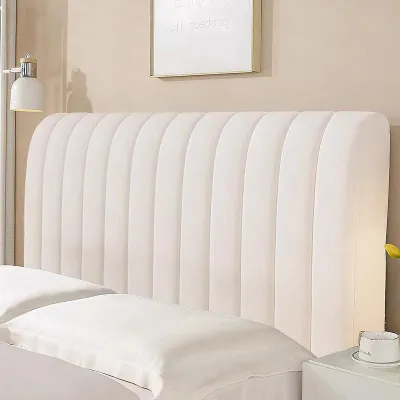
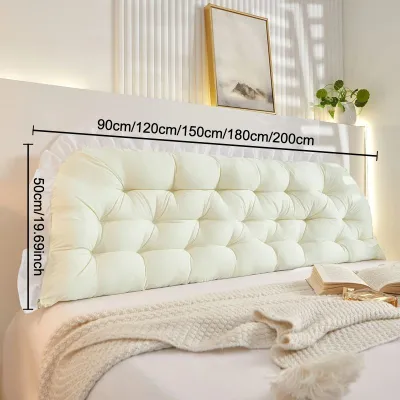
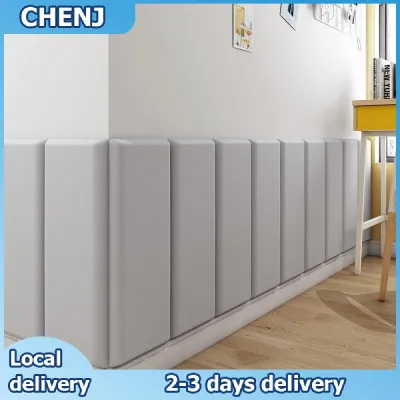
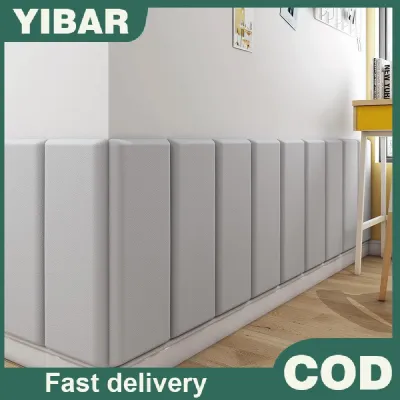
![[COD] AqToCna Ship within 24 hours DIY 3D Wall Mounted Headboard Soundproof Wall Panels Upholstered Anti Collision Bedside Tatami Soft](https://img.lazcdn.com/g/p/c5b0bbe9927e8ff48a62e6493fd30851.jpg_400x400q80.jpg_.webp)
Prices are valid at publication and may change. Please refer to the product page for the latest price.
Size and Proportion Matching
Before browsing styles, you must know the exact dimensions of your bed frame. In the Philippines, standard bed sizes follow specific width measurements that your headboard must match to look visually balanced:
- Single Beds: Typically measure 36 inches (91 cm) to 39 inches (99 cm) in width. A matching headboard should align flush with the outer edges of the frame or extend up to an inch on either side.
- Double Beds: Often referred to as full-size beds, these typically measure 54 inches (137 cm) in width. Your headboard should match this width to maintain clean, vertical lines.
In addition to width, consider the height of the headboard. Standard headboards range from 20 to 48 inches above the top of the mattress. To find the ideal height, measure your mattress thickness (which can range from a slim 4-inch foam to a plush 14-inch pocket-spring model) and account for your pillow arrangement. If you stack multiple pillows, a short headboard may be completely hidden, defeating its decorative and functional purpose. Finally, ensure the total height of the headboard is proportionate to your bedroom’s ceiling height so it does not overwhelm the space.
Mounting and Installation Types
How your headboard attaches to your bed or wall affects its stability, ease of installation, and suitability for your living situation:
- Wall-Mounted Headboards: These hang directly on the wall using brackets, interlocking wall cleats, or French cleat systems. They offer maximum stability and save valuable floor space because the headboard sits completely flush against the wall. However, they require drilling into your wall, which may not be permitted in rental properties.
- Bed-Frame Attached Headboards: These models feature vertical wooden or metal struts that bolt directly to the back of your existing bed frame. This setup keeps the bed and headboard as a single, cohesive unit. Before buying, you must verify that the pre-drilled holes or slots on the headboard struts align with the mounting brackets on your bed frame.
- Freestanding Headboards: These units stand on the floor and are designed to be wedged tightly between your bed frame and the wall. The weight of the mattress and the frame keeps the headboard secure. This is an ideal, no-drill solution for renters or those who frequently rearrange their bedroom layout.
Material and Climate Considerations
The tropical climate of the Philippines, characterized by high temperatures and intense seasonal humidity, plays a critical role in how upholstered furniture ages. When selecting fabrics, weigh the trade-offs between luxury, breathability, and maintenance:
- Linen and Cotton Blends: These natural fibers offer excellent breathability and a relaxed, airy aesthetic. They allow air to circulate, preventing heat buildup when you lean against them. However, natural fibers absorb body oils and moisture more readily, which can lead to staining or localized mold if the room is not well-ventilated.
- Velvet and Chenille: These fabrics provide a plush, luxurious texture and deep color depth. Modern performance velvets are highly durable, but they can feel warm in non-air-conditioned rooms and tend to attract dust and pet hair, requiring frequent vacuuming.
- Faux Leather (PU or PVC): Faux leather is highly resistant to moisture and can be easily wiped clean with a damp cloth, making it highly practical. However, low-quality faux leather can crack or peel over time when exposed to high heat and humidity, and it can feel sticky against bare skin on warm nights.
Recommended Soft Headboard Styles for Single Beds
Single beds are highly popular in compact guest rooms, children’s bedrooms, studio apartments, and shared condominium spaces. Because space is often limited in these layouts, headboards for single beds should prioritize efficiency, clean profiles, and easy maintenance.

Minimalist Linen or Cotton Panels
For smaller rooms, a minimalist rectangular panel upholstered in a light-colored linen or cotton blend is an excellent choice. These designs feature clean, straight lines and a slim depth (typically 2 to 3 inches), which prevents the bed from protruding too far into the room’s walking paths.
Light neutral tones like beige, cream, or soft gray help make a small bedroom feel larger and brighter. A representative style is the simple, rectangular wall-mounted linen panel, which can be hung at any desired height. While these panels offer a clean look and high breathability, keep in mind that their slim profile means they have thinner foam padding, providing lighter cushioning compared to deeply padded models.
Space-Saving Freestanding Padded Boards
If you are renting a condo or apartment where drilling is strictly prohibited, a freestanding padded headboard is a highly practical alternative. These boards feature a solid internal wooden frame wrapped in dense foam and fabric, extending all the way to the floor.
To install, you simply slide the headboard behind your single bed frame and push the bed firmly against it. The pressure of the bed holds the unit securely against the wall. A key benefit of this style is its portability; you can easily pack it up and take it with you when you move. However, because it relies on pressure, a slight gap of about 1 to 2 inches may form between the mattress and the wall, and the headboard may occasionally shift or squeak if the bed moves.
Recommended Soft Headboard Styles for Double Beds
Double beds often serve as the focal point of master bedrooms or larger guest rooms. For these frames, you can opt for headboards that offer deeper cushioning, more intricate styling, and a stronger visual presence.
Tufted or Channel-Back Upholstered Designs
Tufted and channel-back headboards are classic choices that add texture and elegance to a double bed. These styles feature thick, high-density foam padding wrapped in fabric, providing exceptional ergonomic support for your back and neck:
- Button-Tufted Designs: These feature deep, diamond-patterned folds secured with fabric-covered buttons, creating a traditional, luxurious look.
- Channel-Tufting: This style features vertical or horizontal stitched panels, offering a clean, mid-century modern aesthetic.
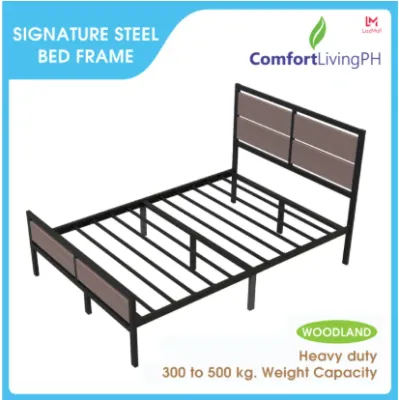
When choosing a heavy, deeply padded headboard for a double bed, you must verify that your bed frame is sturdy enough to support the added weight. Heavy headboards attached to thin metal or lightweight wooden frames can cause the frame to bend or creak. Ensure your bed frame has reinforced mounting brackets, or opt for a wall-mounted installation to keep the weight off the frame entirely.
Extended or Wrap-Around Wingback Styles
For a truly cozy, high-end hotel feel, consider an extended or wrap-around wingback headboard. This design features a flat upholstered back panel flanked by two vertical side panels (or “wings”) that curve slightly forward around the head of the bed.
Wingback headboards create a sense of privacy and enclosure, and they look highly sophisticated in spacious bedrooms. However, because the wings extend beyond the standard 54-inch width of a double bed, you must carefully measure your wall space before purchasing. Ensure the extended sides do not block nearby electrical outlets, light switches, or prevent your bedside tables from sitting flush against the wall.
Quick Comparison: Key Specs to Check Before Buying
To avoid the hassle of returns or installation failures, use this quick reference table to compare the three primary mounting types before making your purchase:
| Mounting Type | Installation Effort | Wall Damage | Best For | Key Measurement to Verify |
|---|---|---|---|---|
| Wall-Mounted | High (Requires drilling, leveling, and anchors) | Permanent holes (requires patching later) | Homeowners, renters with drilling permission, flush layouts | Wall stud locations or concrete wall depth |
| Frame-Attached | Medium (Requires aligning bolts and brackets) | None | Standard bed frames with pre-drilled slots | Center-to-center distance of frame mounting holes |
| Freestanding | Low (No tools required; wedged in place) | Minimal (potential paint scuffing; use felt pads) | Renters, quick bedroom makeovers, heavy bed frames | Total thickness of headboard and wall clearance |
Before checking out, always measure the distance between the vertical mounting struts on your bed frame (for frame-attached models) or confirm that your wall material can support heavy anchors (for wall-mounted models).
Installation and Maintenance in a Tropical Climate
Proper installation and consistent maintenance are essential to keeping your soft headboard safe, clean, and free from moisture damage in the humid Philippine climate.
Safe Installation Practices
If you choose a wall-mounted headboard, you must adapt your installation method to your home’s wall construction. In the Philippines, residential walls are commonly made of solid concrete, hollow blocks, or plaster-coated masonry.
To mount a headboard on concrete, you must use a hammer drill equipped with a masonry drill bit, along with heavy-duty plastic or metal wall plugs (expansion anchors) and matching screws. Standard drywall screws or adhesive strips will fail, causing the headboard to fall and potentially cause injury or damage. If you are mounting onto drywall or hollow blocks, ensure you locate the wooden or metal studs, or use specialized toggle bolts designed for hollow walls.
For frame-attached models, always use the hardware (bolts, washers, and nuts) provided by the manufacturer. Tighten all connections securely, and re-check them after two weeks of use, as daily movement can cause bolts to loosen slightly over time.
Routine Care and Humidity Management
High indoor humidity (often exceeding 80% during the rainy season) makes upholstered furniture susceptible to dust mites, mold, and mildew. Implement these routine care steps to protect your headboard:
- Weekly Vacuuming: Use your vacuum cleaner's clean upholstery brush attachment to thoroughly vacuum the headboard. Pay close attention to tufted seams, button crevices, and corners where dust, pet dander, and skin cells accumulate.
- Immediate Spot-Cleaning: If you spill a drink or get oil on the fabric, blot the area immediately with a clean, dry microfiber cloth. Never rub, as this pushes the stain deeper into the fabric fibers. For stubborn spots, use a mild, pH-neutral upholstery cleaner. Always test the cleaner on a hidden area (such as the back of the headboard) first to ensure it does not discolor the fabric.
- Promote Air Circulation: Prevent mold growth by keeping your bedroom well-ventilated. On humid days, run an air conditioner or a dehumidifier to keep indoor humidity levels below 60%. Avoid pushing your headboard completely tight against a damp exterior wall; leave a 1-inch gap to allow air to circulate freely behind the bed.
Sunlight and Fading
Direct, harsh tropical sunlight streaming through windows can cause rapid UV damage to upholstered fabrics. Over time, constant sun exposure will fade vibrant colors, yellow white fabrics, and weaken fibers, causing them to tear easily. To protect your headboard, position your bed away from direct window paths, or install sheer curtains, blackout drapes, or UV-blocking window films to diffuse the incoming light.
Frequently Asked Questions (FAQ)
Can I use a double headboard on a single bed?
While you can physically install a double headboard behind a single bed using a wall-mounted or freestanding setup, it is generally not recommended. A double headboard is 54 inches wide, while a single bed is only 36 to 39 inches wide. This leaves an overhang of 7 to 9 inches on each side, which creates an awkward, unbalanced visual proportion in the room. Additionally, if you try to attach a double headboard to a single bed frame, the mounting struts will not align, making it impossible to bolt them together without extensive DIY modifications.
Are soft headboards prone to mold in humid weather?
Yes, upholstered headboards can trap moisture and dust, which are the primary breeding grounds for mold and mildew in humid climates. However, mold is highly preventable. You can protect your headboard by choosing breathable fabrics, keeping your bedroom well-ventilated with fans or air conditioning, and using a dehumidifier during the rainy season. It is also crucial to leave a small gap between the headboard and the wall to prevent moisture from transferring from the wall to the fabric.
How do I attach a headboard if my bed frame has no pre-drilled holes?
If your bed frame does not have pre-drilled mounting holes, you have two practical options. First, you can choose a freestanding headboard, which stands on the floor and is held in place by pushing your bed frame tightly against it and the wall. Second, you can opt for a wall-mounted headboard. This system bypasses the bed frame entirely, hanging directly on the wall using brackets or interlocking cleats, allowing you to pair it with any frame style without drilling into the bed itself.

Community discussion
Share your experience or ask a question. Comments are reviewed before publication.