
Maximizing a small condominium unit in the Philippines requires strategic furniture choices, and selecting the right bed is the single most impactful decision you can make. In typical studio or one-bedroom layouts ranging from 18 to 30 square meters, a traditional fixed bed can easily consume over half of the available floor space. The best space-saving beds—such as wall-mounted Murphy beds, elevated loft frames, multi-functional sofa beds, and hydraulic storage platforms—reclaim this valuable footprint by serving dual purposes or folding away when not in use. By matching your specific floor plan, ceiling height, and daily routine with the correct mechanism, you can transform a cramped sleeping quarter into a highly functional living area, home office, or entertainment space.
How to Choose the Right Space-Saving Bed for Your Layout
Before purchasing any space-saving furniture, you must conduct a thorough spatial audit of your condo bedroom. Start by measuring the exact floor dimensions, but do not stop at the footprint of the bed frame itself. You must account for the clearance zone required to access and operate the bed. For instance, a folding bed needs a clear path to swing downward, while a trundle bed requires empty floor space equal to its width to slide out smoothly.
Vertical space is equally critical, especially in modern high-rise developments where ceiling heights can vary significantly. Measure from the floor to the lowest ceiling point, taking note of any protruding structural beams, light fixtures, or ceiling fans. If you are considering a loft bed, you will need enough clearance for the sleeper to sit upright comfortably without bumping their head, while still leaving usable space underneath.
Products mentioned in this guide
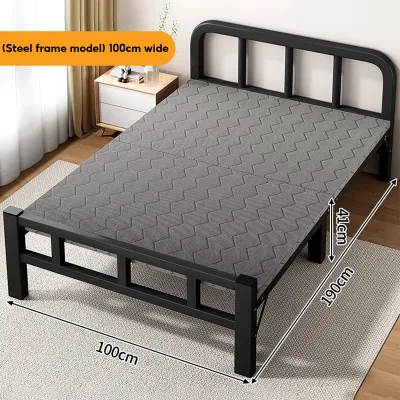
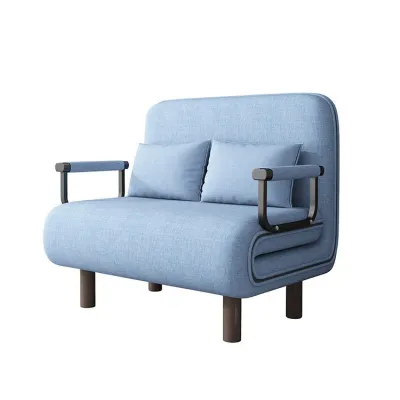
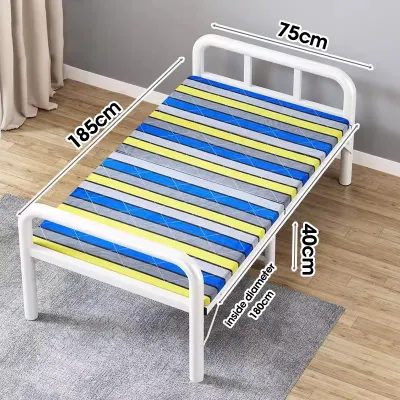
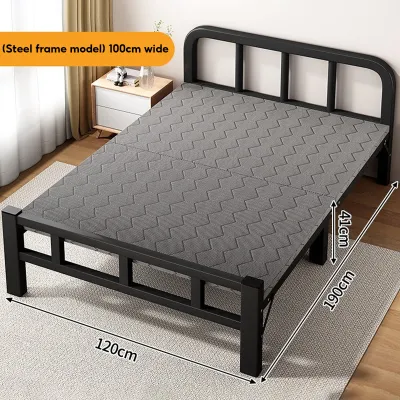
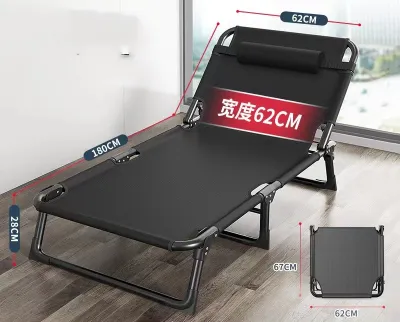
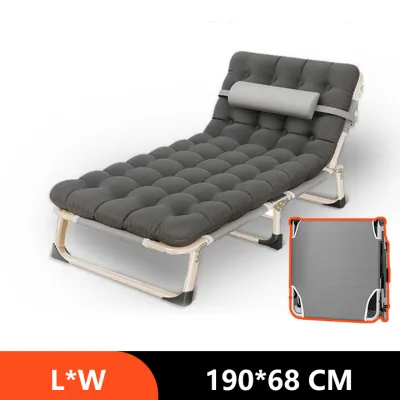
Prices are valid at publication and may change. Please refer to the product page for the latest price.
Your daily routine should dictate the type of mechanism you choose. Ask yourself honestly if you are willing to fold, lift, or convert your bed every single morning and evening. If the physical effort of lifting a heavy frame or rearranging pillows daily sounds unappealing, a passive space-saving option like a hydraulic storage bed or a platform bed with built-in drawers is a much more practical choice than a Murphy bed.
Condominium living in the Philippines comes with unique structural and administrative rules that directly impact furniture installation. Most condo buildings are constructed using reinforced concrete walls and columns, which require heavy-duty masonry drilling for wall-mounted items. Before buying a wall bed, you must consult your building’s Property Management Office (PMO) to obtain drilling permits and verify if your unit’s walls can support the load.
Finally, consider the tropical climate and indoor air quality of your unit. High humidity levels in the Philippines can lead to moisture accumulation and mold growth, particularly in enclosed storage spaces or underneath mattresses that lack proper ventilation. When choosing a bed with built-in storage or a folding mechanism, look for designs that incorporate ventilation slats or breathable materials to ensure adequate airflow around the mattress.
Top Space-Saving Bed Types for Compact Bedrooms
Selecting the ideal space-saving bed involves understanding the different mechanisms available and how they interact with your room’s layout. These beds generally fall into four main categories: folding, elevating, converting, or storing. Each category addresses a specific spatial challenge, whether you need to clear the floor completely during the day, combine your sleeping and working areas, or maximize every square inch of hidden storage.

The “best” choice is never a one-size-fits-all solution; it depends entirely on your lifestyle, budget, and the physical limitations of your condo unit. A studio apartment occupied by a single remote worker demands a different approach than a shared one-bedroom unit occupied by a young couple. By examining the unique benefits and limitations of each bed type, you can make an informed decision that enhances both your comfort and your home’s functionality.
Murphy and Wall Beds
Murphy beds, also known as wall beds, are the ultimate space-saving solution for studio condos because they fold vertically or horizontally into a cabinet when not in use. This mechanism completely frees up the floor space during the day, allowing a single room to serve as a spacious living room or home office by day and a comfortable bedroom by night. Modern designs often integrate desks, shelving, or small sofas on the exterior face, providing double functionality.
However, successful installation requires strict adherence to safety guidelines and structural requirements. Because of the leverage exerted when pulling the bed down, these units must be securely anchored to solid concrete walls or structural wall studs. Attempting to mount a Murphy bed to standard drywall without proper reinforcement is a severe safety hazard that can lead to structural failure or tipping.
Additionally, wall beds come with strict mattress limitations that you must verify before purchasing. Most manufacturers specify a maximum mattress thickness, usually between 8 and 10 inches, to ensure the bed can close fully into the cabinet without binding the mechanism. You must also account for the weight of the mattress, as a mattress that is too heavy can overwhelm the spring or piston lift system, making the bed difficult to lift or prone to falling.
Loft and High Sleeper Beds
Loft beds utilize vertical space by elevating the sleeping platform high above the floor, leaving the area underneath completely open for other uses. This layout is highly effective for students, young professionals, or anyone working from home in a compact condo. The vacant space beneath the bed can be configured as a dedicated workstation, a cozy lounge with a small sofa, or an organized storage zone with wardrobes and shelving.
To ensure safety and comfort, you must carefully calculate the clearance between the top of the mattress and the ceiling. Ideally, there should be at least 30 to 36 inches of headroom to allow the occupant to sit up straight without restriction. In typical Philippine condos with standard ceiling heights, this requires finding a balance between the height of the loft frame and the thickness of the mattress.
Keep in mind that loft beds are not suitable for everyone. Climbing a ladder or steep steps daily can be challenging or unsafe for individuals with mobility issues, and changing the bed sheets on an elevated platform requires extra physical effort. Furthermore, because warm air rises, the loft area can feel significantly warmer in the tropical Philippine climate, requiring strategic placement of air conditioning vents or circulating fans.
Sofa Beds and Click-Clack Futons
Sofa beds and click-clack futons offer a highly versatile, dual-purpose solution that transitions seamlessly from daytime seating to nighttime sleeping. They are particularly popular in studio apartments, living areas, or multi-purpose guest rooms where space is at a premium. Because they do not require permanent wall mounting or high ceilings, they are incredibly easy to integrate into almost any condo layout.
When evaluating a sofa bed, the quality of the conversion mechanism and the internal frame is paramount. Click-clack mechanisms are simple and quick to operate, but they often feature a split down the center of the sleeping surface that can compromise comfort. Pull-out sofa beds with independent mattresses offer a more traditional sleeping experience, but they contain complex metal linkages that are susceptible to wear and tear over time.
The primary trade-off with most convertible seating is long-term sleeping comfort. Standard sofa bed mattresses are typically thinner and firmer than traditional mattresses to allow them to fold into the sofa frame. If you plan to use a sofa bed as your primary sleeping surface, look for models that accommodate thicker, high-density foam mattresses, and inspect the frame joints for sturdy construction that can withstand daily conversion.
Trundle and Hydraulic Storage Beds
Trundle and hydraulic storage beds are excellent passive space-saving options that maximize the utility of the bed’s footprint without requiring you to fold or elevate the entire frame. A trundle bed features a low-profile secondary bed on casters that slides out from underneath the main frame. This setup is ideal for accommodating occasional overnight guests or children without permanently occupying valuable floor space.
Hydraulic storage beds, on the other hand, utilize a gas-lift piston mechanism to raise the entire mattress and slatted base, revealing a massive, undivided storage compartment underneath. This hidden space is perfect for storing bulky items that would otherwise clutter your closets, such as travel luggage, seasonal bedding, or storage boxes. Because the lift mechanism does the heavy lifting, accessing your stored items requires minimal physical effort.
However, both options have specific physical requirements that you must check before buying. Trundle beds require a wide, completely clear floor area adjacent to the bed to pull out, which may not be feasible in narrow condo bedrooms. Hydraulic beds are exceptionally heavy due to their robust steel frames and lifting mechanisms, making them difficult to move once assembled and requiring a sturdy floor structure that can handle the concentrated weight.
Quick Comparison: Bed Types vs. Space Constraints
To help you quickly narrow down your options, the table below compares the most common space-saving bed types based on their spatial requirements, installation needs, and ideal use cases.
| Bed Type | Best Use Case | Floor Space Saved | Installation Needs | Ideal Ceiling Height |
|---|---|---|---|---|
| Murphy Bed | Studio apartments needing maximum daytime floor space | High | Heavy-duty wall anchoring into concrete or studs | Standard (2.4m+) |
| Loft Bed | Single occupants, students, or home offices | High | Freestanding frame assembly with wall safety strap | High (2.7m+) |
| Sofa Bed | Multi-purpose living rooms and guest spaces | Moderate | Standard assembly, no wall mounting required | Standard (2.4m+) |
| Trundle Bed | Guest rooms or shared children's bedrooms | Moderate | Standard assembly, requires clear floor space to slide out | Standard (2.4m+) |
| Hydraulic Bed | Storing bulky items like luggage and seasonal linens | Minimal (saves closet space) | Heavy-duty frame assembly, no wall mounting required | Standard (2.4m+) |
Essential Pre-Purchase and Delivery Checks
Before finalizing your purchase of any space-saving bed, you must plan the logistics of delivery and assembly within your condominium building. Many condo developments in the Philippines have strict guidelines regarding delivery hours, elevator usage, and contractor access. You must coordinate with your building’s administration to reserve the service elevator and secure any necessary work permits well in advance of the delivery date.
Measure every doorway, hallway turn, and elevator cabin dimension along the delivery path to ensure the packaged furniture can actually reach your unit. Large, solid-frame beds or heavy hydraulic bases often cannot navigate tight stairwells or small elevator doors. Opting for flat-pack furniture that is assembled directly inside your bedroom is often the safest and most practical approach for high-rise condo living.
Additionally, double-check the compatibility of your existing mattress with the new bed frame. Folding wall beds and hydraulic lift systems have strict weight tolerances; a mattress that is too light may cause a hydraulic bed to pop open unexpectedly, while a mattress that is too heavy can strain a Murphy bed’s spring system. Always consult the manufacturer’s specifications for both the frame and the mattress to ensure safe, long-term operation.
Finally, review the warranty terms carefully, paying close attention to the coverage of moving parts, hydraulic pistons, and mechanical hinges. Space-saving beds rely heavily on these components for daily operation, and replacing a failed mechanism can be difficult and costly. A comprehensive warranty that covers structural frames and mechanical parts provides essential peace of mind for your investment.
Frequently Asked Questions (FAQ)
Can I install a Murphy bed in a rented condo without damaging the walls?
Installing a traditional Murphy bed in a rented condo can be challenging because it requires drilling deep anchor holes into the concrete walls or structural studs to secure the heavy lifting mechanism. Most standard lease agreements in the Philippines prohibit structural alterations or deep drilling without prior written consent from the landlord. If you proceed without permission, you risk losing your security deposit or facing penalties for property damage.
To avoid this issue, look for freestanding Murphy bed units that do not require wall mounting. These alternative designs are built into heavy, self-supporting cabinets or shelving units that rely on a wide base and integrated counterweights for stability. While they may still require a safety strap anchored to a wall stud to prevent tipping, the damage is minimal and easily repaired with a small amount of wall putty before you move out.
What mattress type works best for a folding mechanism?
The best mattress for a folding bed or a Murphy bed is one that balances flexibility, structural integrity, and weight. Memory foam and high-density polyurethane foam mattresses are highly recommended because they can withstand being stored vertically or folded repeatedly without losing their shape or causing the internal layers to shift. They also tend to be lighter than traditional innerspring mattresses, which reduces the strain on the bed’s lifting mechanism.
In contrast, traditional innerspring or heavy hybrid mattresses are generally less suitable for folding mechanisms. When stored vertically for long periods, the internal coils and comfort layers can sag toward the bottom of the frame, leading to permanent lumps and uneven support. Always verify the manufacturer’s maximum weight and thickness limits for your specific bed frame, as exceeding these guidelines can void your warranty and cause the mechanism to fail.

Community discussion
Share your experience or ask a question. Comments are reviewed before publication.