
Preparing for a lipat bahay (home relocation) in the Philippines requires careful planning, especially when dealing with unpredictable tropical weather, high humidity, and the physical demands of transporting household goods. Standard cardboard boxes often fall short when it comes to maximizing truck space and protecting belongings from moisture, dust, and pests. Utilizing dedicated space-saving organizers is one of the most effective ways to streamline your packing process, reduce the total volume of your cargo, and ensure your items arrive at your new home intact.
By choosing the right combination of vacuum storage bags, heavy-duty stackable bins, compression packing cubes, and specialized wardrobe boxes, you can significantly reduce the number of trips required and lower your overall moving costs. These organizers do not just save physical space; they also establish a systematic packing structure that makes unpacking and organizing your new home much more manageable.
Key Criteria for Choosing Moving Organizers
Selecting the right organizers for a move requires looking beyond basic storage capacity. Because items will undergo transit, shifting, and stacking inside a moving vehicle, the structural integrity of your storage containers is paramount. You must evaluate the material durability and weight capacity of each organizer based on the manufacturer’s technical specifications. For instance, look for plastics with high impact resistance and fabric organizers with reinforced stitching that can withstand the tension of being tightly packed.
Products mentioned in this guide
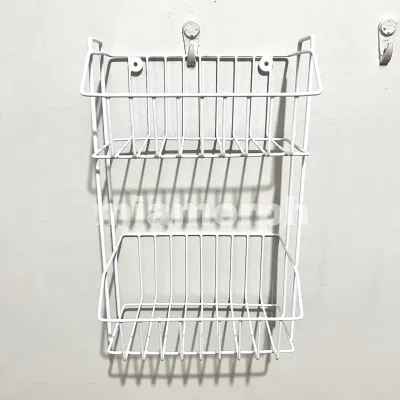
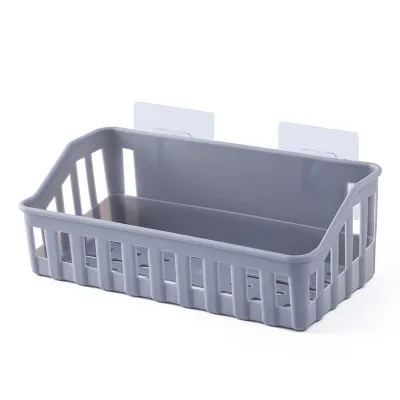
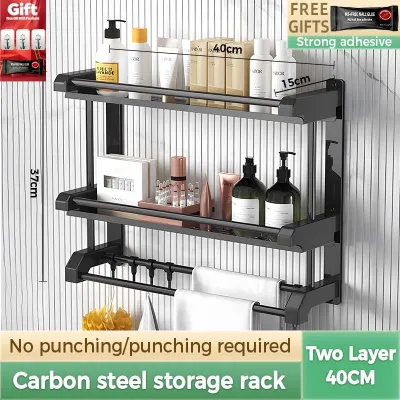
![[🇵🇭 Stock&COD] Kitchen Wall Mounted Organizer Rack Storage Hanging Shelf Bathroom Stainless Organizer](https://img.lazcdn.com/g/p/e3c9e875939affe03f77d99b7e5cbf95.jpg_400x400q80.jpg_.webp)
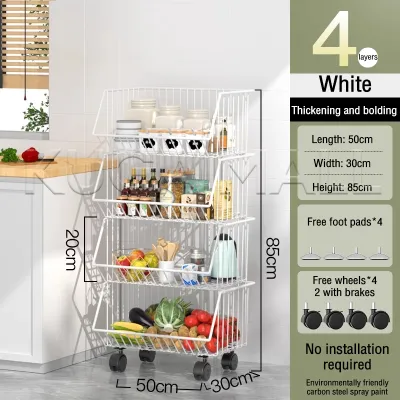
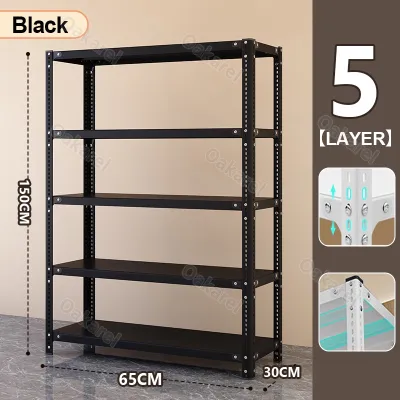
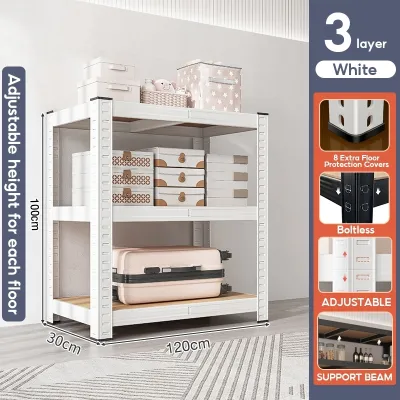
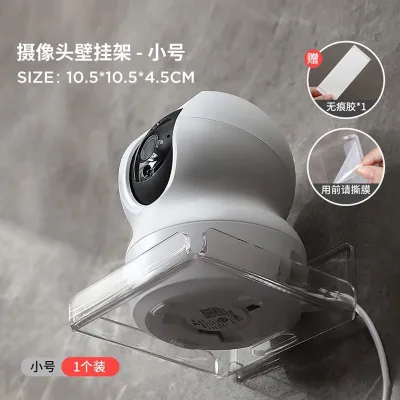
Prices are valid at publication and may change. Please refer to the product page for the latest price.
Stackability is another critical factor when loading a moving truck. Organizers should feature interlocking designs or flat, rigid lids that prevent upper containers from sliding or crushing the ones beneath them. Ergonomic handle designs are equally important, as they allow for secure lifting and carrying through narrow doorways, stairwells, or condominium elevators. Additionally, prioritize organizers that offer dedicated labeling surfaces or clear windows so you can quickly identify contents without unsealing the container.
When dealing with soft goods, you must balance compression efficiency with the preservation of your items. While compressing textiles saves an immense amount of space, over-compression can damage delicate fibers, ruin structured garments, or trap residual moisture. In the humid Philippine climate, any trapped moisture can quickly lead to mold and mildew growth during transit. Therefore, choosing organizers that allow for controlled compression and verifying that all items are completely dry before packing are essential steps in protecting your household goods.
Best Types of Space-Saving Organizers for Your Move
To achieve an organized and space-efficient relocation, it is best to move away from a one-size-fits-all packing strategy. Different household items require distinct levels of protection, structural support, and compression. By matching specific categories of space-saving organizers to their ideal contents, you can maximize every cubic inch of your moving vehicle while keeping your belongings safe from damage.

Vacuum Storage Bags for Bulky Textiles
Vacuum storage bags are highly effective for reducing the volume of bulky, compressible textiles such as bedsheets, thick blankets, pillows, and seasonal clothing. By extracting excess air, these bags can compress soft items by up to eighty percent of their original volume, allowing you to fit multiple bedding sets into a single moving box. However, it is crucial to refer to garment care labels before sealing items, as certain materials should never be vacuum-compressed. Natural down feathers, leather, silk, and heavily structured garments like traditional barong tagalog or gowns can lose their shape, suffer fiber breakage, or become permanently creased under extreme compression.
When shopping for vacuum bags, verify the quality of the one-way valve and the thickness of the plastic film. Opt for bags made from a durable blend of polyethylene and polyethylene terephthalate (PE+PET), which offers superior puncture resistance compared to cheaper, single-layer plastics. Double-zip seals and heavy-duty slider clips help maintain the vacuum seal throughout the duration of your move.
To use these bags safely, always observe the maximum fill line indicated on the plastic. Overfilling puts excessive pressure on the seams, which can cause the bag to burst or slowly leak air during transit, expanding unexpectedly inside your moving truck. Use a standard vacuum cleaner hose or the manufacturer-supplied hand pump to extract the air, stopping once the package feels firm but not completely rock-hard, as slight flexibility prevents the plastic from puncturing when stacked against other items.
Stackable Plastic Bins for Heavy and Fragile Goods
For heavy, fragile, or high-value household items, rigid stackable plastic bins offer a far safer alternative to traditional cardboard boxes. Unlike cardboard, which can soften and collapse under high humidity or sudden tropical downpours, heavy-duty plastic bins maintain their structural integrity regardless of weather conditions. When selecting plastic bins, verify that they feature interlocking lid mechanisms that prevent shifting during transit, reinforced bases that resist bowing under heavy loads, and secure latches that keep the lids firmly attached.
You should also consider the trade-offs between clear and opaque plastic bins. Clear bins allow you to easily identify contents at a glance, which is highly convenient during the unpacking phase, but they offer less privacy for valuable or personal items. Opaque bins provide better security and privacy but require a rigorous labeling system. Regardless of transparency, ensure each bin has a flat, textured surface suitable for adhesive labels or permanent markers.
To prevent structural failure and physical strain, always check the manufacturer’s weight limits and load ratings. Avoid packing heavy items like books, kitchenware, or tools into a single large bin; instead, distribute these items across smaller bins to keep the weight manageable. When stacking bins in a moving truck, place the heaviest bins at the bottom and ensure the interlocking lids are perfectly aligned to distribute the vertical load evenly.
Compression Packing Cubes for Everyday Clothing
Compression packing cubes are excellent for organizing daily wear, undergarments, and lightweight clothing, allowing you to maximize the interior space of suitcases or medium-sized moving boxes. Unlike standard packing cubes that simply organize items, true compression cubes feature a specialized dual-zipper system. Once you pack the cube and close the primary zipper, a second compression zipper runs along the perimeter, drawing the top and bottom panels closer together to squeeze out excess air.
To optimize your packing layout, match the dimensions of your compression cubes to the interior dimensions of your primary moving boxes or luggage. Using a modular approach—such as placing four medium cubes side-by-side—prevents empty gaps and keeps the load from shifting during transport.
The way you pack your clothes inside the cubes also affects both space efficiency and fabric condition. Utilizing the rolling method rather than traditional folding is highly recommended for compression cubes. Rolling clothes tightly minimizes fabric friction, reduces deep wrinkles, and allows you to pack more items into each cube while maintaining an even, flat shape that compresses uniformly.
Wardrobe Boxes with Hanging Rails
Wardrobe boxes are specialized, tall cardboard or plastic containers equipped with an integrated metal or heavy-duty plastic hanging rail. They provide an ideal solution for moving delicate, structured, or high-value clothing—such as suits, formal dresses, coats, and delicate fabrics—directly from your closet without removing them from their hangers. This eliminates the need for folding, packing, and subsequent ironing or professional dry cleaning once you arrive at your new home.
Before purchasing wardrobe boxes, check the load-bearing capacity of the internal hanging rail to ensure it can support the weight of your garments. Heavy winter coats or structured suits require a reinforced metal rail, whereas lightweight shirts and dresses may only need a heavy-duty cardboard support.
Additionally, measure the internal height of the wardrobe box against your longest hanging garments to ensure they do not drag along the bottom of the box, which can cause wrinkling or dirt accumulation. When packing the box, group your clothes by weight and type, placing heavier items toward the outer edges of the rail and lighter items in the center to prevent the rail from bending or collapsing under uneven stress.
Space-Maximizing Packing Techniques for Each Organizer Type
Having the right organizers is only half the battle; how you arrange them inside your moving vehicle determines the overall safety and efficiency of your move. Always follow the heavy-bottom, light-top stacking rule. Place your heaviest, most rigid plastic bins on the floor of the moving truck to create a stable foundation. Stack lighter plastic bins on top of them, and reserve the very top layers for lightweight, flexible items like compression cubes or wardrobe boxes.
You can also use soft, compressed items to your advantage during loading. Vacuum-sealed bags containing pillows, sleeping bags, or soft blankets make excellent protective padding. Wedge these compressed bags into the empty gaps between rigid plastic bins or against the walls of the moving truck to prevent the load from shifting during transit. This technique not only secures your cargo but also utilizes space that would otherwise go to waste.
A highly organized labeling system is essential for a smooth transition. Use color-coded adhesive labels on at least two sides of every bin, box, and bag. Each label should clearly state the destination room (e.g., “Kitchen,” “Master Bedroom”), a brief inventory of the contents, and prominent fragility warnings if applicable. This ensures that the moving crew places each container in the correct room immediately, saving you from lifting heavy bins multiple times.
Common Mistakes to Avoid When Buying and Using Space Savers
One of the most common mistakes when using space-saving organizers is overstuffing. Forcing too many items into vacuum bags or compression cubes puts immense strain on the zippers, seams, and plastic seals. This can cause zippers to split or seals to fail mid-transit, resulting in the sudden expansion of your items, which can damage surrounding cargo or jam the doors of your moving vehicle.
Another critical error, particularly in tropical climates, is trapping moisture inside airtight containers. If you pack clothes or linens that are even slightly damp from humidity or recent washing, sealing them in airtight vacuum bags or plastic bins creates a breeding ground for mold, mildew, and musty odors. Always ensure that every textile is completely dry, clean, and aired out before sealing them away.
Finally, avoid the temptation to use cheap, flimsy, non-stackable plastic bins for heavy household items. While budget-friendly storage bins are suitable for light closet organization, they lack the wall thickness and lid reinforcement required to withstand the vertical pressure of a moving truck. Using substandard bins risks catastrophic collapse, which can ruin your fragile belongings and create a hazardous mess inside the vehicle.
Frequently Asked Questions (FAQ)
Can I reuse vacuum storage bags for the next move?
Yes, high-quality vacuum storage bags are designed for multiple uses, provided they are handled and stored correctly. Before reusing them, inspect the plastic film for micro-tears, check the double-zip seal for debris, and ensure the one-way valve is free of dust. To extend their lifespan, clean the interior with a dry cloth, avoid dragging the bags across rough surfaces, and store them in a cool, dry place away from direct sunlight when not in use.
Are plastic stackable bins better than cardboard boxes for moving?
Plastic stackable bins offer significant advantages over cardboard boxes, particularly in terms of durability, moisture resistance, and stackability. In humid or rainy conditions, cardboard can absorb moisture, weaken, and collapse, whereas plastic bins remain rigid and protect contents from water damage. While plastic bins require a higher initial investment, their reusability for long-term home storage or future moves makes them a highly cost-effective and sustainable choice compared to single-use cardboard boxes.

Community discussion
Share your experience or ask a question. Comments are reviewed before publication.