
Quick Answer: Matching Space Savers to Your Moving Needs
Preparing for a move requires a strategic approach to packing, especially when trying to fit your life into a limited number of moving boxes or transport vehicles. Choosing the right space savers depends entirely on the specific items you need to transport, their vulnerability to compression, and the environmental conditions of your move. By matching your household goods to the correct storage technology, you can protect your belongings while maximizing every cubic inch of cargo space.
To help you make an immediate decision, consider this quick matching guide based on item characteristics:
- Bulky Textiles (Pillows, Comforters, Winter Wear, Plush Toys): Use vacuum storage bags. These rely on air extraction to reduce volume by up to 80 percent, making them ideal for compressible, high-volume fabric items.
- Daily Clothing (T-Shirts, Jeans, Activewear, Undergarments): Use compression packing cubes. These utilize physical zipper tension to flatten clothing without requiring a vacuum pump, keeping your wardrobe organized and ready to wear.
- Rigid, Fragile, or Heavy Items (Books, Kitchenware, Toys, Electronics): Use foldable storage containers. These collapsible plastic crates or fabric bins do not compress the items themselves but fold completely flat when empty, offering rigid structural protection during transit and easy storage afterward.
Before packing, always identify items that should never be compressed. Delicate fabrics, structured garments like formal wear, leather goods, and items filled with natural down feathers can suffer permanent damage, creasing, or structural failure under high pressure. For these items, standard non-compressed packing methods remain the safest choice.
Products mentioned in this guide
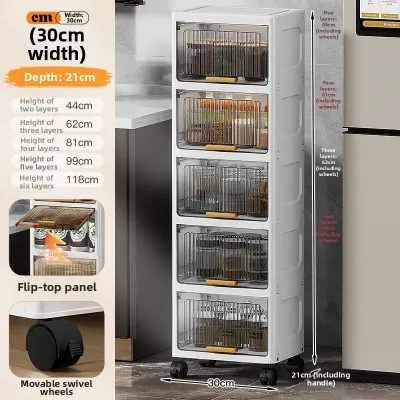
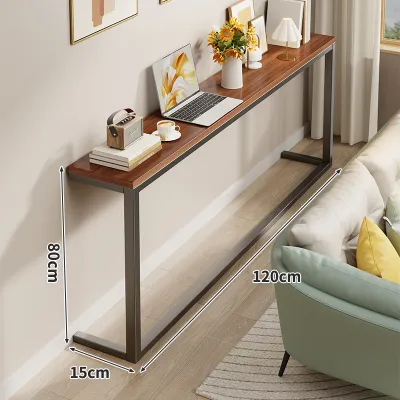
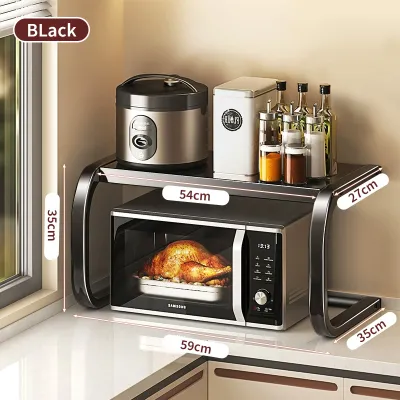
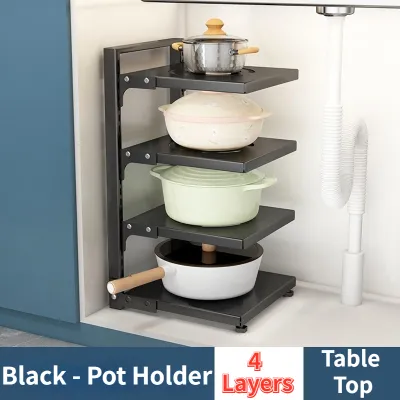
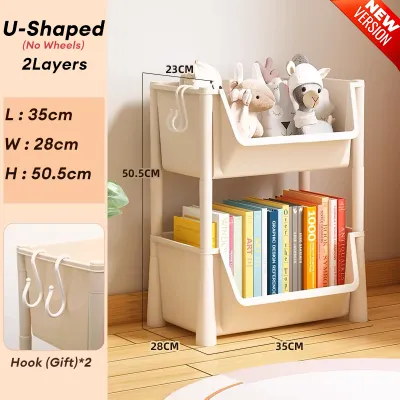
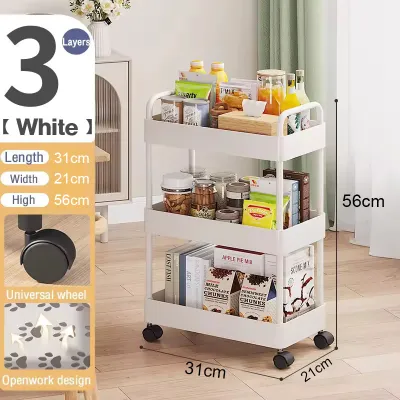
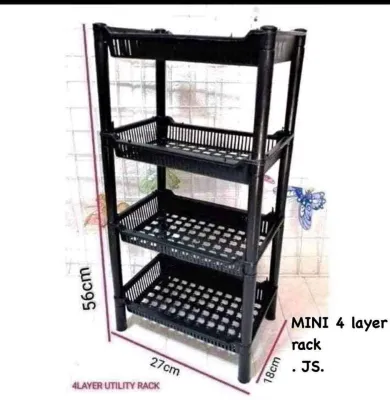
Prices are valid at publication and may change. Please refer to the product page for the latest price.
Vacuum Storage Bags: Maximizing Space for Bulky Textiles
Vacuum storage bags are highly effective for reducing the physical footprint of bulky, air-filled household textiles. When preparing for a move, these bags allow you to pack multiple pillows, thick blankets, and seasonal bedding into a single compact package. However, the performance of these bags depends heavily on their material composition and construction quality.

When evaluating vacuum storage bags on e-commerce platforms, pay close attention to the material blend. High-quality bags are typically manufactured using a blend of Polyamide (PA) and Polyethylene (PE). This combination offers excellent flexibility, puncture resistance, and seal longevity. In contrast, cheaper bags often use a Polyethylene Terephthalate (PET) and Polyethylene (PE) blend, which is more brittle, prone to cracking when folded, and highly susceptible to micro-tears during the rough handling of a move.
Another critical component is the valve assembly. Look for bags equipped with a secure one-way silicone valve. This design ensures that once air is extracted using a vacuum cleaner or a manual hand pump, the valve seals automatically to prevent air from seeping back inside. Avoid basic screw-cap valves without internal silicone flaps, as they frequently leak air during transit, causing the bag to re-inflate inside your moving boxes.
Seal durability is determined by the zipper track. Opt for bags featuring a double-zip seal, which provides two parallel barriers against air leakage. Most reliable brands include a plastic sealing clip to help you press the tracks together firmly. When sealing the bag, slide the clip across the zipper multiple times to ensure there are no gaps, as even a microscopic opening will cause the bag to lose its vacuum over a few hours.
Always respect manufacturer guidelines regarding material limits. Do not use vacuum bags for items filled with natural down feathers, such as premium pillows or comforters. The intense pressure of vacuum compression can snap the delicate feather quills, permanently destroying the loft and insulating properties of the bedding. Similarly, leather jackets and silk garments should not be vacuum-sealed, as the lack of air circulation and tight creasing can cause the materials to crack or degrade.
To avoid moving-day surprises, perform a simple seal integrity check. Pack and compress your vacuum bags three to five days before your scheduled move. Leave them in a designated area and observe them daily. If a bag begins to re-inflate, it indicates a slow leak in the zipper or valve, allowing you to re-seal the track or transfer the items to a fresh bag before the moving truck arrives.
Compression Packing Cubes: Organizing Clothes Without a Vacuum
Compression packing cubes offer a highly portable and convenient alternative to vacuum bags, particularly for daily wardrobe items. Unlike vacuum bags, which require an external pump or vacuum cleaner, compression cubes rely on a secondary perimeter zipper to physically compress packed clothing. This makes them exceptionally useful for organizing clothes that you may need to access immediately before or after your move.
When assessing the build quality of compression cubes, the zipper is the most critical failure point. Because the compression mechanism places immense lateral tension on the zipper teeth, look for cubes equipped with heavy-duty, reinforced zippers. Double-stitched zipper tracks and durable metal pull tabs are essential indicators of a cube that can withstand the pressure of being packed to its absolute limit.
Fabric durability is equally important. High-quality compression cubes are constructed from ripstop nylon or high-density polyester. These materials are lightweight yet highly resistant to tearing and abrasion. Inspect the interior seams of the cubes; they should be bound or double-stitched to prevent fraying and seam slippage under tension. Mesh panels can provide breathability, but ensure the mesh is tightly woven and reinforced where it meets the solid fabric panels.
Sizing is a key consideration when planning your packing strategy. Choose compression cubes that are sized to fit neatly inside your primary moving boxes or travel luggage. Standardizing your cube sizes—such as using medium and large sizes—allows you to stack them side-by-side without leaving empty, wasted spaces inside your moving containers. This modular approach prevents your clothes from shifting and wrinkling during transport.
Be mindful of weight distribution and compression limits. While compression cubes reduce the physical volume of your clothing, they do not reduce its weight. Packing too many heavy denim jeans or thick cotton sweaters into a single large cube can make the package incredibly heavy and difficult to handle. Furthermore, over-compressing can cause the cube to bulge into a rounded shape, making it difficult to stack flat inside a moving box. Aim for a firm, flat profile to maximize stacking efficiency.
Foldable Storage Containers: Protecting Rigid and Fragile Items
Foldable storage containers, such as collapsible plastic crates and fabric-covered folding bins, provide structured protection for items that cannot be compressed. These containers are designed to offer the rigidity of a standard storage box while retaining the ability to fold completely flat when not in use, making them highly space-efficient before and after your move.
When selecting collapsible plastic crates, structural stability is paramount. Examine the load-bearing specifications provided by the manufacturer. Look for crates made from high-impact polypropylene (PP) plastic, featuring reinforced honeycomb patterns on the base and corners. These structural reinforcements prevent the bottom of the crate from sagging when filled with heavy items like books, kitchen utensils, or small household appliances.
Handle design and wall joints are critical areas to inspect. The handles should be molded directly into the frame of the crate rather than attached as separate pieces, ensuring they will not snap off under load. The folding hinges along the side walls must snap firmly into place when the crate is unfolded. A secure locking mechanism prevents the walls from accidentally collapsing inward when the container is being lifted or moved.
Stacking stability is essential for safe transport inside a moving truck. High-quality foldable crates feature interlocking grooves on the top lid and bottom base. These grooves allow multiple crates to stack securely on top of one another, preventing lateral sliding when the moving vehicle encounters bumps or sharp turns. Always place the heaviest crates at the bottom of the stack and lighter ones on top to maintain a low center of gravity.
In the tropical climate of the Philippines, moisture and dust protection are vital considerations during a move. If you are moving during the rainy season, opt for solid-walled plastic foldable containers with tightly fitting lids to protect your belongings from sudden downpours and road dust. For fabric-covered foldable bins, ensure the outer material is water-resistant and easy to wipe clean, and verify that the internal support panels are made of rigid plastic rather than cardboard, which can soften and collapse in high humidity.
Pre-Purchase Checklist: Verifying Quality and Suitability
Buying space-saving products online requires careful verification to ensure you receive durable items that will not fail during your move. Because you cannot physically handle the products before purchase, you must rely on specific indicators of quality and seller reliability.
Use this step-by-step checklist when browsing online marketplaces to verify product claims:
- Cross-Reference Specifications: Do not rely solely on promotional images. Check the product description for exact dimensions, material thickness (such as micron ratings for vacuum bags), and maximum weight capacities. Compare these specifications with customer reviews to see if real-world performance matches the seller's claims.
- Analyze Customer Reviews and Photos: Look for reviews that include actual photos and videos of the products in use. Pay close attention to feedback from buyers who have used the products for moving. Search for keywords like "leak," "tear," "zipper," or "deflate" to identify potential recurring quality issues.
- Inspect Product Construction Details: Zoom in on product photos to examine the quality of the seams, zipper tracks, and valve caps. High-quality vacuum bags will show clear, thick double-zip tracks, while durable compression cubes will feature clean, straight stitching along the zipper lines without loose threads.
- Verify Return Policies and Warranties: Ensure the seller offers a clear return or replacement policy for defective items. This is particularly important for vacuum storage bags, as manufacturing defects in the valves or seals may only become apparent once you attempt to compress them at home.
By taking the time to verify these details before checking out, you can avoid the frustration of receiving low-quality space savers that tear, leak, or break during the critical stages of your household move.
Frequently Asked Questions (FAQ)
Are vacuum bags safe for long-term storage after the move?
Vacuum bags are generally safe for short-to-medium-term storage during and immediately after a move, but they are not recommended for indefinite long-term storage of certain items. Most manufacturers suggest decompressing fabrics every six months to allow the fibers to breathe and regain their natural loft. Keeping items like wool blankets, heavy coats, or synthetic pillows compressed for years can permanently flatten the fibers, reducing their softness and insulating capabilities. Additionally, over extended periods, plastic seals can slowly degrade, allowing moisture-laden air to seep back inside.
How do I prevent mold in space-saving bags in humid climates?
To prevent mold and mildew inside sealed storage bags in humid tropical environments, you must ensure that every item is completely dry before packing. Even a tiny amount of residual moisture can trap humidity inside the airtight environment, leading to rapid mold growth. Wash and thoroughly dry all textiles, preferably under direct sunlight or in a high-heat dryer, before sealing them. As an added precaution, place several silica gel desiccant packs inside each bag before extracting the air. These packs will absorb any remaining moisture and protect your clothes from musty odors.
Can foldable containers be stacked safely on moving trucks?
Yes, foldable containers can be stacked safely on moving trucks, provided you follow proper loading guidelines and respect the manufacturer’s structural limits. Only stack containers that feature interlocking lids and bases designed specifically for stacking. Always place the heaviest, most rigid plastic crates at the bottom of the stack to create a stable foundation, and limit the stack height to three or four units to prevent tipping. Avoid stacking fabric-covered foldable bins too high, as their soft sides can bulge and cause the stack to lean during transit.

Community discussion
Share your experience or ask a question. Comments are reviewed before publication.