
Finding the ideal mobile cooking station for a Philippine kitchen requires balancing durability, storage, and workspace. A high-quality stainless drawer cabinet serves as an excellent foundation for this setup. It provides a hygienic, heat-resistant surface for food preparation alongside robust, organized storage for your essential cooking tools. Whether you are running a home-based food business, upgrading a compact condo kitchen, or setting up an outdoor grilling station, choosing the right configuration ensures your prep work remains efficient and safe.
In the humid, tropical climate of the Philippines, standard wooden or laminate furniture can warp, swell, or harbor mold. Stainless steel stands out as the premier material because it resists moisture, handles hot pots directly from the stove, and is incredibly easy to sanitize. By focusing on key structural details like steel grade, caster quality, and drawer configurations, you can transform a simple storage unit into a highly functional, movable culinary hub.
Core Criteria for a Mobile Prep Station
To select a stainless drawer cabinet that successfully transitions from a storage unit to an active mobile prep station, you must evaluate how it performs under pressure. Food preparation involves vigorous activities like chopping, kneading, and mixing, which demand more from a piece of furniture than static storage does.
Products mentioned in this guide
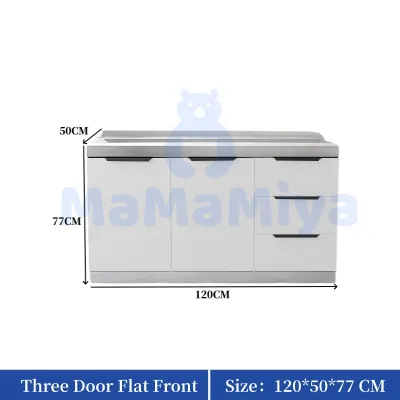
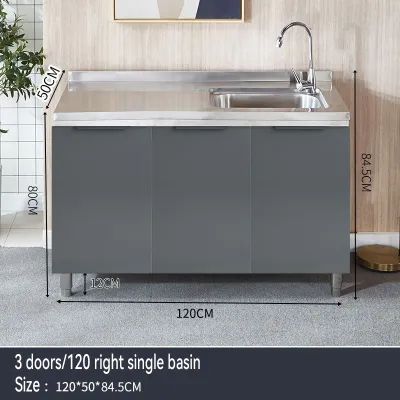
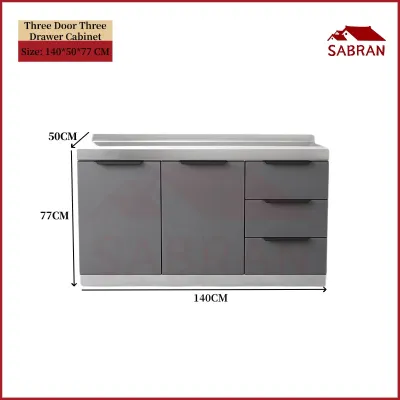
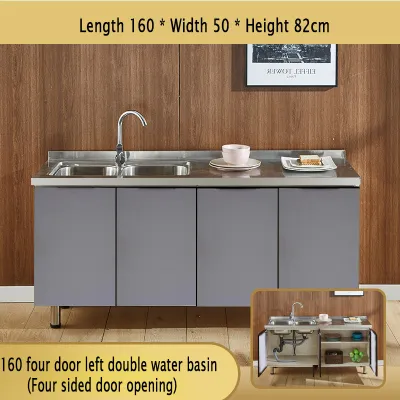
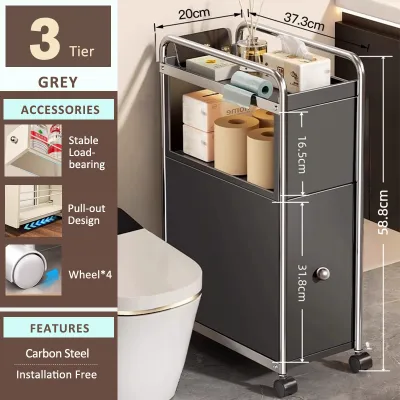
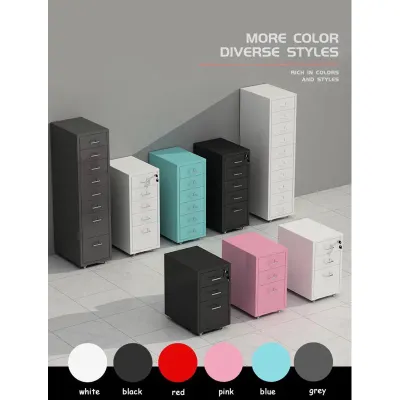


Prices are valid at publication and may change. Please refer to the product page for the latest price.
Workspace Adequacy The top surface of your cabinet is your primary culinary workspace. For comfortable food preparation, aim for a minimum surface width of 60 to 90 centimeters and a depth of at least 50 centimeters. This footprint provides enough room to place a large cutting board, arrange your prep bowls, and keep active ingredients within arm’s reach without feeling restricted. If your workspace is too small, you will constantly find yourself transferring items back and forth to your main kitchen counters, defeating the purpose of a dedicated mobile station.
Storage Efficiency A functional mobile station must keep the top surface completely clear of clutter. This is where drawer depth and internal configuration become critical. Shallow top drawers are perfect for organizing chef’s knives, tongs, spatulas, and measuring spoons, keeping them immediately accessible. Deeper bottom drawers should be spacious enough to house heavier items like mixing bowls, small food processors, or dry ingredients like flour and rice containers, keeping the center of gravity low and the workspace clean.
Mobility and Stability A mobile station is only as good as its wheels. Because most Philippine kitchens feature ceramic tile, polished concrete, or terrazzo flooring, the cabinet must glide smoothly without scratching the surface. Heavy-duty casters are essential, and at least two of these wheels must feature robust, independent locking mechanisms. When locked, the cabinet should remain absolutely stationary, resisting the lateral forces generated when you are chopping tough vegetables or kneading dough.
Material Grade The tropical climate of the Philippines, characterized by high relative humidity and salt-laden air in coastal regions, is highly corrosive to lower-quality metals. Selecting the correct grade of stainless steel is paramount for long-term durability and food safety. High-quality steel prevents rust, resists pitting from acidic ingredients like calamansi or vinegar, and ensures that your prep surface remains completely sanitary and free of bacterial buildup over years of daily use.
Best Stainless Drawer Cabinet Types for Mobile Prep
Because kitchen layouts and culinary needs vary widely across Philippine households, there is no single best configuration for everyone. Understanding the distinct types of stainless drawer cabinets available allows you to match the right structure to your specific space constraints and cooking style.

Commercial-Grade Prep Tables with Integrated Drawers
For passionate home cooks, semi-professional bakers, or those with spacious kitchens, commercial-grade prep tables with integrated drawers offer unmatched durability. These units are built to withstand the rigorous demands of professional kitchens, featuring thick-gauge stainless steel tops and heavy-duty drawer slides that can handle significant weight without buckling. The worktops are expansive, providing ample space for heavy appliances like stand mixers or commercial-grade blenders alongside your cutting boards.
Before purchasing a commercial-grade unit, it is crucial to measure your kitchen’s physical dimensions and access points. These tables often feature a larger, non-collapsible footprint that may not easily fit through standard residential doorways, narrow hallways, or condominium service elevators. Additionally, check the load capacity of the drawers; high-quality commercial units typically support up to 30 to 50 kilograms per drawer, allowing you to store heavy cast-iron skillets, clay pots, or bulk bags of rice without risking drawer misalignment.
These robust stations are best suited for homeowners who have a dedicated space in their kitchen or dirty kitchen area. The sheer weight of commercial tables provides excellent natural stability, making them virtually tip-proof even when you are performing heavy-duty tasks like rolling out pastry dough or processing large cuts of meat.
Compact Kitchen Carts with Extendable Worktops
If you are living in a modern condominium or a smaller townhouse in Metro Manila, space is at a premium. A compact kitchen cart featuring a stainless drawer cabinet base and an extendable worktop offers the perfect balance of utility and space preservation. These units typically feature drop-leaf wood extensions or slide-out stainless panels that instantly expand your prep area when needed, and fold down flat when the cooking is done.
The drawer layouts in compact carts are generally optimized for vertical efficiency. Instead of massive, deep compartments, they often feature a series of smaller, tiered drawers designed to organize spices, hand tools, kitchen scales, and dish towels. This keeps your essential prep gear organized in a small footprint, preventing small items from getting lost in deep, dark drawer bases.
The primary advantage of this style is its high maneuverability. When not in use, you can easily roll the cart into a corner, park it flush against a wall, or tuck it into a pantry closet. This flexibility keeps your kitchen walkways clear and prevents the space from feeling cramped during non-cooking hours.
Multi-Tier Utility Carts with Deep Drawer Bases
For those who want a hybrid solution that balances open accessibility with closed, hygienic storage, multi-tier utility carts with deep drawer bases are an outstanding option. These carts typically feature an open middle shelf combined with a heavy-duty drawer cabinet at the bottom or top. This design allows you to keep frequently used, bulky items like cutting boards, mixing bowls, or rice cookers on the open shelves for quick access, while protecting sensitive tools like knives, silverware, and clean linens inside the sealed drawers.
This multi-tier configuration is highly effective at keeping the main stainless worktop completely clear for active food preparation. Because you can store your active ingredients on the lower open shelf during the prep phase, you do not have to crowd your chopping area with bowls of chopped garlic, onions, and meat.
Additionally, these versatile carts can easily transition from a prep station to a mobile serving cart. If you enjoy hosting outdoor barbecues or family gatherings on your patio, you can prep your ingredients indoors, roll the cart out to your dining area or garden, and use the open tiers to hold serving platters, ice buckets, and drinks while using the top surface as a carving station.
Key Specifications to Verify Before Buying
When browsing online marketplaces or visiting local restaurant supply stores in the Philippines, you will encounter many products that look identical on screen but perform vastly differently in reality. Verifying specific technical details on product labels or manufacturer specification sheets is critical to making a safe, long-lasting investment.
Steel Grade Verification Always verify the exact grade of stainless steel used in the cabinet’s construction. Look for genuine 304-grade (often labeled as 18/8 stainless steel, representing 18% chromium and 8% nickel) for the worktop and drawer fronts. Grade 304 offers superior corrosion resistance, making it highly resilient against the humid Philippine climate and acidic food spills. In contrast, cheaper 201-grade stainless steel contains less nickel and more manganese; while it is more affordable, it is highly susceptible to rust spots and pitting when exposed to salt, moisture, and acidic ingredients over time.
Caster Quality Examine the material and construction of the caster wheels. Avoid cheap, hard plastic wheels, which can crack under heavy loads, make excessive noise, and scratch or chip delicate ceramic floor tiles. Instead, look for casters made of polyurethane (PU), thermoplastic rubber (TPR), or heavy-duty vulcanized rubber. These materials absorb vibrations, roll silently across tile grout lines, and provide excellent grip. Ensure that the casters are rated to support the total weight of the cabinet when fully loaded, and verify that at least two wheels feature heavy-duty, foot-operated brakes that lock both the wheel rotation and the swivel mechanism.
Weight Capacity Never assume a metal cabinet can hold unlimited weight. Always check the manufacturer’s specified weight limits for both the top prep surface and the individual drawers. A quality mobile station should support at least 100 to 150 kilograms on the top worktop to safely accommodate heavy appliances and manual prep pressure. Individual drawers should feature heavy-duty ball-bearing slides with a load capacity of at least 15 to 25 kilograms to prevent the metal from sagging, the slides from jamming, or the cabinet from tipping forward when multiple drawers are pulled out.
Assembly and Welding Inspect the quality of the joints, welds, and edges. High-quality stainless steel furniture features smooth, fully welded joints that have been ground down and polished. Avoid cabinets with rough, exposed weld beads or sharp, unfinished sheet metal edges, as these can cause painful cuts during food prep or cleaning. Furthermore, seamless welds and rounded internal corners prevent food particles, grease, and moisture from getting trapped, eliminating breeding grounds for bacteria and pests in your kitchen.
Caring for Stainless Steel in Humid Environments
While 304-grade stainless steel is highly durable, it is not completely indestructible. Implementing a consistent, proper maintenance routine is essential to preserve its hygienic properties, prevent surface staining, and ensure the drawer mechanisms operate smoothly for years to come.
Daily Cleaning For daily maintenance, clean your stainless steel surfaces using mild dishwashing soap, warm water, and a soft microfiber cloth. Always wipe in the direction of the metal’s brushed grain to prevent micro-scratches. Avoid using abrasive scouring pads, steel wool, or harsh chemicals such as chlorine bleach, hydrochloric acid, or abrasive powder cleansers. These harsh agents strip away the chromium oxide passive layer that protects the steel from rusting, leading to rapid corrosion in humid environments.
Drying Techniques In many regions of the Philippines, tap water contains high concentrations of minerals, commonly referred to as hard water. If you allow water to air-dry on your stainless cabinet, it will leave behind unsightly white mineral deposits, water spots, and potential rust-initiating rings. Always use a clean, dry microfiber cloth or chamois to wipe the entire cabinet completely dry after every wash, restoring its clean, reflective shine.
Hardware Checks A mobile cabinet experiences constant vibrations as it rolls over tile grout lines, doorways, and outdoor patio stones. Over time, these minor vibrations can gradually loosen the bolts connecting the casters to the frame, as well as the screws securing the drawer handles and slides. Make it a habit to inspect and tighten all structural hardware every six months using basic hand tools, ensuring the cart remains structurally stable, safe, and rattle-free.
Frequently Asked Questions (FAQ)
Can I use a 201 stainless steel cabinet for food preparation?
While you can use a 201-grade stainless steel cabinet for general kitchen storage, it is not ideal for direct, heavy food preparation. Grade 201 has lower corrosion resistance compared to grade 304, meaning it can easily develop rust spots when exposed to water, raw meats, salt, or acidic ingredients like vinegar and citrus juices. If you do use a 201-grade cabinet, always use a large, non-porous cutting board to prevent food contact with the metal, clean up spills immediately, and wipe the entire unit completely dry after every use.
How do I prevent the cabinet from rolling while chopping?
To ensure your mobile station remains completely stable during active kitchen tasks, always engage all available wheel brakes before you begin prep work. For added stability during heavy chopping, kneading, or grinding, position the cabinet flush against a sturdy wall or a fixed kitchen counter edge to absorb lateral forces. Additionally, always place a damp kitchen towel or a silicone non-slip mat directly underneath your cutting board to prevent the board itself from sliding around on the smooth, low-friction stainless steel surface.
Are wooden worktops on stainless carts better than pure stainless steel?
The choice between wood and stainless steel tops depends on your maintenance habits and cooking style. Wooden worktops, such as those made from rubberwood or bamboo, are gentler on your kitchen knives and provide a warm, rustic aesthetic, but they require regular food-safe mineral oil treatments and can harbor mold or warp in the humid Philippine climate if not dried perfectly. Pure stainless steel worktops are highly superior in terms of hygiene, heat resistance, and ease of sanitization, though they will quickly dull knife blades if you chop directly on them without using a separate cutting board.

Community discussion
Share your experience or ask a question. Comments are reviewed before publication.