
Selecting the right furniture for a high-traffic, high-moisture cooking environment requires balancing durability, hygiene, and spatial efficiency. In tropical regions like the Philippines, where high relative humidity, intense heat, and seasonal monsoon dampness are constant factors, traditional wood or particleboard furniture can quickly succumb to warping, mold, and destructive pests like termites. Investing in a high-quality steel kitchen cabinet system or a mobile prep island offers an exceptionally resilient, hygienic, and long-lasting alternative for modern home kitchens.
Steel furniture stands up to the rigorous demands of daily meal preparation while maintaining its structural integrity over decades. Whether you are looking to overhaul your entire kitchen layout with fixed storage or simply want to introduce an adaptable workspace with a mobile cart, understanding the nuances of steel construction is essential. By focusing on material grades, protective finishes, and smart spatial planning, you can build a highly functional kitchen that remains pristine and pest-free.
The Practical Benefits of Steel in Home Kitchens
Integrating steel into your home kitchen provides immediate functional advantages, particularly in environments prone to high humidity and temperature fluctuations. Unlike wood composites, which absorb ambient moisture and swell over time, steel is completely non-porous. This moisture resistance prevents the warping, rotting, and structural sagging that often plague lower-end cabinetry in tropical climates. Furthermore, steel is entirely impervious to wood-boring insects and termites (anay), offering peace of mind to homeowners who want to protect their furniture investments from costly pest damage.
Products mentioned in this guide
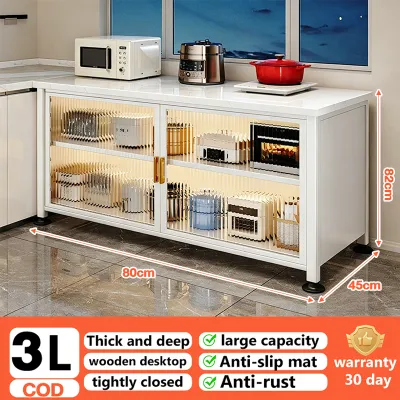
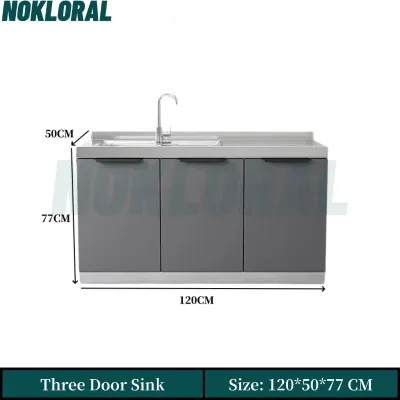
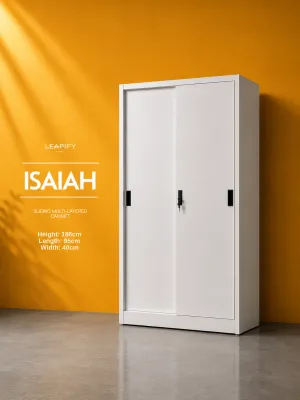
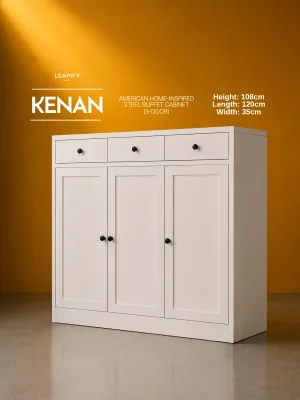
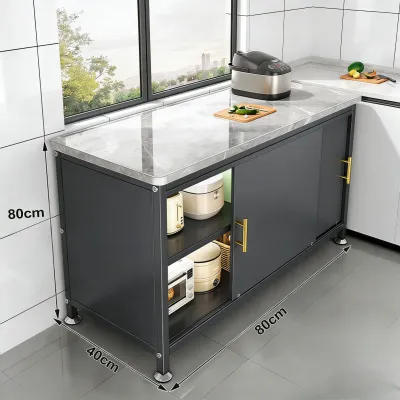
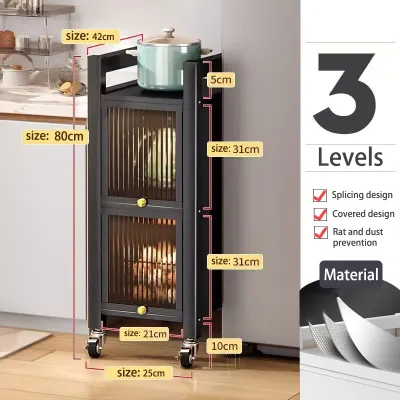
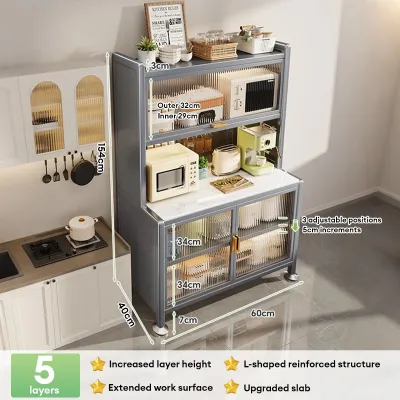
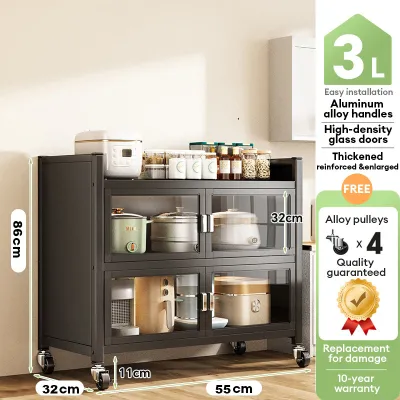
Prices are valid at publication and may change. Please refer to the product page for the latest price.
From a hygiene standpoint, steel surfaces are incredibly easy to clean and sanitize, making them ideal for active home cooks. The non-porous nature of the material means food residues, oils, and bacteria cannot penetrate the surface, reducing the risk of cross-contamination during meal prep. Steel also boasts excellent heat resistance, allowing you to place hot pots or baking sheets nearby without worrying about scorching, cracking, or discoloration. This makes it a highly practical backdrop for heavy daily cooking routines.
However, it is important to understand that the term “steel” alone does not guarantee a lifetime of maintenance-free use. Raw steel is highly susceptible to oxidation and rust when exposed to moisture and air. The longevity of your furniture depends heavily on its specific surface treatment—such as powder coating or chrome plating—and the grade of stainless steel used. To ensure your cabinets and islands remain free from corrosion and unsightly scratches, you must verify these manufacturing specifications and strictly adhere to recommended care guidelines.
How to Evaluate Steel Quality and Construction
Before purchasing any steel kitchen furniture, you should evaluate its technical specifications to ensure it can handle the physical demands of your household. High-quality construction prevents denting, wobbling, and premature wear, saving you from premature replacement costs.

Material Specifications
When shopping for stainless steel, pay close attention to the alloy grade. Grade 304 stainless steel is the gold standard for residential and commercial kitchens because it contains high levels of chromium and nickel, providing superior resistance to rust, corrosion, and food acids. Grade 201 stainless steel is a more budget-friendly alternative; however, it contains less nickel and is significantly more prone to “tea staining” (surface rust) in highly humid or coastal environments. Additionally, check the steel gauge (thickness)—a lower gauge number indicates thicker, stronger steel. For home kitchens, an 18-gauge to 16-gauge steel is ideal for worktops and heavy shelving, as it resists denting under the weight of heavy appliances, mortars, and cast-iron cookware.
Surface Finish and Treatment
For non-stainless steel options, powder-coated carbon steel is a highly popular choice. Powder coating involves applying a dry thermoplastic powder that is cured under heat to form a hard, protective skin. This finish is available in various colors to match your kitchen decor and offers excellent rust resistance, provided the coating remains fully intact. If the powder coating is chipped or deeply scratched, moisture can reach the underlying steel and cause rust to spread beneath the surface. Conversely, bare stainless steel does not rely on a coating for protection but requires specialized, non-abrasive cleaning to prevent water spotting, fingerprints, and chemical corrosion from harsh household cleaners.
Structural Integrity
Examine the joints and assembly methods of any cabinet or table you consider. Fully welded joints offer maximum strength, seamless lines, and eliminate small crevices where grease and dirt can accumulate. If the unit requires home assembly, inspect the quality of the connecting hardware, the reinforcement channels beneath flat surfaces, and the thickness of the shelving brackets. Drawers should operate on heavy-duty, ball-bearing slides that glide smoothly even when fully loaded with heavy woks or dry goods. Look for soft-close mechanisms that prevent drawers from slamming, which can cause internal items to shift and stress the cabinet frame.
Mobility and Hardware
For mobile islands and utility carts, the quality of the casters (wheels) is paramount. Ensure the unit features heavy-duty casters with a rated weight capacity that exceeds your planned storage load. At least two of the casters must feature reliable, easy-to-operate locking mechanisms to keep the unit completely stationary during active prep work like chopping or kneading. Additionally, verify that the wheel material is compatible with your kitchen floor. Polyurethane or soft rubber wheels are highly recommended for tiled, polished concrete, or laminate floors, as they roll quietly and prevent scratching or cracking, whereas hard plastic or metal wheels can damage fragile flooring surfaces.
Choosing the Best Steel Kitchen Cabinet and Storage Configurations
To optimize your kitchen’s storage capacity, you should select cabinet configurations tailored to the specific items you need to store. Utilizing a mix of freestanding, base, and wall-mounted steel units allows you to maximize every square inch of your room.
Freestanding Steel Pantry Cabinets
Tall, freestanding steel pantry cabinets are the ultimate solution for bulk ingredient storage, large packages, and seasonal kitchen appliances. These units leverage vertical space, making them highly efficient for compact kitchens or dedicated pantry areas. When selecting a freestanding cabinet for a humid climate, look for models that feature built-in ventilation slots, louvers, or mesh doors. Continuous airflow is essential to prevent stagnant, humid air from trapping moisture inside, which can lead to mold growth on paper food packaging or cardboard boxes. Before purchasing, always measure your floor space and ensure there is ample clearance for the doors to swing open fully without blocking main walkways.
Steel Base Cabinets with Deep Drawers
Steel base cabinets positioned beneath your primary countertops provide highly ergonomic storage for heavy cookware, daily utensils, and mixing bowls. Opting for deep, pull-out drawers rather than standard cabinet doors allows you to access items stored at the very back without having to bend down or empty the front of the cabinet. When evaluating these units, verify the maximum weight capacity per drawer—reputable manufacturers will explicitly state these limits, which typically range from 30 to 50 kilograms for heavy-duty residential slides. Ensure the drawers feature secure detents or soft-close dampeners to prevent them from rolling open unexpectedly if the floor is slightly uneven.
Wall-Mounted Steel Shelving Units
Wall-mounted steel shelves are excellent for keeping frequently used ingredients, spices, and lightweight tools visible and immediately accessible. Because they lack solid doors and sides, open steel shelves promote maximum ventilation and prevent the buildup of stale odors. However, installing wall-mounted shelving requires strict attention to safety. You must verify the construction of your kitchen walls; concrete hollow block walls require heavy-duty masonry expansion bolts, while drywall installations demand that brackets be anchored directly into wooden or metal wall studs. Never rely on simple plastic wall plugs for heavy kitchen storage, and always distribute weight evenly across the shelf to remain well within the manufacturer’s specified load limits.
Top Mobile Prep Islands and Carts for Daily Cooking
If you require an adaptable workspace that can change based on your daily cooking tasks, mobile steel islands and utility carts offer unmatched versatility. These units can serve as prep stations, temporary storage hubs, or mobile serving carts.
Stainless Steel Prep Tables with Locking Casters
For home cooks who engage in heavy food preparation—such as kneading bread dough, butchering meat, or processing large batches of vegetables—a commercial-style stainless steel prep table is an invaluable addition. These tables feature a flat, seamless stainless steel worktop that is exceptionally easy to scrape clean and sanitize. To ensure stability during vigorous kitchen tasks, select a table that includes a sturdy lower shelf (undershelf). This lower shelf not only provides convenient storage for heavy appliances like food processors or stand mixers but also lowers the table’s center of gravity, making it significantly more stable when the casters are locked.
Multi-Tier Utility Carts with Steel Frames
Multi-tier utility carts feature compact footprints and lightweight steel frames, making them incredibly easy to maneuver through tight spaces. These carts are ideal for organizing daily condiments, cooking oils, spices, or cleaning supplies, allowing you to roll them directly to your prep zone and tuck them away when finished. When choosing a utility cart, check the vertical distance between the tiers to ensure they can accommodate tall bottles of oil or vinegar. Additionally, look for a cart with a sturdy, ergonomically positioned handle that allows you to push or pull the unit comfortably without straining your wrists.
Kitchen Island Carts with Mixed Material Tops
If you want the durability of a steel frame but prefer a warmer, more traditional aesthetic, a kitchen island cart with a mixed-material top is an excellent choice. These units typically feature a robust steel frame paired with a thick wood or butcher block countertop. This hybrid design allows the cart to function as a beautiful serving station or a casual dining bar. However, keep in mind that while the steel frame requires minimal maintenance, the wood top demands specific care. You must regularly treat the wood with food-safe mineral oil to prevent it from drying out, cracking, or absorbing moisture, and you must protect it from direct heat and pooling liquids to avoid permanent staining.
Fixed Cabinets vs. Mobile Islands: Choosing the Right Setup
Deciding between fixed steel cabinetry and a mobile prep island depends on your kitchen’s layout, your homeownership status, and your daily cooking habits. Both configurations offer distinct advantages and trade-offs that you should carefully weigh before making an investment.
| Feature / Dimension | Fixed Steel Cabinets | Mobile Prep Islands & Carts |
|---|---|---|
| Space Requirement | High; requires dedicated wall or floor footprint | Low to Moderate; can be rolled away or tucked in a corner |
| Flexibility | Permanent installation; cannot be easily rearranged | High; easily moved to adapt to different tasks or layouts |
| Primary Use Case | Maximum long-term storage for heavy cookware and dry goods | Adaptable workspace, temporary storage, and serving assistance |
| Installation Effort | High; requires leveling, anchoring, and potential professional assembly | Low; usually requires basic assembly and caster attachment |
| Ideal Kitchen Size | Medium to Large kitchens with dedicated wall space | Small, narrow, or multi-use kitchens needing flexible space |
The Decision Matrix
To determine which option best suits your household, consider the following scenarios:
- Choose Fixed Steel Cabinets if: You own your home, have a dedicated kitchen layout with underutilized wall space, and need to maximize your storage capacity for heavy kitchenware, bulk dry goods, or large appliance collections. Fixed cabinets provide a permanent, highly stable foundation for a streamlined kitchen.
- Choose Mobile Prep Islands if: You live in a rental property where permanent modifications are prohibited, have a small or narrow kitchen where a fixed island would block traffic, or require an adaptable workspace that can transition from a prep table to a buffet server during social gatherings.
Combining Both Systems
For many home cooks, the most efficient setup is a hybrid approach. You can install fixed steel cabinets along the perimeter walls of your kitchen to handle the bulk of your heavy storage needs, and position a compact mobile prep island in the center. This combination allows you to keep your main walkways clear when the island is not in use, while providing a flexible, close-at-hand workspace when preparing complex meals. To maintain an efficient kitchen work triangle (the path between your sink, stove, and refrigerator), ensure there is at least 90 to 120 centimeters of open clearance around your mobile island when it is parked in its primary prep position.
Pre-Purchase Space Planning and Safety Checklist
To ensure your new steel kitchen furniture fits perfectly and operates safely, complete this practical checklist before finalizing your purchase:
- Delivery and Access: Measure all entry points, including exterior doorways, narrow hallways, stairwells, and elevator doors (especially if you live in a high-rise condominium). Fully welded steel cabinets cannot be disassembled, so you must verify that the delivery path can accommodate the unit's fully assembled dimensions.
- Floor and Leveling: Uneven kitchen floors can cause tall steel cabinets to wobble, which puts unnecessary stress on the joints and causes doors to misalign. Choose cabinets equipped with adjustable leveling feet so you can compensate for floor imperfections and ensure the unit is perfectly plumb.
- Clearance and Workflow: Carefully measure the space surrounding your planned cabinet or island location. Ensure there is sufficient clearance for cabinet doors to swing open fully and drawers to extend completely without colliding with walls, other appliances, or blocking traffic lanes.
- Safety and Anchoring: Tall, freestanding steel cabinets can become top-heavy when loaded with items on upper shelves, presenting a serious tip-over hazard. You must securely anchor tall cabinets to the wall using heavy-duty anti-tip hardware and appropriate wall anchors, particularly in homes with children, pets, or in regions prone to seismic activity.
Frequently Asked Questions (FAQ)
How do I maintain powder-coated steel cabinets in a humid climate?
To maintain powder-coated steel cabinets in humid environments, regularly wipe down all surfaces with a soft microfiber cloth dampened with a solution of mild dish soap and warm water. Avoid using abrasive scrubbing pads, steel wool, or harsh chemical cleaners containing bleach or acids, as these can scratch or degrade the protective powder coating. If you notice any deep scratches or chips that expose the bare metal, touch them up immediately with a matching rust-inhibiting paint to prevent moisture from seeping under the coating and initiating rust. Always dry the surfaces thoroughly with a clean towel after washing to prevent moisture buildup in seams and joints.
Can I place a heavy steel prep island on fragile tiled flooring?
Yes, you can place a steel prep island on tiled flooring, but you must take specific precautions to prevent cracking or scratching. First, check the total weight of the fully loaded island against your tile manufacturer’s load-bearing guidelines. Ensure the island is equipped with wide, non-marking polyurethane or soft rubber casters, which distribute weight more evenly and roll smoothly without scratching ceramic or porcelain tiles. Avoid using hard nylon, plastic, or metal wheels. If you are using a stationary steel cabinet, place protective rubber cups or heavy-duty felt pads beneath the leveling feet to cushion the contact points and prevent localized stress cracks on your tiles.

Community discussion
Share your experience or ask a question. Comments are reviewed before publication.