
Packing clothes for a move requires balancing protection, space, and budget. The ideal box for storage clothes depends heavily on your garments’ fabric, the moving distance, and the local climate. For standard t-shirts and jeans, heavy-duty cardboard boxes offer a cost-effective solution, while plastic storage bins provide essential protection against tropical humidity and sudden downpours during transit. Specialized wardrobe boxes keep formal wear pristine on hangers, and vacuum bags compress bulky bedding to maximize vehicle space. By matching the right container to your wardrobe, you can prevent wrinkles, mold, and damage throughout your moving journey.
How to Choose the Right Storage Box for Clothes
Selecting the right container starts with a realistic assessment of your wardrobe’s volume, weight, and fabric types. Heavy textiles like denim and blankets quickly accumulate weight, requiring sturdy, reinforced containers to prevent bottom blowouts. Conversely, delicate garments such as silk blouses or formal wear require gentle handling and protection from crushing. Grouping your clothes by weight and fabric type before purchasing containers ensures you do not overload fragile boxes or waste premium plastic bins on low-priority items.
The logistics of your move also dictate your storage choices. In tropical regions like the Philippines, sudden afternoon rain showers and high humidity are constant factors during a lipat bahay (home move). If your belongings will be transported in an open-air vehicle or stored temporarily in a garage, weather-resistant containers are non-negotiable. Additionally, consider the physical handling involved: navigating narrow stairwells, tight doorways, or multi-story apartment lifts requires boxes with secure, ergonomic handles that can be lifted comfortably without slipping.
Products mentioned in this guide
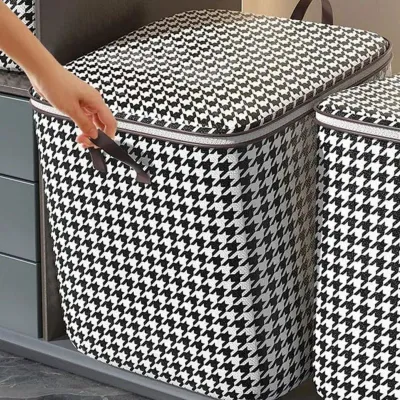
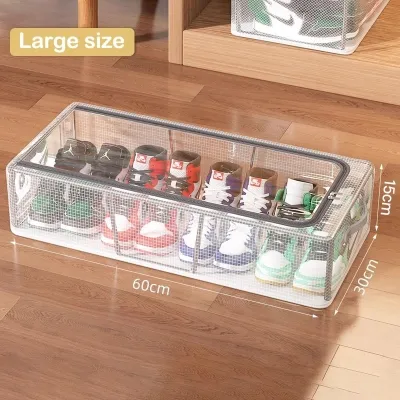
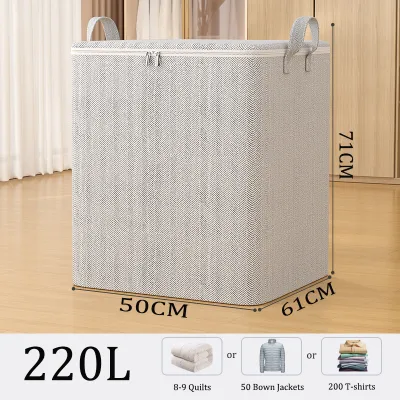
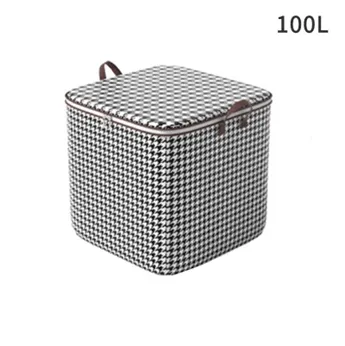
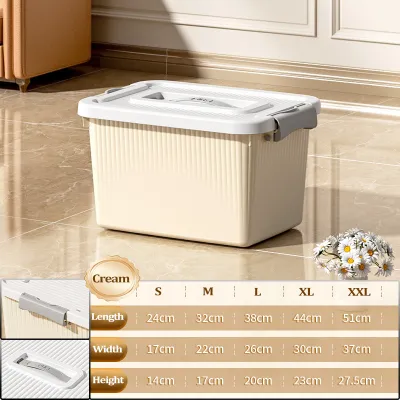
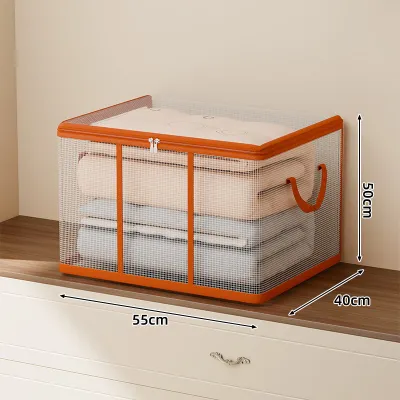
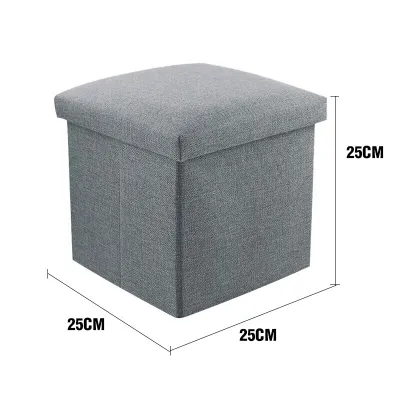
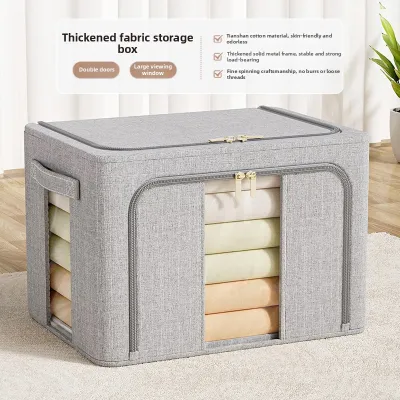
Prices are valid at publication and may change. Please refer to the product page for the latest price.
Post-move utility is another critical decision point. Ask yourself whether you need containers that transition directly into long-term home organization or if disposable options are more practical. High-quality plastic bins can be stacked in closets or under beds to protect seasonal wear from dust and pests for years to come. If you have limited storage space in your new home, collapsible fabric bins or recyclable cardboard boxes that fold flat are far more efficient, as they will not clutter your living space once unpacked.
Finally, always verify the physical dimensions of your chosen boxes against your available space. Measure your doorways, hallways, and the cargo area of the moving vehicle before packing. Oversized boxes might hold more garments, but they are difficult to maneuver through tight corners and can easily block pathways. Standardizing your box sizes also makes stacking much safer and more stable, preventing tall columns of clothes from tipping over during transit.
Best Types of Storage Boxes for Moving Clothes
When comparing options, look beyond basic material names to evaluate structural integrity, lid security, and handle strength. A simple comparison matrix highlights how different materials perform across key categories:

| Container Type | Durability | Weather Resistance | Cost-Efficiency | Reusability |
|---|---|---|---|---|
| Plastic Storage Bins | High | Excellent | Moderate | High |
| Heavy-Duty Cardboard | Moderate | Low | High | Low to Moderate |
| Fabric Bins & Cubes | Low to Moderate | Low | Moderate | High |
| Vacuum Storage Bags | Low (Puncture Risk) | High (Sealed) | High | Moderate |
While plastic offers unmatched moisture protection, cardboard remains the most budget-friendly choice for dry, short-distance moves. Fabric bins provide excellent breathability for daily use but lack the structural strength needed for heavy stacking. Understanding these trade-offs allows you to mix and match container types to build a secure, cost-effective packing system.
Plastic Storage Bins
Plastic storage bins are the gold standard for protecting clothing from external elements. Their rigid, waterproof walls shield garments from dust, pests, and water damage, making them indispensable during rainy-season moves. Because they are highly stackable, you can safely pile multiple bins on top of one another in a moving truck without worrying about the bottom containers collapsing. After the move, these bins serve as durable, long-term storage solutions for closets, attics, or under-bed spaces.
However, plastic bins come with a higher upfront cost, often ranging from ₱200 to ₱600 or more per bin depending on capacity and plastic thickness. They also occupy a fixed amount of space even when empty, which can complicate transport before packing and clutter your new home if you do not plan to reuse them. To get the most out of your investment, verify the lid latching mechanisms and ensure the handles are reinforced and comfortable to grip. Avoid brittle, thin-walled plastic variants that can crack under pressure or split when stacked in a warm moving truck.
Heavy-Duty Cardboard Boxes
Heavy-duty cardboard boxes are the traditional, highly accessible choice for packing standard clothing. They are incredibly lightweight, affordable, and easy to break down flat when not in use, making them simple to store before the move and easy to recycle afterward. Cardboard is also highly customizable; you can easily write detailed labels directly on the surface or use color-coded tape to organize your wardrobe by room or family member.
The primary drawback of cardboard is its vulnerability to environmental factors. Cardboard absorbs moisture quickly, which can lead to structural softening, tearing, and bottom blowouts if the boxes are overloaded or exposed to rain. To prevent these issues, always select double-walled corrugated cardboard boxes designed specifically for moving rather than flimsy, single-walled grocery boxes. Reinforce the bottom seams with high-quality packing tape using the “H-tape” method, and avoid packing heavy winter coats or denim in oversized cardboard containers.
Fabric Storage Bins and Cubes
Fabric storage bins and cubes are excellent for organizing lightweight, everyday garments like t-shirts, activewear, and undergarments. They are highly collapsible, lightweight, and typically feature soft, built-in fabric handles that make them easy to carry around the house. Because they are breathable, they help prevent musty odors from building up in folded clothes during short transits.
Despite their convenience, fabric bins lack structural rigidity. They cannot support heavy loads and offer virtually no protection against moisture, dust, or crushing if stacked under heavier items in a moving truck. When using fabric bins for a move, treat them as internal organizers. Pack your clothes inside the fabric bins, then place those bins inside a larger, rigid plastic container or a heavy-duty cardboard box to shield them from dirt and physical damage during transit.
Vacuum Storage Bags
Vacuum storage bags are specialized space-savers designed to compress bulky, air-filled items like comforters, pillows, winter jackets, and thick blankets. By removing excess air with a vacuum cleaner or hand pump, these bags can reduce the volume of your soft goods by up to 80 percent, allowing you to fit significantly more items into a single moving box or vehicle.
While highly effective for volume reduction, vacuum sealing can cause deep, stubborn wrinkles in garments and requires access to a vacuum cleaner or pump at both your old and new locations. Furthermore, delicate natural fibers like silk, wool, or down feathers should not be tightly compressed for extended periods, as they need air circulation to maintain their loft and structural integrity. Always place filled vacuum bags inside a rigid protective box to prevent sharp objects or rough cardboard edges from puncturing the plastic seal during the move.
Step-by-Step Guide to Packing Clothes Safely
Packing your wardrobe efficiently requires a systematic approach to protect your garments and maximize your available space. Follow these steps to ensure your clothes arrive at your new home clean, organized, and ready to wear:
- Sort and Declutter First: Before folding a single item, go through your entire wardrobe. Separate clothes into keep, donate, and discard piles. Reducing the overall volume of your clothing not only lowers your moving costs but also saves valuable packing time and reduces the physical weight you need to transport.
- Choose the Right Folding Method: For casual wear like t-shirts, jeans, and activewear, use the "file folding" or rolling method. Rolling garments tightly minimizes wrinkles and allows you to pack them side-by-side like files in a cabinet. This method makes it easy to see every item at a glance and prevents the clothes from shifting and unfolding during transit.
- Line the Container: Protect your clothes from dust, moisture, and cardboard debris by lining the bottom and sides of your boxes with clean packing paper or large, clean plastic sheeting. This extra barrier is especially important when using cardboard boxes, as it guards against external humidity and minor water splashes.
- Pack by Weight and Layer: Place heavier items, such as denim, sweaters, and jackets, at the bottom of the box to establish a stable base. Layer lighter garments, like t-shirts and undergarments, on top. This prevents delicate fabrics from being crushed under the weight of heavier pieces.
- Fill Empty Gaps: Avoid leaving empty spaces inside your boxes, as gaps allow clothes to slide around, causing wrinkles and potential damage. Fill any remaining voids with soft, clean items like socks, rolled towels, or clean packing paper. The box should be full but not bulging; a flat, level top ensures safe stacking.
- Seal and Label Securely: Close the box and seal all seams with heavy-duty packing tape. Clearly label the outside of the box with its contents (e.g., "Master Bedroom – Summer Clothes") and indicate which side is up. If the box contains delicate items, mark it clearly as "Fragile" to ensure careful handling.
Common Mistakes to Avoid When Packing Clothes
Even with the best containers, simple packing errors can lead to damaged garments or broken boxes. One of the most common mistakes is overloading boxes. It is easy to assume that because clothes are soft, you can pack them into giant boxes without issue. However, a large box filled entirely with heavy denim or winter coats can easily exceed safe lifting limits, risking back strain for the movers and causing the bottom of the box to split open during transport. Keep box weights manageable, ideally under 15 to 20 kilograms.
Another critical error is packing dirty or damp clothes. In warm, humid climates, trapping even a small amount of moisture inside a sealed plastic bin or cardboard box creates the perfect breeding ground for mold, mildew, and musty odors. A single damp towel or sweaty gym shirt can ruin an entire box of clean clothes within a few days of transit. Always ensure every garment is completely dry and clean before packing, and consider adding silica gel packets to your storage bins to absorb residual moisture.
Using oversized boxes for heavy items also leads to structural failure. When a large box is not completely filled or is packed with heavy items at the bottom and empty space at the top, the sides of the box can easily cave in when stacked. This crushing effect can damage the garments inside and cause the entire stack of boxes in the moving truck to topple over. Always match the box size to the weight of the contents, using smaller boxes for heavy items and larger boxes only for lightweight, bulky goods.
Lastly, never underestimate the importance of clear labeling. Forgetting to label your boxes might save a few seconds during packing, but it leads to immense frustration when unpacking at your new home. Without clear labels, you will find yourself opening dozens of taped boxes just to find a change of clothes or bed linens on your first night. Take the time to write the destination room and a brief inventory on at least two sides of every box.
Frequently Asked Questions (FAQ)
Should I leave clothes in dresser drawers during a move?
Leaving lightweight clothes inside dresser drawers can be a highly efficient moving shortcut, provided the furniture itself is sturdy and the total weight remains manageable. If you choose this method, ensure the drawers are filled only with soft, lightweight items like t-shirts, socks, or undergarments. Remove all heavy items, loose accessories, jewelry, or fragile objects that could shift and damage the interior wood or slide out during transport. Secure the drawers by wrapping the entire dresser in stretch wrap or moving blankets; never use adhesive tape directly on finished wood, as it can peel away the varnish or leave a sticky residue. If the dresser must be carried up or down stairs, it is usually safer to remove the drawers entirely to protect the movers and prevent structural strain on the furniture joints.
How do I pack hanging clothes without taking them off the hangers?
The most secure way to transport hanging clothes is by using specialized wardrobe boxes. These tall, heavy-duty cardboard boxes feature a built-in metal hanging bar at the top, allowing you to transfer suits, dresses, and delicate garments directly from your closet without removing them from their hangers. This method keeps your formal wear upright, preventing deep wrinkles and saving significant unpacking time. For a budget-friendly or short-distance alternative, you can group five to ten hanging garments together and pull a heavy-duty drawstring trash bag up from the bottom of the clothes. Secure the bag’s drawstrings tightly around the metal hooks of the hangers at the top. This DIY method keeps your clothes clean, bundled, and easy to hang directly in your new closet, though it offers less structural protection than a dedicated wardrobe box.

Community discussion
Share your experience or ask a question. Comments are reviewed before publication.