
Selecting the right organizer storage for a house move (locally known as lipat-bahay) in the Philippines is the foundation of a stress-free transition. The ideal packing strategy relies on a balanced mix of heavy-duty corrugated cardboard boxes, rigid plastic storage bins, vacuum compression bags, and specialized wardrobe containers. Because tropical humidity, sudden downpours, and bumpy transit conditions are common realities during a local move, matching your belongings to the correct storage medium ensures your items arrive intact and free from moisture damage.
Quick Guide to Moving Storage Organizers
When planning a move, the most suitable organizer storage depends entirely on the fragility, weight, and volume of the items you need to transport. A successful packing strategy does not rely on a single container type; instead, it utilizes a thoughtful mix of different storage solutions. For instance, heavy, dense items like books and kitchenware require rigid, structured support, whereas bulky but lightweight textiles like bedding and clothing are best suited for space-saving compression bags.
Before purchasing any packing supplies in bulk, it is crucial to measure the available space in both your new home and the moving vehicle. Whether you are hiring a local closed van, an L300 utility vehicle, or using a personal pickup truck, knowing the interior dimensions prevents over-purchasing and helps you plan how the containers will stack. Additionally, verifying the doorway and hallway clearances of your destination ensures that larger bins or wardrobe boxes can be easily maneuvered inside without causing damage to the walls or the containers themselves.
Products mentioned in this guide
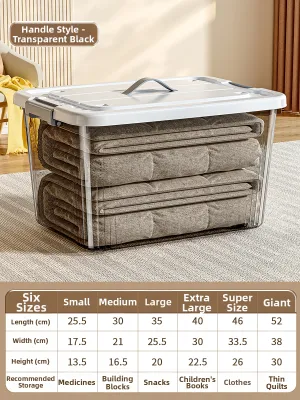
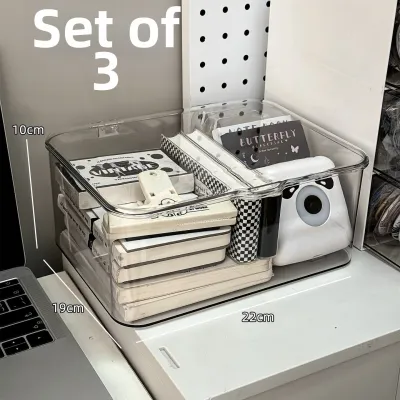
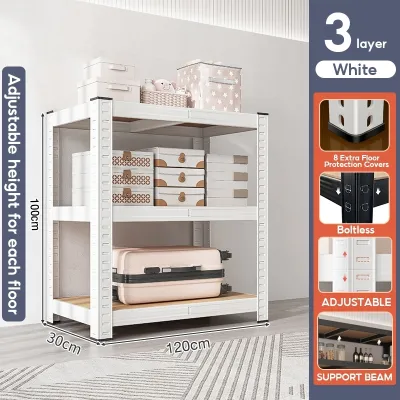
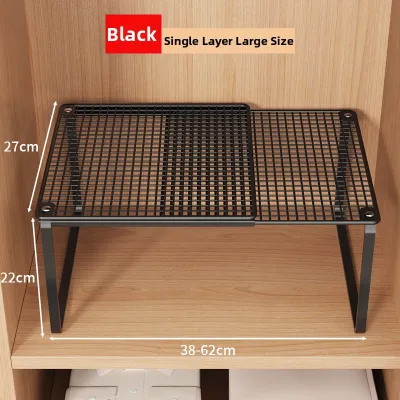
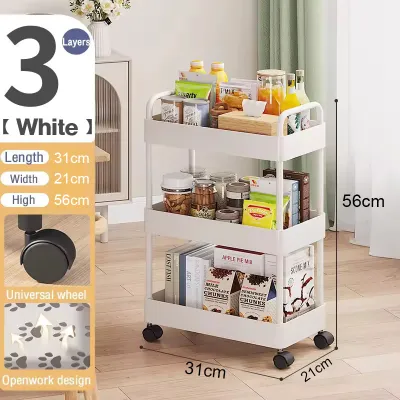
Prices are valid at publication and may change. Please refer to the product page for the latest price.
What to Look for in Moving Storage Organizers
Evaluating the physical and structural features of your organizer storage before buying is essential to prevent packing failures on moving day.

Material and Durability For cardboard boxes, always check the corrugated flute thickness. Single-wall boxes are suitable for light items, but double-wall or triple-wall construction is necessary for heavier loads to prevent the sides from bulging or collapsing. When selecting plastic bins, verify the plastic grade; high-density polyethylene (HDPE) or polypropylene (PP) offers excellent impact resistance. In the tropical climate of the Philippines, where humidity levels are consistently high, choosing moisture-resistant plastic containers for sensitive electronics, documents, and fabrics is highly recommended to prevent mold and mildew growth during transit.
Weight Capacity and Stackability Never assume a container can hold unlimited weight. Review the manufacturer’s stated weight limits and look for interlocking lid designs on plastic totes. These interlocking features ensure that when bins are stacked inside a moving truck, they remain aligned and do not slide or tip over when the vehicle encounters uneven roads or sudden stops. Stacking heavier containers at the bottom and lighter ones on top is a fundamental rule that prevents the lower boxes from being crushed under pressure.
Ergonomics and Handling Maneuvering heavy containers through tight hallways or up staircases requires proper handling features. Look for storage organizers with built-in, reinforced handholds or molded handles that provide a secure grip. For exceptionally large or heavy bins, opting for models equipped with integrated wheels can significantly reduce physical strain during the loading and unloading process, allowing you to roll the containers across flat surfaces smoothly.
Closure and Security The security of your container’s closure mechanism directly impacts how well your belongings are protected from external elements. For cardboard boxes, high-quality adhesive packing tape is required to seal all seams securely. For plastic bins, robust latching mechanisms or snap-tight lids are essential to keep the cover in place. A secure seal not only prevents items from spilling out if a container is tilted but also acts as a barrier against tropical pests, dust, and road grime during transport.
Matching Storage Organizers to Your Belongings
To streamline your packing process and protect your investments, categorize your household items by weight, fragility, and shape before assigning them to a specific organizer storage type. Grouping similar items together allows you to choose the most efficient container, ensuring that delicate glassware is not packed alongside heavy metal tools. Transitioning your belongings into specialized organizer categories maximizes space and minimizes the risk of shifting during transit.
Heavy-Duty Corrugated Boxes
Best for: Books, kitchenware, small appliances, pantry items, and dense household goods.
Checks: Always verify that the boxes feature double-wall or triple-wall corrugated construction to handle heavy loads without tearing. Inspect the bottom seams of recycled boxes to ensure they have not been weakened by previous use, moisture, or structural fatigue.
Limitations: Cardboard is highly susceptible to moisture, humidity, and water damage, making it risky to use during sudden tropical downpours unless fully wrapped in protective plastic. Overpacking these boxes can lead to bottom blowouts, while underpacking can cause them to collapse when stacked under heavier containers.
Plastic Storage Bins and Totes
Best for: Fragile ornaments, electronics, important documents, long-term storage items, and moves scheduled during the rainy season.
Checks: Ensure that the lids snap tightly into place and do not pop off under light pressure. Look for reinforced bases that resist bowing when filled, and check that the handles are molded directly into the bin’s frame for maximum durability.
Limitations: Plastic bins carry a higher upfront cost compared to cardboard boxes and cannot be folded flat when empty, meaning they require significant storage space in your home before and after the move. Their rigid shape also means they cannot conform to awkwardly shaped items, potentially leaving unused void space inside.
Vacuum Storage Bags
Best for: Bedding, pillows, winter wear, plush toys, towels, and bulky textiles.
Checks: Confirm the integrity of the double-zip seal and the one-way suction valve to ensure air does not leak back inside over time. Check the thickness of the plastic material to ensure it can withstand compression without puncturing easily on sharp edges.
Limitations: Vacuum bags are entirely unsuitable for delicate natural fibers like silk, leather, or down-filled items, as extreme compression can permanently damage their structure or cause creasing. Additionally, compressing large volumes of textiles can make the resulting package surprisingly heavy and dense, making it difficult to carry if packed into a single large container.
Wardrobe Boxes and Specialty Containers
Best for: Suits, formal dresses, delicate coats, and garments that are highly prone to wrinkling or damage.
Checks: Verify the strength and stability of the internal metal or heavy-duty cardboard hanging bar to ensure it can support the weight of multiple hangers. Check the overall height of the box to confirm that longer garments will not drag along the bottom panel and collect dust.
Limitations: Wardrobe boxes are bulky and take up a substantial amount of floor space inside a moving truck, which can reduce the overall packing efficiency of the vehicle. They are also strictly limited to hanging apparel and lightweight accessories, making them a highly specialized and less versatile investment.
How to Pack and Protect Items During Transit
Securing your belongings inside your chosen organizer storage is just as important as selecting the containers themselves.
Weight Distribution Always place the heaviest items at the bottom of the container to establish a stable base and prevent the organizer from becoming top-heavy. Lighter, more fragile items should be placed carefully on top, separated by protective layers. Avoid overfilling any container beyond its comfortable capacity, as bulging lids or box tops prevent proper stacking and increase the likelihood of structural failure during transit.
Void Fill and Cushioning Eliminating empty space inside your containers is the key to preventing items from shifting and colliding during transport over bumpy roads. Use clean packing paper, bubble wrap, or even soft household items like towels, t-shirts, and blankets to fill any remaining voids. Gently shake the container after packing; if you hear or feel items moving inside, add more cushioning material until everything remains firmly in place.
Sealing and Reinforcing For cardboard boxes, apply high-quality packing tape using the ‘H’ tape method, sealing the center seam and both side edges of both the top and bottom flaps. This method reinforces the structural integrity of the box and prevents dust from entering. For plastic storage bins, secure the lids by threading heavy-duty zip ties or small padlocks through the designated security holes on the handles, ensuring the lids cannot pop open during sudden movements.
Labeling System Implement a clear, multi-side labeling system on every container to streamline both the loading and unloading processes. Write the destination room, a brief inventory of the contents, and clear handling instructions (such as “Fragile” or “This Side Up”) on at least two sides of the box or bin. This ensures that the labels remain visible even when the containers are stacked closely together inside the moving vehicle or stacked in your new home.
Where to Source Moving Organizers in the Philippines
Finding reliable sources for your moving supplies ensures you have high-quality materials ready before packing begins.
Physical Retailers For immediate needs and physical inspection of materials, visit local hardware stores, home improvement centers, and large supermarket chains. These physical retail locations allow you to feel the thickness of plastic bins, test the sturdiness of cardboard boxes, and purchase packing tape or bubble wrap on the spot. This is particularly useful for verifying that the dimensions of the containers match your specific requirements before committing to a purchase.
Online Marketplaces E-commerce platforms and digital retail channels offer a convenient way to purchase moving supplies in bulk, often at discounted rates. You can find specialized moving kits that bundle various box sizes, bubble wrap, and tape together, delivered directly to your doorstep. When shopping online, read customer reviews carefully to verify the actual thickness and durability of the materials, and order well in advance to account for shipping times.
Second-Hand and Free Options To reduce moving costs, consider sourcing clean, sturdy cardboard boxes from local grocery stores, neighborhood convenience stores, or community groups. Many businesses are happy to give away shipping boxes that would otherwise be recycled. However, always inspect these free options thoroughly for structural weakness, moisture damage, and signs of pests such as ants or cockroaches before bringing them into your home.
Frequently Asked Questions (FAQ)
Can I use regular trash bags for moving clothes and soft items?
Using standard trash bags for moving is generally discouraged due to the high risk of tearing, puncturing, and lack of structural protection. Sharp objects or rough handling can easily rip the thin plastic, exposing your garments to dirt, dust, and moisture during transit. However, if you are executing a very short-distance move, double-bagging durable, washable items like towels or t-shirts in heavy-duty contractor bags can be a viable, low-cost option. For valuable or delicate clothing, it is always safer to use proper vacuum compression bags or structured storage organizers.
How do I prevent plastic storage bins from cracking under heavy loads?
To prevent plastic storage bins from cracking, always adhere to the manufacturer’s recommended weight limits and avoid overpacking them with dense, heavy items. Distribute the weight evenly across the bottom of the bin rather than concentrating heavy objects in one spot, which can cause the plastic to bow and fracture. Additionally, only stack bins that feature reinforced, interlocking lids designed to distribute downward pressure evenly. Finally, protect your plastic containers from prolonged exposure to direct sunlight and extreme heat during the move, as high temperatures can make the plastic brittle and highly susceptible to cracking under stress.

Community discussion
Share your experience or ask a question. Comments are reviewed before publication.