
Moving house in the Philippines presents unique logistical challenges, from navigating sudden tropical downpours to transporting belongings through tight condominium corridors and steep townhouse stairwells. Selecting the right storage organizers is crucial to ensuring your items arrive at your new home undamaged, clean, and dry. The absolute best organizers for a local move are heavy-duty stackable plastic bins, space-saving vacuum storage bags, and specialized compartmentalized boxes. These tools provide the structural integrity and environmental protection necessary to withstand transport in a typical “lipat bahay” truck.
By investing in high-quality, reusable organizers, you protect your valuable electronics, delicate kitchenware, and seasonal textiles from physical impact, dust, and tropical humidity. The right packing strategy not only simplifies the chaotic moving day but also establishes an organized system for your new living space. Understanding how to evaluate these containers based on durability, size, and material is the first step toward a seamless transition.
How to Evaluate and Choose Moving Organizers
Evaluating organizers for a move in the Philippines requires looking beyond simple aesthetic appeal or basic storage capacity. Structural durability is the primary factor to consider, as containers will be subjected to shifting forces inside a moving vehicle. Look for thick-walled plastics or reinforced corrugated structures that can withstand external pressure without warping or collapsing. A container that bends easily under hand pressure is highly likely to fail when stacked under heavier items during transit.
Products mentioned in this guide
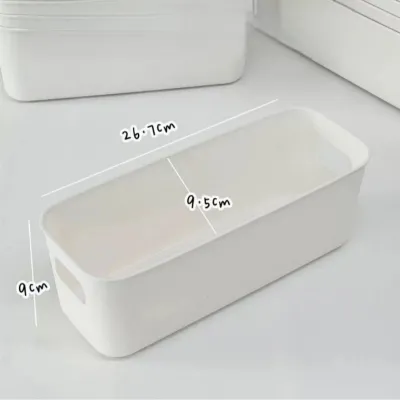
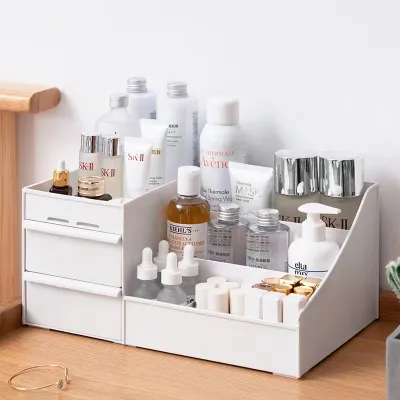
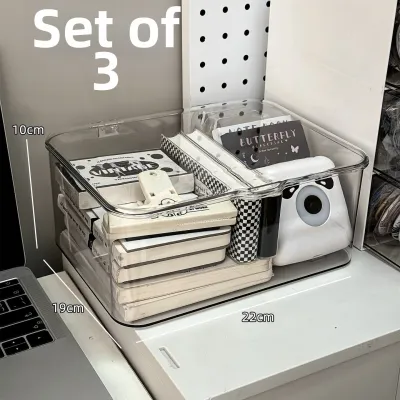
Prices are valid at publication and may change. Please refer to the product page for the latest price.
Stackability is equally critical for maximizing the vertical cargo space of your hired moving truck or utility vehicle. Organizers must feature secure, nested lids or interlocking bases that prevent them from sliding or tipping over when the vehicle turns or brakes. Flat, recessed lids are ideal because they distribute the weight of the upper containers evenly across the walls of the lower ones. This structural alignment prevents the middle and bottom bins from cracking under concentrated pressure points.
Moisture resistance is an indispensable feature in a tropical climate characterized by high relative humidity and sudden, intense rainstorms. Standard cardboard boxes can quickly absorb atmospheric moisture, softening their structural fibers and leaving your belongings vulnerable to mold, mildew, and physical crushing. Opting for plastic organizers with tight-fitting lids or integrated rubber gaskets ensures that rain, road spray, and ambient humidity cannot penetrate the interior. This protection is especially vital if your items will spend time in a temporary storage facility or an open-sided transport vehicle.
Ease of transport must also guide your selection, particularly when navigating the physical realities of local residential layouts. Before purchasing large containers, measure the narrow staircases of traditional townhouses or the strict elevator dimensions of high-rise condominiums in urban areas. Organizers must be equipped with ergonomic, reinforced handles that allow two people to lift them comfortably or one person to carry them without straining. Bins with integrated wheels can be highly beneficial for smooth condo hallways but may prove unstable on uneven outdoor pathways or gravel driveways.
Before finalizing any purchase, always locate and inspect the manufacturer’s product label to verify the certified weight capacity and structural limits. Never assume a large bin can hold an unlimited amount of weight; overloading a container beyond its rated capacity can cause the handles to snap or the bottom to bow out during transit. Finally, balance the upfront cost of premium plastic organizers against their long-term utility. While cardboard is cheaper initially, durable plastic bins can be reused for years as home storage solutions, making them a highly cost-effective investment over time.
Best Types of Storage Organizers for Different Packing Needs
Stackable Plastic Bins and Totes
Stackable plastic bins and totes serve as the reliable workhorses of any residential move, offering unmatched physical protection for your most valuable possessions. These rigid containers are best utilized for packing heavy, dense, or highly fragile items such as books, kitchenware, home electronics, and small appliances. Unlike cardboard, these bins maintain their shape regardless of how tightly they are packed or how high they are stacked in the moving truck. This rigid defense system prevents your delicate ceramic plates or expensive gaming consoles from being crushed by shifting cargo.

The primary advantage of high-quality plastic totes is their complete immunity to moisture, dust, and common household pests like termites or rodents. During the monsoon season, a sudden downpour can ruin cardboard-packed goods in seconds, whereas sealed plastic bins keep water completely out. Additionally, because these containers are designed for long-term durability, they transition seamlessly from moving day to permanent storage in your new garage, attic, or closet. This eliminates the immediate pressure to unpack everything on your first night in the new home.
However, plastic bins do come with specific limitations that you must consider during your planning phase. When empty, rigid totes cannot be folded down or disassembled, meaning they will occupy a significant amount of physical space in your home both before and after the move. They also require a higher upfront financial investment compared to disposable paper-based alternatives, which can strain tight moving budgets if you need dozens of units. To mitigate this, focus on purchasing plastic bins primarily for items that absolutely require rigid protection or long-term moisture resistance.
When shopping for stackable plastic bins, closely verify the locking mechanisms, handle designs, and exact exterior dimensions. Look for lids that snap securely into place with heavy-duty latches rather than loose-fitting covers that can pop off if the bin is tilted. Inspect the handles to ensure they are molded directly into the body of the bin and feature a comfortable grip that won’t pinch your fingers under heavy loads. Always cross-reference the exterior dimensions with your vehicle’s cargo limits to ensure they can be packed side-by-side without leaving wasted, empty gaps.
Vacuum Storage Bags
Vacuum storage bags are highly effective space-saving tools that utilize air compression to reduce the physical volume of soft, compressible household goods. These airtight bags are the ultimate solution for packing bulky bedding, extra pillows, thick blankets, winter clothing, and large plush toys. By removing the excess air trapped within these fibrous materials, you can shrink their volume by up to eighty percent. This compression allows you to fit an entire linen closet’s worth of goods into a single, compact moving box or a small corner of your vehicle.
The most significant benefit of vacuum bags is the absolute barrier they create against the external environment. Once sealed and deflated, the contents are completely protected from dust, insects, mold spores, and the high humidity levels typical of tropical regions. This is particularly valuable if your belongings will be placed in transit or stored for several weeks before you unpack. Your bed sheets and clothing will emerge from the bags smelling fresh and clean, free from the musty odors that often develop during a house move.
Despite these clear benefits, vacuum storage bags have distinct limitations that require careful management. The intense compression process can cause deep, stubborn wrinkles in natural fibers like cotton, linen, and delicate silks, meaning these fabrics may require extensive ironing after unpacking. Furthermore, while the volume of the packed items decreases dramatically, their actual weight remains exactly the same. It is easy to overpack a large vacuum bag to the point where it becomes too heavy to lift safely, or so dense that it puts excessive pressure on other items.
To ensure success, inspect the quality of the one-way air valve, the thickness of the plastic film, and the double-zipper seal before packing. Look for bags made from a blend of polyethylene and wardrobe-grade nylon, as pure polyethylene bags are highly prone to tearing or puncturing on sharp edges. Strictly adhere to the manufacturer’s maximum fill line printed on the side of the bag to prevent the zipper from bursting open under pressure. Always use a manual hand pump or a standard vacuum cleaner to extract the air slowly and evenly, checking for any signs of air leakage before loading.
Compartmentalized and Divided Boxes
Compartmentalized and divided boxes are specialized organizers designed to secure small, delicate, or easily tangled items that would otherwise get damaged in a standard open bin. These organizers are ideal for packing fine glassware, porcelain cups, jewelry, electrical cables, small hardware components, and fragile decorative ornaments. By isolating each individual item within its own protective cell, these boxes eliminate the risk of items colliding with one another during transit. This structured isolation is the most effective way to prevent hairline cracks, scratches, and broken stems.
The primary advantage of divided organizers is the elimination of internal movement, which is the leading cause of damage during a residential move. When a moving truck encounters bumpy roads or sudden stops, loose items inside a box will naturally slide and impact each other. Compartmentalized boxes hold each piece firmly in place, reducing the amount of individual bubble wrap or packing paper required for each item. This not only saves money on packing supplies but also dramatically speeds up both the packing and unpacking processes.
However, these specialized boxes are inherently limited by their rigid internal structures, making them unsuitable for large, bulky, or irregularly shaped items. A divided box designed for standard wine glasses cannot easily accommodate a wide ceramic mug or a tall decorative vase without removing the dividers entirely. This lack of versatility means you must carefully inventory your fragile goods beforehand to ensure you purchase boxes with the correct cell dimensions. Additionally, assembling and adjusting these dividers requires a modest investment of time and patience before packing can begin.
Before purchasing, verify that the dividers are made from sturdy, high-density materials like thick cardboard, plastic sheets, or padded foam inserts that will not collapse under load. Opt for boxes that feature adjustable or removable divider grids, allowing you to customize the cell sizes to fit your specific inventory. Ensure the outer walls of the organizer possess sufficient structural stiffness to maintain their shape when lifted from the bottom. If the outer box bows or flexes when carried, the internal dividers may shift, potentially crushing the delicate items stored within.
How to Match Organizers to Your Household Items
Successfully packing for a move requires a strategic pairing of your household goods with the specific organizer types that offer the best protection. For your wardrobe and clothing, prioritize specialized wardrobe boxes equipped with integrated metal hanging bars for formal wear, suits, and delicate dresses. This setup allows you to transfer clothes directly from your closet to the box on their hangers, preventing wrinkles and saving hours of folding time. For everyday casual wear, t-shirts, and activewear, utilize vacuum storage bags or lightweight folding fabric bins, which maximize space and are easy to stack.
When preparing kitchenware and fragile goods, employ a double-protection strategy to guarantee safe transit. Place your delicate glassware and ceramic mugs into compartmentalized boxes with thick cardboard or foam dividers, ensuring each piece is wrapped in a layer of clean packing paper. Once these divided boxes are filled, place them inside a rigid, heavy-duty plastic bin rather than a standard cardboard box. This outer plastic shell acts as an impenetrable shield against external crushing forces, while the internal dividers prevent any internal movement or friction.
For miscellaneous items and daily essentials, clear plastic stackable totes are highly recommended to streamline your transition into the new home. Pack a dedicated “first-night” bin containing toiletries, chargers, basic tools, a change of clothes, and essential documents, and ensure this bin is made of clear plastic. The transparency allows you to locate vital items instantly without having to open multiple opaque containers in a dark, unfamiliar room. Keep this specific bin with you in your personal vehicle rather than loading it deep into the back of the moving truck.
Implementing a strict weight distribution strategy is essential for protecting both your physical health and the structural integrity of your organizers. The golden rule of packing is to place heavy, dense items—such as books, documents, and canned goods—into smaller, compact organizers. Conversely, reserve your largest bins and bags for lightweight, bulky items like bedsheets, comforters, pillows, and winter jackets. This distribution ensures that no single container becomes too heavy to lift safely, reducing the risk of back injuries for you and your moving crew.
Finally, establish a clear, systematic labeling system for all opaque bins to prevent confusion during the unloading and unpacking phases. Use high-contrast waterproof markers and adhesive labels to write the destination room and a brief list of contents on at least two sides of each container. Avoid writing directly on premium reusable plastic bins; instead, apply painter’s tape or dedicated labels that can be easily peeled off without leaving sticky residue. This simple step allows your movers to place each container directly into its correct room, saving you from lifting and shifting heavy bins later.
What to Verify Before Buying and Packing Your Organizers
Before purchasing your moving organizers, it is critical to measure the physical transit pathways of both your old and new residences. Take precise measurements of all doorways, narrow hallways, sharp stairwell turns, and elevator door clearances to ensure your chosen bins can pass through easily. A large, heavy-duty plastic bin may seem highly efficient on paper, but it becomes a major liability if it cannot fit through a standard condominium elevator door or a tight townhouse staircase. Ensuring your containers are physically compatible with your architecture prevents costly delays and physical damage to your walls on moving day.
Next, verify that the exterior dimensions of your selected organizers align efficiently with the cargo space of your hired moving vehicle. If you are hiring a standard local utility van or a large closed-canopy truck, ask the transport provider for the exact interior cargo dimensions. Planning your container layout beforehand allows you to stack the bins tightly and eliminate empty gaps that could cause cargo to shift during transit. A tight, interlocking grid of uniform plastic bins is vastly more stable and secure than a chaotic mix of mismatched, oddly shaped containers.
Always review the manufacturer’s technical specifications, care instructions, and maximum stacking limits printed on the product packaging or labels. Never exceed the recommended weight capacity, and avoid stacking plastic bins higher than the manufacturer’s safety rating, as the lower bins can crack under excessive cumulative weight. If you are moving exceptionally heavy, highly valuable, or structurally complex items like pianos, large marble tabletops, or delicate antique artwork, stop and consult professional movers or specialized crating services. Do not attempt to force these specialized items into standard consumer-grade organizers, as doing so risks permanent damage and safety hazards.
Frequently Asked Questions (FAQ)
Can I use regular cardboard boxes instead of plastic organizers for moving?
Yes, regular cardboard boxes can be used, but they offer significantly less protection than plastic organizers. Cardboard is highly budget-friendly, lightweight, and easy to fold down for recycling after your move is complete. However, cardboard easily absorbs atmospheric moisture, making it highly susceptible to weakening, tearing, and mold growth in the humid Philippine climate. For heavy items, fragile electronics, or moves scheduled during the rainy season, investing in rigid plastic organizers is highly recommended to prevent crushing and water damage.
How do I prevent mold in storage organizers during a move in a humid climate?
To prevent mold growth inside your storage organizers, you must ensure that every item is completely dry before it is packed. Never pack damp clothing, freshly washed linens, or kitchenware that has not been thoroughly air-dried. Additionally, place commercial moisture absorbers, such as silica gel packets or calcium chloride dehumidifier boxes, inside each sealed plastic bin before closing the lid. These absorbers will actively collect ambient moisture from the trapped air, keeping the interior environment dry and preventing mold spores from developing during transit.

Community discussion
Share your experience or ask a question. Comments are reviewed before publication.