
Organizing a new home after a “lipat bahay” (moving house) in the Philippines is a major undertaking. The fastest way to transition from living out of cardboard boxes to a clean, functional space is by deploying versatile storage racks. These freestanding units immediately clear floor space, categorize your belongings, and keep items safe from floor-level moisture.
To choose the right options, you must balance spatial dimensions, weight requirements, and the unique challenges of a tropical climate. Selecting the correct shelving material for each room ensures your belongings remain secure, organized, and easily accessible during and after the unpacking process.
Key Criteria for Choosing Storage Racks in a Tropical Climate
Measure your designated space twice before making any purchases. In many Philippine neighborhoods, homes feature tight stairwells, narrow hallways, or compact condominium elevators. Check the finished dimensions of the storage racks you intend to buy and compare them with your entryways, door frames, and ceiling heights. A rack that fits perfectly in a garage might not clear a low-hanging structural beam or a door frame during delivery and assembly.
Products mentioned in this guide
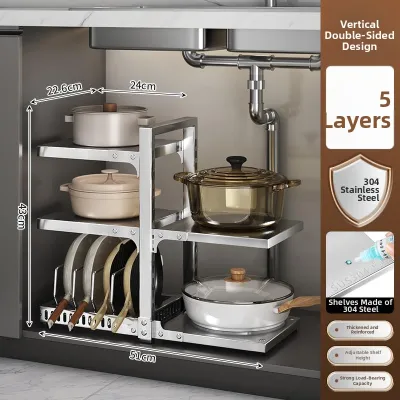
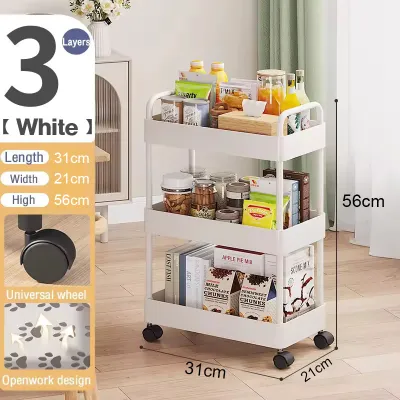
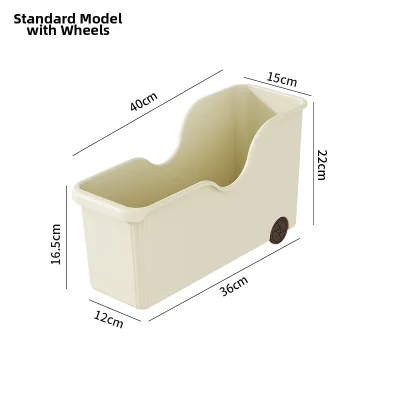

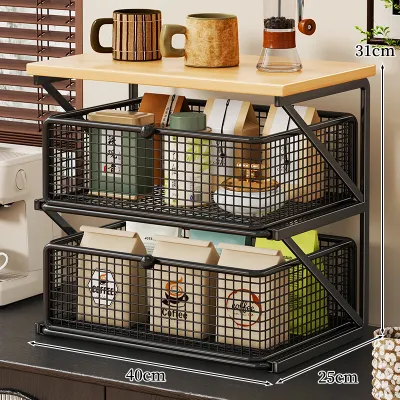
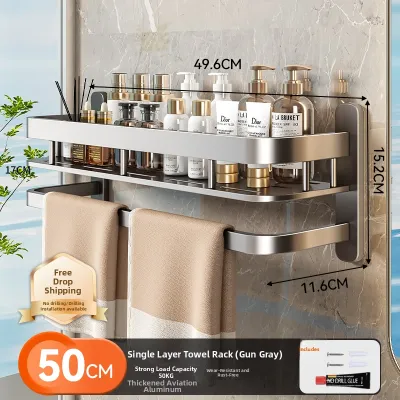
Prices are valid at publication and may change. Please refer to the product page for the latest price.
The Philippine climate brings high relative humidity, especially during the monsoon season. Standard untreated steel or iron will rapidly oxidize and rust under these conditions. When shopping, do not assume all metal racks are weather-resistant. Instead, verify the manufacturer’s specifications for protective finishes, looking for powder-coated steel, epoxy-coated wire, or rust-resistant galvanized metals. If you live in a coastal area with salty air, checking for robust marine-grade or specialized outdoor finishes is critical.
Overestimating a shelf’s capacity can lead to structural failure, while underestimating it means paying for bulky industrial units you do not need. Distinguish between static load (weight when items are completely still) and dynamic load (weight during movement or loading). Calculate the approximate weight of your moving boxes. Heavy plastic storage tubs filled with books, kitchenware, or tools require a high Uniform Distributed Load (UDL) rating. Ensure the manufacturer’s specified weight limit per shelf accommodates your heaviest items with a safe margin.
Moving is chaotic, and your initial room layouts will likely change as you unpack and settle in. Consider whether you need boltless, tool-free assembly systems that can be put together quickly with a simple rubber mallet during the busy post-move phase. Alternatively, decide if your space benefits from racks equipped with lockable caster wheels. Mobile racks allow you to shift storage units easily to clean behind them or reorganize a room, but they must be locked securely to prevent accidental rolling.
Best Types of Storage Racks for Post-Move Organization
Wire Shelving Units
Open wire shelving is highly effective in areas requiring constant airflow and visibility, such as kitchens, pantries, and utility rooms. In the Philippines, high humidity can trap stagnant air, leading to musty odors or mold on stored pantry goods. The open design of wire shelves promotes excellent air circulation and minimizes dust accumulation.

Before purchasing, verify the wire gauge, as thicker wire generally translates to better structural integrity. Check the product label to ensure the unit features an epoxy or chrome coating suitable for indoor moisture resistance. Additionally, look for compatible plastic shelf liners. These flat liners prevent small spice jars, pantry items, or delicate kitchen utensils from slipping through the wire gaps.
While highly versatile, wire shelving has clear limitations. If the protective epoxy or chrome finish is chipped or scratched during assembly or use, the underlying metal becomes vulnerable to localized rust. Additionally, wire shelves typically offer a lower weight capacity per shelf compared to solid steel decks, making them unsuitable for heavy power tools or massive storage crates.
Heavy-Duty Boltless Steel Racks
These robust units are the backbone of post-move organization, especially when dealing with stacks of heavy cardboard moving boxes, spare car parts, or large kitchen appliances. They are best deployed in garages, dedicated storage rooms (bodegas), or utility areas where maximum load capacity is required.
Look for rivet or keyhole slot designs that allow for boltless assembly, which simplifies setup during the busy post-move phase. Verify the UDL rating per shelf from the manufacturer’s documentation. Pay close attention to the deck material; if the shelves use Medium-Density Fiberboard (MDF) or particle board, check if they are treated or sealed. In humid Philippine conditions, untreated engineered wood can absorb moisture, swell, and sag over time under heavy loads. Solid steel decks or moisture-sealed boards are preferred for damp environments.
Heavy-duty steel racks have a substantial physical footprint and an industrial aesthetic that rarely blends well with living rooms or bedrooms. They are also incredibly heavy and difficult to dismantle or relocate once fully loaded and assembled, meaning you should be certain of their placement before loading them.
Plastic and Resin Shelving
Plastic and resin racks are highly practical for wet or high-moisture zones where metal would corrode within months. These include bathrooms, laundry areas, outdoor dirty kitchens, and open balconies exposed to rain. They are lightweight, completely immune to rust, and easy to wash down with water.
Inspect the product specifications to confirm the plastic is UV-resistant, especially if you plan to place the rack on a sunny balcony or semi-outdoor service area. Look for structural ribbing on the underside of the shelves, as these molded plastic supports prevent the shelves from bowing under load. Always verify the exact maximum load limit, which is significantly lower than that of steel counterparts.
Resin racks will bow or warp permanently if overloaded or if weight is concentrated in a single spot rather than distributed evenly. Over years of exposure to intense tropical sunlight, even UV-treated plastics can eventually become brittle and crack under stress, requiring eventual replacement.
Room-by-Room Rack Placement and Usage Guide
Unpacking kitchen items is often the first priority after a lipat bahay. Use wire shelving units with plastic liners in your pantry or kitchen corner to store dry ingredients, small appliances like rice cookers and air fryers, and extra cookware. Before purchasing, measure the depth of the rack to ensure it does not obstruct walkways, cabinet doors, or refrigerator clearance. Leaving at least a few inches of clearance around the rack ensures comfortable movement in busy cooking zones.
For personal spaces, modular cubby systems or fabric-covered racks offer a softer, more integrated look for clothing, folded linens, and accessories. Because bedrooms are high-traffic, private spaces, focus heavily on stability. Avoid top-heavy configurations and implement anti-tip wall anchors, particularly if the racks are placed in children’s rooms or near walkways.
Garages and utility rooms are where heavy-duty boltless steel racks shine. Use them to stack labeled plastic storage tubs containing seasonal decorations, tools, and items you do not need immediately. Position these heavy units against solid walls. If the floor has a slight slope for drainage, which is common in Philippine garages and wash areas, use adjustable leveling feet or shims to ensure the rack stands perfectly upright and stable.
To maintain a welcoming atmosphere in your primary entertaining zones, avoid industrial-looking utility racks in the living room. Instead, opt for coated metal frame racks featuring integrated wood-finish shelves. These units provide a stylish backdrop for books, indoor plants, and decorative pieces while keeping the space organized. Ensure the finish matches your existing furniture and that the unit’s feet have protective rubber or felt pads to prevent scratching your tiles or wood flooring.
Safety, Assembly, and Maintenance Tips
Safety must be your top priority when installing tall or heavy-duty storage racks. The Philippines is located in an active seismic zone, making earth tremors a real consideration. Additionally, homes with active children or pets run the risk of accidental tipping if someone attempts to climb the shelves. Secure any rack taller than 1.5 meters to wall studs or solid masonry using appropriate wall anchors and safety straps. Never rely on the weight of the items alone to keep a tall rack upright.
Always follow the golden rule of shelving: place your heaviest items, such as water jugs, heavy tools, or large storage crates, on the bottom shelves. This keeps the center of gravity low, significantly reducing the risk of the unit tipping forward. Distribute the weight evenly across the width of each shelf rather than clustering heavy items in the center, which can cause structural bowing or joint stress.
Take your time during the assembly process. If using boltless steel racks, ensure every single rivet is fully seated in the bottom of its keyhole slot using a rubber mallet. For wire shelving, verify that the plastic slip sleeves are locked securely onto the double grooves of the support poles before sliding the shelf down. A single loose joint or misaligned clip can cause the entire shelf to collapse under a load.
Perform regular checks to extend the lifespan of your storage systems. Wipe down wire and steel racks with a dry or slightly damp microfiber cloth to remove dust and prevent moisture from settling on the joints. Avoid using harsh chemical cleaners or abrasive pads, which can strip away protective rust-resistant coatings. For plastic racks, inspect the shelves periodically for signs of stress, such as white stress marks, bowing, or hairline cracks at the joints, and replace any compromised components immediately.
Frequently Asked Questions (FAQ)
How do I prevent wire shelving from rusting in a humid climate?
To prevent rust on wire shelving in humid environments, choose units with manufacturer-certified epoxy coatings or opt for stainless steel. Avoid using abrasive cleaning pads or harsh chemicals that can scratch the protective finish. Ensure your storage rooms have adequate ventilation, or use dehumidifiers to control indoor moisture levels.
Can I use plastic storage racks for heavy moving boxes?
Avoid using standard plastic storage racks for heavy moving boxes. Standard plastic shelves are prone to bowing and structural failure under concentrated, heavy loads. Always check the manufacturer’s exact weight limit per shelf, and choose heavy-duty steel or reinforced industrial resin racks for heavy cardboard or plastic moving boxes.
What is the best way to measure my space before buying a rack?
Measure the exact width, depth, and height of the designated area using a tape measure. Be sure to account for baseboards, wall moldings, light switches, and the swing radius of nearby doors. Leave at least two to three inches of clearance on all sides to allow for easy assembly, adequate airflow, and routine cleaning access.

Community discussion
Share your experience or ask a question. Comments are reviewed before publication.