
Moving to a new home is a major milestone, but packing up a child’s play area can quickly become overwhelming. Toys come in every imaginable shape, size, and material, making them notoriously difficult to pack efficiently. The challenge during a lipat bahay move is twofold: you must protect fragile items from being crushed in transit, and you need a system that allows for quick, stress-free unpacking once you arrive at your new destination. Choosing the right toy storage products is the key to bridging this gap, turning chaotic piles of playthings into organized, easily transportable units.
The best approach is to select storage solutions that serve a dual purpose. Instead of relying solely on temporary cardboard boxes that wear out quickly and offer little protection against tropical humidity, investing in durable, reusable toy storage containers ensures your items remain safe during the journey and are ready to slot directly into your new living space. By matching the specific needs of your child’s toy collection with the right container types, you can streamline the moving process and establish an intuitive organization system from day one.
Key Features to Look for in Moving-Friendly Toy Storage
When evaluating toy storage options for a move, durability and material strength should be your primary considerations. The physical demands of loading, transit, and unloading require containers that can withstand external pressure without buckling. Look for bins with reinforced corners and thick, impact-resistant walls. If a container flexes easily when empty, it is highly likely to crack or collapse when stacked under heavier household items in the moving truck.
Products mentioned in this guide
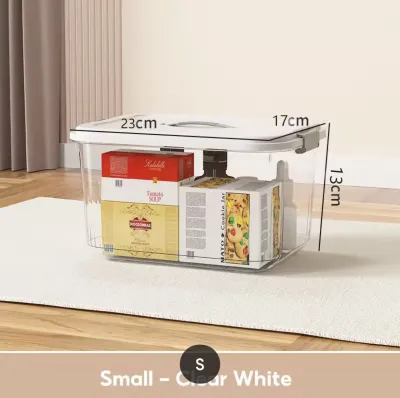
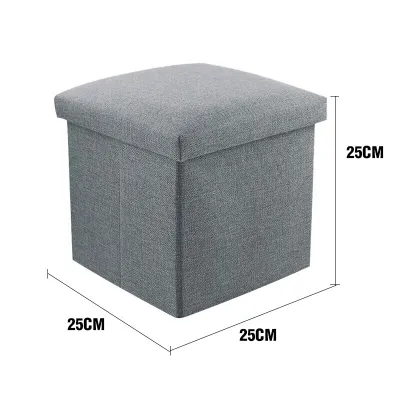
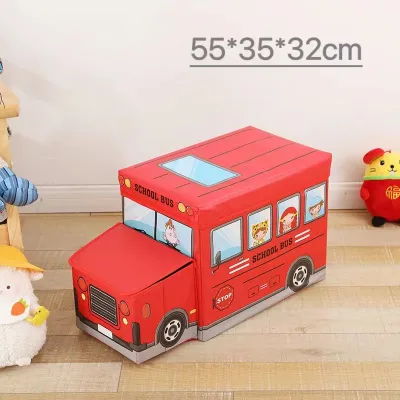
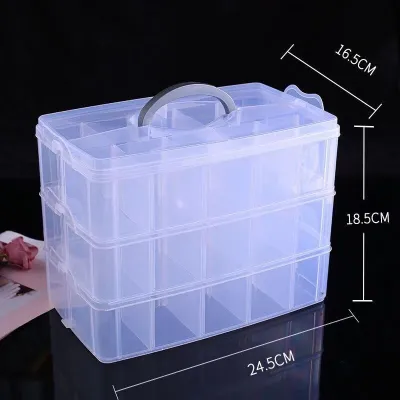
Prices are valid at publication and may change. Please refer to the product page for the latest price.
Stackability is another critical factor that directly impacts how efficiently you can pack a moving vehicle. Opt for containers designed with interlocking lids. These lids feature recessed channels or raised edges that allow the base of another bin of the same model to lock securely into place. This structural feature prevents bins from shifting or sliding during sudden stops on bumpy roads, maximizing your vertical packing space and reducing the risk of damage.
Ergonomic handles and balanced weight distribution are essential for safe and comfortable lifting. Look for integrated, molded-in handles or heavy-duty latches that double as grips. Avoid containers with sharp, thin plastic edges that cut into your hands when carrying heavy loads. The handles should be positioned to keep the center of gravity stable, reducing strain on your back and shoulders as you carry items through narrow hallways or up flights of stairs.
Finally, visibility and labeling capabilities will save you hours of frustration during the unpacking phase. Clear plastic bins allow you to identify the contents at a glance without having to open every lid. If you prefer opaque bins to hide visual clutter in your new home, ensure the containers have flat, smooth exterior surfaces where masking tape, adhesive labels, or chalk markers can easily stick. This simple feature allows you to clearly mark which room the toys belong to and which items should be unpacked first.
Recommended Toy Storage Types for a House Move
Different types of toys require different levels of protection and accessibility. Utilizing a mix of specialized storage containers ensures that fragile items remain intact while soft, bulky items are packed efficiently without taking up unnecessary space.

Heavy-Duty Stackable Plastic Bins
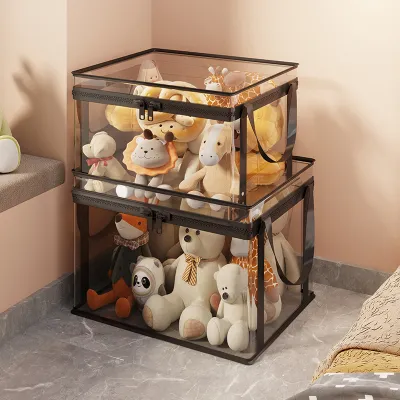
Rigid plastic bins are the gold standard for protecting fragile, heavy, or highly structured toys during a move. These containers are ideal for building blocks, action figures, board games, and delicate collectibles that cannot afford to be compressed. The primary advantage of heavy-duty plastic is its crush-proof structure, which shields the contents from the weight of other boxes stacked on top. Additionally, high-quality plastic offers excellent water resistance, protecting your child’s toys from unexpected tropical downpours during the loading process or moisture buildup in the moving truck.
However, rigid plastic bins do have some limitations. They are bulky and cannot be folded down when empty, meaning they will occupy the same amount of physical space in your new home even if they are not fully utilized. Their rigid, rectangular shapes can also leave unused gaps inside the bin if you are packing oddly shaped toys. To maximize space, fill these empty pockets with smaller, soft items or packing paper to prevent the contents from shifting and rattling during transit.
Collapsible Fabric Storage Bins with Handles
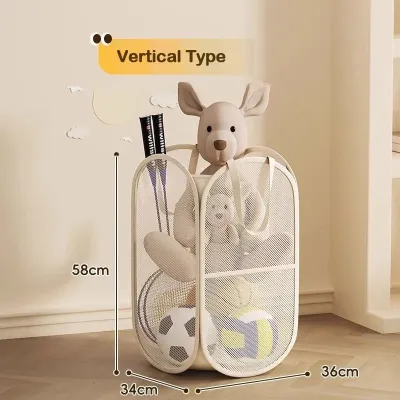
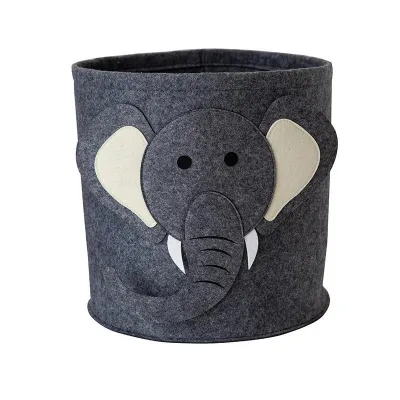
For lightweight, soft, and non-fragile items, collapsible fabric bins offer exceptional flexibility and convenience. These bins are perfect for packing plush toys, soft books, dress-up clothes, and lightweight plastic play sets. The standout advantage of fabric bins is their ability to fold completely flat when empty, allowing you to store them away easily once you have unpacked. They are incredibly lightweight, reducing the overall physical load of your move, and they often feature reinforced fabric handles that make them easy to carry.
The main trade-off with fabric storage is the lack of a rigid protective shell. Fabric bins offer virtually no crush protection, making them unsuitable for fragile items or heavy loads. If you stack heavy boxes on top of a fabric bin, the bin will collapse, potentially damaging the toys inside. For the moving truck, fabric bins should either be packed inside larger, rigid boxes or placed carefully on the very top layer of your cargo to prevent them from being squashed.
Rolling Storage Carts and Caddies
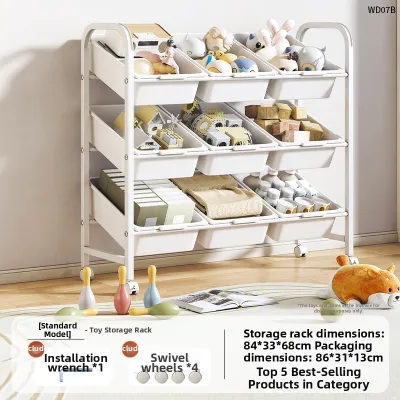
Rolling storage carts and multi-tiered caddies are highly versatile options that transition beautifully from the moving truck to the new playroom. These units are best suited for organizing art supplies, small die-cast cars, puzzle pieces, and daily-use play items. The integrated wheels allow you to roll the entire storage unit directly from the playroom to the loading area, eliminating the need for heavy lifting. Once you arrive at your new home, these carts instantly become mobile play stations that can be rolled to wherever your child is playing.
Despite their convenience, rolling carts require careful handling during a move. The wheels and caster joints are vulnerable points that can easily snap or bend if the cart is overloaded or dragged over rough, uneven terrain like gravel or high door thresholds. To transport a rolling cart safely, it is often best to remove the wheels if they are detachable, or secure the entire cart inside a large cardboard box with plenty of padding to prevent the frame from warping under pressure.
How to Pack and Organize Toys for a Smooth Transition
A successful move starts long before the first bin is loaded onto the truck. Taking the time to systematically sort, pack, and label your child’s toys will make the transition to your new home significantly smoother for the entire family.
The first step in any packing process should always be a thorough decluttering session. Before placing a single toy into a storage bin, inspect the entire collection and separate items that are broken, missing crucial pieces, or have been outgrown by your children. Donating gently used toys to local community centers or discarding unusable items reduces the overall volume of your move, saving you valuable space in the moving truck and reducing the amount of unpacking you will have to do later.
Once you have curated the collection, group the remaining toys by category, age appropriateness, or by child if you have multiple children. Using color-coded labels or distinctively colored bins for each category or room makes sorting a breeze. For example, you can assign blue bins for building blocks, green bins for art supplies, and red bins for action figures. This visual system allows the moving crew to place the correct bins directly into the designated play areas of your new home, preventing a chaotic pile-up in the living room.
When packing fragile toys inside rigid plastic bins, you can avoid purchasing expensive bubble wrap by utilizing soft toys, plushies, or even your child’s clean clothing as internal padding. Place a layer of soft plush toys at the bottom of the bin, arrange the fragile items in the center, and pack more soft items around the sides and top. This method not only protects delicate toys from impact but also maximizes your packing efficiency by combining two categories of items into a single container.
Always prepare a dedicated “Open First” toy bin that remains easily accessible throughout the moving day. This bin should contain your child’s absolute favorite comfort items, a few beloved books, basic art supplies, and a couple of simple toys that do not have many pieces. Keep this bin in your personal vehicle rather than the moving truck. Having these familiar, comforting items readily available on your first night in the new home will help keep your children entertained and calm while you focus on unpacking the essentials.
Setting Up Toy Storage in Your New Home
Unpacking and organizing toys in a new environment is an excellent opportunity to establish a clean, functional system that grows with your family. Before you begin emptying your bins, take the time to assess the physical layout of your new space. Measure the dimensions of built-in shelves, closets, and designated play corners to ensure your existing storage bins will fit properly. Pay close attention to doorway clearances and the height of shelving units to avoid placing heavy bins in hard-to-reach or unsafe locations.
Create distinct zones within the play area to help your child understand where different activities take place. For instance, set up a quiet reading corner with a small bookshelf and comfortable seating, an art station equipped with a rolling caddy for supplies, and a central play zone with low, accessible shelves for building blocks and action figures. Assigning specific storage types to these dedicated zones makes it much easier for children to find what they need and, more importantly, put things back when they are finished playing.
Safety must be your top priority when installing furniture and organizing toy storage in the new home. Heavy storage units, tall bookshelves, and modular shelving systems must be securely anchored to the wall to prevent tip-over accidents, especially if you have active toddlers who might attempt to climb them. Ensure that heavy plastic bins are stored on lower shelves or directly on the floor, while lightweight fabric bins can be placed on higher shelves. Check that all storage units are stable, do not wobble, and are assembled strictly according to the manufacturer’s instructions.
Involving your children in the unpacking and organizing process is crucial for building long-term tidiness habits. Allow them to help decide where their favorite toys should live and let them apply labels or drawings to the front of the bins. When children feel a sense of ownership over the organization system, they are far more likely to maintain it. Keep the system simple and intuitive; if a storage method is too complicated or requires too many steps, both you and your children will quickly abandon it.
Finally, remember that your initial setup does not have to be permanent. As your family settles into the new home and establishes a daily routine, you may find that certain zones or bin placements are not working as intended. Be prepared to adjust the system over the first few weeks. If a particular toy category is constantly left on the floor, consider moving its bin to a more accessible height or swapping a rigid container for an open fabric bin that is easier for small hands to use.
Frequently Asked Questions (FAQ)
Should I use original packaging for moving toys?
Retaining original packaging is highly recommended for high-value, fragile, or collectible toys, as these boxes are specifically molded to protect the item’s unique shape during transit. However, for everyday toys, original packaging is often bulky, oddly shaped, and inefficient to pack. Discarding unnecessary cardboard packaging and transferring the toys into uniform, stackable plastic bins will save a significant amount of space in the moving truck and make organizing your new home much easier.
How do I prevent mold in toy storage bins during a move?
To prevent mold and mildew, especially in warm and humid climates, you must ensure that all toys and storage bins are completely dry before packing. Even a tiny amount of moisture trapped inside a sealed plastic bin can quickly lead to mold growth during transit. Inspect toys that are used in water or outdoors, and let them air-dry thoroughly in a well-ventilated area. Avoid storing packed bins in damp areas of your home or leaving them in a hot, unventilated moving vehicle for extended periods. For added protection, place a few silica gel packets inside each airtight bin to absorb any residual moisture.

Community discussion
Share your experience or ask a question. Comments are reviewed before publication.