
The best wall-mounted divider organizer racks for home offices in the Philippines are those that seamlessly combine vertical storage with spatial partitioning, such as modular pegboards, heavy-duty floating shelves, and lightweight wire grid screens. In compact urban homes across Manila, Cebu, or Davao, carving out a dedicated workspace often means sharing a room with a bedroom or living area. Installing a high-quality divider organizer rack for wall mounting allows you to maximize your vertical footprint, keep essential study supplies within arm’s reach, and establish a clear physical boundary between your professional tasks and your personal life.
Using wall-mounted systems also keeps your floor space entirely clear. This is a major advantage in smaller rooms where bulky freestanding furniture can make the environment feel cramped and restrict natural airflow. By elevating your storage and partitioning elements, you create a more open, breathable, and productive workspace tailored to your daily needs.
Assessing Your Space and Privacy Needs Before Buying
Before purchasing any wall-mounted storage system, you must thoroughly evaluate your physical environment and your daily workflow. Start by measuring your available wall space with a reliable tape measure. You need to record the exact width, height, and depth of the target wall area. Pay close attention to how the rack will interact with your existing office furniture. For instance, if the rack is installed directly above your desk, ensure there is enough clearance so you do not accidentally bump your head when standing up. Additionally, consider how the unit’s depth affects the room’s flow; a shelf that protrudes more than 30 centimeters might make a narrow hallway or compact bedroom feel cramped.
Products mentioned in this guide
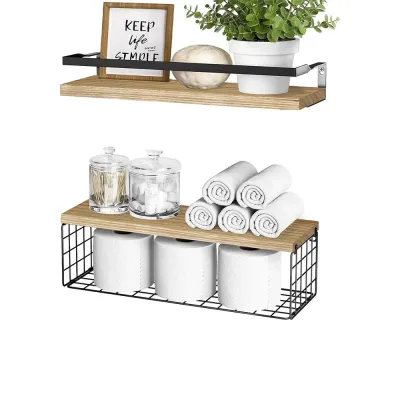
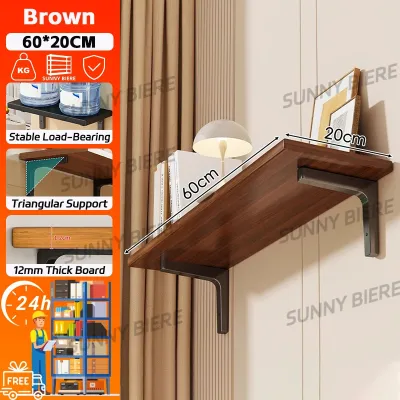
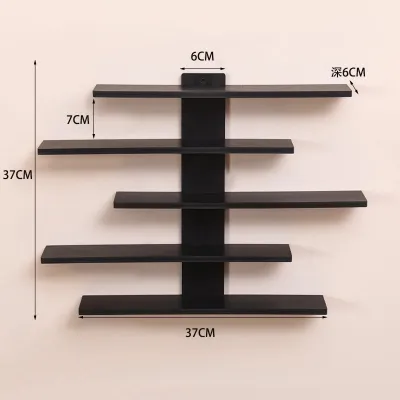

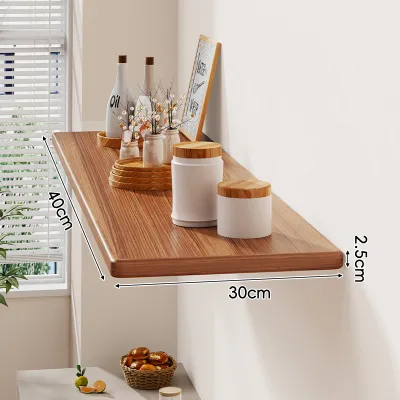
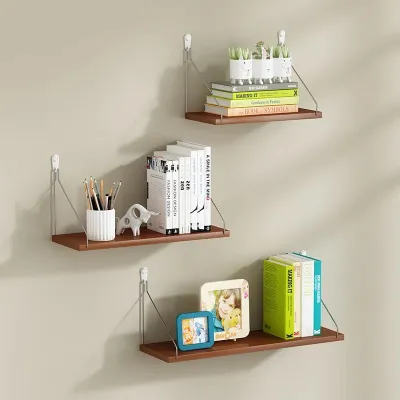
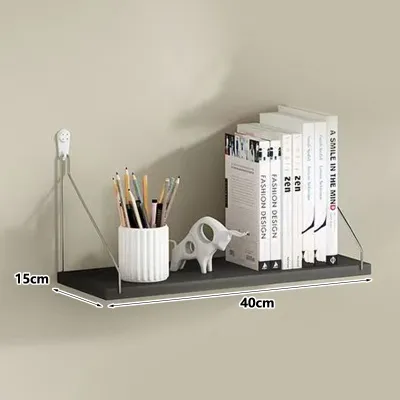
Prices are valid at publication and may change. Please refer to the product page for the latest price.
Beyond physical dimensions, clarify the primary purpose of your divider. Are you trying to block the intense tropical afternoon glare from a nearby window? Or do you need a visual barrier to hide a cluttered background during professional video conferences? If privacy is your main goal, a solid cubby partition or a dense pegboard system will serve you better than an open wire grid. Conversely, if your room suffers from limited natural light, a semi-transparent wire mesh screen will allow breeze and light to pass through while still demarcating your study zone.
Finally, list the specific items you plan to store on the rack. Heavy textbooks, reference manuals, and printer paper require deep shelves with exceptional weight capacities. On the other hand, lightweight stationery, charging cables, and decorative plants can easily be accommodated by shallower, modular panels. Mapping out your inventory beforehand prevents you from buying an under-engineered rack that risks sagging, or an oversized unit that dominates your room unnecessarily.
Key Features to Look for in a Divider Organizer Rack for Wall Mounting
When shopping for a divider organizer rack for wall installation, modularity should be at the top of your list. A modular system features adjustable shelves, hooks, and bins that you can easily reconfigure as your work requirements change. For example, you might start with a simple setup of two flat shelves for books, but later need to add hanging folders or small cups for stationery. Adjustable systems give you the flexibility to adapt your workspace without needing to drill new holes or purchase an entirely new unit.

Cable management is another critical feature that is often overlooked. A home office relies on a multitude of electronic devices, including laptops, monitors, desk lamps, and phone chargers. A well-designed organizer rack should feature integrated cable grommets, routing channels, or magnetic clips. These elements allow you to feed power cords behind the structure, keeping your desk surface clean and preventing hazardous wire tangles that can attract dust and pests in a busy household.
Material quality is paramount, particularly when selecting furniture for Philippine homes. The local climate presents unique challenges, with high humidity levels during the rainy season and intense heat during the summer. If you opt for metal racks, ensure they have a high-quality powder-coated or galvanized finish to resist rust. For wooden or engineered wood options, check the manufacturer’s specifications for moisture-resistant laminates and robust edge-banding. Poorly sealed edges can absorb airborne moisture, leading to swelling, warping, and the eventual degradation of the material.
Lastly, always verify the product’s stated weight limits and load distribution guidelines. Manufacturers typically specify a maximum weight capacity per shelf and for the entire unit. Keep in mind that these ratings assume the weight is distributed evenly across the surface rather than concentrated in one spot. Choosing a rack with clear, certified load specifications ensures that your valuable electronics and heavy reference books remain safe and secure.
Ensuring Safe Installation on Local Wall Types
Safe installation is the most critical step in setting up a wall-mounted organizer. In the Philippines, residential wall construction varies significantly. Most traditional homes and low-rise buildings feature solid concrete or concrete hollow block (CHB) walls finished with a layer of plaster. Modern high-rise condominiums and newer residential partitions, however, frequently utilize drywall or gypsum board mounted on light metal studs. Each of these wall types requires entirely different mounting hardware and installation techniques.
For concrete and hollow block walls, you must use a hammer drill equipped with a masonry drill bit to create precise holes. Standard plastic wall plugs (often referred to locally as “tox” plugs) or heavy-duty metal expansion anchors are necessary to grip the concrete securely. If you are mounting onto drywall, never rely on plastic plugs or the gypsum board alone to support a heavy rack. You must locate the underlying wooden or metal studs using a stud finder and drive your mounting screws directly into them. For lighter decorative racks on drywall, specialized toggle bolts or hollow-wall anchors can be used, but their weight limits are strictly constrained.
Always read and strictly follow the manufacturer’s installation manual. The manual will outline the exact size of drill bits required, the correct anchor types, and the step-by-step assembly process. Skipping a single washer or using a slightly smaller screw can compromise the structural integrity of the entire system. Additionally, be mindful of hidden hazards; in concrete walls, electrical conduits and water pipes are often embedded directly behind the plaster. Proceed with caution and use a wall scanner if available to avoid drilling into utility lines.
Establish clear safety boundaries before you begin. If you do not own the proper tools, if the wall material seems crumbly or unstable, or if the organizer rack is exceptionally heavy, do not attempt a DIY installation. Stop and consult a qualified local carpenter, contractor, or professional handyman. It is far better to invest in professional installation than to risk structural damage to your home, ruined equipment, or personal injury from a falling rack. Furthermore, never exceed the manufacturer’s tested weight limits, even if the installation feels rock-solid immediately after mounting.
Top Divider Styles for Functional Study Zones
Choosing the right style of wall-mounted divider depends on your specific workflow and aesthetic preferences. The ideal choice should harmonize with your existing decor while providing the exact level of utility you need. Depending on your storage and partition requirements, different designs offer distinct advantages for organizing your study supplies and managing your space.
Pegboard and Slatwall Panel Systems
Pegboard and slatwall systems offer unparalleled customization for creative professionals, students, and remote workers who handle numerous small tools and accessories. These panels feature a grid of holes or slots that accommodate a wide variety of compatible hooks, baskets, shelves, and magnetic strips. This setup allows you to keep pens, scissors, USB drives, and notes perfectly organized and visible at eye level.
In terms of partitioning, a pegboard panel serves as an excellent semi-transparent visual break. It defines your work zone clearly without completely blocking airflow or light, which is essential for maintaining a breezy, comfortable atmosphere in non-airconditioned rooms. When purchasing a pegboard, always check the panel thickness and the depth of the mounting brackets. The board must sit slightly away from the wall to allow the hooks to insert and lock into place securely.
Floating Shelf and Cubby Partitions
If your home office requires substantial storage for heavy textbooks, binders, and files, floating shelves and cubby partitions are the premier choice. These systems utilize thick, sturdy shelves arranged in a structured grid or a minimalist linear layout. They provide a clean, academic aesthetic that instantly elevates the professionalism of your study zone.
Because these units are designed to hold significant weight, they demand the most robust wall anchoring possible. When using a cubby system to divide two active zones—such as separating your desk from a bed—look for units with finished backs or double-sided access. This allows you to retrieve items from either side of the partition, maximizing the functionality of your shared space.
Wire Grid and Metal Mesh Screens
For a modern, industrial, or minimalist aesthetic, wire grid and metal mesh screens are an exceptional option. These lightweight panels are perfect for visual planners, designers, and students who like to create mood boards, clip daily schedules, or hang lightweight fabric pouches for stationery.
While wire grids are highly versatile and visually unobtrusive, they have strict weight limitations. They cannot support heavy books or heavy office equipment. When selecting a metal mesh screen, verify the manufacturer’s rust-resistance claims by checking the coating specifications. Look for terms like “powder-coated steel” or “galvanized finish” to ensure the rack can withstand the damp air common during the Philippine monsoon season.
Maintaining Your Organizers in a Tropical Climate
Maintaining furniture in the Philippines requires proactive care due to the persistent tropical humidity, dust, and seasonal temperature shifts. Dust accumulation is a common issue in local households, especially if your home office is located near a busy street or has open windows for natural ventilation. Establish a routine of dusting your shelves and mesh grids weekly. Use a dry or slightly damp, non-abrasive microfiber cloth to wipe down all surfaces. Avoid using harsh chemical cleaners or abrasive scrubbing pads, as these can scratch protective coatings and expose the underlying material to moisture.
Moisture is the primary enemy of both metal and wood. Periodically inspect all metal joints, brackets, screws, and mesh panels for early signs of oxidation or rust, which typically appear as small reddish-brown spots. If you notice any rust developing, consult the product label or manufacturer care instructions for approved rust-prevention treatments or touch-up paints. For wooden or engineered wood dividers, keep them away from areas prone to high moisture, such as walls directly adjacent to bathrooms or single-pane windows that collect condensation during heavy downpours.
Furthermore, perform a quick structural check every few months. The high humidity and temperature fluctuations of a tropical climate can cause walls and wooden furniture components to expand and contract slightly over time. This minor movement can gradually loosen wall anchors and mounting screws. Gently wiggle the rack to ensure it remains flush against the wall and tighten any loose hardware immediately to prevent sagging or accidental falls.
Finally, protect your organizers from direct, prolonged sunlight. The intense UV rays of the Philippine sun can quickly warp engineered wood, degrade laminates, and fade paint or wood stains. If your desk is positioned near a window, use light curtains or blinds to shield your wall-mounted racks during the peak hours of sunlight, ensuring your investment remains beautiful and structurally sound for years to come.
Frequently Asked Questions (FAQ)
Can I install a heavy divider rack on a drywall partition?
Drywall or gypsum board partitions alone do not possess the structural strength to support heavy organizer racks or dense book collections. To safely mount a heavy rack, you must locate the underlying wooden or metal studs behind the drywall and secure your mounting screws directly into them. For lightweight decorative panels, you may use specialized heavy-duty toggle bolts or hollow-wall anchors, but you must strictly adhere to their lower weight ratings. If you are unsure about the load-bearing capacity of your partition, consult a professional installer.
How do I prevent metal organizer racks from rusting in humid weather?
To protect metal racks from humidity-induced rust, ensure your home office is well-ventilated by using fans, air conditioning, or a dehumidifier during the rainy season. Regularly inspect the metal surfaces for scratches that expose raw steel. If scratches occur, refer to the manufacturer’s care instructions to apply approved touch-up paint or a thin layer of protective furniture wax, which acts as a barrier against moisture.
Are freestanding dividers better than wall-mounted ones for small home offices?
Wall-mounted divider racks are generally superior for small home offices because they utilize vertical space, leaving your floor completely clear and making the room easier to clean. This is highly beneficial in tight rooms where every square inch of floor space counts. However, freestanding dividers are a better alternative if you live in a rented property where drilling holes into walls is prohibited, or if you require the flexibility to move your partition to different areas of the house.

Community discussion
Share your experience or ask a question. Comments are reviewed before publication.