
Selecting the right shelf rack wall mounted for a small home office in the Philippines requires balancing spatial limitations, wall construction, and tropical humidity. In compact settings like Metro Manila studio condos or shared bedrooms, floor space is at an absolute premium. The most effective wall-mounted shelves are those that utilize vertical space efficiently without overcrowding the room. By shifting storage upward, you can create an organized, ergonomic workspace that keeps essential tools within arm’s reach while maintaining a clean, professional backdrop for virtual meetings. To make an informed purchase, you must evaluate key factors such as mounting compatibility, weight limits, and moisture resistance, ensuring your storage remains safe and durable for years to come.
Maximizing Vertical Space in Compact Home Offices
In a compact home office, floor real estate is your most valuable asset. Standard filing cabinets and freestanding bookcases quickly consume precious square footage, leaving little room for a comfortable desk setup or chair movement. Moving your storage to the wall transforms underutilized vertical surfaces into functional storage zones. This approach is particularly beneficial in typical Philippine residential layouts, where bedroom offices or condo study corners often measure under six square meters.
Keeping the floor clear of bulky furniture also promotes better natural airflow, which is essential for maintaining comfort in tropical environments without relying constantly on air conditioning. Furthermore, elevated storage eliminates dust traps and makes routine sweeping or mopping far easier. From an ergonomic perspective, placing reference books, binders, and frequently used devices at eye level reduces the need to bend, stretch, or twist during long working hours. This setup minimizes physical strain and keeps your primary desk surface clear of distracting clutter, allowing you to focus entirely on your daily tasks.
Products mentioned in this guide
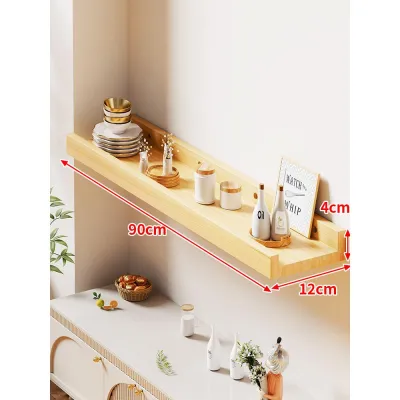
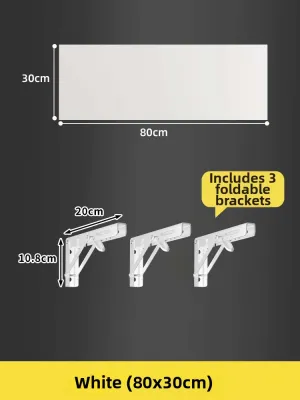
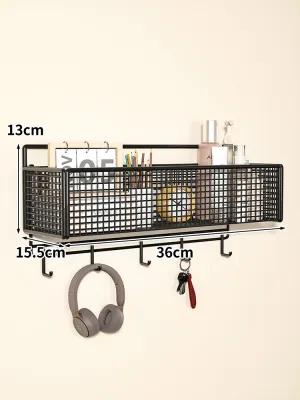
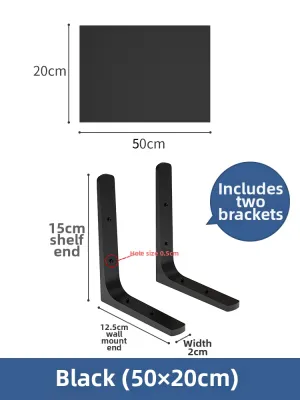
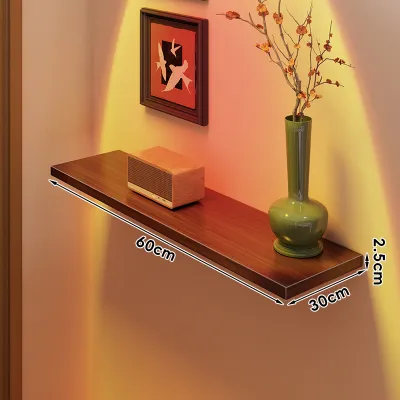
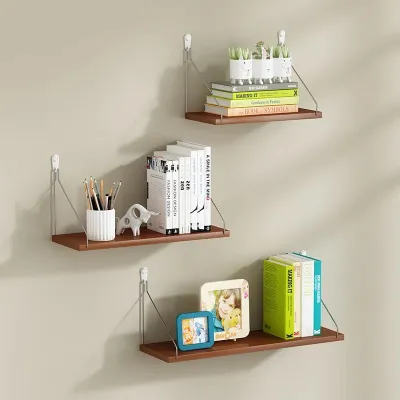
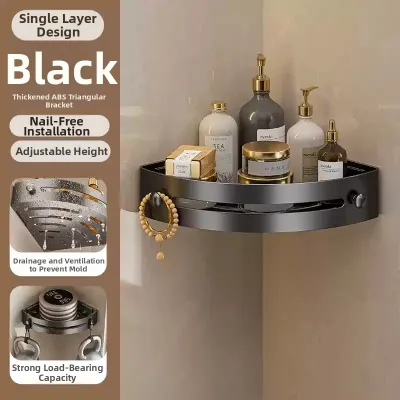
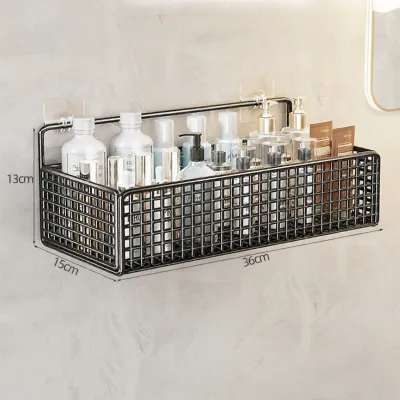
Prices are valid at publication and may change. Please refer to the product page for the latest price.
How to Choose the Right Shelf Rack Wall Mounted
Selecting a suitable shelf rack wall mounted requires careful planning rather than simply picking an attractive design. The primary factors to evaluate before purchasing are shelf depth, overall profile, and the mounting mechanism. A shelf that is too deep will protrude into your active workspace, creating a physical hazard and casting unwanted shadows over your desk. Conversely, a shelf that is too shallow will fail to hold standard office binders, laptops, or storage boxes.

Before browsing online marketplaces or visiting local furniture showrooms, you must measure your available wall space precisely. Ensure your measurements account for door swings, window sills, and the clearance needed for your office chair to glide or recline. If you are ordering long, pre-assembled shelf units, verify that they can easily fit through your building’s doorways, hallways, and elevator lifts. Always read the manufacturer’s product label to verify the exact finished dimensions, weight limits, and required mounting hardware before making a final decision.
Evaluating Weight Capacity and Wall Compatibility
A shelf is only as reliable as the wall supporting it. When choosing a wall-mounted system, you must check the manufacturer’s rated weight capacity and compare it to the actual items you plan to store. A collection of heavy law textbooks, printers, or UPS backup units requires robust structural support, whereas decorative plants, stationery cups, and light photo frames can sit on lighter structures. It is critical to understand that a shelf’s advertised load limit is only valid if it is installed correctly into a compatible wall material.
In the Philippines, residential walls are typically made of solid concrete (such as cast-in-place walls in modern high-rises), hollow concrete blocks (common in older subdivisions), or gypsum drywall (often used for interior partitions in newer condos). Solid concrete provides the highest load-bearing capacity but requires specialized masonry drill bits and heavy-duty plastic expansion anchors or concrete screws. Drywall partitions require finding the internal metal studs for secure mounting, or utilizing specialized toggle bolts if mounting directly to the gypsum board. Never attempt to mount a heavy shelf on drywall without verifying the internal support structure first.
Choosing Humidity-Resistant Finishes
The tropical climate of the Philippines presents a unique challenge for home office furniture. High relative humidity, especially during the monsoon season, can cause low-quality materials to degrade rapidly. A simple material label like “wood” or “metal” does not guarantee long-term durability. Untreated particle board or medium-density fiberboard (MDF) can absorb airborne moisture, leading to swelling, warping, and structural failure over time.
When selecting wooden shelves, look for products that feature sealed polyurethane varnishes, melamine laminates, or moisture-resistant MDF with high-quality PVC edge banding. For metal components, ensure they are treated with a rust-proof powder coating to prevent corrosion from humid air or damp cleaning cloths. Always review the manufacturer’s care instructions to confirm that the surfaces can be safely wiped down with a damp microfiber cloth without stripping away the protective moisture barrier.
Top Shelf Configurations for Specific Office Tasks
Different home office workflows demand different storage configurations. There is no single “best” shelf design for every user; instead, the ideal setup depends on what you need to store and how you interact with your workspace. By matching the shelf configuration to your specific daily tasks, you can optimize both your productivity and your room’s layout.
Floating Shelves for Minimalist Desk Setups
Floating shelves are the premier choice for clean, modern aesthetics. Featuring internal mounting brackets that are hidden once installed, these shelves provide a sleek appearance without visible vertical supports. They are best suited for storing lightweight reference materials, small decorative plants, or personal mementos directly above your computer monitor.
When selecting floating shelves, look for designs with sturdy internal steel brackets rather than thin aluminum pins. Additionally, verify the shelf depth carefully; a depth of 15 to 20 centimeters is usually ideal for small items, ensuring the shelf does not obstruct your headspace when you sit or stand up from your desk.
Pegboards for Flexible Accessory Storage
For professionals who handle a variety of small tools, cables, stationery, and hardware, a wall-mounted pegboard offers unmatched flexibility. Unlike static shelves, pegboards allow you to reposition hooks, shelves, and storage bins as your workflow changes. This setup keeps small accessories visible and organized, preventing them from getting lost in deep desk drawers.
When purchasing a pegboard system, ensure the panel comes with a compatible set of accessories and that replacement hooks are readily available. You must also verify that the mounting hardware is robust enough to keep the panel flat against the wall, preventing any sagging or shaking when you remove or replace items.
Corner Shelves for Awkward Room Layouts
If your home office is tucked into a tight corner or a narrow alcove, standard straight shelves may not fit. Corner shelves are designed to utilize the 90-degree intersection of two walls, turning dead space into a highly functional storage zone. This configuration is excellent for placing secondary items like backup hard drives, small printers, or reference manuals that you do not need to access constantly.
Before purchasing, use a corner square or a digital angle finder to verify that your walls meet at a true 90-degree angle, as slight construction deviations can prevent a pre-fabricated corner shelf from sitting flush against both walls.
Safe Installation Guide for Condo and Bedroom Walls
Installing a shelf rack wall mounted safely requires a methodical approach and the right tools. Before you begin drilling, you must identify the exact composition of your wall. Modern high-rise condominiums in the Philippines often feature extremely hard, solid concrete shear walls, while interior partition walls are frequently made of lightweight drywall. Using the wrong drill bit or anchor can ruin your wall surface and lead to shelf collapse.
Always use the specific wall anchors and screws recommended by the manufacturer. Never substitute proper mounting hardware with generic nails, adhesive tape, or undersized screws, as these cannot withstand the continuous downward leverage exerted by a loaded shelf. If you are unsure of your wall’s material, or if you plan to store exceptionally heavy equipment, stop immediately and consult a professional carpenter or your building’s maintenance staff.
Before drilling any holes, use an electronic stud finder with live-wire detection to check for hidden electrical conduits or water pipes running behind the wall. This step is crucial in Philippine condos, where utility lines are often embedded directly in concrete or run close behind drywall panels. Use a high-quality spirit level to ensure your mounting marks are perfectly horizontal. Measure twice to confirm the spacing of your brackets matches the pre-drilled holes on your shelves. Once the brackets are secured, test the stability of the mount with a light downward hand pressure before placing any valuable office equipment on the shelf.
Organizing and Styling Your Vertical Workspace
Once your shelves are safely mounted, organizing them thoughtfully will enhance both the functionality and the visual appeal of your home office. To prevent the shelves from looking cluttered, mix vertical and horizontal book stacking. This technique not only creates visual interest but also acts as natural bookends for your collection. Utilize small fabric baskets, woven rattan bins, or opaque plastic containers to conceal loose papers, charging cables, and miscellaneous stationery.
For multi-tiered shelving systems, always place your heaviest items on the lowest shelves. Positioning heavy books or devices closer to the wall brackets minimizes leverage, reducing the physical stress on the wall anchors. Finally, resist the temptation to pack every inch of shelf space. Leaving approximately 20% to 30% of the shelf surface empty creates negative space, which helps a small room feel open, airy, and organized rather than cramped and chaotic.
Frequently Asked Questions (FAQ)
The following frequently asked questions address common logistical challenges when installing and managing wall-mounted shelving in Philippine home offices.
Can I install wall-mounted shelves in a rented condo without losing my deposit?
In most Philippine rental properties, drilling holes into concrete or drywall requires written permission from the landlord or building administration. If drilling is strictly prohibited, you can consider alternative storage solutions such as floor-to-ceiling tension-pole shelving units or freestanding ladder desks that lean against the wall without requiring permanent anchors. While some heavy-duty adhesive strips claim to hold light floating shelves, they carry strict weight limits and often tear away paint or plaster when removed, which could still result in a deduction from your security deposit.
How do I hide cables on a wall-mounted shelf rack?
Managing cables from devices like desk lamps, chargers, or speakers mounted on your shelves is essential for a clean look. You can use paintable plastic cable raceways that stick directly to the wall, allowing you to route wires neatly and paint the covers to match your wall color. Alternatively, flexible fabric cable sleeves or spiral wraps can bundle multiple cords together. If you are purchasing new shelves, look for designs that feature built-in cable routing holes or notches along the back edge, which allow wires to pass down to your desk or power outlet discreetly.

Community discussion
Share your experience or ask a question. Comments are reviewed before publication.