
Selecting the ideal wall-mounted shelf for your home study depends entirely on the volume, size, and weight of your reading materials, alongside the structural strength of your wall. While a minimalist floating shelf offers a clean, modern look for light paperbacks and decorative stationery, heavy academic textbooks and thick binders require the robust support of bracketed shelves or the adaptability of modular grid systems. To build an organized, safe, and productive study space, you must balance visual appeal with structural capacity.
Choosing the wrong configuration can lead to sagging boards, damaged walls, or even a sudden collapse that ruins your valuable books. By evaluating your specific storage needs and understanding how different shelving styles distribute weight, you can select a setup that keeps your study materials secure and easily accessible.
Assess Your Space and Storage Needs
Before browsing online marketplaces or visiting local furniture showrooms, you need to evaluate the physical environment of your home office. Start by measuring the available wall width and depth clearance where you plan to install the shelving. It is crucial to ensure that the depth of the shelves will not obstruct walkways, bump into your office chair, or interfere with the natural flow of movement in the room. A shelf that juts out too far in a tight space can turn a comfortable study area into a cramped and hazardous environment.
Products mentioned in this guide
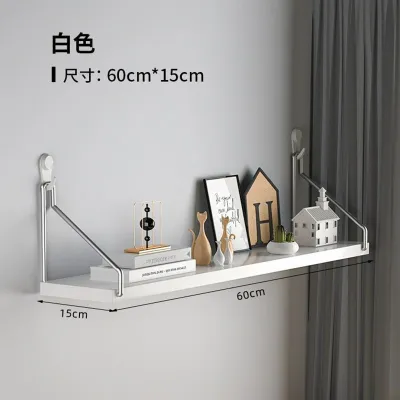
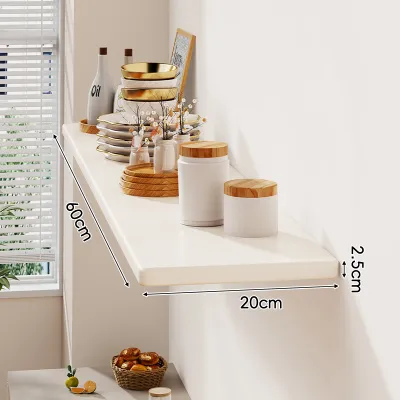
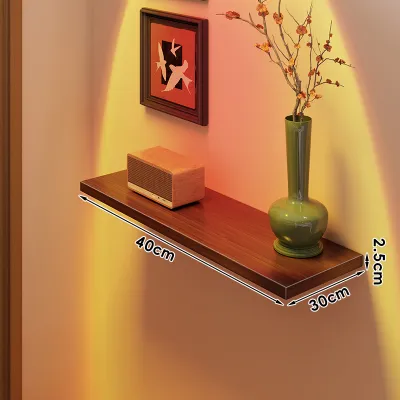
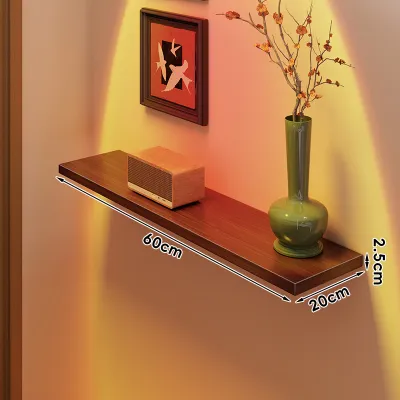
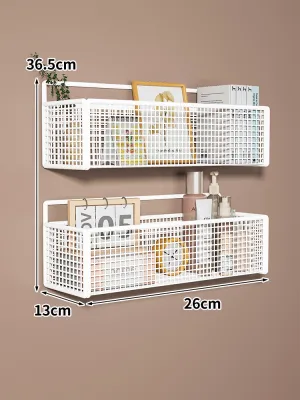
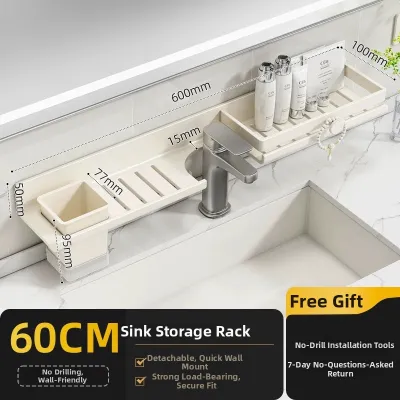
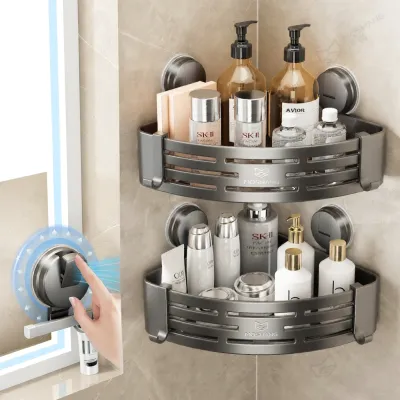
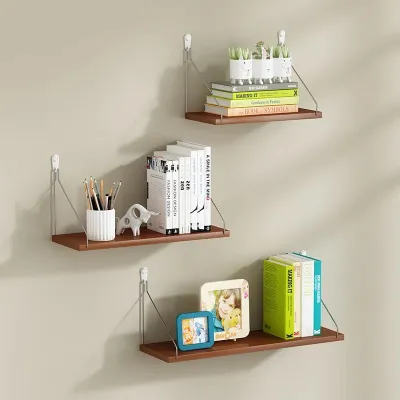
Prices are valid at publication and may change. Please refer to the product page for the latest price.
Next, take a close look at the items you intend to store and categorize them by weight. Heavy reference books, law journals, medical textbooks, and thick multi-ring binders exert significant downward force and require heavy-duty support. In contrast, lightweight paperbacks, small notebooks, pens, and decorative items can be accommodated by lighter shelving options. Grouping your materials beforehand allows you to estimate the total load your shelves must bear, preventing structural failure down the line.
Finally, you must identify the composition of your wall. In many homes in the Philippines, walls are constructed from either solid concrete masonry or hollow drywall partitions. Solid concrete walls offer excellent load-bearing capacity but require masonry drill bits and expansion shields for installation. Hollow drywall partitions, on the other hand, are much more delicate and require you to locate the wooden or metal studs behind the plaster, or use specialized hollow-wall anchors. Knowing your wall type dictates the exact mounting hardware you will need and sets the ultimate limit on how much weight your shelves can safely support.
Top Wall-Mounted Shelf Styles for Home Offices
Different shelf designs offer distinct advantages depending on your aesthetic preferences and the physical characteristics of your study materials. Understanding these differences helps you match the right style to your daily workflow.

Floating Shelves
Floating shelves are highly popular for their clean, minimalist appearance, as they feature hidden internal brackets that make the shelf appear to grow directly out of the wall. This design is excellent for small home offices or study corners where you want to maximize floor space without adding visual clutter. Because there are no visible supports underneath, they create an airy, modern feel that complements contemporary interior designs.
However, this clean aesthetic comes with a trade-off in load capacity. Because the internal support rods are relatively short and rely on a hidden bracket, floating shelves have strict weight limits that you must verify in the manufacturer’s manual. Overloading a floating shelf can cause it to tilt forward, creating an unsightly gap at the wall joint and risking a collapse.
For these reasons, floating shelves are best reserved for lightweight study accessories, small notebooks, novels, and decorative plants. If your primary goal is to display a curated selection of current reading materials rather than storing an entire academic library, a floating system offers a stylish and space-saving solution.
Bracketed and Ledge Shelves
If your study routine involves heavy textbooks, technical manuals, or extensive files, bracketed shelves are the most reliable choice. These shelves utilize visible metal or solid wood brackets mounted underneath the shelf board, transferring the downward force directly into the wall structure. This classic design provides a significantly higher load capacity, making it the workhorse of home libraries.
Additionally, many bracketed shelves feature a front lip or ledge design. This raised edge is incredibly practical for study zones, as it prevents books, binders, pens, and tablet devices from sliding off the front or sides. It also allows you to lean reference materials face-out for easy viewing while you work.
For primary study zones where you frequently pull down heavy volumes, bracketed shelves offer the peace of mind you need. They ensure that your most important resources remain stable and secure, even when packed tightly from end to end.
Modular and Grid Systems
For students and professionals whose storage needs change over time, modular and grid systems offer unmatched flexibility. These systems typically consist of vertical metal tracks mounted to the wall, into which you can slot shelves, brackets, drawers, and pegboards at various heights. This allows you to customize the layout to fit your exact mix of tall binders, short paperbacks, and small stationery organizers.
The primary benefit of a modular system is its scalability. As your book collection grows or your study habits change, you can easily add more shelves or reconfigure the existing ones without drilling new holes in your wall. You can also integrate closed storage boxes for loose papers and writing utensils, keeping your workspace clutter-free.
The main trade-off is that modular systems require a more complex initial installation. You must ensure that the vertical tracks are perfectly parallel and plumb, which demands precise measurements and careful leveling. However, the long-term adaptability of these systems makes them an excellent investment for dedicated, evolving study spaces.
Key Specifications to Check Before Buying
When shopping for a wall-mounted shelf, you should look beyond aesthetics and carefully verify the product specifications to ensure long-term safety and utility. First, always compare the manufacturer’s stated maximum load capacity against the estimated weight of the books you plan to store. Keep in mind that load capacities are usually calculated based on even weight distribution and proper installation into solid studs or masonry; they will be significantly lower if mounted incorrectly.
Second, verify the shelf depth. Standard paperbacks typically require a depth of at least 15 to 20 centimeters, while larger textbooks, binders, and reference manuals may need 25 to 30 centimeters of space. Choosing a shelf that is too shallow will cause your books to overhang, which not only looks untidy but also increases the risk of items tipping forward and falling.
Third, inspect the surface finishes and edge treatments of the shelving material. Look for smooth, rounded edges to prevent accidental scratches to your hands or damage to the covers of your books. If the shelf is made of engineered wood, check that all edges are properly sealed with edge banding to prevent moisture from penetrating the core.
Finally, pay close attention to the quality of the included mounting hardware, especially if you live in a humid tropical climate like the Philippines. High humidity can accelerate the rusting of cheap metal brackets and screws, weakening the entire structure over time. Look for hardware with rust-resistant coatings, such as powder-coated steel, brass, or stainless steel, to ensure the shelf remains securely anchored for years to come. Spending a few pesos ₱ on high-quality, corrosion-resistant hardware during installation prevents costly wall repairs later.
Installation and Safety Guidelines
Proper installation is the single most critical factor in ensuring your wall-mounted shelf remains safe and functional. When mounting shelves on hollow drywall or plasterboard, you must locate the wooden or metal studs behind the wall using a stud finder. Securing your brackets directly into these studs provides the strongest possible hold; you should never rely on standard wood screws driven directly into drywall, as they will quickly pull out under the weight of books.
When arranging your books, always practice even weight distribution. Place the heaviest textbooks and binders closest to the wall brackets or near the ends of the shelf where the support is strongest. Keep lighter paperbacks and stationery items toward the center of longer spans to prevent the shelf board from bowing or sagging over time.
Over time, the constant weight of books can cause hardware to loosen or walls to settle. Establish a routine to inspect your shelves every few months. Check for any visible sagging in the boards, loose screws, or hairline cracks in the wall surrounding the mounting points. If you notice any of these warning signs, remove the books immediately and reinforce the supports.
If you are unsure about your wall’s internal structure, or if your drill encounters unexpected resistance—such as hitting a metal plate or concrete reinforcement bar—stop immediately. Forcing a drill through unknown obstructions can damage electrical wiring or plumbing pipes. In these situations, it is always best to consult a qualified local professional to complete the installation safely.
Frequently Asked Questions (FAQ)
Can I install a wall-mounted shelf on a hollow drywall partition?
Yes, you can install a wall-mounted shelf on a hollow drywall partition, but you must use specialized hollow-wall anchors, such as toggle bolts or heavy-duty threaded anchors, rather than standard plastic plugs. Standard plastic plugs are designed for solid masonry and will not hold in hollow walls. Additionally, you must adhere to strict weight limitations, storing only lightweight items like paperbacks and small notebooks, and try to align the brackets with the internal wall studs whenever possible.
How deep should a shelf be to hold standard textbooks?
For standard textbooks and academic binders, you should look for a shelf depth of at least 25 to 30 centimeters. While smaller novels and paperbacks can comfortably sit on shelves that are 15 to 20 centimeters deep, larger educational materials require the extra depth to prevent them from overhanging the edge. Always measure the deepest book or binder in your collection before purchasing to ensure it fits completely on the shelf surface, eliminating tipping hazards.

Community discussion
Share your experience or ask a question. Comments are reviewed before publication.