
To find the best corner shelves wood options for a home office or study room in the Philippines, you must balance vertical storage efficiency, structural load capacity, and a moisture-resistant finish. The ideal choice depends on your specific space constraints—such as typical urban condominium dimensions—and the weight of the items you intend to store. Rather than focusing solely on the material name, prioritize how the shelf’s layout, joint construction, and protective coating match your room’s environmental conditions.
Maximizing a compact study area requires utilizing vertical space that often goes unused. Corner shelving units provide a practical way to organize reference books, office supplies, and decorative items without encroaching on valuable floor space or blocking walkways. By choosing a design that aligns with your workflow, you can create an organized, productive environment that supports long hours of work or study.
Why Wooden Corner Shelves Work in Philippine Home Offices
Urban residential spaces in major metropolitan areas like Metro Manila, Cebu, and Davao often feature compact bedrooms, townhouses, or shared family rooms that double as home offices. Standard rectangular bookcases can dominate these limited floor plans, making rooms feel cramped and blocking natural light. Corner shelves built from wood offer a smart geometric solution, turning a vacant 90-degree wall intersection into a highly functional storage hub.
Products mentioned in this guide
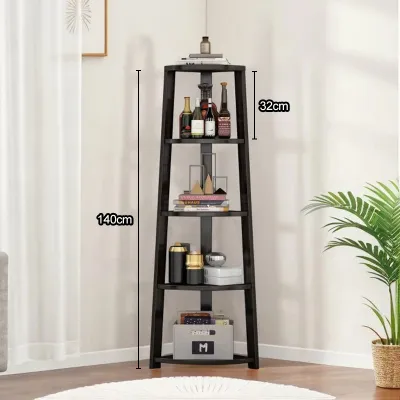
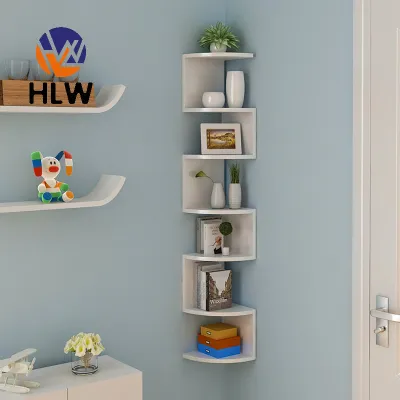
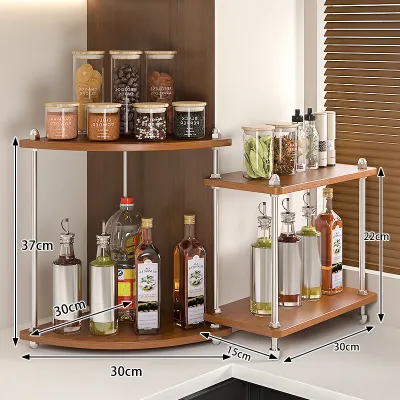
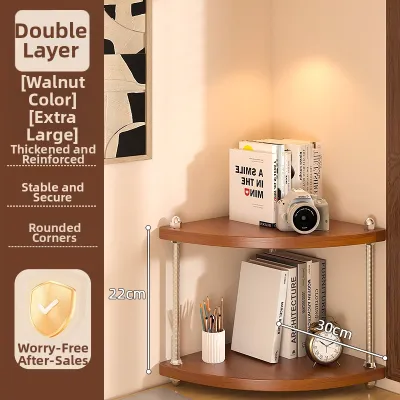
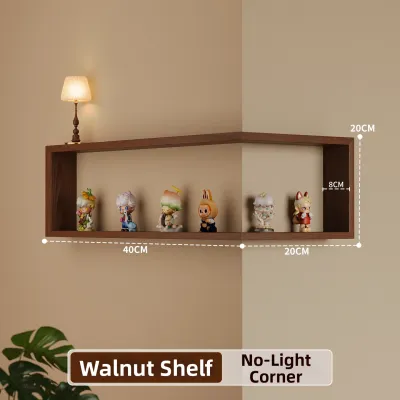
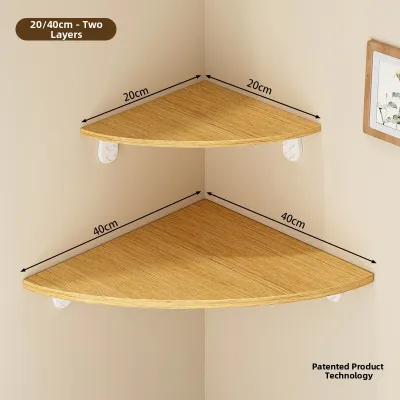
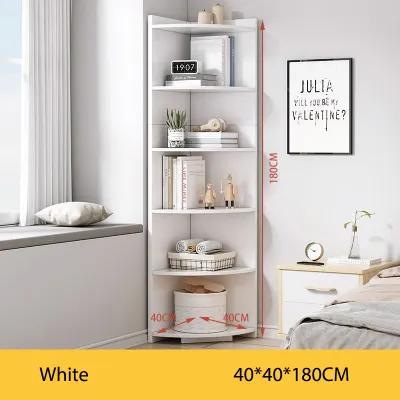
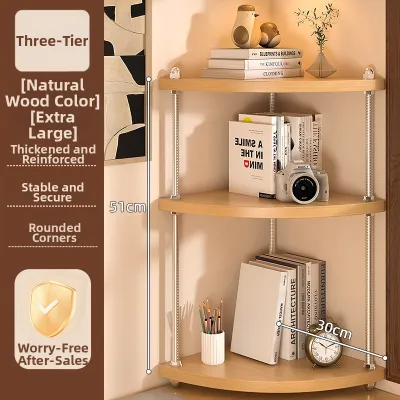
Prices are valid at publication and may change. Please refer to the product page for the latest price.
Using the corner allows you to keep essential files, textbooks, and stationery within arm’s reach of your desk without cluttering your primary workspace. This configuration helps maintain a clean, distraction-free desktop, which is essential for concentration and productivity. Additionally, utilizing vertical space helps preserve open floor areas, keeping the room feeling airy and comfortable.
The tropical climate of the Philippines introduces unique challenges for wooden furniture that must be addressed before making a purchase. The country experiences high ambient humidity throughout the year, particularly during the wet season from June to November. In a home office, these humidity levels often fluctuate rapidly when air conditioning units are turned on during working hours and switched off at night.
These rapid shifts in temperature and moisture can cause natural wood fibers to expand and contract, potentially leading to warping, cracking, or joint separation over time. Unsealed engineered wood can absorb airborne moisture, causing the inner core to swell and the outer laminates to peel away. Selecting furniture with proper wood treatment, industrial-grade sealing, and moisture-resistant finishes is critical to ensuring your shelves survive these environmental demands.
Key Features to Evaluate Before Buying
Wood Type and Finish
When browsing corner shelves wood options, you will generally choose between solid hardwood, solid softwood, and engineered wood products. Solid hardwoods like kiln-dried acacia, mahogany, or rubberwood offer excellent structural strength and natural resistance to wear, provided they are treated with a high-quality polyurethane or lacquer sealant. If choosing engineered wood, such as Medium-Density Fiberboard (MDF) or particleboard, verify that the panels feature moisture-resistant laminates or thick melamine veneers. Check the product specifications carefully to ensure all exposed edges, including the back panels, are fully sealed with edge banding to prevent humidity from penetrating the core.

Load Capacity and Structure
Before purchasing, calculate the approximate weight of the items you plan to store on the shelves. Heavy academic textbooks, legal-sized document binders, and desktop printers require robust support structures. Look for shelves with a minimum thickness of 15 millimeters for engineered wood, or choose solid wood panels reinforced with metal support brackets. Examine the joint construction; high-quality units utilize dowels, cam locks, or metal screws rather than simple glue or staples, ensuring the frame remains stable under a full load.
Footprint and Clearance
Accurate measurements are vital when fitting furniture into a corner. Many homes in the Philippines feature prominent floor baseboards or skirting boards that can prevent a square-backed shelf from sitting completely flush against the wall. Check if the shelf design includes a cutout at the bottom to accommodate baseboards, or measure the depth of your skirting boards to calculate the potential gap. Additionally, ensure the height of a tall corner unit will not obstruct wall-mounted split-type air conditioning units, window frames, light switches, or wall outlets.
Stability and Anchoring
Tall and narrow corner shelves have a higher center of gravity, making them susceptible to tipping if they are loaded unevenly or placed on slightly unlevel floors. This safety hazard is particularly critical in households with active pets or young children who might pull on the shelves. Always check if the manufacturer includes a wall-anchoring kit, which typically consists of L-brackets, safety straps, and wall plugs. Securing the top of the shelf unit directly to your wall structure is the most effective way to prevent accidental tip-overs.
Top Wooden Corner Shelf Designs for Study Rooms
L-Shaped Corner Bookcases
L-shaped corner bookcases are full-height, floor-standing units designed for dedicated study rooms or home offices with large physical libraries. These units extend along both adjacent walls, providing deep, high-capacity shelving that can accommodate heavy reference books, box files, and storage baskets. Their broad base and dual-wall alignment offer superior structural stability compared to single-column corner units.
When evaluating an L-shaped bookcase, verify the finished height against your room’s ceiling clearance, leaving at least a few centimeters of space for assembly. Look for models that feature adjustable shelving tracks, allowing you to customize the height of individual compartments to fit oversized binders or small electronics. Because of their weight and size, ensure your flooring material can support the concentrated load without indentation.
Tiered Open Display Shelves
Tiered open display shelves, often utilizing an A-frame, ladder, or graduated design, offer a visually lightweight storage solution. These units are ideal for shared living-working spaces, rental apartments, or small corners where a solid, bulky cabinet would block natural light and make the room feel confined. They are easy to assemble, relocate, and position in tight spaces.
These shelves are best suited for lighter office accessories, stationery organizers, small decorative plants, and a curated selection of daily reference books. Because they lack solid side panels, they maintain an open, modern aesthetic, but they are not suitable for storing heavy desktop equipment or loose papers that require enclosed support. Always place the heaviest items on the bottom tier to maintain a low center of gravity.
Corner Desk and Shelf Combos
An integrated corner desk and shelf combo consolidates your entire workstation into a single, highly efficient footprint. This design is exceptionally beneficial for micro-offices or bedroom workspaces where floor space is at a premium. These units typically feature a triangular or L-shaped desktop surface with built-in vertical shelving rising above the work surface or nested beneath it.
When selecting a desk and shelf combo, prioritize ergonomic comfort by verifying that the desktop height sits between 73 and 76 centimeters from the floor. Ensure there is sufficient leg clearance underneath the desk and that the unit features built-in cable management cutouts to organize computer cords and power strips safely. Check that the weight of your computer monitor or laptop is evenly supported by the desk’s frame to prevent sagging.
Bamboo and Rattan-Accent Wood Shelves
For those who prefer a sustainable, tropical aesthetic that complements local interior design styles, bamboo and rattan-accented wooden shelves are excellent alternatives. Bamboo is a highly renewable material known for its high tensile strength and natural resistance to moisture absorption, making it highly stable in humid climates. Rattan accents add texture and warmth, creating a relaxed, organic atmosphere in your study.
These shelves are lightweight yet structurally resilient, making them easy to move when rearranging your home office. However, because bamboo and rattan joints can vary in load capacity, you must carefully check the manufacturer’s specified weight limits before placing heavy office machinery or large book collections on them. They are best utilized for medium-weight books, office trays, and personal decor.
Design Comparison: Matching Shelves to Your Room Layout
Choosing the right corner shelf design requires matching your specific storage needs with the physical constraints of your home office. The table below compares the four primary design categories across key practical dimensions to help you identify the best fit for your workspace.
| Design Type | Space Efficiency | Load Capacity | Humidity Resistance | Best Use Case |
|---|---|---|---|---|
| L-Shaped Bookcases | Moderate (requires clear wall space) | High (suitable for heavy books) | Dependent on finish quality | Dedicated offices with large book collections |
| Tiered Open Displays | High (fits narrow, tight corners) | Low to Moderate (best for light items) | High (excellent air circulation) | Shared rooms, apartments, and decorative storage |
| Desk and Shelf Combos | Maximum (combines desk and storage) | Moderate (focused on desktop items) | Dependent on material type | Micro-offices and multi-purpose bedrooms |
| Bamboo & Rattan Shelves | High (lightweight and easy to place) | Moderate (verify joint strength) | Very High (naturally moisture-resistant) | Tropical aesthetics and medium-weight storage |
Measuring and Installing Corner Shelves Safely
To ensure your corner shelf fits perfectly and remains safe during use, follow a systematic measurement and installation process before and after your purchase.
- Step 1: Check Wall Squareness. Many residential walls are not perfectly square at a 90-degree angle. Use a carpenter's square or measure a 3-4-5 triangle in the corner to check for alignment issues. If your walls are slightly uneven, look for corner shelves with adjustable leveling feet or floating designs that allow for minor installation adjustments.
- Step 2: Measure Baseboards and Skirting. Measure the height and depth of your floor baseboards. If the corner shelf does not have a pre-cut baseboard recess, you will need to account for a gap between the shelf and the wall, which can affect stability and aesthetics.
- Step 3: Verify Delivery Access. Measure the width and height of all entryways, hallways, stairwells, and elevator doors in your building. Ensure that the packaged boxes or pre-assembled furniture frames can safely navigate these pathways to reach your home office.
- Step 4: Secure the Unit to the Wall. For concrete or solid masonry walls common in local construction, use a hammer drill, masonry drill bits, and high-quality plastic wall plugs (tox) with matching screws to anchor the safety brackets. For drywall partitions, locate the metal or wooden studs behind the wall using a stud finder, or use heavy-duty toggle bolts. If you are unsure of your wall's structural integrity, consult a professional installer.
Maintaining Wood Shelves in a Humid Climate
Proper maintenance is essential to protect your investment from the degrading effects of high humidity and temperature fluctuations. Establish a routine care schedule to keep your wooden corner shelves in optimal condition.
- Routine Dusting: Dust your shelves weekly using a dry, clean microfiber cloth. Avoid using heavily saturated cloths, as excess water can seep into joints, seams, or micro-cracks in the finish, leading to localized swelling and wood rot.
- Climate and Airflow Management: Position your wooden shelves away from the direct path of air conditioning vents or prolonged, direct sunlight from windows. Rapid temperature changes and intense UV exposure can dry out wood finishes, causing them to crack, fade, or peel. Maintain a gap of at least one to two centimeters between the back of the shelf and the wall to promote healthy air circulation and prevent moisture buildup.
- Moisture Control: During the rainy season, place disposable moisture-absorbing canisters or silica gel packets inside enclosed cabinet sections or behind book stacks. These helpers draw excess moisture out of the air, reducing the risk of mold growth.
- Mold Inspection: Periodically inspect the back panels, bottom corners, and underside of the shelves for early signs of mildew or mold. If you spot any discoloration, wipe the area immediately with a mild, wood-safe disinfectant or a mixture of water and white vinegar. Dry the surface completely with a clean towel and consider applying a fresh coat of protective wood wax or sealer if recommended by the manufacturer.
Frequently Asked Questions (FAQ)
Can I use solid wood corner shelves in an air-conditioned room?
Yes, solid wood corner shelves can be used in air-conditioned rooms, but they require a high-quality, fully sealed finish to withstand the dry air. Avoid placing the shelf directly in front of or beneath an air conditioning unit’s draft, as rapid localized cooling and drying can cause the wood to shrink unevenly, leading to structural cracks or joint separation.
How much weight can a typical wooden corner shelf hold?
Weight capacity varies significantly based on the material, shelf thickness, and overall design. Typically, a standard engineered wood corner shelf can support between 5 to 15 kilograms per tier, whereas reinforced solid wood or metal-framed units can hold substantially more. Always refer to the manufacturer’s specified weight limits and distribute heavier items evenly across the lowest shelves.
Are floating wooden corner shelves safe for heavy books?
Floating wooden corner shelves are generally not recommended for heavy books or binders. Because they rely entirely on internal wall brackets and the holding power of wall anchors without any floor support, excessive weight can strain the wall structure, causing the shelves to sag or pull away from the wall. Reserve floating shelves for lightweight decor, and use floor-standing units for heavy study materials.

Community discussion
Share your experience or ask a question. Comments are reviewed before publication.