
Selecting the ideal wooden headboard for a queen-size bed in the Philippines requires balancing aesthetic appeal with the practical challenges of a tropical climate. A headboard serves as the visual anchor of your bedroom, defining the space’s character while providing structural support and comfort. However, the high humidity, temperature fluctuations, and unique residential layouts in the country mean that choosing a headboard involves much more than simply picking a style you like.
To make a smart investment, you must evaluate how different wood species, manufacturing methods, and mounting styles perform under local conditions. From high-rise condominiums in Metro Manila to breezy coastal homes in the provinces, your living environment dictates the best material and installation approach. By understanding these factors, you can select a queen-size wooden headboard that remains beautiful, stable, and mold-free for years to come.
Core Criteria for Choosing a Queen-Size Wooden Headboard
When shopping for a wooden headboard, dimensions are your first critical consideration. In the Philippines, a standard queen-size mattress measures 60 inches wide by 75 inches long (approximately 152 cm by 190 cm). To create a balanced look, a standard queen headboard should be slightly wider than the mattress, typically measuring between 62 and 64 inches. This extra width ensures that your bedding tucks in neatly without exposing the mounting brackets or the edges of the bed frame. If you plan to frame your bed with matching bedside tables, you might even consider an extended headboard, which can span up to 100 inches to sit flush behind your nightstands.
Products mentioned in this guide
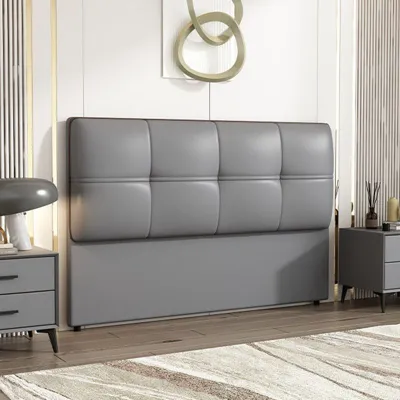

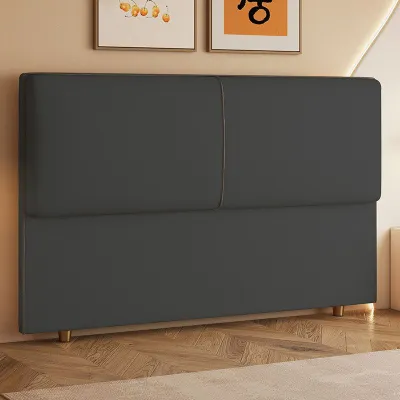
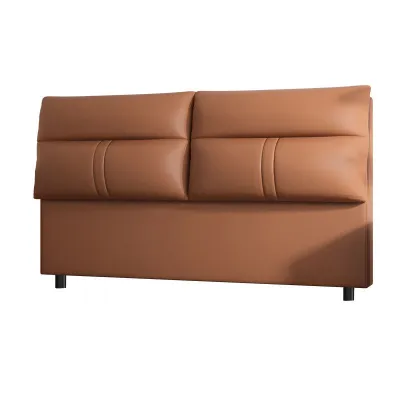
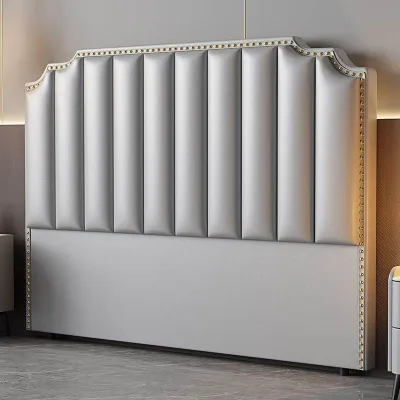
Prices are valid at publication and may change. Please refer to the product page for the latest price.
Mounting types greatly influence the stability, flexibility, and installation difficulty of your headboard. You will generally choose between three configurations:
- Bed-Frame-Attached: These headboards bolt directly onto your existing queen bed frame. They are highly stable, move alongside the bed if you rearrange your room, and are ideal for renters because they do not require drilling into walls. You must, however, verify that the pre-drilled slot distances on the headboard match the mounting brackets of your bed frame.
- Wall-Mounted: Secured directly to the wall using interlocking brackets or French cleat systems, these headboards offer a sleek, floating appearance. They are excellent for saving floor space and allow you to adjust the height of the headboard independently of your mattress. However, they require permanent drilling and precise leveling.
- Freestanding: These models stand on the floor and are held in place by wedging them between the wall and your bed frame. While easy to install, they can wobble if your floor is uneven or if the bed frame shifts.
The tropical climate of the Philippines introduces significant moisture challenges that you cannot ignore. High relative humidity, which often exceeds 80% during the rainy season, can cause wood fibers to swell, while dry air from air conditioning causes them to shrink. This continuous cycle leads to warping, cracking, or joint separation. It is a common misconception that choosing a hard wood species automatically prevents these issues. Instead, you must verify the surface treatment and sealants used by the manufacturer. Look for headboards finished with moisture-resistant polyurethane, lacquer, or specialized outdoor-grade wood oils, and always check the care instructions to see how the material reacts to humidity control.
Top Wooden Headboard Styles to Consider
Different construction methods and materials offer distinct advantages in terms of durability, weight, and visual impact. Understanding these distinctions helps you align your purchase with your budget and long-term expectations.

Solid Wood Headboards
Solid wood headboards represent a premium, long-term investment in your home. Locally sourced and regionally imported hardwoods—such as acacia, mahogany, tanguile, and mango wood—are highly favored for their rich, natural grain patterns and structural integrity. A solid wood headboard offers exceptional durability and can last for decades. If the surface becomes scratched, stained, or worn over time, it can be sanded down, repaired, and refinished to look brand new, a level of repairability that engineered alternatives cannot match.
However, solid wood comes with practical trade-offs. These headboards are exceptionally heavy, making them difficult to transport, maneuver through tight spaces, and install without assistance. They also command a higher price point, typically ranging from ₱15,000 to over ₱40,000 depending on the wood species and the complexity of the craftsmanship.
Before purchasing, you must check the wood’s drying process. High-quality solid wood furniture should be kiln-dried rather than air-dried. Kiln-drying reduces the internal moisture content of the timber to a stable level, minimizing the risk of the wood warping, splitting, or cracking when exposed to the fluctuating humidity of Philippine households. Always ask the retailer for confirmation of kiln-drying and inspect the joints to ensure they are reinforced with dowels or heavy-duty screws rather than simple glue.
Engineered Wood with Veneer or Laminate
For budget-conscious buyers, renters, or those who prefer lighter furniture, engineered wood headboards are a highly practical alternative. These products are constructed from Medium-Density Fiberboard (MDF) or particleboard, which is then covered with a thin layer of natural wood veneer or a synthetic laminate printed with a wood-grain pattern. This manufacturing process ensures a perfectly uniform finish free of natural knots or color variations, and it keeps the furniture lightweight and easy to handle.
Despite their convenience, engineered woods are highly vulnerable to moisture. If water or high humidity penetrates the outer laminate or veneer layer, the underlying compressed wood fibers will absorb the moisture, swell, and eventually disintegrate. Once engineered wood swells, it cannot be repaired or sanded down; the damage is permanent. This vulnerability is especially pronounced at the bottom edges that touch the floor or near damp walls.
To ensure your engineered wood headboard lasts, inspect the quality of the edge banding before buying. The edge banding should be thick, seamless, and tightly adhered to the board with no visible gaps or glue lines where moisture could seep in. Opt for boards with a minimum thickness of 15mm to 18mm to prevent sagging, and ensure that any pre-drilled holes are clean and reinforced to prevent the fiberboard from crumbling during assembly.
Wood and Rattan Combinations
Wood and rattan headboards combine solid wood frames with woven cane, wicker, or rattan panels. This style, often featuring the classic solihiya weaving pattern, is deeply rooted in local design heritage and perfectly complements modern tropical, bohemian, or mid-century interior aesthetics. The visual texture of woven rattan adds warmth to a bedroom while maintaining a light, airy feel that prevents a small room from looking overcrowded.
Beyond aesthetics, the woven design offers practical benefits for tropical living. The gaps in the weave allow air to circulate freely behind the bed, preventing the pockets of stagnant, humid air that often form behind solid furniture and lead to mold growth. Because the center panels are woven rather than solid, these headboards are also significantly lighter and easier to wall-mount or move.
Maintenance, however, requires a dedicated routine. The intricate crevices of woven rattan easily trap dust, pet dander, and fibers, requiring regular vacuuming with a soft brush attachment or dusting with a dry microfiber cloth. Natural fibers can also become brittle if exposed to direct sunlight from nearby windows or excessive dry air from air conditioners. You should inspect the weave regularly for loose or broken strands that could snag your pillows or bedsheets, and verify that the rattan has been treated with a clear protective topcoat to ward off wood-boring insects and mold.
Space Planning and Installation Logistics
Failing to plan for transit and installation is one of the most common mistakes when purchasing large bedroom furniture. A queen-size headboard is a bulky item, and ensuring it can actually reach your bedroom is just as important as verifying that it fits your bed.
If you live in a high-rise condominium in metropolitan areas like Bonifacio Global City, Makati, or Ortigas, or in a compact townhouse, you must measure your building’s service elevator, narrow corridors, and tight stairwell turns. A solid, single-piece wooden headboard measuring 62 inches wide and 50 inches high may not fit inside a standard passenger lift or negotiate a sharp landing in a townhouse staircase. Always measure the clearance height, width, and diagonal depth of all entry points, and compare them against the packaged dimensions of the headboard. If access is tight, look for flat-packed engineered wood options or modular solid wood designs that assemble inside your bedroom.
For wall-mounted headboards, you must identify your wall type before drilling. Most residential walls in the Philippines are constructed from concrete hollow blocks (CHB) finished with plaster, rather than the gypsum drywall common in Western countries. Mounting a heavy wooden headboard onto a concrete wall requires a hammer drill, masonry drill bits, and heavy-duty plastic or metal expansion anchors (often referred to locally as “tox” plugs) to grip the concrete securely. Standard drywall screws or light-duty adhesive strips will fail under the weight of the wood, risking severe damage or injury. If you are renting, verify if your landlord permits drilling into concrete, as patching these holes requires plaster compound and matching paint.
Finally, perform a thorough clearance check in your bedroom. Ensure the height of your headboard does not block wall-mounted split-type air conditioning units, as the cool air draft can dry out the wood unevenly, causing it to warp. Check that the headboard does not cover light switches, wall outlets, or window sills, and ensure there is enough clearance for adjacent built-in wardrobe doors to swing open completely without striking the bed.
Pre-Purchase Checklist for Online and In-Store Buying
To ensure a smooth purchasing experience, use this checklist before finalizing your order, whether you are browsing a physical showroom or shopping on local e-commerce platforms:
- Confirm Standalone Dimensions: Never assume a "queen" label fits your space perfectly. Check the exact width, height, and depth in the product specifications. Some headboards feature wide decorative wings or extended frames that require significantly more wall space than a standard 60-inch mattress.
- Verify Bolt Compatibility: If buying a bed-frame-attached headboard, measure the distance between the mounting holes on your current bed frame. Ask the seller for a technical drawing or the exact spacing of the headboard's pre-drilled slots to ensure they align.
- Clarify Delivery and Assembly Terms: Read the fine print regarding delivery fees. Does the shipping charge cover door-to-door delivery, or will the courier only drop the heavy item at the building lobby or curb? Ask if the seller offers professional assembly and wall-drilling services, and clarify if these services incur extra charges.
- Review the Return and Warranty Policies: Wood is a natural material that can suffer structural damage during transit. Ensure the seller offers a clear return or exchange policy for items that arrive with deep cracks, warped panels, or broken rattan strands. Take unboxing videos and photos immediately upon delivery to document any transit damage.
- Evaluate Maintenance Requirements: Be honest about your lifestyle. If you do not have the time to regularly dust woven rattan or manage room humidity with a dehumidifier, a low-maintenance, heavily sealed solid wood or high-quality laminate headboard will be a much better fit for your home.
Frequently Asked Questions (FAQ)
Can I mount a wooden headboard on a hollow block wall?
Yes, you can securely mount a wooden headboard on a concrete hollow block (CHB) wall, but you must use the correct hardware. Standard screws or drywall anchors will not hold in concrete and will eventually pull out under the weight of the headboard. To install it safely, use a hammer drill equipped with a masonry drill bit to create holes in the wall. Insert heavy-duty plastic expansion wall plugs (tox plugs) or sleeve anchors into the holes, then secure the mounting brackets or French cleats with robust screws. If the headboard is exceptionally heavy, ensure you drill into the solid concrete ribs or mortar joints of the wall rather than the hollow center of the blocks for maximum holding power.
How do I prevent mold on a wooden headboard in a humid room?
To prevent mold growth on your wooden headboard during the humid wet season, you must manage airflow and moisture. Never place your headboard completely flush against an exterior wall; leave a gap of 2 to 3 inches to allow air to circulate freely and prevent moisture condensation. During high-humidity months, run a dehumidifier or use your air conditioner’s dry mode to keep indoor humidity levels below 60%. For cleaning, wipe the headboard regularly with a dry microfiber cloth to remove dust, which serves as a food source for mold spores. If you need to clean a spill, use a slightly damp cloth with mild, wood-safe soap, and immediately dry the surface with a separate clean towel. Avoid using harsh chemical cleaners, bleach, or excessive water, as these can strip away the protective sealant and expose the raw wood to moisture.

Community discussion
Share your experience or ask a question. Comments are reviewed before publication.