
A yellow storage box is one of the most practical and efficient assets you can use during a Lipat Bahay in the Philippines. Its bright, high-visibility hue ensures that packed items are easily identifiable in dark truck beds or cluttered hallways, reducing the risk of leaving essential belongings behind. When planning a household relocation, choosing durable, stackable yellow bins helps streamline the chaotic moving process while protecting your possessions from the country’s unpredictable weather and demanding transit conditions.
By focusing on structural integrity, moisture protection, and smart packing strategies, you can transform your moving experience from disorganized to highly efficient. Selecting the right type of container for your specific belongings ensures that everything arrives at your new home intact and ready to be unpacked.
Why Choose Yellow Storage Boxes for Your Move?
Opting for a yellow storage box during a household move offers immediate logistical advantages that standard clear or dark bins cannot match. The most prominent benefit is high visibility. During a hectic Lipat Bahay, items are frequently loaded and unloaded in dimly lit environments, such as deep moving truck beds, dark stairwells, or temporary storage units. A bright yellow container stands out clearly in these low-light settings, making it much easier to spot and handle safely.
Products mentioned in this guide
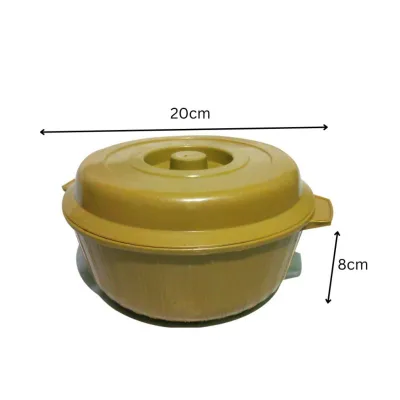
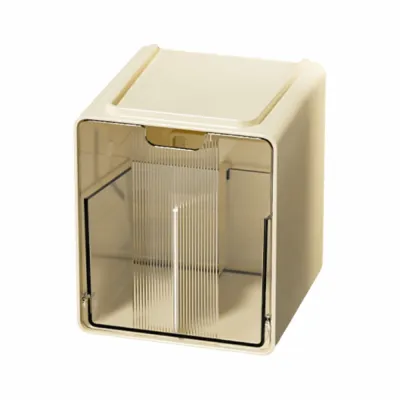
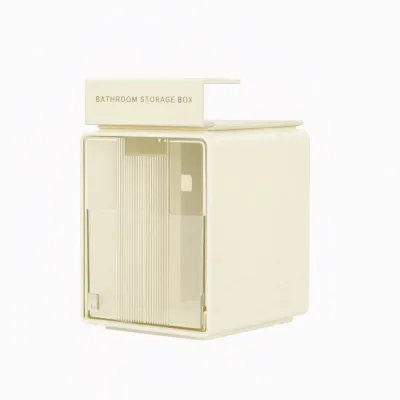
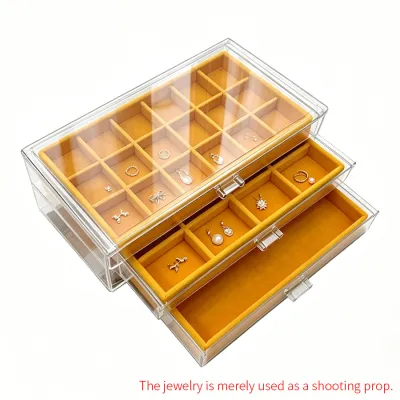
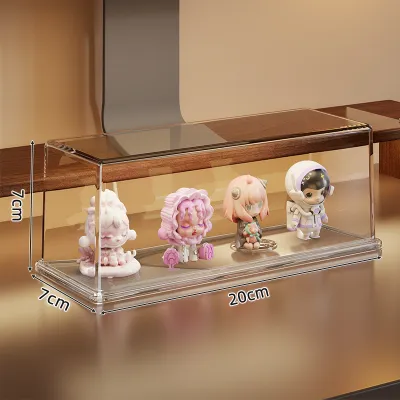
Prices are valid at publication and may change. Please refer to the product page for the latest price.
This vibrant color also facilitates rapid visual sorting during both the packing and unpacking stages. Instead of searching through dozens of identical cardboard boxes or gray bins, you can spot your yellow containers instantly from across a room. This high visibility is particularly useful during the final sweep of your old home, as it minimizes the risk of accidentally leaving a crucial container behind in a dark corner or closet.
Beyond the physical and logistical benefits, there is a psychological advantage to using bright colors during a relocation. Moving is notoriously stressful, demanding long hours of physical labor and meticulous planning. Integrating bright, warm colors like yellow into your packing setup can provide a subtle but welcome morale boost, making the environment feel more energetic and organized as you transition to your new home.
Essential Features to Check Before Buying Moving Boxes
Not all plastic containers are engineered to withstand the physical demands of a residential move. Before purchasing your packing supplies, you must look beyond the color and verify specific structural and design details on the product labels to ensure they can handle the heavy lifting.

Stackability and Structural Integrity
When loading a moving vehicle, maximizing vertical space is essential to reduce the number of trips and optimize transit costs. To do this safely, you must choose containers designed specifically for stable stacking. Look for yellow boxes that feature deep interlocking lids and reinforced base rims. These design elements work together to lock the stacked units in place, preventing them from sliding or shifting when the moving truck navigates sharp turns, sudden stops, or uneven provincial roads.
Always check the manufacturer’s stated maximum load capacity and stack limit on the product label before buying. Never assume a plastic box can support unlimited weight just because it feels rigid. Overloading a container or stacking it past its recommended limit can cause the bottom unit to buckle, potentially damaging fragile items stored inside.
To ensure long-term durability, visually inspect the box walls for structural reinforcements. Look for containers with pronounced ribbed walls or double-walled construction along the corners and base. These molded ribs add significant rigidity and load-bearing strength without adding excessive dead weight to the container, allowing the box to maintain its shape even under heavy pressure.
Moisture Protection for the Philippine Climate
The tropical climate of the Philippines introduces unique challenges to the moving process, particularly sudden afternoon downpours and high year-round humidity. To safeguard your household goods from water damage, you must evaluate the protective features of your storage containers. Do not rely solely on the plastic material name, such as polypropylene, as a guarantee of water resistance.
Instead, look for boxes equipped with tight-sealing lids, integrated rubber or silicone gaskets, and robust snap-lock mechanisms. A secure latched lid prevents ambient moisture, dust, and insects from entering the container during transit or while stored in a garage. These sealing features are especially critical if your belongings will be transported in an open-bed vehicle, such as a pickup truck or a traditional jeepney.
Additionally, examine the exterior design of the lid to ensure it prevents water pooling. A well-designed lid will feature sloped channels or raised edges that direct rainwater away from the seams when stacked. Finally, always verify that the interior of each yellow storage box is completely dry before packing your items. Sealing damp items inside a plastic container in a humid environment will inevitably lead to mold and mildew growth.
Ergonomic Handles and Transit Safety
Carrying heavy containers up and down stairs, through narrow corridors, and into tight vehicle spaces requires secure, comfortable handholds. When selecting your moving boxes, prioritize models with deeply recessed or reinforced molded handles. These handles should be integrated directly into the body of the box rather than attached as separate, thin plastic pieces that can easily snap under a heavy load.
Avoid containers that feature thin, sharp, or unsupported plastic grip areas. Carrying these units can cause rapid hand fatigue and painful pressure points, increasing the likelihood of dropping the box during transit. If you are moving items into a multi-story apartment or a condominium with limited elevator access, comfortable handles are non-negotiable for physical safety.
Before finalizing your purchase, verify the exterior dimensions of the containers against your physical environment. Ensure the boxes can easily pass through standard doorways, fit inside residential elevators, and align neatly within the cargo dimensions of your moving vehicle. Choosing boxes that are too wide or awkward to carry can lead to unnecessary delays and physical strain during loading.
Top Types of Yellow Storage Boxes for Household Items
Matching the right type of yellow container to your specific household items is key to preventing damage and maximizing efficiency. Different designs serve distinct purposes throughout the moving process.
Heavy-Duty Plastic Crates for Dense Loads
Industrial-style yellow plastic crates are the best choice for transporting dense, heavy items that require maximum structural support. These rugged containers are commonly used in commercial logistics and are highly valued for their exceptional durability. They are ideal for packing heavy books, hand tools, canned pantry goods, and heavy kitchenware like cast-iron pans.
Most industrial crates feature open-grid or heavily ribbed designs. This construction prioritizes brute physical strength and ventilation over airtight sealing. Because they allow air to circulate freely, these crates are highly suitable for transporting items that do not require strict protection from dust, such as garage tools, gardening equipment, or outdoor sports gear.
When using these heavy-duty crates, keep in mind that they do not typically feature solid lids. If you need to stack them, ensure the bottom of the upper crate rests securely on the reinforced rim of the lower crate. Because they lack a dust seal, they are best suited for rapid transit and immediate unpacking rather than long-term storage in dusty environments.
Lidded Bins with Snap Locks for General Goods
For everyday household items, standard solid-wall yellow bins with secure lids are the most versatile option. These containers are ideal for packing clothing, bed linens, towels, children’s toys, and fragile home decor. The solid walls provide complete privacy for your personal belongings while shielding them from external elements.
When evaluating these bins, look for models with multi-point snap locks or heavy-duty latches that secure the lid firmly to the base. This locking mechanism is crucial for preventing the lid from popping off if the container is tilted, bumped, or stacked horizontally in the back of a moving truck. A secure lid also keeps pests, dust, and moisture out during the transition period.
These lidded bins are particularly useful for items that will remain packed for several days or weeks after the move. They can be stacked neatly in a corner of your new home without exposing your belongings to household dust or accidental spills while you unpack at your own pace.
Collapsible Crates for Space-Saving Returns
Collapsible yellow crates offer an innovative solution for managing post-move logistics. These containers can be fully assembled to transport goods and then folded completely flat once they are emptied. This feature is incredibly convenient for a Lipat Bahay, as it allows you to consolidate empty packing materials and free up valuable floor space in your new home immediately.
These foldable units are best suited for transporting lightweight, bulky items that need to be unpacked right away. Examples include bed pillows, plush toys, cushions, and packaged snacks. Once these items are distributed to their respective rooms, you can collapse the crates and stack them compactly for a quick return trip or neat storage in a closet.
Before purchasing collapsible models, carefully inspect the hinge mechanisms and locking pins indicated on the product label. Ensure the hinges are robust and lock securely into place when the crate is fully assembled. Avoid loading collapsible crates with extremely heavy or dense items, as excessive weight can put undue stress on the folding joints and compromise the crate’s structural stability.
Smart Packing Strategies Using Color-Coded Boxes
To get the most out of your yellow storage box units, you should integrate them into a systematic, color-coded packing strategy. Assigning a specific meaning to your yellow containers helps coordinate the moving crew and ensures that high-priority items are handled correctly.
Consider dedicating all your yellow boxes to a single high-priority category, such as “First-Day Essentials” or “Kitchenware.” By packing your daily necessities—such as basic toiletries, a change of clothes, phone chargers, essential documents, and basic cooking utensils—exclusively in yellow bins, you can locate them instantly on your first night in the new home. This saves you from rummaging through dozens of cardboard boxes just to find a toothbrush or a plate.
When packing your containers, always adhere to proper weight distribution rules to maintain stability during transit. Place the heaviest items at the bottom of the box to establish a low center of gravity, and layer lighter, more fragile items on top. Never exceed the manufacturer’s labeled weight limit, as overloading can stress the plastic seams and make the container dangerous to carry.
For clear labeling, utilize the high-contrast surface of the yellow plastic. Use bold, black permanent markers directly on the box, or apply dark adhesive tape to write down the contents and destination room. The bright yellow background makes handwritten instructions highly legible from a distance, allowing your moving helpers to place each container in the correct room without constant supervision.
If you are planning a long-distance relocation over rough, unpaved roads, take extra precautions to secure your containers. Even high-quality snap locks can be subjected to intense vibrations during a long drive. To prevent accidental spills, wrap heavy-duty packing tape entirely around the lid seams and latches, securing them tightly to the body of the box before loading them onto the truck.
Where to Shop and What to Verify Before Checkout
You can find yellow storage containers through various retail channels in the Philippines, including local home improvement centers, department stores, specialized plastic manufacturers, and major online marketplaces. Purchasing in bulk bundles is often the most cost-effective approach, as many retailers offer discounts on multi-pack sets of heavy-duty bins.
Before finalizing your purchase and proceeding to checkout, verify the exact exterior dimensions of the boxes. Do not rely on generic size labels like “Large” or “Extra Large,” as these terms are not standardized across different brands. Measure the length, width, and height in centimeters or inches, and compare these figures to the available cargo space in your vehicle and the entryways of your new home.
Additionally, review the seller’s return and replacement policy, especially when buying in bulk online. Inspect the shipment immediately upon delivery for any transit damage, such as cracked corners, warped lids, or missing latches. Securing a clear replacement policy ensures you can swap out any defective units before your scheduled moving day.
Finally, remember to factor the cost of secondary packing materials into your overall relocation budget. While a durable yellow storage box provides excellent structural protection, you will still need bubble wrap, packing paper, and foam inserts to cushion delicate items inside the container. Investing in proper interior packing materials alongside sturdy outer boxes ensures your belongings arrive at your destination in perfect condition.
Frequently Asked Questions (FAQ)
Can I use these yellow boxes for long-term storage after the move?
Yes, high-quality yellow storage containers can easily transition into long-term storage solutions after your move is complete, provided you verify certain specifications. Before placing them in long-term storage, check the product label for UV resistance. Standard plastic containers can become brittle, fade, and crack over time if they are stored in areas exposed to direct sunlight, such as balconies, open carports, or near large windows.
It is also critical to ensure that both the container and the items inside are completely dry before sealing them for an extended period. Trapping even a small amount of moisture inside a plastic bin in the humid Philippine climate will create an ideal environment for mold, mildew, and musty odors to develop. If you are storing fabric items like winter clothes or spare linens, consider adding silica gel packets to absorb any residual moisture.
Lastly, remember to conduct periodic visual inspections of your storage area. Regardless of how durable your plastic boxes are, you should regularly check the surrounding space for signs of pest activity, water leaks, or extreme dust buildup. Keeping your storage area clean and dry, combined with using sturdy, sealed yellow bins, will keep your valued possessions safe and preserved for years to come.

Community discussion
Share your experience or ask a question. Comments are reviewed before publication.