
Organizing a wardrobe effectively requires more than just folding clothes and stacking them on shelves. In tropical environments where humidity, dust, and seasonal pests are constant challenges, choosing the right lagayan ng mga damit with zipper (zippered clothes storage) can make the difference between a pristine collection and mold-damaged garments. Zippered storage solutions offer a physical barrier that shields your apparel from environmental hazards while keeping your closet neat and structured. The best option for your home depends on your specific wardrobe layout, available space, and the types of fabrics you need to protect.
To build an efficient wardrobe system, you must match your storage containers to your daily habits and closet dimensions. Hanging garment bags keep formal wear and delicate items wrinkle-free, vertical hanging organizers maximize unused hanging space for folded items, and zippered storage boxes utilize dead space on high shelves or under the bed. By understanding the unique advantages and physical requirements of each storage type, you can design a functional system that preserves your clothing investment for years to come.
Key Features to Look for in a Lagayan ng mga Damit with Zipper
Selecting the right zippered storage involves evaluating several critical dimensions to ensure durability, ease of use, and compatibility with your home environment. Not all fabric containers are constructed equally, and choosing the wrong material or structural design can lead to premature wear or even damage to your garments.
Products mentioned in this guide
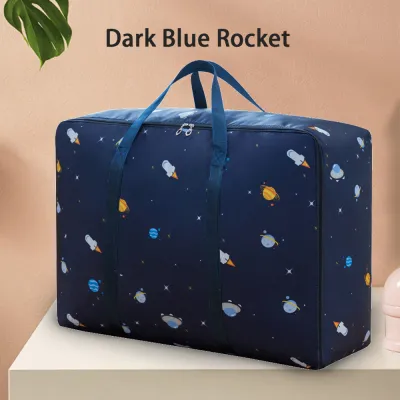
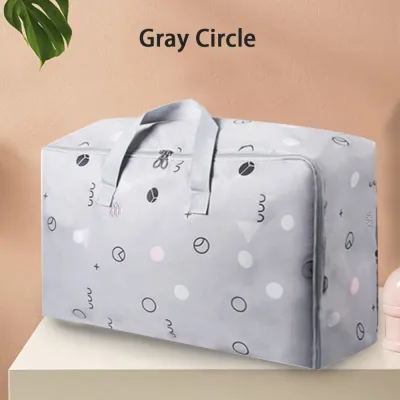
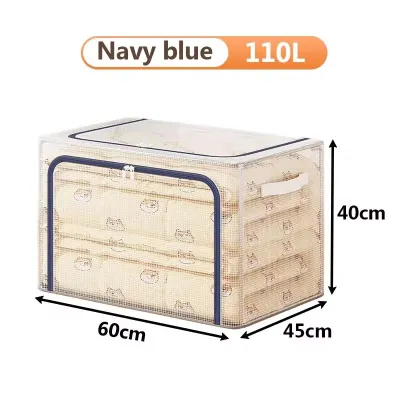
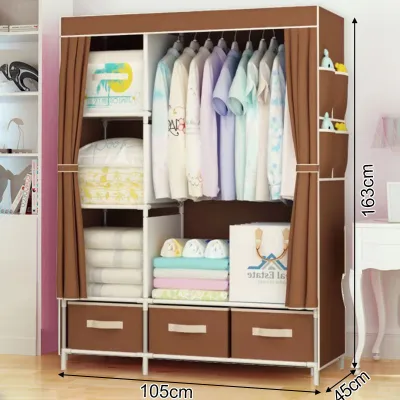
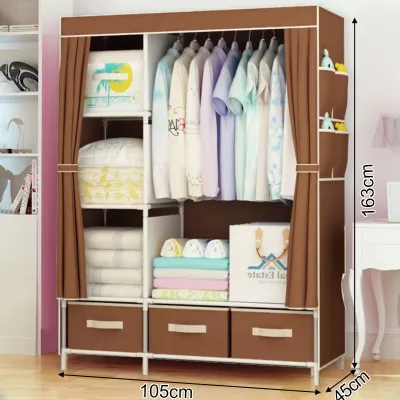
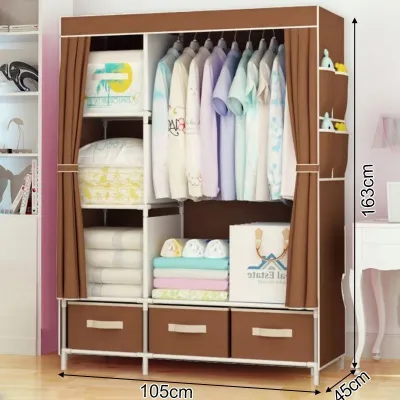
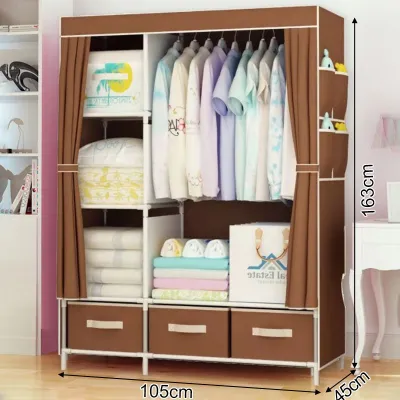
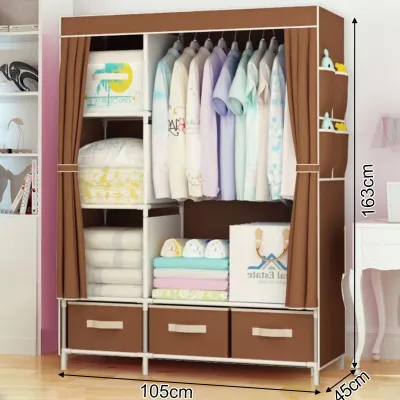
Prices are valid at publication and may change. Please refer to the product page for the latest price.
Material and Breathability
In highly humid climates, such as during the wet monsoon season in the Philippines, managing moisture is the most critical factor in clothing preservation. While fully sealed plastic containers might seem like the ultimate shield against dust, they can trap ambient moisture inside. When temperature fluctuations occur, this trapped moisture condenses, creating a humid microclimate that fosters mold, mildew, and musty odors.
To prevent this, prioritize breathable fabrics like non-woven polypropylene or natural cotton canvas. These materials allow continuous air circulation, which helps dissipate moisture while still providing an effective barrier against dust and household pests. If you do select synthetic fabrics, look for those with breathable weave patterns or integrated ventilation eyelets that encourage airflow without compromising dust protection.
Size and Wardrobe Compatibility
Before purchasing any zippered storage system, it is vital to measure your wardrobe’s internal dimensions. Take note of your closet’s depth, the height of your hanging rods, and the clearance space beneath your bed frame. A common mistake is buying storage boxes that are too deep for standard 40- to 50-centimeter shelves, causing them to overhang and interfere with wardrobe doors.
Additionally, check the weight capacity of your closet rods and shelving units. A hanging zippered organizer packed with heavy denim or sweaters can easily weigh over 10 kilograms. Ensure your closet rod is made of sturdy metal or reinforced wood and is securely anchored to the wardrobe frame or wall studs to prevent bowing or structural collapse. For under-bed storage, measure the vertical clearance from the floor to the bottom of the bed frame to ensure the bins can slide in and out smoothly without snagging.
Zipper Quality and Durability
The zipper is the primary moving part of your storage container and is often the first component to fail under tension. Look for heavy-duty, smooth-gliding nylon coil zippers or rust-resistant metal zippers. In coastal or highly humid areas, standard low-grade metal zippers are prone to oxidation and rust, which can permanently stain nearby fabrics and cause the zipper mechanism to seize.
Examine the construction of the zipper track. It should be double-stitched to the fabric body with heavy-duty thread to prevent the seams from splitting when the container is packed to capacity. Look for zippers with dual pulls, which allow you to open the container from either side, and check for fabric reinforcement patches at the zipper’s start and end points where stress is highest.
Visibility and Identification
A successful wardrobe organization system should allow you to locate specific items quickly without opening multiple containers and exposing them to dust. Storage options featuring clear PVC or TPU (thermoplastic polyurethane) viewing windows are highly practical, as they let you inspect the contents at a glance.
If you prefer a uniform, minimalist aesthetic that hides visual clutter, look for fabric boxes that feature integrated label slots on the front or side panels. This allows you to write clear descriptions of the contents (such as “Summer Wear” or “Spare Bedding”) and slip them into the slots. For hanging garment bags, a small clear window near the shoulder area is often sufficient to identify the suit or dress stored inside.
Best Zippered Storage Solutions by Wardrobe Need
Different garments and closet layouts require distinct storage strategies. Categorizing your wardrobe needs helps you deploy the right zippered solution to maximize space and protection.

Zippered Garment Bags for Hanging Clothes
Zippered garment bags are designed specifically for items that must remain on hangers to preserve their shape, structure, and fabric integrity. This includes formal attire like barong tagalogs, suits, evening gowns, delicate silk dresses, and heavy seasonal coats. By enclosing these garments individually or in small groups, you protect them from dust, ambient light that can fade colors, and the friction of adjacent hangers.
When choosing garment bags, select the appropriate length for your clothing. Standard 100-centimeter bags are ideal for shirts, jackets, and suits, while longer 130- to 150-centimeter bags are necessary to prevent the hems of long dresses and gowns from bunching at the bottom. Look for bags with a bottom or side gusset—an extra strip of fabric that expands the bag’s depth—which allows you to store bulky coats or multiple lightweight shirts without crushing them. The hanger opening at the top of the bag should be as small as possible and reinforced with heavy stitching or a metal eyelet to prevent dust from settling inside.
The primary limitation of hanging garment bags is their spatial footprint. Because they hang vertically, they occupy valuable horizontal space along your closet rod. They are not suitable for folded items, heavy knitwear that can stretch out of shape when hung, or bulky bedding.
Hanging Closet Organizers with Zippered Compartments
Hanging closet organizers are vertical fabric shelving units that attach directly to your closet rod, effectively converting hanging space into structured shelving. These systems are excellent for storing folded t-shirts, jeans, sweaters, handbags, and accessories in wardrobes that lack built-in drawers or shelves.
To ensure long-term performance, evaluate the structural rigidity of the organizer. Look for models with reinforced shelves made of thick cardboard, MDF (medium-density fibreboard), or lightweight plastic inserts that prevent the dividers from sagging under the weight of your clothes. The attachment mechanism at the top must be exceptionally strong; wide hook-and-loop (Velcro) straps that wrap around the rod or heavy-duty steel hooks are preferred. Choosing an organizer with zippered front flaps or fully zippered drawer inserts provides an extra layer of protection against dust, keeping your folded clothes clean and ready to wear.
However, hanging organizers have strict weight limits. Overloading them with heavy items, such as thick boots or multiple pairs of heavy denim, will stretch the fabric, warp the shelves, and put excessive strain on your closet rod. They are best reserved for light to medium-weight folded apparel and accessories.
Zippered Storage Boxes and Under-Bed Bins
Zippered storage boxes and under-bed bins are the ultimate solutions for long-term storage, seasonal clothing rotation, and bulky household textiles like comforters, blankets, and extra pillows. These containers are designed to reclaim underutilized space, such as the top shelves of tall wardrobes or the empty floor space beneath your bed frame.
You can choose between soft-sided and hard-sided zippered boxes. Soft-sided, collapsible fabric bins are highly flexible, making them easy to squeeze into tight spaces, and they fold completely flat when not in use. However, they rely on being fully packed to maintain their shape and cannot be stacked easily. Hard-sided zippered boxes feature internal metal wire frames or removable plastic support boards that allow you to stack multiple containers on top of each other safely without crushing the clothes inside. Always check that the carrying handles are made of reinforced, double-layered fabric webbing sewn deep into the sides of the box, ensuring they can withstand the pull force when retrieving heavy bins from under the bed.
The main limitation of these containers is accessibility. Because they are designed for bulk storage, retrieving a single item from the bottom of a stacked box requires moving other containers and unzipping the lid, making them impractical for daily-use clothing. They also require a clear, clean floor or shelf space to sit on, and under-bed options must be checked periodically for dust accumulation on their exterior surfaces.
Comparing Zippered Storage Options at a Glance
To help you quickly identify the best setup for your wardrobe, the table below compares the three primary types of zippered storage based on their ideal use cases, space efficiency, key features, and practical limitations.
| Storage Type | Best Used For | Space Utilization | Key Feature to Check | Main Limitation |
|---|---|---|---|---|
| Zippered Garment Bags | Suits, barongs, dresses, formal wear, and delicate hanging items | Occupies horizontal closet rod space | Reinforced hanger opening and bottom gussets | Consumes hanging space; unsuitable for folded clothes |
| Hanging Closet Organizers | Folded t-shirts, jeans, sweaters, handbags, and accessories | Converts vertical hanging space into shelving | Rigid shelf inserts and heavy-duty top attachments | Strict weight limits; prone to sagging if overloaded |
| Storage Boxes & Under-Bed Bins | Off-season clothes, bedding, comforters, and bulky textiles | Utilizes dead space under beds or on high shelves | Internal stackable wire frames and reinforced handles | Less convenient for daily access; requires clear floor/shelf space |
Best Practices for Storing Clothes in Zippered Containers
To maximize the lifespan of your clothing and keep your storage containers in top condition, follow these practical preparation and maintenance steps.
Preparation Before Storage
Never place worn clothing directly into zippered storage, even if the garments look and smell clean. Invisible traces of perspiration, body oils, skin cells, and perfume can degrade fabric fibers over time, cause yellow stains to set, and attract fabric-damaging pests. Always wash or dry-clean every item before packing it away.
In tropical climates, ensuring that your clothes are completely dry is of paramount importance. Even a minuscule amount of residual moisture from outdoor line-drying on a humid day can lead to rapid mold and mildew growth once sealed inside a container. If possible, run your clothes through a dryer cycle to eliminate deep-seated moisture, or air them out in a dry, air-conditioned room for several hours before packing them into your zippered storage.
Using Moisture and Pest Control
To provide an extra layer of protection against humidity, place several silica gel packets or natural dehumidifying sachets inside each zippered container. These packets absorb ambient moisture that may enter when the container is opened.
If you are concerned about fabric pests, avoid using traditional chemical mothballs. Mothballs release strong, toxic chemical vapors that can permanently bond with synthetic fibers, leave an incredibly persistent odor, and cause chemical yellowing if they come into direct contact with delicate fabrics like silk or piña fiber. Instead, use natural pest repellents such as cedar blocks, cedar rings, or dried lavender sachets. These natural alternatives repel pests effectively while leaving your clothes with a fresh, clean scent.
Packing Techniques
Avoid the temptation to overstuff your zippered storage containers. Forcing too many items into a box or bag puts immense pressure on the zipper teeth, seams, and handles, which can lead to sudden zipper failure or torn fabric. Overstuffing also compresses your clothes tightly, resulting in deep, stubborn creases that are difficult to iron or steam out later.
For casual wear, activewear, and soft cotton items, use the rolling method instead of traditional folding. Rolling your clothes tightly saves space, minimizes deep creases, and allows you to pack the container more uniformly. For structured garments, such as collared shirts, tailored trousers, or embellished dresses, fold them neatly and place them at the top of the container to prevent them from being flattened by heavier items.
Routine Maintenance
Zippered storage should not be treated as a permanent, unmonitored solution. Establish a routine to inspect your stored clothing and containers at least once every six months, ideally during seasonal transitions or after periods of prolonged heavy rainfall.
During your inspection, open the containers to let the clothes air out for a short period. Check the interior for any signs of dampness, musty odors, or pest activity, and replace any depleted silica gel packets or cedar blocks. Test the zippers to ensure they still glide smoothly. If a zipper feels stiff or catches on the fabric, run a piece of clean candle wax or the tip of a graphite pencil along the zipper teeth to lubricate the mechanism and maintain smooth operation.
Frequently Asked Questions (FAQ)
Can zippered garment bags completely prevent moth damage?
While zippered garment bags provide an excellent physical barrier against adult moths, beetles, and other household pests, they are not entirely airtight. Microscopic pest eggs or tiny larvae can occasionally slip through the small opening where the hanger hook exits at the top of the bag. To ensure comprehensive protection, always wash and thoroughly dry your garments before storing them, keep the top hanger opening as small as possible, and place natural pest repellents like cedar blocks inside the bag.
How should I clean a fabric zippered storage box or organizer?
Always consult the manufacturer’s care label on your specific storage container before cleaning. For most non-woven polypropylene or fabric-covered boxes, do not machine wash or submerge them in water, as this will destroy the internal cardboard or MDF structural supports. Instead, spot clean the exterior and interior surfaces using a clean microfiber cloth dampened with warm water and a small amount of mild detergent. Allow the container to air dry completely in a well-ventilated, shaded area before packing it with clothes again.

Community discussion
Share your experience or ask a question. Comments are reviewed before publication.