
Selecting a BeWell ergonomic chair within the ₱3,000 to ₱15,000 price range requires matching physical specifications with your daily working habits. In this price spectrum, options span from basic, entry-level models to highly adjustable mid-range seating. To make a smart purchase, you must look beyond aesthetic designs and focus on verifiable mechanical features, weight capacities, and material choices that suit your specific body type and workspace.
Because online marketplace listings and retail prices fluctuate frequently, relying solely on a specific model name can lead to disappointment if that item is out of stock. Instead, the most reliable strategy is to establish a clear checklist of physical dimensions, adjustment mechanisms, and safety certifications. By evaluating these technical details against your personal budget tier, you can secure a chair that supports your posture throughout long working hours without overspending.
Setting Realistic Expectations Across the ₱3K–₱15K Spectrum
When shopping near the entry-level ₱3,000 mark, you should expect essential, straightforward adjustments. Chairs in this lower tier typically offer standard pneumatic seat height adjustment and a basic tilt-tension mechanism that allows the backrest to rock slightly, though often without multiple locking angles. Armrests at this price point are usually fixed to the frame or seat pan, meaning you cannot adjust their height or angle to align perfectly with your desk surface. The materials used are generally standard nylon mesh for the backrest and a modest foam cushion for the seat, which provides basic comfort but may lose its resilience over several years of heavy use.
Products mentioned in this guide
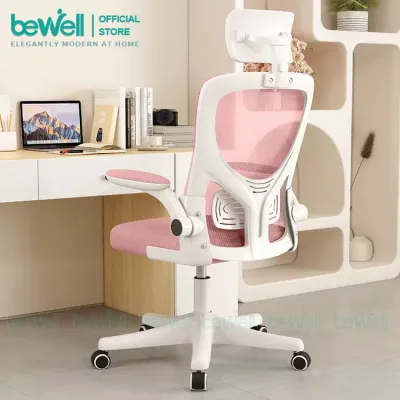
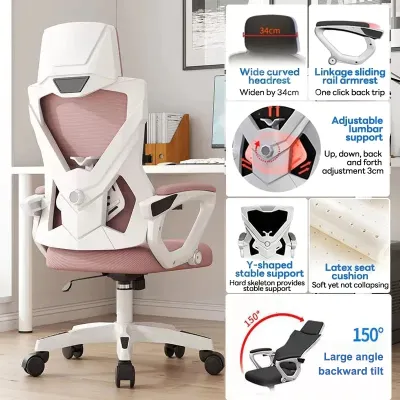
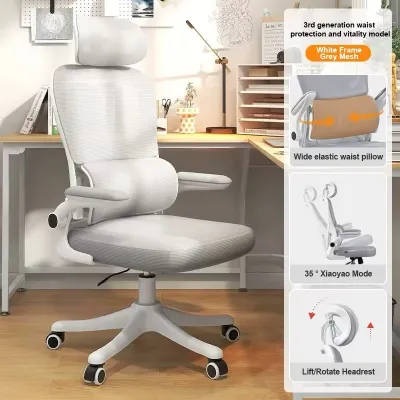
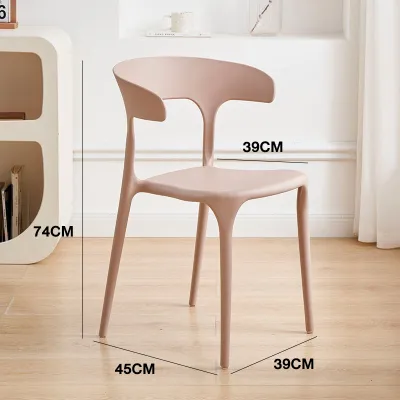
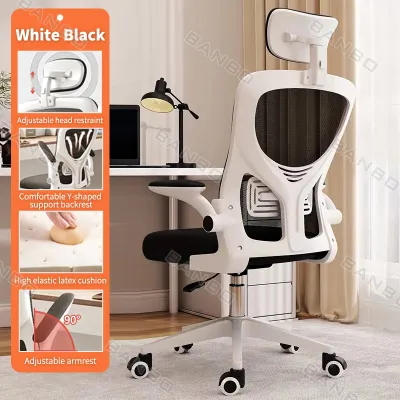
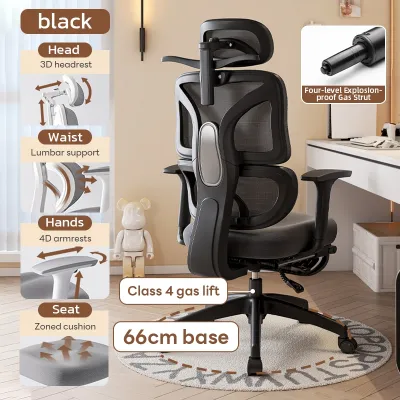
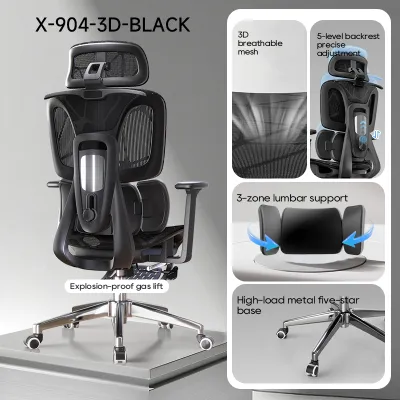
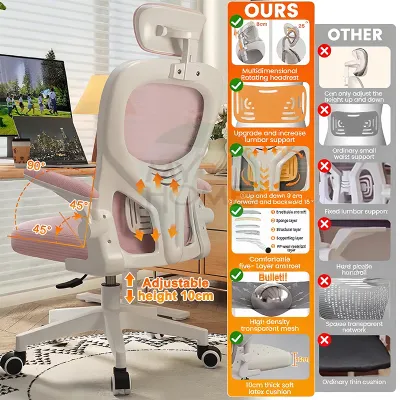
Prices are valid at publication and may change. Please refer to the product page for the latest price.
As your budget moves toward the mid-range and approaches the ₱15,000 ceiling, the level of ergonomic customization increases significantly. In this upper tier, you can expect dedicated, adjustable lumbar support systems that move both vertically and horizontally to match the natural curve of your spine. Armrests transition to multi-directional designs—often referred to as 2D or 3D armrests—allowing you to adjust their height, depth, and angle to relieve tension in your shoulders and neck. Additionally, these higher-priced models frequently feature high-density molded foam seats that distribute your weight more evenly and resist sagging over long-term use, alongside multi-angle tilt locks that let you secure the backrest at various reclining angles.
It is a common misconception that a higher price tag automatically guarantees long-term durability or an ideal fit. A ₱12,000 chair constructed with premium materials can still cause discomfort if its physical dimensions do not align with your height, or if its frame is too wide for your workspace. Therefore, you must treat the price as an indicator of adjustability options rather than an absolute guarantee of comfort. Always cross-reference the manufacturer’s detailed specification sheet to verify the exact materials used in the base, frame, and joints, ensuring they match your expectations for daily wear and tear.
Non-Negotiable Ergonomic Checks for Your Daily Posture
Before finalizing any chair purchase, you must verify several critical adjustability markers to ensure the model supports healthy sitting habits. First, examine the seat depth; when sitting fully back against the lumbar support, there should be a gap of about two to three fingers between the edge of the seat cushion and the back of your knees. If the seat is too deep, it will press against your calves and restrict circulation; if it is too shallow, your thighs will lack adequate support, leading to increased pressure on your hips.

Next, evaluate the lumbar support alignment and the armrest height relative to your desk setup. The lumbar support must sit directly in the inward curve of your lower back, slightly above your belt line. If the chair features a fixed lumbar curve, you must check the product dimensions to ensure this curve aligns with your torso height. For the armrests, they should adjust to a height that allows your elbows to rest at a 90-degree angle while your shoulders remain relaxed, preventing strain on your upper back and neck during typing or writing tasks.
Physical dimensions must also be cross-referenced with your body weight and height to prevent structural strain on the chair. Check the manufacturer’s stated maximum weight capacity, keeping in mind that operating near the absolute limit can accelerate wear on the mechanical joints and cushion. Furthermore, always look for independent safety certifications on the gas lift cylinder, such as SGS or BIFMA marks, which are typically displayed in the product images or technical specifications. These certifications verify that the pneumatic cylinder has undergone rigorous pressure and durability testing, ensuring it can safely support your weight over years of daily adjustments.
Calculating the True Cost: Shipping, Assembly, and Accessories
When managing a strict budget between ₱3,000 and ₱15,000, the listed price of the chair is rarely the final amount you will pay. Shipping fees can vary significantly depending on your location in the Philippines, especially if you reside outside Metro Manila or in provincial areas. Because ergonomic chairs are bulky and heavy, delivery charges can add several hundred or even thousands of pesos to your total bill. Always input your delivery address on the ecommerce platform or consult the seller directly to calculate the exact shipping cost before committing to a purchase.
Assembly is another factor that can influence your overall expenses and preparation. Most ergonomic chairs are shipped semi-knocked-down in a large box, requiring you to assemble the base, gas lift, seat pan, backrest, and armrests yourself. While manufacturers typically include basic hex keys and screws, having your own set of sturdy household tools can make the process much smoother and prevent stripped screws. If you are uncomfortable with DIY assembly, you may need to pay for a professional assembly service offered by the seller or a local technician, which must be factored into your total budget.
Finaly, pay close attention to which features are included in the base model and which are sold as optional add-ons. Some product listings display a chair with an adjustable headrest, a pull-out footrest, or specialized soft-caster wheels for wooden floors, only for you to discover that these accessories must be purchased separately. Adding these items can easily push an initially affordable ₱10,000 chair past your ₱15,000 limit. Carefully read the product description to confirm exactly what parts are included in the box at your chosen price point.
Navigating Warranties, Returns, and Quality Traps
Protecting your investment requires a clear understanding of the seller’s warranty terms and return policies. A common pitfall is assuming that a “one-year warranty” covers the entire chair. In many cases, manufacturers offer a comprehensive warranty on structural components like the nylon frame or steel base, but provide a much shorter, limited warranty on moving parts such as the gas lift cylinder, casters, or adjustment levers. Always ask the seller for a detailed breakdown of what parts are covered and the specific process for claiming replacement parts if a component fails prematurely.
Return policies are equally critical to review, particularly because comfort is highly subjective and you cannot fully test a chair until you sit in it at your own desk. Many online retailers enforce strict return conditions, often refusing returns once the chair has been fully assembled or if the original packaging has been discarded. Additionally, some sellers may charge restocking fees or require you to cover the return shipping costs for bulky items, which can be prohibitively expensive. Clarify these terms beforehand so you know your options if the chair proves uncomfortable after a few days of use.
You must also learn to spot common quality traps, such as chairs labeled as “ergonomic” simply because they feature a curved backrest. True ergonomic support requires mechanical adjustability to adapt to different body shapes. A fixed plastic frame with a curved mesh backrest but no adjustable lumbar pad or seat depth mechanism is not a true ergonomic chair and may cause discomfort over long hours. Avoid models that rely on flashy designs or excessive padding to mask a complete lack of functional adjustment mechanisms.
Your Final Decision Checklist Before Checkout
To ensure your selected BeWell ergonomic chair is a practical and safe addition to your workspace, run through this final verification loop before completing your purchase. First, confirm that the total cost—including the base chair, any desired accessories, assembly fees, and shipping charges to your specific location—remains strictly within your ₱3,000 to ₱15,000 budget. Next, double-check the physical dimensions of the chair against your desk height and the available floor space in your room, ensuring there is ample clearance for the base and armrests.
You should stop and reconsider the purchase if the seller cannot provide clear answers to essential questions. If there are no visible gas lift safety certifications (such as BIFMA or SGS), no detailed warranty terms, or if the product listing lacks an accurate dimension diagram, it is safer to look for an alternative model. Purchasing a chair without these basic assurances increases the risk of structural failure or physical discomfort that cannot be easily resolved.
If your ideal chair configuration exceeds the ₱15,000 cap once shipping and accessories are added, consider a practical fallback plan. You can wait for verified seasonal sales or promotional campaigns on major ecommerce platforms, which often offer significant discounts or free shipping vouchers. Alternatively, you can adjust your expectations by opting for a model with slightly fewer adjustment features, such as 2D armrests instead of 3D, to keep the final checkout price within your comfortable spending limit.
Frequently Asked Questions (FAQ)
How do I know if a BeWell chair will fit under my desk?
To determine if the chair will fit, measure the exact distance from the floor to the underside of your desk frame, making sure to account for any low-hanging drawers or keyboard trays. Next, check the chair’s specification sheet for its minimum seat height and the maximum height of the armrests at their lowest setting. If the armrest height is lower than your desk’s clearance, you can easily slide the chair completely under the desk when it is not in use, saving valuable floor space in your room.
Is a mesh back better than a cushioned back for long working hours?
In the warm and humid tropical climate of the Philippines, a mesh backrest is highly beneficial because it allows continuous airflow, keeping your back cool and reducing sweat buildup during long working hours. However, a cushioned backrest can offer a more plush, structured feel if you work in a consistently air-conditioned room. If you choose a mesh model, verify the mesh tension and frame quality in the product description to ensure the material will not sag or lose its supportive shape over time.
What should I do if the gas lift starts sinking after a few months?
If your chair’s gas lift cylinder begins to sink automatically, you should strictly avoid attempting any DIY repairs or using unverified third-party replacement parts, as pressurized cylinders pose severe safety risks if handled incorrectly. Instead, locate your proof of purchase and contact the seller or manufacturer immediately to invoke your warranty. They can provide an official, certified replacement cylinder and guide you through the safe, manufacturer-approved steps for removing the old lift and installing the new one.

Community discussion
Share your experience or ask a question. Comments are reviewed before publication.