
Creating a calming, anxiety-reducing study space begins with selecting a bookshelf that prioritizes visual quiet through minimalist profiles, concealed storage, and natural materials. When you step into a home office, every object in your line of sight competes for your brain’s attention. This constant stream of visual information, known as visual noise, directly increases your cognitive load. Over time, a cluttered environment can lead to heightened stress levels, persistent cognitive fatigue, and a noticeable drop in your ability to focus on complex tasks.
In a dedicated workspace, managing this visual noise is not merely an aesthetic choice; it is a functional necessity for deep work. When your surroundings are filled with mismatched book spines, loose papers, and exposed office supplies, your brain must actively work to filter out these distractions. By choosing a bookshelf designed to minimize this sensory overload, you establish a supportive physical foundation that allows your mind to rest, focus, and transition into a state of productive calm.
Key Design Features of an Anxiety Bookshelf
An anxiety-reducing bookshelf relies on three core design pillars: simplicity of form, strategic concealment, and organic textures. Together, these elements work to lower your cognitive load by replacing chaotic visual patterns with predictable, soothing structures.
Products mentioned in this guide
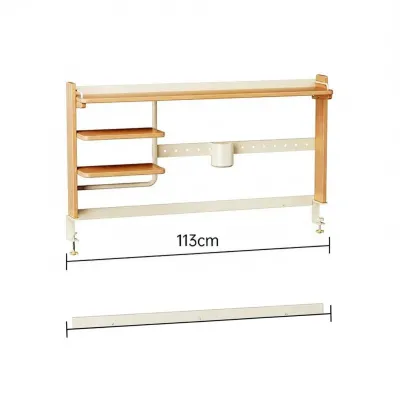
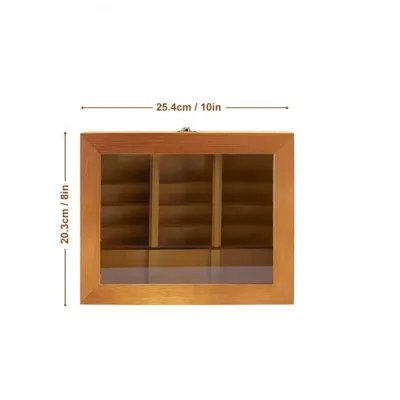
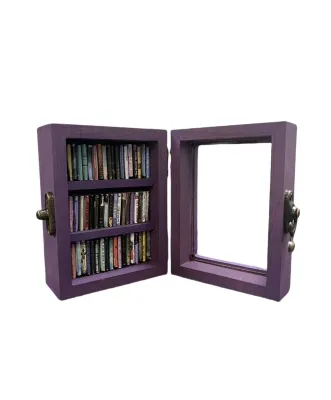

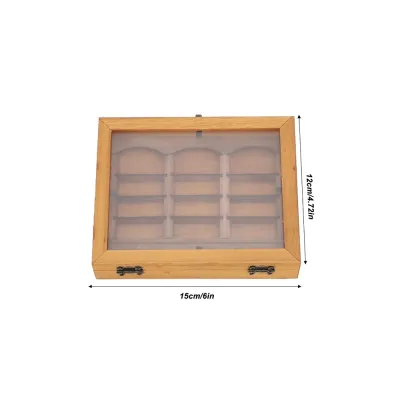
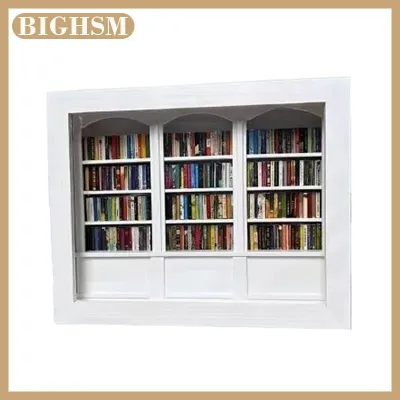
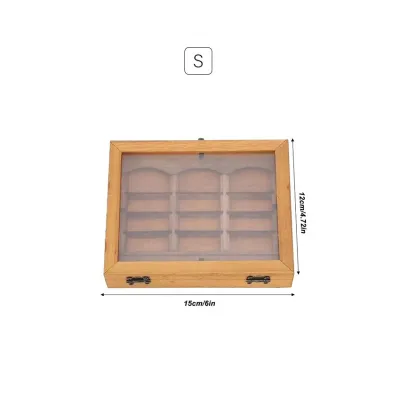
Prices are valid at publication and may change. Please refer to the product page for the latest price.
Minimalist Silhouettes and Clean Lines
To cultivate a sense of tranquility, look for bookshelves that feature simple, unobtrusive physical profiles. Frameless designs, hidden push-to-open hardware, and uniform shelf thicknesses help maintain visual continuity across the unit. When a bookshelf lacks distracting joints or bulky frames, it blends seamlessly into the background rather than demanding your constant visual attention.
Conversely, it is helpful to avoid ornate carvings, highly decorative brackets, or asymmetrical geometric compartments. While these features can be artistic, they often draw the eye unnecessarily and create subtle visual tension in a space meant for quiet concentration. Additionally, verify that the overall footprint and vertical lines of the unit align naturally with your room’s proportions. A bookshelf that is too tall or bulky for a small study can make the entire room feel cramped and physically overwhelming.
Closed Storage vs. Open Shelving
Balancing the need for accessible study materials with the necessity of hiding visual clutter is a critical step in reducing workspace anxiety. Prioritize bookcases that incorporate solid doors, frosted glass panels, or integrated lower drawers. These closed compartments serve as a dedicated home for miscellaneous, visually noisy items like binders, cables, and loose paperwork.
Open shelving should be used sparingly and with deliberate intention. Instead of packing every shelf to capacity, reserve open areas for a few curated books, a small potted plant, or calming decorative items that offer your eyes a place to rest. When selecting a new unit, evaluate the ratio of closed to open storage based on your typical inventory of study materials. If you have many mismatched textbooks or reference manuals, a design with at least sixty percent closed storage will help maintain a tidy, stress-free environment.
Natural Materials and Soothing Finishes
The materials and colors of your furniture play a significant role in grounding your study space. Favor light to medium wood tones, matte finishes, and visible natural grains over high-gloss surfaces or highly saturated, bright colors. Natural wood textures introduce an organic warmth that helps lower stress levels and fosters a connection to nature.
It is also important to verify that the surface treatments offer low glare. High-gloss laminates or polished finishes can reflect harsh light from desk lamps or overhead fixtures, leading to eye strain and physical discomfort during long reading sessions. In humid tropical environments, such as in the Philippines, always rely on the manufacturer’s care instructions and specifications to verify how the finish handles moisture. Rather than assuming a material is inherently scratch-resistant or mold-resistant, check the recommended cleaning routines and placement guidelines to keep the unit in optimal condition.
How to Evaluate Bookshelves for Your Space
Before purchasing a bookshelf, a practical evaluation of your physical space is essential to ensure safety, comfort, and a proper fit. Begin by measuring your available floor space, ceiling height, and the necessary clearance for doors, windows, and walkways. A bookshelf should never obstruct natural light sources or impede the flow of movement through your study, as tight pathways can subconsciously increase feelings of restriction and anxiety.

Next, carefully review the manufacturer’s stated weight capacity and structural stability guidelines. This is particularly crucial for tall or heavy units, which require secure wall anchoring to prevent accidental tipping. In regions prone to seismic activity or in homes with active households, anchoring your furniture to the wall studs is a vital safety measure. Ensure you check the type of wall material you have—whether concrete, drywall, or brick—to select the appropriate anchors and screws.
Additionally, evaluate the assembly requirements of the unit before it arrives. Determine if you have the necessary tools, such as a level, drill, and stud finder, or if you will need to arrange for professional installation services. If the intended load of your book collection exceeds the manufacturer’s stated limits, or if your wall conditions make secure anchoring unclear, stop and consult a qualified professional or the manufacturer. Making unapproved structural modifications or overloading a shelf can compromise its integrity and create a hazardous environment.
Styling and Organizing for a Soothing Setup
Once your bookshelf is securely installed, your styling choices will determine how well it maintains its calming effect over time. A highly effective strategy is to implement the negative space rule. This involves leaving a deliberate portion of your open shelves completely empty. This intentional blank space acts as a visual “breathing room,” preventing the bookshelf from looking dense or cluttered.
For the items you must keep on display, utilize uniform, opaque storage boxes or woven baskets. Grouping small, visually noisy items like stationery, chargers, and loose notes into matching containers instantly unifies the shelf’s appearance. This method hides the chaotic shapes and colors of office supplies while keeping them easily accessible.
When arranging your books, try grouping them by color, height, or size to create a cohesive visual flow. If you have books with bright, contrasting spines that disrupt the peaceful atmosphere, consider placing them behind the closed cabinet doors or turning them so the neutral-toned pages face outward. By organizing your materials with visual harmony in mind, you transform your bookshelf from a source of distraction into a structured, soothing backdrop for your daily work.
Frequently Asked Questions (FAQ)
Can I convert my existing open bookshelf into an anxiety-reducing setup?
Yes, you can modify your current furniture to reduce visual clutter without purchasing a new unit. Consider adding aftermarket cabinet doors, installing simple tension-rod fabric curtains over busy shelves, or using a series of uniform storage bins to conceal clutter. Before adding heavy doors or extra hardware, always check your existing frame’s weight capacity and structural integrity to ensure it can support the modification. Additionally, decluttering your books and applying the negative space rule is a completely free first step that immediately reduces visual noise.
What lighting works best with a natural wood bookshelf in a study space?
To complement a natural wood bookshelf, use warm to neutral white light temperatures, typically between 2700K and 4000K. This range enhances the organic tones of the wood and creates a cozy, focused atmosphere. Opt for indirect lighting, such as LED strip lights placed behind the shelves, wall washers, or adjustable desk lamps that bounce light off surfaces rather than shining directly onto them. This setup prevents harsh glare on matte finishes. Always check the heat output of your light sources to ensure they do not damage the wood finish or warp the materials over time.

Community discussion
Share your experience or ask a question. Comments are reviewed before publication.