
When shopping for a boss chair under ₱5,000, you can realistically expect a high-back profile, basic pneumatic height adjustment, a simple tilt-lock mechanism, and generous padding. However, you must temper your expectations regarding advanced ergonomic customization. At this entry-level price point, manufacturers prioritize a commanding, formal aesthetic over complex biomechanical engineering. While you will secure a comfortable seat for casual use, true ergonomic support that adapts to your specific body proportions requires careful evaluation of the limited features available.
Defining the "Boss Chair" at the Entry-Level Price Point
In the furniture market, a “boss chair” or executive chair is traditionally characterized by its imposing visual presence. These chairs feature a high backrest, thick cushioning, integrated headrests, and padded armrests, often upholstered in synthetic leather to project an image of authority and comfort. At the sub-₱5,000 price tier, this classic design is replicated using budget-friendly materials. The primary appeal lies in the plush, enveloping feel during initial seating, which contrasts sharply with the minimalist, utilitarian look of standard office task chairs.
However, there is a distinct trade-off between executive styling and specialized ergonomic engineering. True ergonomic chairs are designed to support the natural S-curve of the spine through highly adjustable components, prioritizing dynamic movement over static cushioning. In contrast, an entry-level boss chair relies on thick layers of foam to provide comfort. At this budget, your money is primarily paying for the physical volume of the chair—the large frame, the extensive upholstery, and the heavy padding—rather than the intricate mechanical joints and high-grade polymers that facilitate active ergonomic support.
Products mentioned in this guide
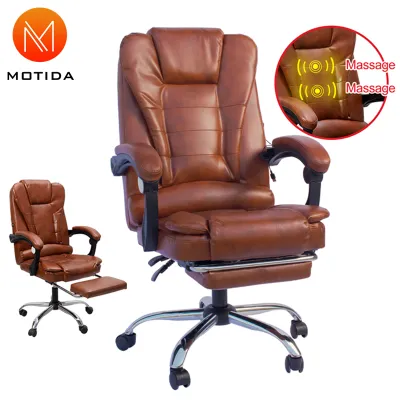
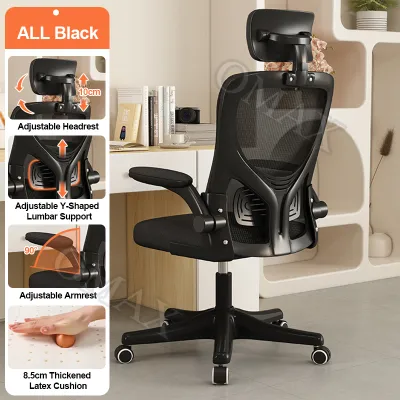
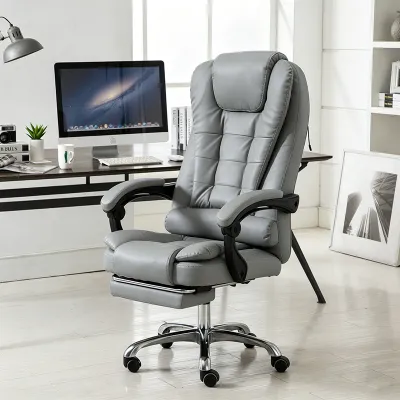
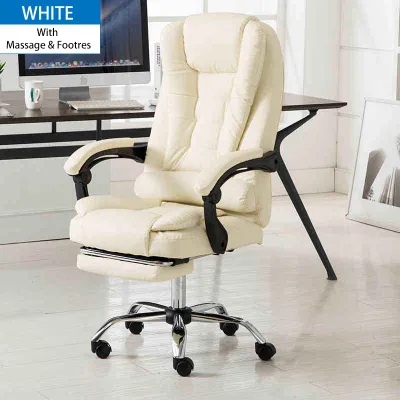
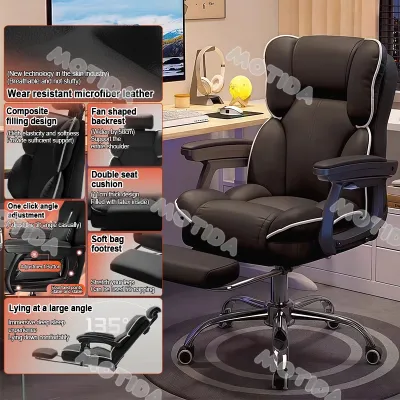
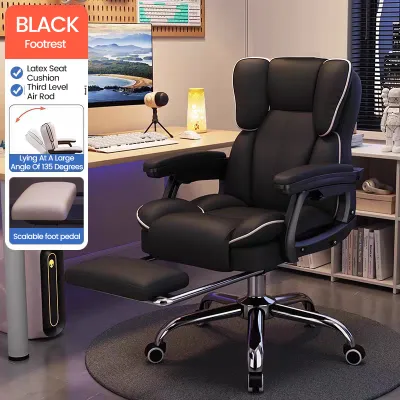
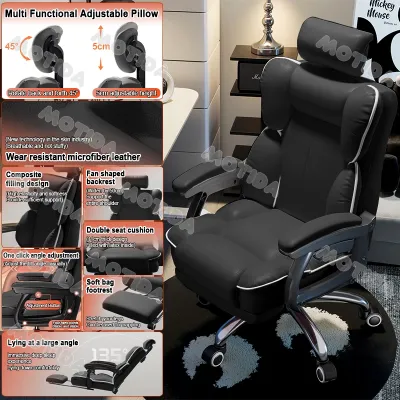
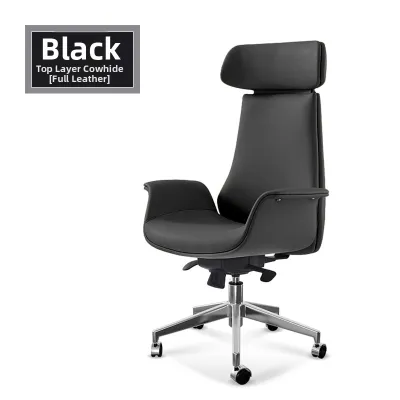
Prices are valid at publication and may change. Please refer to the product page for the latest price.
Baseline Ergonomic Features You Can Expect
While advanced customization is absent in this price range, you do not have to settle for a completely rigid seat. Budget executive chairs still offer several fundamental adjustments that elevate them above standard household seating, allowing you to establish a functional workspace.

Adjustability and Support Mechanisms
The most critical mechanical feature you will find is the pneumatic gas lift, which allows for smooth vertical seat height adjustment. This mechanism is essential for aligning your feet flat on the floor while keeping your thighs parallel to the ground. When browsing options on online marketplaces, look for chairs specifying a Class 3 or Class 4 gas lift cylinder, as these ratings indicate better durability and smoother operation under daily use.
Additionally, these chairs typically feature a basic tilt-tension mechanism. A large knob located underneath the seat pan allows you to adjust the resistance of the backrest when you lean back. However, the recline lock at this price point is almost always a single-position lock, meaning you can only lock the chair in its fully upright working position. When you unlock the mechanism, the chair tilts freely, but you cannot secure it at specific intermediate angles. The armrests in this tier are generally fixed to both the seat and the backrest, providing structural stability but offering no height, width, or angle adjustments.
Build Quality and Material Realities
Upholstery is a major consideration, especially in the tropical climate of the Philippines. Most budget boss chairs are wrapped in polyurethane (PU) leather or bonded leather. While these materials are easy to wipe clean, they trap body heat and sweat, which can lead to discomfort in non-air-conditioned rooms. Over time, high humidity can cause cheap synthetic leather to crack and peel. If your workspace lacks consistent air conditioning, look for hybrid models that incorporate mesh backrests with padded seats to improve ventilation.
When evaluating build quality, inspect the product specifications for foam density. Budget chairs often use low-density cut foam that compresses permanently after a few months of heavy use, leaving you sitting on the hard wooden or plastic seat pan. Look for mentions of high-density or molded foam, which retains its shape much longer. Furthermore, examine the base material: a heavy-duty nylon base with reinforcing ribs is often more durable and less prone to squeaking than a cheap, thin-walled chrome steel base, which can also rust in humid coastal environments. Always verify the manufacturer’s stated weight capacity—typically around 90 kg to 120 kg in this tier—and check the warranty terms for the gas lift and caster wheels.
Features You Will Likely Need to Compromise On
To keep manufacturing costs under ₱5,000, several advanced ergonomic features are omitted. The most significant omission is adjustable lumbar support. Instead of a mechanism that lets you alter the height and depth of the lower back support, budget boss chairs rely on a fixed, built-in curve or a simple removable cushion. If this built-in curve does not align perfectly with your spine, it can cause discomfort during long sitting sessions.
You will also miss out on seat depth adjustment, often called a seat slide. This feature allows you to slide the seat pan forward or backward to accommodate different thigh lengths, ensuring proper circulation behind your knees. Without it, shorter users may find the seat edge digging into the back of their knees, while taller users might not get sufficient thigh support. Furthermore, budget chairs lack synchronous tilt mechanisms, where the backrest and seat tilt at different ratios to keep your feet flat on the floor as you recline. Instead, the entire seat assembly tilts as a single unit, lifting your knees and potentially straining your thighs. Finally, the headrests are usually integrated and non-adjustable, and the included hard nylon casters can easily scratch delicate vinyl or wooden flooring.
How to Evaluate and Choose Within Your Budget
Selecting the right chair requires careful spatial planning and practical checks before making a purchase. First, measure your desk clearance. Boss chairs are notoriously wide and deep, with thick armrests that may not slide under a standard 75-centimeter-high desk. If the armrests cannot clear the desk, you will be forced to sit too far back, straining your arms to reach your keyboard. Measure the outer width of the chair and compare it to the clear span between your desk legs.
Next, consider the logistics of delivery and assembly. Because executive chairs are bulky, verify the dimensions of your doorways, narrow hallways, and condominium elevators to ensure the large shipping box can reach your room. Most chairs purchased from online marketplaces arrive flat-packed and require self-assembly. Review the product listing to confirm that all necessary hex keys and bolts are included, and check customer reviews to gauge the clarity of the assembly instructions. Aligning a heavy backrest with the seat pan can be physically challenging, so plan to have a second person assist you during setup.
Finally, account for hidden costs and platform policies. Bulky furniture items often incur high shipping fees, especially if you live outside major metropolitan areas. Factor this into your ₱5,000 budget. Additionally, read the ecommerce platform’s return policy carefully; returning a defective or poorly fitting 15-kilogram chair can be incredibly difficult and costly if you have to shoulder the return shipping. To protect your floors from standard nylon casters, consider budgeting an extra few hundred pesos for a polyurethane floor mat or replacement soft rubber caster wheels.
When to Stretch the Budget or Consider Alternatives
An entry-level boss chair is not a universal solution for every home office. If you suffer from pre-existing lower back pain, sciatica, or neck strain, the fixed support of a budget executive chair may exacerbate your symptoms. Similarly, if your daily routine demands more than eight hours of continuous sitting, the rapid compression of cheap foam will quickly compromise your comfort. In these scenarios, prioritizing aesthetics over physical health can lead to long-term discomfort.
If your budget is strictly capped at ₱5,000 but you require superior physical support, consider pivoting to a dedicated ergonomic mesh task chair. While these chairs lack the imposing, plush look of a boss chair, they offer far better breathability in tropical heat and often feature adjustable lumbar pads and tension controls that promote healthier posture. Alternatively, if you are set on the executive aesthetic, it may be wise to delay your purchase and save for a mid-tier chair. Investing a bit more allows you to secure features like multi-position tilt locks, adjustable armrests, and high-density molded foam that will significantly extend the lifespan of your investment.
Frequently Asked Questions (FAQ)
Is a boss chair under ₱5,000 suitable for 8-hour workdays?
While you can use an entry-level boss chair for a full workday, it is generally not recommended for continuous, intensive use. The plush padding in this price range is typically made of standard cut foam, which tends to compress and lose its supportive qualities after a few hours of sitting. Without advanced adjustability to customize the lumbar support and seat depth, you may experience muscle fatigue and poor posture over an eight-hour shift. If you must use this chair for long hours, make it a habit to stand up, stretch, and take short breaks every hour to relieve spinal pressure.
Do entry-level boss chairs require assembly?
Yes, almost all boss chairs purchased online under ₱5,000 require partial assembly. The chair will arrive flat-packed in a large box containing the seat pan, backrest, armrests, gas lift cylinder, five-star base, casters, and the tilt mechanism. Most manufacturers include a basic hex key and the necessary bolts for assembly. While the process is straightforward and typically takes 30 to 45 minutes, aligning the heavy backrest with the seat brackets can be awkward. Having a second person hold the components in place while you tighten the bolts will make the assembly process much safer and easier.

Community discussion
Share your experience or ask a question. Comments are reviewed before publication.