
Finding the right storage solution for your footwear collection in the Philippines requires balancing budget, space, and protection against tropical humidity. While cardboard boxes degrade quickly and trap moisture, stackable plastic containers offer a durable, clear, and pest-resistant alternative. If you want to organize your shoes, rock layer plastic sale promotions on online marketplaces are excellent opportunities to purchase stackable containers in bulk without overspending. However, navigating these discounts requires a clear understanding of what makes a plastic box sturdy enough to stack safely inside your closet.
A successful closet organization project relies on choosing boxes that protect your investment while maximizing vertical space. In a tropical climate, dust and mold are constant challenges for leather, canvas, and synthetic footwear. By selecting the right plastic storage units, you can create a clean, visible, and highly accessible system that keeps your favorite pairs in pristine condition. This guide will help you evaluate sale offers, verify essential product features, measure your closet accurately, and avoid the common pitfalls of buying cheap storage solutions online.
Setting Your Closet Organization Budget and Requirements
Before browsing online marketplaces for discounts, establish a realistic budget for your entire closet transformation. It is easy to get tempted by flash sales, but buying without a plan often leads to mismatched boxes or incomplete setups. Start by calculating a target spend for the project, keeping in mind that high-quality plastic boxes generally cost more upfront but last significantly longer than flimsy alternatives. Be sure to set aside a portion of your budget for potential shipping fees, as bulky plastic items can incur high delivery charges depending on your location in the Philippines.
Products mentioned in this guide
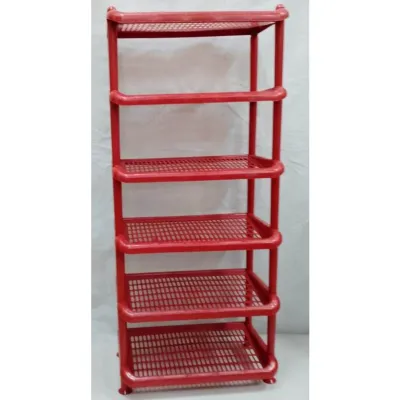
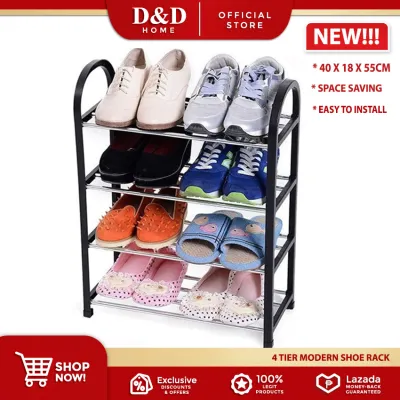
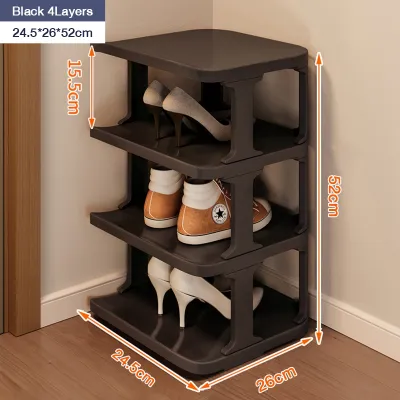
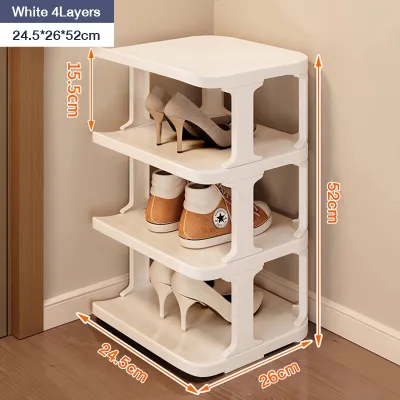
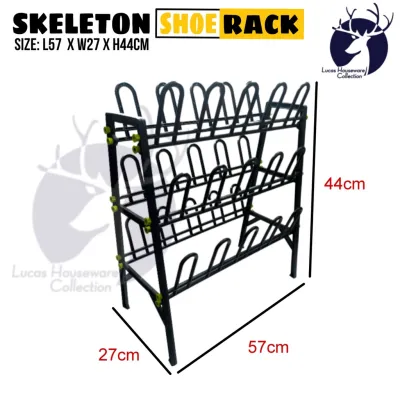
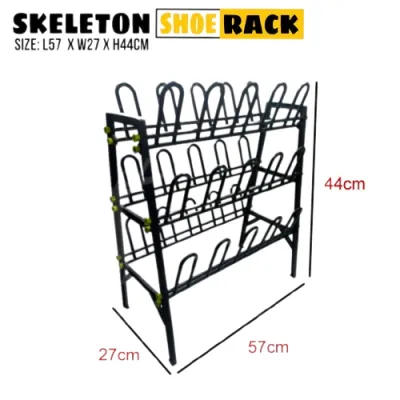
Prices are valid at publication and may change. Please refer to the product page for the latest price.
Next, conduct a thorough inventory of your footwear collection to determine the exact number of boxes you need. Sort your shoes by type, separating daily-use slippers and sandals from formal shoes, heels, sneakers, and boots. This inventory helps you decide whether to buy standard-sized boxes or a mix of sizes to accommodate taller footwear. It also prevents you from overbuying or running out of matching containers halfway through your organization project.
Once you have a clear count, decide whether to purchase individual boxes or bulk sets. Bulk packages on sale almost always offer a lower price per unit, making them ideal for establishing a uniform look in your closet. However, if you have a diverse shoe collection with varying heights, buying a combination of individual medium and extra-large boxes might be more practical. Balancing bulk savings with your specific storage needs ensures you do not waste money on boxes that are too small for your high-tops or heels.
Essential Features to Verify in Plastic Shoe Boxes
When evaluating plastic shoe boxes on sale, physical specifications must take priority over attractive product photos. Start by verifying the exact interior and exterior dimensions listed by the seller. Many budget-friendly boxes are designed solely for smaller shoe sizes, meaning larger sneakers, high heels, or ankle boots will not fit comfortably. Ensure the interior length, width, and height can accommodate your largest pair of shoes without bending the heels or compressing the toe boxes.

The stacking mechanism is another critical feature to inspect before making a purchase. To stack your shoes, rock layer plastic sale options should feature interlocking grooves, tabs, or nesting lids that lock the boxes together. A secure connection prevents the stack from sliding or tipping over when you open a door or reach for a pair near the bottom. Look for designs that distribute weight evenly across the frame, ensuring the bottom boxes do not buckle under the load of the upper layers.
Do not overlook the quality and thickness of the plastic material. Sturdy shoe boxes typically use high-density polypropylene (PP) for the main body and clear polystyrene (PS) or acrylic for the front door panel. Avoid ultra-thin, floppy plastics that require tedious folding during assembly, as these lack the structural integrity needed for high stacking. Clear front panels are essential for quick visibility, allowing you to identify your shoes instantly without opening multiple boxes.
Finally, ensure the boxes feature adequate ventilation. In the humid Philippine climate, sealing shoes in airtight plastic containers can trap moisture, leading to mold growth, crumbling soles, and unpleasant odors. Look for boxes with built-in ventilation holes or slotted back panels that promote continuous airflow while still keeping dust and pests out.
Evaluating Sale Prices and Avoiding Hidden Costs
Online sales can be highly misleading, with deep discounts often masking low-quality products or inflated shipping rates. To find genuine value, always calculate the unit price by dividing the total bundle cost by the number of boxes included. A pack of six boxes on sale might seem like a bargain, but comparing its unit price to individual listings or larger bulk sets will reveal whether you are truly saving money.
Shipping costs are a major factor when purchasing plastic storage items in the Philippines. Because plastic shoe boxes are bulky—even when shipped flat-packed—they occupy significant volume in delivery trucks. Some sellers offer low product prices only to charge exorbitant shipping fees that wipe out any promotional discounts. Always add the items to your cart and check the final shipping calculation to your specific address before finalizing your purchase.
Be cautious of extremely cheap plastic boxes that seem too good to be true. Low-cost manufacturers often use recycled plastics that are brittle, emit strong chemical odors, and crack easily under minimal pressure. These budget boxes frequently break during assembly or split at the hinges after only a few weeks of use. Investing slightly more in virgin, high-grade plastic will save you money in the long run by eliminating the need for frequent replacements.
Additionally, read customer reviews specifically looking for feedback on transit damage. Since plastic panels are prone to cracking during shipping, choose sellers who use protective bubble wrap or cardboard outer packaging. Checking the seller’s return and refund policy for damaged items provides an extra layer of financial protection.
Measuring Your Closet for a Perfect Fit
A successful organization system relies entirely on precise measurements of your closet interior. Before ordering any boxes, use a tape measure to record the exact depth, width, and height of your closet shelves or floor space. Keep in mind that closet doors, sliding tracks, and hinges can reduce the usable opening width, potentially blocking you from sliding boxes in or out easily.
Once you have your closet dimensions, plan your stacking configuration based on the physical limits of your shelves. Heavy wooden shelves can support taller stacks, whereas wire or thin laminate shelves may bow under the weight of multiple shoe boxes. Calculate how many boxes can fit side-by-side and how high you can safely stack them without reaching the hanging clothes above. Leaving a few centimeters of clearance at the top and sides of your stack ensures proper air circulation within the closet.
Consider the clearance required to access your shoes daily. If you choose drop-front boxes, ensure there is enough space in front of the stack for the door to swing open fully and for you to pull your shoes out comfortably. For top-opening boxes, you must leave enough vertical space above each box to lift the lid, or accept that you will need to unstack the boxes every time you retrieve a pair. Matching your stacking plan to your daily habits prevents frustration and keeps your closet organized over time.
Frequently Asked Questions (FAQ)
Can I stack plastic shoe boxes directly on the closet floor?
Yes, you can stack plastic shoe boxes on the closet floor, but you must take specific precautions to protect your footwear. In many Philippine homes, ground-level floors can absorb moisture from the concrete foundation, especially during the rainy season, which increases the risk of mold inside the bottom boxes. Additionally, dust and crawling pests are more common at floor level. To mitigate these risks, place a moisture-resistant barrier or a low wooden pallet underneath the bottom layer of boxes, and ensure the heaviest shoes are placed at the base of the stack to maintain stability.
How do I clean and maintain clear plastic shoe boxes?
To maintain the clarity and durability of your plastic shoe boxes, clean them regularly using mild dish soap, warm water, and a soft microfiber cloth. Avoid using abrasive scrubbing pads, paper towels, or harsh chemical cleaners containing bleach, ammonia, or alcohol, as these can scratch the surface and cause the clear plastic doors to become cloudy or brittle. Wipe down the interior of the boxes during your seasonal shoe rotation, and ensure they are completely dry before placing your shoes back inside to prevent trapping moisture.
Are drop-front or top-opening lids better for closet shelves?
Drop-front lids are generally much better for closet shelves because they allow you to access your shoes without disturbing the stack. You can simply open the front door and slide your shoes out, which is ideal for daily-use footwear stored on mid-to-low shelves. Top-opening lids are more suitable for single-layer storage on top shelves, deep drawers, or for storing seasonal shoes that you do not need to access frequently, as retrieving shoes from a stacked top-opening box requires unstacking all the units above it.

Community discussion
Share your experience or ask a question. Comments are reviewed before publication.