
The Short Answer: Which Price Tier Fits Your Needs?
Selecting a reliable study chair for adult home offices or study spaces in the Philippines often comes down to choosing between two distinct price tiers: the budget tier (₱3,000 to ₱5,000) and the mid-range tier (₱8,000 to ₱15,000). While both options provide basic seating, they serve fundamentally different patterns of use and physical requirements.
For users who spend fewer than three to four hours a day at their desk, a budget study chair for adult users offers a practical, cost-effective solution. These chairs provide standard height adjustments and basic lumbar support sufficient for short, intermittent tasks. However, if your routine demands six or more hours of continuous sitting, investing in a mid-range chair is highly recommended. The mid-range tier introduces advanced mechanical adjustability, superior material resilience, and targeted ergonomic support designed to prevent physical strain over long periods.
Ultimately, the right choice depends on your daily sitting habits, body proportions, and the local climate. Budget models prioritize immediate affordability, whereas mid-range models focus on long-term durability and highly customizable physical support.
Products mentioned in this guide
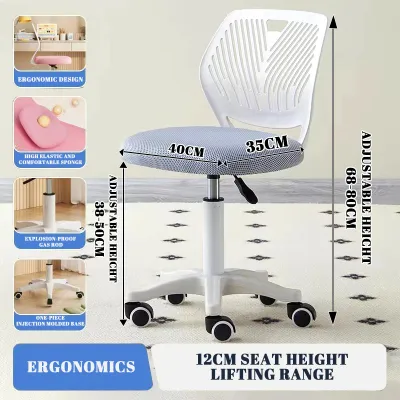
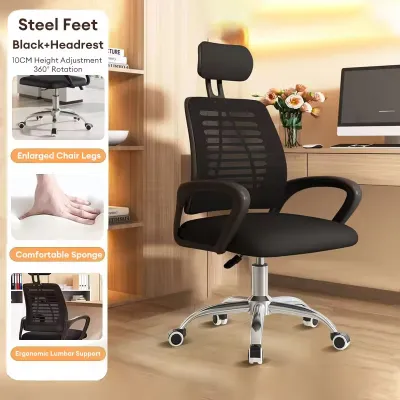
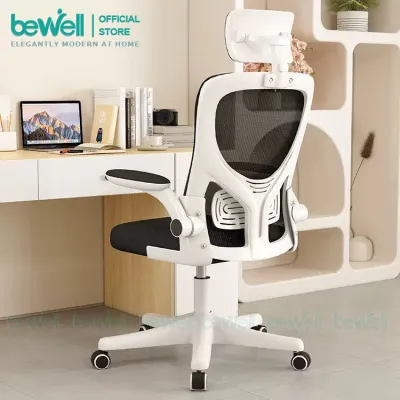
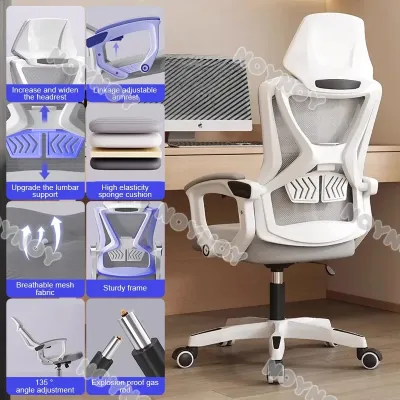
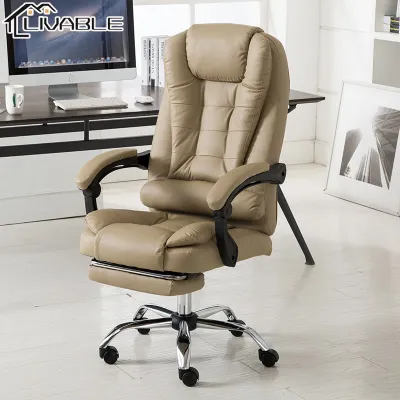
![Ergonomic Office Chair Reclining Computer Chair Home Office Swivel Chair Gaming Chair Pink [COD]](https://img.lazcdn.com/g/p/e7c620ea9cbf7a9e26d107ec76845250.png_400x400q80.png_.webp)
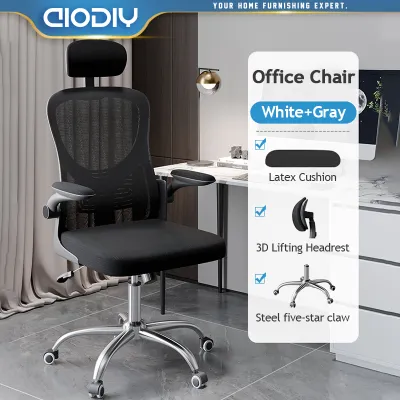
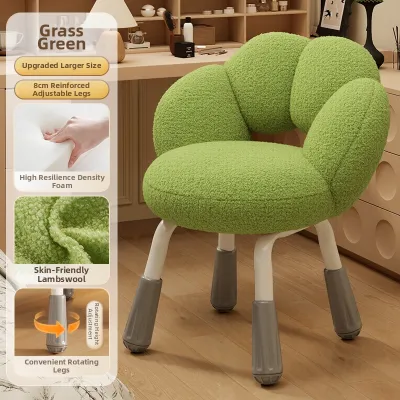
Prices are valid at publication and may change. Please refer to the product page for the latest price.
Key Differences in Build, Adjustability, and Comfort
The price gap between budget and mid-range ergonomic chairs is not merely a matter of brand markup. It directly reflects the engineering complexity, raw material quality, and structural integrity of the components. Understanding these differences helps you move past marketing claims and evaluate what you are actually paying for.

Build Quality and Material Durability
The structural foundation of a study chair determines its safety, stability, and lifespan, particularly under the demanding environmental conditions of the Philippines. High relative humidity and warm ambient temperatures accelerate the wear and tear of low-grade materials, making structural verification essential.
- Frame and Base Materials: Budget chairs typically utilize lightweight plastic frames and nylon bases with smaller diameters. While functional, these bases can flex under shifting weight and may degrade faster when exposed to heat and moisture. In contrast, mid-range chairs often feature reinforced heavy-duty nylon or cast aluminum alloy bases. These materials provide a rigid, unyielding foundation that minimizes wobbling and enhances overall stability during daily movements.
- Upholstery and Climate Resilience: Budget options frequently use standard polyester mesh or low-density polyurethane (PU) synthetic leather. In tropical climates, low-grade PU leather is highly susceptible to cracking, peeling, and trapping body heat, which can lead to significant discomfort and premature deterioration. Mid-range chairs generally employ advanced elastomeric mesh or high-tensile woven fabrics. These materials promote continuous airflow, helping to dissipate body heat and sweat, while resisting sagging over years of use.
- Component Certifications: When evaluating durability, do not rely solely on material names. Check the product specifications for recognized safety and performance standards, such as BIFMA (Business and Institutional Furniture Manufacturers Association) certifications. Verify whether the gas lift cylinder is Class 3 or Class 4 rated, as this component is critical for maintaining seat height safely over time.
Adjustability and Ergonomic Support
Ergonomic support is not a static feature; it depends entirely on how well a chair can be adjusted to match your unique physical proportions. The mechanical components of a chair dictate its range of motion and customization potential.
- Lumbar Support Systems: Budget chairs typically offer fixed lumbar curves or simple height-adjustable lumbar pads. These systems provide a generalized support profile that may not align correctly with your spine's natural curvature. Mid-range models often feature dynamic lumbar support systems that allow you to adjust both the height and the depth of the support block. Some mid-range chairs even incorporate self-adjusting tension systems that automatically respond to your back's movement and angle.
- Armrest Functionality: The armrests on budget chairs are usually fixed to the frame or offer basic vertical height adjustments. This limits your ability to align your elbows properly with your desk surface, potentially leading to shoulder and neck strain. Mid-range chairs frequently feature 3D or 4D armrests. These allow you to adjust the height, slide the pads forward or backward, pivot them inward or outward, and sometimes adjust their width, ensuring optimal support for your forearms during typing or reading.
- Recline and Tilt Mechanisms: A budget chair typically features a simple center-tilt mechanism where the backrest and seat tilt back together at a fixed 1:1 ratio, which can lift your feet off the floor and put pressure on your thighs. Mid-range chairs commonly use synchro-tilt mechanisms. This advanced system tilts the backrest at a 2:1 ratio relative to the seat, allowing you to recline while keeping your feet flat on the floor and maintaining proper spinal alignment.
Comfort for Extended Study Sessions
Long-term comfort relies heavily on how a chair distributes your body weight and manages pressure points during extended periods of immobility.
- Cushion Construction and Density: The seat cushion is a primary point of contact and support. Budget chairs often use standard cut foam, which feels soft initially but tends to compress permanently under body weight within a few months, leaving you sitting on the hard underlying board. Mid-range chairs typically utilize high-resilience molded foam with a density of 50 kg/m³ or higher. Molded foam is polyurethane foam poured into a specific mold, creating a supportive, contoured shape that retains its elasticity and structural memory over years of continuous use.
- Seat Pan Design: To prevent circulatory issues and leg numbness, look closely at the shape of the seat pan. Many mid-range chairs incorporate a "waterfall" front edge, which slopes gently downward at the front of the cushion. This design reduces pressure on the popliteal fossa (the area behind your knees), encouraging healthy blood circulation during long sitting sessions. Budget models often feature flat, sharp-edged cushions that can restrict blood flow if the seat height is not perfectly matched to your leg length.
- Trial Periods and Guarantees: Because comfort is highly subjective, it is beneficial to purchase from sellers or brands that offer clear return policies or physical showroom testing. Whenever possible, test the chair in person to evaluate how the seat depth and contouring feel against your thighs and lower back before committing to a purchase.
How to Decide Based on Your Daily Study Habits
To make a practical decision, you must evaluate your daily routine, your physical setup, and your long-term comfort expectations. Use the following structured decision framework to determine which price tier aligns with your lifestyle.
Choose the budget tier (₱3,000–₱5,000) if:
- Your daily desk time is limited: You sit for less than three to four hours a day, using the chair primarily for quick tasks, checking emails, or short study intervals.
- You are setting up a secondary workspace: The chair is intended for a guest room, a shared family desk with minimal daily traffic, or a temporary rental space.
- You are constrained by a strict immediate budget: You need functional seating now and are comfortable with the trade-off of replacing or upgrading the chair in a year or two as your budget permits.
Choose the mid-range tier (₱8,000–₱15,000) if:
- You study or work long hours daily: You spend six or more hours at your desk, making high-resilience molded foam and breathable mesh essential for your daily physical well-being.
- You experience recurring physical discomfort: You suffer from lower back stiffness, shoulder tension, or neck pain, requiring highly customizable lumbar support and multi-directional armrests to maintain a neutral posture.
- You prioritize long-term value: You prefer to make a single, durable investment that will perform reliably for several years without structural degradation, mechanical failures, or sagging cushions.
Verify first if you have specific physical requirements:
- Body weight and height considerations: If you are unusually tall, have a heavier build, or have pre-existing spinal conditions, standard chair dimensions may not support you safely or comfortably. Regardless of the price tier, you must strictly verify the manufacturer's stated maximum weight capacity, the maximum seat height, and the seat depth dimensions.
- Individual body mechanics: Ensure that the chair's minimum seat height allows your feet to rest flat on the floor with your knees at a 90-degree angle, and that the seat depth leaves a gap of about two to three fingers between the edge of the seat and the back of your knees.
Essential Space and Safety Checks Before You Buy
Purchasing a study chair online requires careful preparation to avoid delivery complications, assembly difficulties, or safety hazards in your home. Before placing your order, perform these essential physical and logistical verifications.
Measure Your Physical Space:
- Floor and Desk Clearance: Measure the available floor space in your study area to ensure the chair's base (which typically ranges from 60 to 70 centimeters in diameter) can rotate freely without hitting walls or other furniture. Measure your desk's height from the floor to the underside of the desk frame to ensure the chair's armrests can slide underneath when not in use.
- Access Pathways: Check the dimensions of your doorways, hallway corners, stairwells, and elevator doors. Ergonomic chairs often ship in large, heavy boxes that require adequate clearance for safe delivery and handling.
Verify Structural Safety and Weight Capacity:
- Load Capacity Limits: Always check the manufacturer's official maximum weight capacity label. Ensure there is a safe margin of at least 15 to 20 percent between your body weight and the chair's maximum limit to prevent excessive strain on the gas lift cylinder and base joints.
- Stability and Base Construction: Look for chairs with five-star bases made of reinforced nylon or metal, as three- or four-star bases do not provide sufficient stability against tipping when reclining.
Evaluate Warranty and Local Support:
- Warranty Coverage Details: Read the seller's official warranty policy carefully to understand exactly what is covered. A reliable warranty should ideally cover critical mechanical parts, including the gas lift cylinder, the tilt mechanism, and the casters, rather than just the fabric or mesh.
- Local Parts Availability: Verify whether the brand or seller maintains a local customer service presence in the Philippines. Having access to local replacement parts and repair services is highly beneficial if a component fails after the warranty period, saving you from having to replace the entire chair.
Frequently Asked Questions (FAQ)
Is a gaming chair a good alternative for studying?
While gaming chairs are popular, they are designed with a different set of priorities than ergonomic study chairs. Gaming chairs often feature aggressive, racing-bucket aesthetics, high backrests, and deep reclining capabilities. However, their bucket-style seats can restrict shoulder movement and force your thighs inward, which may not support a neutral typing or writing posture.
Additionally, many gaming chairs rely on loose lumbar pillows rather than built-in, adjustable lumbar support systems. For long, focused study sessions, an ergonomic study chair is generally a better alternative, as it prioritizes breathability, active spinal alignment, and adjustable armrests that support natural arm movements.
How do I know if a chair will fit under my desk?
To ensure your chair fits under your desk, measure the exact distance from the floor to the lowest point of your desk’s underside, including any drawers or support beams. Next, check the chair’s product specification page for two critical measurements: the minimum seat height and the maximum armrest height.
If the armrests are fixed, their height must be lower than the underside of your desk to allow the chair to slide forward completely. If the armrests are adjustable, verify that they can be lowered sufficiently to clear the desk frame. Leaving enough clearance to push the chair fully under the desk is essential for maintaining proper typing posture and saving floor space in smaller rooms.

Community discussion
Share your experience or ask a question. Comments are reviewed before publication.