
Quick Answer: What to Check Before You Buy
When selecting a folding portable single bed for a child’s room, safety, space efficiency, and physical support must guide your decision. Before making a purchase, prioritize verifying three non-negotiable specifications. First, ensure the frame features secure locking hinges or safety pins that prevent accidental folding during use. Second, measure both the unfolded sleeping footprint and the folded storage dimensions to guarantee a proper fit in your home. Third, check the manufacturer’s certified weight capacity on the product label to ensure it safely accommodates your child’s current size and future growth.
By focusing on these core elements, you can avoid common pitfalls such as unstable frames, poor mattress support, or storage units that do not fit into your designated closet space. Taking the time to verify these details ensures a safe, comfortable, and highly practical sleeping solution for your home.
Safety First: Stability and Hazard Checks for Kids
Safety is the most critical factor when introducing any temporary or folding furniture into a child’s environment. Children naturally interact with furniture more dynamically than adults, often climbing, shifting, or playing on the bed. Therefore, you must carefully evaluate the structural design of the folding bed to prevent accidents, pinches, or structural failures.
Products mentioned in this guide
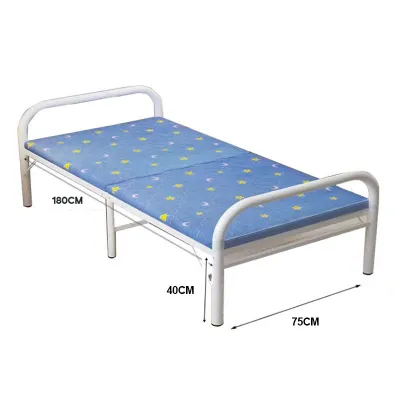
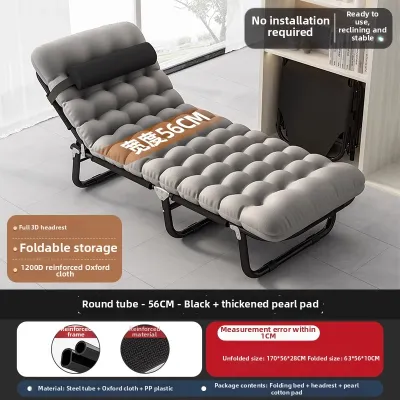

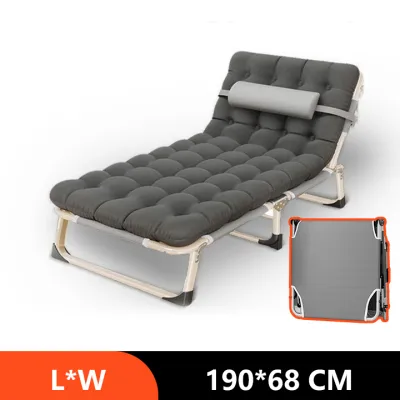

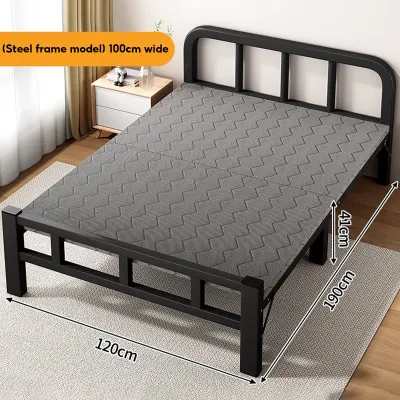
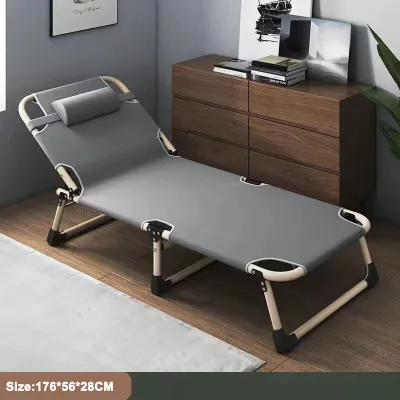
Prices are valid at publication and may change. Please refer to the product page for the latest price.

Begin by inspecting the hinge and locking mechanisms. A high-quality folding bed must feature a positive locking system, such as a manual safety pin, a heavy-duty latch, or an automatic locking collar. These mechanisms ensure that once the bed is unfolded, the frame remains rigid and cannot fold back up, even if a child jumps or rolls near the center joint. Avoid models that rely solely on gravity or the weight of the mattress to keep the frame open, as sudden upward pressure can cause these frames to collapse unexpectedly. Additionally, examine the hinges for built-in pinch guards or protective plastic covers that shield small fingers from exposed metal joints during setup and takedown.
Base stability and tipping risks require equal attention. Evaluate the leg design of the bed, looking for a wide, low-profile stance that distributes weight evenly across the floor. Beds with narrow leg configurations or legs that angle inward are highly susceptible to tipping if a child sits on the very edge or leans over the side. In many homes, bedrooms feature smooth ceramic tiles, polished wood, or laminate flooring. On these surfaces, a folding bed can easily slide when a child climbs in or out. To prevent this shifting, verify that the bed legs are equipped with durable, non-slip rubber or thermoplastic polyurethane (TPU) feet. These pads provide necessary traction, protect your flooring from scratches, and absorb vibrations.
Edge protection and clearance are vital for preventing entrapment and minor injuries. Run your hands along the frame to check for sharp metal edges, rough welds, or exposed screws. If the bed utilizes a spring-tensioned support deck, ensure the springs are fully covered by a protective fabric sleeve or a thick mattress pad to prevent skin pinches. Furthermore, plan the placement of the bed to maintain adequate clearance from walls, windows, and heavy furniture. A minimum clearance of two to three feet around the open sides of the bed helps prevent a child from becoming trapped between the bed frame and adjacent structures.
Finally, always verify the weight capacity directly from the manufacturer’s official product label or specification sheet. Do not rely on general assumptions about materials, such as assuming all steel frames can support heavy loads. The stated weight limit must comfortably exceed your child’s current weight to account for rapid growth spurts and the dynamic forces exerted when sitting down quickly. Checking this certified limit ensures the frame joints and support deck will not experience premature metal fatigue or structural failure.
Measuring Up: Space, Storage, and Portability
Integrating a folding bed into a child’s room requires precise spatial planning. Because these beds are designed to be temporary, you must evaluate how the unit functions both when fully deployed for sleep and when collapsed for storage. Proper measurements prevent the frustration of purchasing a bed that blocks essential walkways or fails to fit into your designated storage areas.
Start by measuring the unfolded dimensions of the bed and comparing them directly to your child’s bedroom layout. A standard single folding bed typically requires a clear floor area of approximately 90 centimeters in width and 190 centimeters in length. When mapping out this space, ensure the bed does not block access to built-in wardrobes, bedroom doors, or emergency exit paths. There should be enough room for an adult to walk comfortably around the bed to assist the child or change the bedsheets. If the bedroom is compact, consider sketching a quick floor plan to visualize how the room’s flow is affected when the bed is in use.
Next, assess the folded footprint and storage requirements. When the bed is collapsed, its dimensions change significantly, typically folding into a flat vertical or horizontal profile. Measure the depth, width, and height of your intended storage location, such as a bedroom closet, the space beneath a primary bed, or a narrow gap behind a wardrobe. Compare these measurements against the manufacturer’s folded specifications. Keep in mind that some models fold completely flat, while others retain a slight curve or thickness due to the attached mattress. Ensuring a precise fit prevents the bed from cluttering the room when it is not needed.
Weight and maneuverability are key factors in how often and how easily you will use the bed. A portable bed that is too heavy or awkward to carry will likely remain permanently set up, defeating its purpose. Look for lightweight frames, often constructed from hollow steel or aluminum tubing, that an adult can lift without straining. To make transport even easier, prioritize models equipped with built-in caster wheels or dedicated carrying handles. Caster wheels allow you to roll the folded bed smoothly across flat surfaces, though you should ensure the wheels feature a locking mechanism to keep the bed stationary when stored upright.
Do not forget to measure the clearance of your doorways, hallways, and stairwells. The folded bed must travel from its storage spot to the setup area without scraping walls or getting stuck in tight turns. This is particularly important in homes with narrow corridors or low door frames. Checking these clearances beforehand ensures a smooth, stress-free transition every time you set up or store the bed.
Sleep Quality: Evaluating Mattress Support and Comfort
A folding bed must provide a supportive and comfortable sleeping surface to ensure your child receives restorative sleep. Growing children require proper spinal alignment to support their physical development, meaning the bed’s support system must be evaluated carefully rather than treated as an afterthought.
Analyze the base structure of the bed frame, as this directly influences both support and comfort. Folding beds generally utilize one of three base designs:
- Slatted Bases: These consist of wooden or metal slats spaced evenly across the frame. Slatted designs offer excellent, rigid support and promote optimal airflow. In warm, humid tropical climates, this ventilation is highly beneficial, as it prevents body heat and moisture from becoming trapped within the mattress, reducing the risk of mold and mildew.
- Mesh or Fabric Decks: These bases use a high-tension fabric or wire mesh suspended by springs. While lightweight and highly portable, mesh decks tend to sag over time, especially in the center where the body's weight is concentrated. This sagging can cause the child to roll inward, leading to poor sleeping posture.
- Solid Platforms: These feature solid panels that fold along with the frame. They provide a very firm sleeping surface and excellent stability, though they offer limited breathability compared to slatted designs.
When evaluating the mattress, determine whether the bed comes with an included mattress or if you need to purchase one separately. Bundled mattresses are often thin, low-density foam pads designed primarily for compact folding rather than long-term comfort. Check the thickness and density of the included mattress; a minimum thickness of 5 to 8 centimeters of high-density foam is generally recommended to prevent the child from feeling the metal support bars underneath. If you plan to buy a separate mattress, verify the exact dimensions of the frame first. Folding beds often use non-standard single dimensions that are slightly narrower or shorter than a traditional single mattress, making a standard replacement difficult to fit.
Long-term support considerations are vital if the bed will be used frequently rather than just for occasional overnight guests. An overly soft, thin, or sagging sleeping surface can cause the spine to curve unnaturally during sleep, potentially leading to back discomfort or disrupted sleep patterns. If the bed is intended for regular use, prioritize a sturdy slatted base paired with a supportive, high-density foam or pocket spring mattress that maintains its shape under consistent weight.
Inspecting the Build: Frame Joints and Surface Finishes
To ensure the folding bed remains safe and functional over years of use, you must look past marketing terms and inspect the physical build quality. Examining the frame’s construction, joints, and surface treatments provides a realistic expectation of its durability and safety.
Begin by evaluating the tube thickness and joint reinforcement of the frame. High-quality frames are typically constructed from thick-walled steel or reinforced aluminum tubing. Look closely at the connection points where the frame folds. These joints should feature heavy-duty steel brackets, thick bolts, and locking nuts rather than thin, hollow rivets. Rivets can loosen, bend, or sheer off over time under repeated folding and unfolding. Welded joints should be smooth, continuous, and free of tiny holes or cracks, which indicate weak welds that could fail under pressure.
Surface treatment and maintenance are critical for preserving the frame, especially in humid environments. Untreated metal frames are highly susceptible to rust, which compromises structural integrity and can stain bedding. Look for frames finished with a durable powder coating or a rust-resistant paint. This protective layer should be smooth, even, and free of chips or bubbles. A high-quality finish not only prevents corrosion but also makes the frame easy to wipe clean with a damp cloth, which is essential for maintaining a hygienic environment in a child’s bedroom.
If the bed features fabric components, such as a tension deck or a mattress cover, inspect the fabric and mesh tear resistance. Examine the stitching along the edges and stress points. Look for double-stitched seams and heavy-duty nylon thread, which resist fraying and tearing under tension. The fabric itself should be a high-denier polyester or canvas that can withstand regular wear and tear without stretching out of shape.
Rather than assuming durability based on material names alone, rely on official specifications, care instructions, and warranty terms. A manufacturer that provides detailed care guidelines and a clear warranty on the frame and joints demonstrates confidence in the product’s build quality. Reviewing these documents gives you practical instructions on how to maintain the bed and what to expect regarding its overall lifespan.
Your Pre-Purchase Checklist for Comparing Options
When you are ready to compare different folding single beds on online marketplaces or in local furniture stores, using a structured checklist helps you filter out low-quality options and make an informed decision. Follow these steps to systematically evaluate your choices:
- Verify Safety Features: Confirm the presence of a manual or automatic locking mechanism that secures the frame when open. Check for non-slip rubber feet on the legs and protective covers over the hinges.
- Confirm Dimensions: Measure your available floor space and storage area. Cross-reference these with the bed's unfolded and folded dimensions, ensuring at least two feet of clearance around the open bed.
- Check Weight Capacity: Locate the certified weight limit on the product specification sheet. Ensure it accommodates your child's current weight with ample room for growth.
- Assess the Support Base: Choose a slatted or solid base for frequent use to ensure proper spinal support, or a high-tension mesh base for occasional, lightweight use.
- Evaluate Mattress Quality: Check the thickness (minimum 5 to 8 centimeters) and density of the mattress. If buying separately, confirm the frame requires standard or custom single mattress dimensions.
- Inspect Build Quality: Look for thick frame tubing, bolted joints instead of rivets, and a rust-resistant powder-coated finish.
When browsing online marketplaces, pay close attention to user feedback and customer reviews. Search the reviews for specific keywords that indicate potential long-term issues. Look for terms like “squeaky hinges,” “hard to fold,” “flimsy latch,” “sagging middle,” or “rust.” If multiple reviews mention that the locking mechanism is difficult to operate or that the frame bends easily, treat these as red flags and consider alternative options.
Finally, review the retailer’s return policies and assembly requirements before finalizing your purchase. Some folding beds arrive fully assembled and ready to use, while others require minor assembly of the wheels or headboard. Ensure you understand the return window and shipping policies, especially if you need to return the bed because the folded dimensions do not fit your intended storage space. A flexible return policy provides peace of mind and protects your investment.
Frequently Asked Questions (FAQ)
Can a folding portable bed be used as a permanent daily bed for a child?
Folding portable beds are primarily designed for temporary or occasional use, such as sleepovers or family visits. While they offer a convenient space-saving solution, using them as a permanent daily bed is generally not recommended. Over time, the folding joints and support decks can experience metal fatigue, leading to sagging and structural instability. Additionally, the thin mattresses typically paired with folding frames may not provide the consistent, firm support necessary for a growing child’s spinal alignment. If you must use a folding bed daily, ensure it features a heavy-duty slatted base and a high-quality, supportive mattress, and consult a pediatrician if you have concerns about your child’s long-term posture and spinal health.
How do I clean and maintain the folding mechanisms?
To keep the folding mechanisms operating smoothly and safely, perform regular visual inspections and basic maintenance. Periodically wipe down the frame with a dry or slightly damp microfiber cloth to remove dust, lint, and debris from the hinges and moving joints, as buildup can cause the mechanisms to stiffen or grind. Always consult the manufacturer’s instruction manual before applying any lubricants; if permitted, use a small amount of silicone-based spray lubricant on the pivot points, wiping away any excess to prevent attracting dust. Avoid using harsh chemical cleaners, abrasive pads, or excessive moisture on the frame, as these can strip away the rust-resistant powder coating and lead to corrosion.

Community discussion
Share your experience or ask a question. Comments are reviewed before publication.