
Selecting the right cabinet clothes organizer depends entirely on whether you need to maximize vertical hanging space or keep folded stacks neat and accessible. Hanging garments require sturdy rods and hooks that distribute weight without stretching fabrics, while folded items need rigid dividers and bins to prevent toppling. Balancing these two systems requires measuring your cabinet’s interior dimensions and assessing your local climate needs, such as managing high humidity in tropical environments like the Philippines. By matching the physical structure of your organizer to the specific weight and fabric of your garments, you can create a highly functional wardrobe that preserves your clothes and keeps your bedroom clutter-free.
Assessing Your Wardrobe Space and Clothing Mix
Before buying any cabinet clothes organizer, you must conduct a thorough audit of your physical cabinet space. Grab a steel measuring tape and record the exact interior height, width, and depth of your wardrobe. Do not rely on the external dimensions provided by the furniture manufacturer, as interior panels, backboards, and structural supports reduce the actual usable space. While planning your layout, budgeting around ₱300 to ₱1,500 per organizer type will help you select durable materials that withstand daily wear.
Pay close attention to internal obstructions that could interfere with your new organizers. Door hinges, sliding door tracks, and drawer slides can easily snag on hanging fabric shelves or prevent pull-out trays from opening fully. Ensure you subtract at least two to three centimeters of clearance near hinges and tracks to allow smooth, unobstructed operation of all moving parts.
Products mentioned in this guide
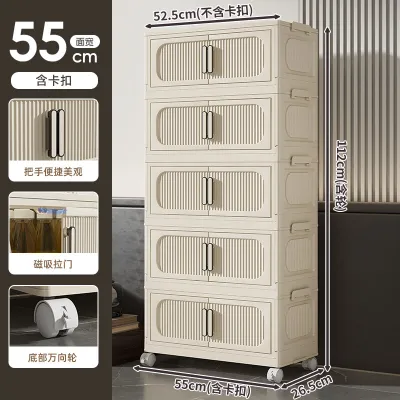
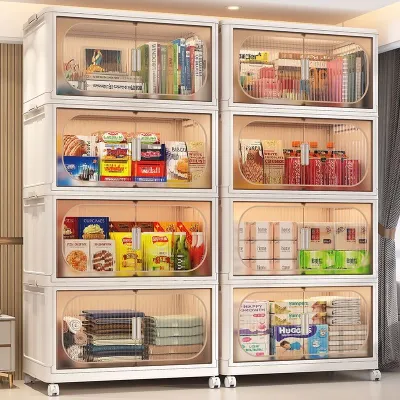
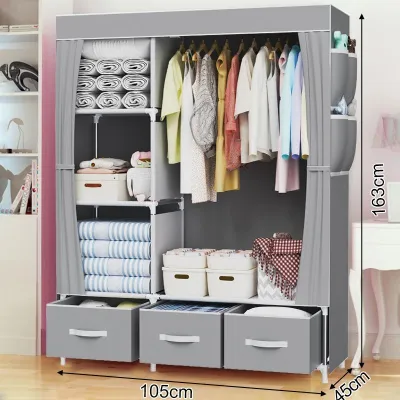
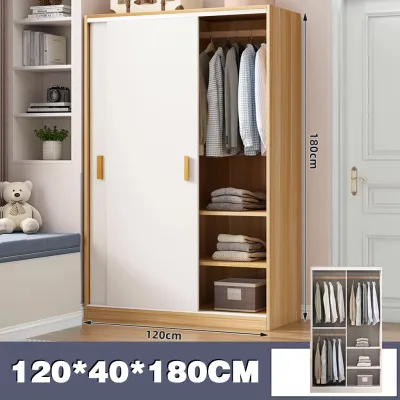
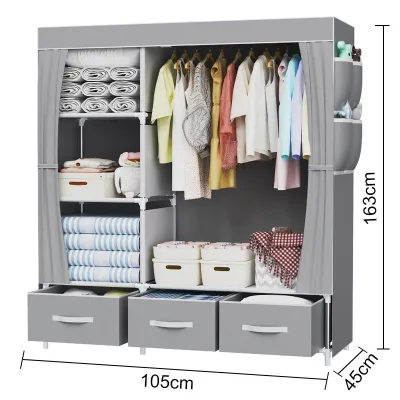
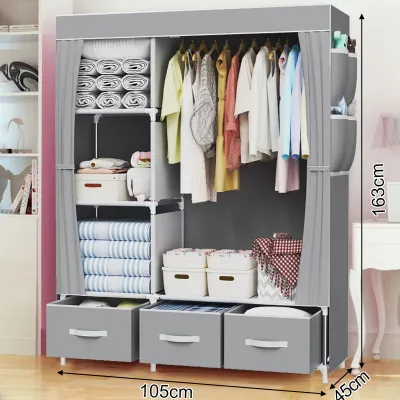
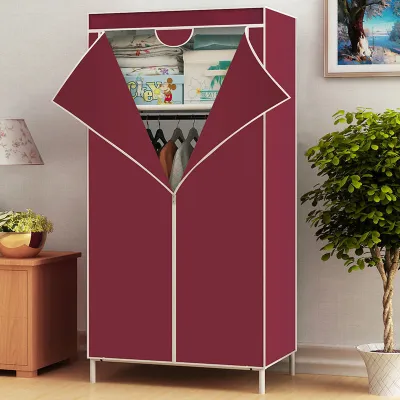
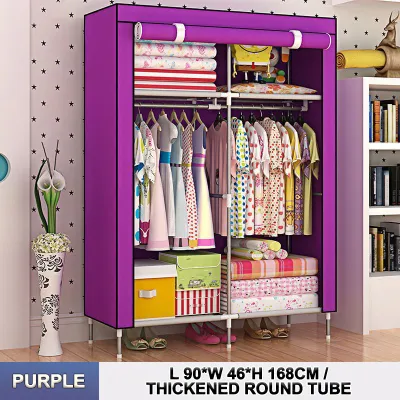
Prices are valid at publication and may change. Please refer to the product page for the latest price.
Next, categorize your clothing inventory to understand your storage ratio. Group your garments into long hanging items (such as maxi dresses, long coats, and jumpsuits), short hanging items (like button-down shirts, blouses, and folded trousers), and folded items (including denim, t-shirts, activewear, and undergarments). This categorization reveals whether your primary bottleneck is a lack of hanging rail space or insufficient shelving.
In tropical climates, wardrobe composition often leans heavily toward lightweight cottons, linens, and activewear, which can be stored efficiently in both formats. However, high humidity means clothes need adequate breathing room to prevent musty odors and mold. Overstuffing either hanging rods or folded shelves restricts airflow, making space assessment and proper spacing even more critical.
Finally, identify underutilized “dead zones” within your cabinet. The empty space beneath short hanging shirts is a prime candidate for low drawer units or stackable bins. Similarly, high top shelves that are difficult to reach can be optimized with lightweight, labeled storage boxes for seasonal items, travel gear, or extra bedding.
Top Organizer Solutions for Hanging Clothes
Hanging organizers are designed to maximize vertical space while keeping garments visible and wrinkle-free. If your wardrobe consists mostly of shirts, blouses, and light jackets, relying on a single standard rod often leaves the bottom half of your cabinet completely empty. Choosing the right hanging accessory can instantly double your storage capacity.

Double Hanging Rods and Extenders: These organizers are highly effective for doubling your short-hang capacity. They typically hook onto your existing closet rod and suspend a second, adjustable rod below. Before purchasing, verify the weight capacity of your primary rod and the mounting brackets; adding a second rod doubles the load on these structural points. Check that the extender’s hook diameter matches your main rod to prevent slipping or tilting.
Cascading or Multi-Tier Hangers: For wardrobes with limited horizontal rod space, cascading hangers allow you to hang multiple garments vertically on a single hook system. These are excellent for organizing similar items, such as a collection of light linen shirts or trousers. When selecting cascading hangers, inspect the connecting joints and hooks. Ensure they are made of sturdy, rust-resistant metal or high-density plastic that will not bend under the weight of multiple garments, and verify that the hooks do not scratch or gouge your main wooden or metal rod.
Hanging Fabric Shelf Organizers: If you have ample hanging space but lack built-in drawers or shelves, hanging fabric organizers provide an instant vertical shelving solution. They attach to the main rod using wide hook-and-loop straps or metal hooks. These are ideal for storing lightweight folded items like t-shirts, hats, or bags. However, you must check that the internal shelf boards are reinforced with thick cardboard or plastic inserts to prevent sagging, and ensure the top attachment is rated for the weight you plan to store.
Top Organizer Solutions for Folded Items
Folded storage is the most space-efficient way to house heavy garments, knitwear, and casual clothing, but without proper organization, neat stacks quickly turn into messy piles. The key to successful folded storage is maintaining structural separation between stacks so that retrieving one item does not disturb the rest.
Shelf Dividers (Acrylic, Wood, or Metal): These dividers slide directly onto your existing wooden or melamine shelves, creating rigid vertical barriers between stacks of denim, sweaters, or t-shirts. They prevent tall stacks from toppling sideways when you pull an item from the bottom. When choosing shelf dividers, measure your shelf thickness carefully. Most tension or slide-on dividers are designed for standard 1.5 cm to 2 cm shelves; using them on thicker or thinner shelves can cause the mounting clips to snap or slip. Look for models with non-slip padding to protect your shelf finish.
Drawer Dividers and Inserts: Drawers often become chaotic catch-alls for smaller items like socks, underwear, and activewear. Adjustable drawer dividers or modular fabric bins create dedicated compartments for each item type. Look for spring-loaded tension dividers with rubberized ends that grip the drawer walls securely without sliding. For deep drawers, modular honeycomb inserts or shallow fabric bins allow you to file-fold your clothes vertically, ensuring every item is visible at a glance.
Stackable Shelf Organizers and Bins: If your cabinet has tall, deep shelves, a single stack of clothes will inevitably collapse if piled too high. Stackable plastic or wire bins allow you to utilize the full height of the shelf safely. These bins feature open fronts so you can slide items out without unstacking the containers. Always verify the interlocking mechanism of stackable bins; they should lock together securely without wobbling. Check the manufacturer’s weight limits to ensure the bottom bin can support the weight of the loaded bins above it.
Crucial Specifications to Verify Before Purchase
To avoid the frustration of buying organizers that do not fit or fail under load, you must verify several critical physical specifications before making a purchase. Taking these precautions protects both your clothing and your cabinetry from long-term damage.
Dimensions and Clearances: Always compare the external dimensions of the organizer against the actual interior clearance of your cabinet. This is especially important for sliding-door wardrobes, where the doors overlap and restrict access to certain sections. Ensure that pull-out drawers, wire baskets, or hanging fabric shelves do not protrude past the front edge of the cabinet frame, which would prevent the doors from closing fully or cause them to scratch the organizer.
Weight Capacity and Load Distribution: Never assume an organizer can hold unlimited weight. Hanging fabric shelves, tension-mounted rods, and plastic stackable bins all have strict load limits. Overloading a hanging fabric organizer can tear its seams or bend your main closet rod. Similarly, tension-mounted shelf dividers can slip or damage cabinet walls if subjected to excessive lateral pressure. Distribute heavier items like denim and jackets across lower, structurally supported shelves, and reserve hanging organizers for lighter garments.
Material and Surface Finish: The tropical climate in the Philippines brings high humidity, which can accelerate the deterioration of certain materials. If choosing metal organizers, ensure they feature a durable, rust-resistant powder coating or are made of stainless steel to prevent rust from staining your clothes. For wooden or acrylic organizers, inspect the edges and joints; they must be perfectly smooth to prevent snagging delicate fabrics like silk, satin, or fine knits. If using fabric organizers, opt for breathable, non-woven synthetic materials that resist moisture buildup and are easy to wipe clean.
Frequently Asked Questions (FAQ)
Can I use tension-mounted shelf dividers in all types of cabinets?
Tension-mounted shelf dividers require specific structural conditions to function safely and effectively. They rely on constant outward pressure against flat, rigid, and stable vertical surfaces, such as finished solid wood, thick plywood, or sturdy melamine panels. The surface must be smooth enough for the rubberized grip pads to hold without slipping.
You should avoid using tension-mounted dividers on fragile or flexible materials. Do not install them on glass shelves, thin wire racking, or flimsy hollow-core cabinet walls, as the pressure can easily crack glass, bend wire, or puncture thin wood panels. Additionally, unfinished or highly textured wood surfaces may not provide a secure grip, causing the divider to slip under the weight of leaning clothes. For these materials, look for alternative dividers that slide onto the front edge of the shelf or use non-damaging adhesive mounts.
How do I prevent fabric hanging organizers from sagging over time?
Fabric hanging organizers are prone to sagging if they are loaded incorrectly or if their internal supports degrade. To maintain their shape, always distribute weight evenly across all compartments. Avoid placing all your heaviest items in a single section; instead, place lighter items like activewear, t-shirts, and accessories in the fabric shelves, and keep heavy denim or thick jackets on your wardrobe’s rigid wooden shelves or hanging rods.
Regularly inspect the structural components of the organizer. Check the top hook-and-loop strap or metal hanger attachment for signs of fraying, stretching, or seam separation. If the internal shelf boards are made of cardboard, keep them away from high-humidity areas or damp clothes, as moisture will soften the cardboard and cause immediate sagging. Opting for organizers with reinforced plastic or thin MDF internal support boards offers much better long-term durability.

Community discussion
Share your experience or ask a question. Comments are reviewed before publication.