
The intense downpours, high humidity, and sudden wind gusts of the Philippine rainy season present a severe test for outdoor furniture. While a white foldable table offers excellent convenience and a clean aesthetic for patios or gardens, its ability to survive the wet season outdoors is not guaranteed. Longevity depends heavily on the specific materials used, the quality of its protective coatings, and how actively you maintain it. Leaving a standard foldable table exposed to continuous monsoon rains without proper care often leads to rapid cosmetic and structural deterioration.
How Monsoon Rains and Humidity Impact Foldable Tables
During the wet season, the relative humidity in the Philippines frequently exceeds eighty percent, creating a nearly constant state of moisture exposure. This persistent dampness is particularly hazardous for the mechanical joints, hinges, and rivets that allow a table to fold. Water easily finds its way into these tight spaces through capillary action, where it remains trapped long after the rain stops. Because the high humidity slows down natural evaporation, these metal components stay wet for extended periods, creating the perfect conditions for crevice corrosion and rust.
In addition to structural risks, the aesthetic appeal of a white table is highly vulnerable to the tropical environment. Many plastic or resin tabletops feature a textured surface designed to mimic wood grain or provide a non-slip grip. While practical, these microscopic ridges and valleys easily trap airborne dust, pollen, and organic debris. When combined with rainwater and warm temperatures, these trapped particles become a breeding ground for mold, mildew, and green algae. On a bright white surface, even minor organic growth manifests as unsightly dark or green stains that are difficult to ignore.
Products mentioned in this guide
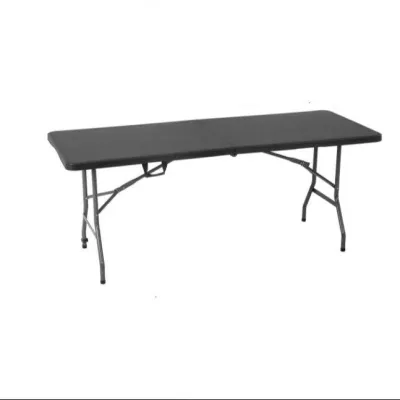
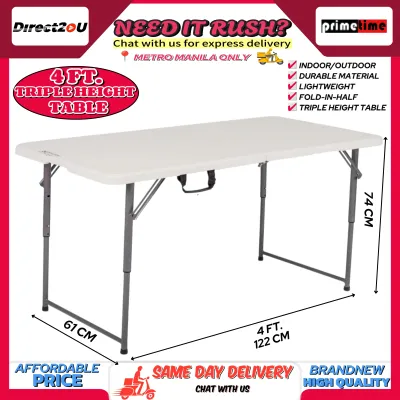
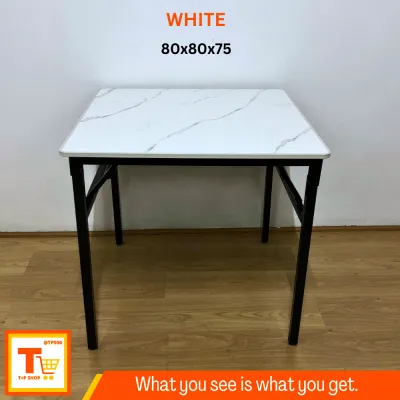
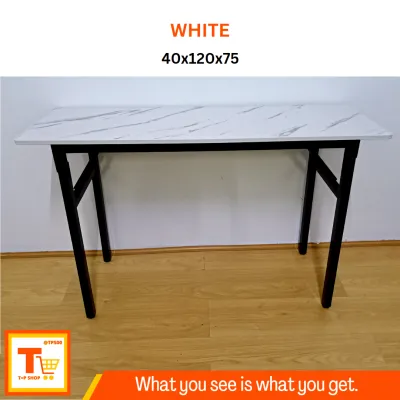
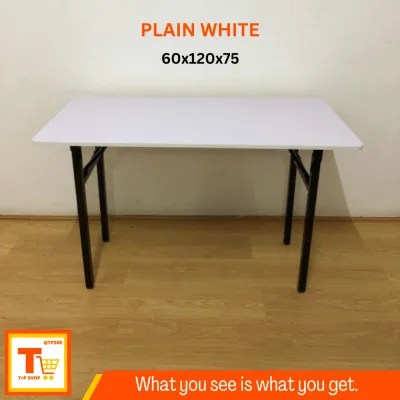
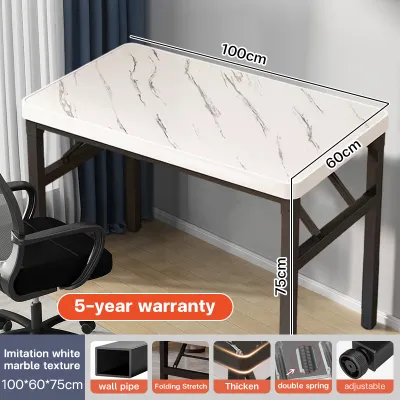
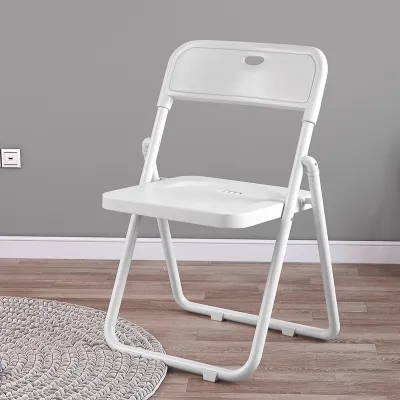
Prices are valid at publication and may change. Please refer to the product page for the latest price.
The rapid transition between intense tropical sunlight and sudden downpours also places immense physical stress on the table’s materials. This rapid temperature cycling causes the tabletop and frame to expand and contract repeatedly. Over time, exposure to ultraviolet radiation degrades the chemical bonds in unprotected plastics and paint finishes, a process that can cause the white surface to yellow, become brittle, or develop a chalky residue. Once the outer protective layer is compromised, rainwater can penetrate deeper into the material, accelerating the breakdown of the table’s core structure.
Finally, the physical impact of wind and heavy rain must not be overlooked. Foldable tables are engineered for portability, which typically means they are lightweight compared to permanent outdoor furniture. During the southwest monsoon, known locally as the “Habagat,” or during tropical depressions, strong wind gusts can easily lift, slide, or overturn an unsecured table. A tumbling table not only risks breaking its own hinges and tabletop but can also damage surrounding property, such as glass sliding doors or delicate garden plants.
What to Check on the Label and Structure Before Leaving It Outside
To ensure your white foldable table can withstand outdoor exposure, you must verify its specifications rather than relying on its appearance. Start by examining the product label or manufacturer specifications for details about the frame and joint materials. Look for frames made of anodized aluminum, which naturally resists rust, or steel that has been treated with a high-quality powder coating. Powder coating involves electrostatically applying a dry powder that is then cured under heat to create a thick, continuous barrier. This finish is significantly more resilient against moisture penetration and chipping than standard liquid paint.

The composition of the tabletop is equally critical. High-density polyethylene is a popular material for foldable tables due to its impact resistance and durability. However, you must check the product specifications to confirm that the plastic is “UV-stabilized” or “UV-resistant.” Without this specific treatment, a white plastic tabletop will quickly yellow and degrade under the intense tropical sun. Additionally, look for labels indicating that the surface is non-porous and water-repellent, which prevents moisture from soaking into the material and causing internal damage.
A close inspection of the table’s structural design can reveal its suitability for wet weather. High-quality outdoor tables often feature a slightly crowned surface or built-in drainage channels that encourage rainwater to run off the sides rather than pooling in the center. Examine the folding mechanisms and hinges to see if they are shielded by protective plastic caps or rubberized gaskets. These design elements help divert water away from the vulnerable metal joints, reducing the risk of internal rust and mechanical failure.
Lastly, evaluate the table’s weight, finished dimensions, and base design in relation to your outdoor space. A table with a wider leg footprint generally offers better stability against strong winds. Check the manufacturer’s specified load capacity to ensure the table can safely support your intended items even when wet. If the table is exceptionally lightweight, look for design features that allow you to anchor it, such as hollow legs that can accommodate weighted sandbags or feet with pre-drilled holes for securing to a deck or patio surface.
Practical Maintenance to Protect the Table During the Wet Season
Implementing a regular maintenance routine is essential for extending the lifespan of your white foldable table during the high-humidity months. Establish a weekly cleaning schedule to remove dirt, leaves, and organic debris before they can bond with the surface. Use a soft cloth or sponge with a mixture of mild dish soap and warm water to gently clean the tabletop and frame. Avoid using abrasive scrubbing pads, steel wool, or harsh chemical cleaners, as these can scratch the plastic and strip away the protective UV-resistant coatings, leaving the surface more vulnerable to stains and sun damage.
After every heavy downpour, perform a quick drying protocol to prevent moisture from lingering in critical areas. Use a dry microfiber towel to wipe down the entire table, paying special attention to the underside, the metal support bars, and the folding joints. Manually removing pooled water from the hinges and rivets significantly reduces the risk of rust and ensures the folding mechanism continues to operate smoothly. This simple step takes only a few minutes but can add years to the table’s functional life.
When the table is not in active use, or when severe weather warnings are issued, proper storage is the most effective way to protect it. Fold the table and move it to a dry, covered indoor space, such as a garage, utility room, or a sheltered veranda. If indoor storage space is limited and the table must remain outdoors, invest in a heavy-duty, waterproof furniture cover. Choose a cover made from breathable fabric to prevent condensation from trapping moisture underneath, and ensure it is securely fastened to the table legs so it does not blow away during strong monsoon winds.
Before applying any aftermarket protective products, such as rust inhibitors, silicone sprays, or waxes, always consult the manufacturer’s care instructions. Some chemical treatments can react negatively with the table’s original powder coating or cause the white plastic to discolor or yellow prematurely. If the manufacturer approves, applying a thin layer of outdoor-rated protective wax to the tabletop can help repel water, while a light application of silicone lubricant to the hinges can keep the folding mechanism moving freely.
Observable Warning Signs: When to Bring the Table Indoors
Regularly inspecting your table for early signs of damage allows you to take corrective action before structural failure occurs. The most common warning sign is the appearance of visible rust, corrosion, or flaking paint on the hinges, screws, and frame joints. If you notice orange or reddish-brown spots forming on the metal components, the protective barrier has failed. At this point, the table should be moved to a dry environment to prevent the rust from spreading and weakening the structural integrity of the frame.
You should also monitor the condition of the white tabletop for any physical changes. Warping, cracking, bubbling, or peeling of the surface finish indicates that moisture has penetrated the outer layer. In composite or wood-core tables, this water penetration leads to swelling and permanent warping, making the surface uneven and unsafe. Even on solid plastic tables, fine cracks can harbor mold and bacteria, making the surface difficult to sanitize and compromising its overall strength.
Pay close attention to how the table feels when you fold and unfold it. If you experience stiffness, resistance, or hear grinding noises during operation, this indicates that rust, dirt, or debris has accumulated inside the folding mechanism. Forcing a stiff mechanism can bend the metal frame or break the joints entirely. If a thorough cleaning and approved lubrication do not resolve the stiffness, it is best to keep the table indoors and avoid using it until the issue is resolved.
Finally, structural instability is a clear indicator that the table is no longer safe for outdoor use. If the table sways, wobbles, or has loose connections at the joints when you apply light pressure, the fasteners may have corroded or stretched. Placing heavy items, hot dishes, or liquids on an unstable table poses a safety hazard. If you cannot tighten the connections or if the frame remains wobbly, discontinue outdoor use immediately and consult the manufacturer’s guidelines for repair or replacement options.
Frequently Asked Questions (FAQ)
Can I leave a white foldable table outside overnight during the rainy season?
It is generally not recommended to leave a foldable table fully exposed overnight during the peak of the rainy season. Even without active rain, heavy overnight dew and high humidity can settle into the folding joints, accelerating rust. If you must leave it outside on a patio or balcony, use a breathable, waterproof cover, or fold it and lean it against a protected wall under an awning. Always check the manufacturer’s guidelines, as most foldable tables are designed for temporary outdoor use rather than continuous, year-round exposure.
How do I remove mold or dark stains from a white outdoor table?
To clean mold or dark stains from a white tabletop, start with the gentlest method: a mixture of mild dish soap and warm water applied with a soft-bristled brush. For stubborn organic stains, check the manufacturer’s care label before using alternative cleaners. Avoid using harsh bleach or highly abrasive scrubbing pads, as these can strip away the protective UV-resistant coating, leaving the plastic porous and even more susceptible to future staining and yellowing. Always rinse the table thoroughly with clean water and dry it completely before folding it for storage.

Community discussion
Share your experience or ask a question. Comments are reviewed before publication.