
An aluminum folding camping table can indeed survive the intense Philippine rainy season, but its survival depends heavily on the materials used in its connecting hardware rather than the aluminum itself. While pure aluminum does not rust in the traditional sense, the folding joints, screws, rivets, and internal springs are frequently made of other metals that are highly susceptible to corrosion. When exposed to weeks of relentless downpours and near-constant tropical humidity, a poorly constructed table can quickly seize up or lose its structural integrity.
To ensure your outdoor gear lasts through the wet months, you must look beyond the generic aluminum label and examine how the entire unit is assembled and maintained. Taking a proactive approach to material checks and post-rain care will determine whether your table remains a reliable campsite companion or becomes a rusted, unstable hazard.
Understanding Rust Risks on Aluminum Camping Tables
To understand how your camping table behaves in wet weather, it helps to look at the chemistry of outdoor metals. Aluminum naturally reacts with oxygen in the air to form a microscopic, tightly bound layer of aluminum oxide on its surface. Unlike iron oxide, which flakes away and exposes more metal to destruction, this aluminum oxide layer acts as a barrier that prevents further deep corrosion. However, this does not mean your table is completely immune to the elements, especially when subjected to the prolonged moisture of the southwest monsoon.
Products mentioned in this guide
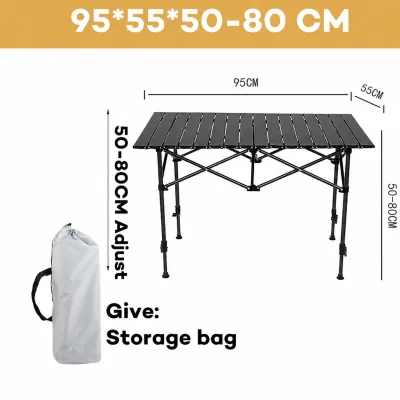
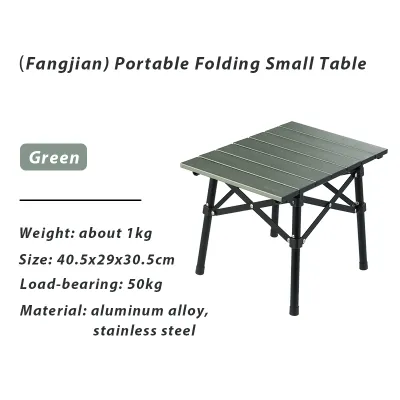
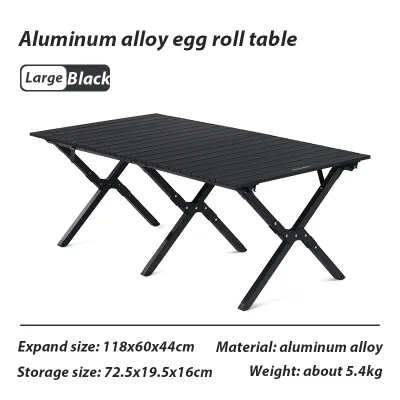
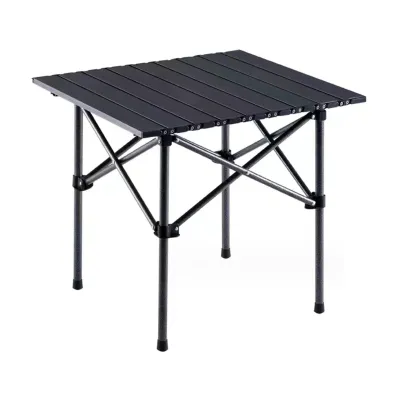
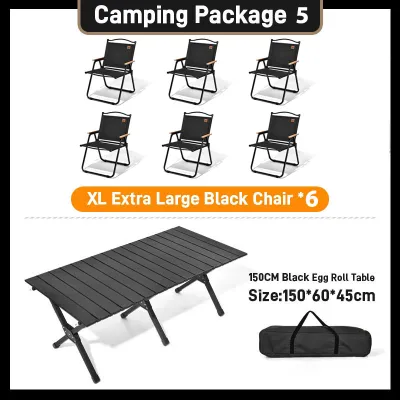
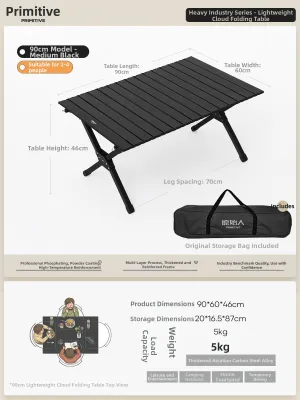
Prices are valid at publication and may change. Please refer to the product page for the latest price.
The primary threat to a folding table does not usually come from the flat tabletop panels, but from the moving parts that allow it to collapse. Hinges, locking pins, rivets, and internal tension springs are often manufactured from steel or iron alloys to provide the necessary mechanical strength. When rainwater penetrates these tight joints, it creates a persistent damp environment where oxygen and iron react, leading to the formation of destructive red rust.
This vulnerability is significantly accelerated by galvanic corrosion, a process that occurs when two dissimilar metals make contact in the presence of an electrolyte like rainwater. In coastal areas where the air carries microscopic salt particles, this risk is even higher. The combination of aluminum, steel hardware, and salty moisture creates a natural battery cell that rapidly degrades the less noble metal, often causing the steel fasteners to rust at an accelerated rate or causing the surrounding aluminum to pit and weaken.
Key Specifications to Check for Wet Season Durability
When shopping for a new table or evaluating your current gear, you should carefully inspect the hardware specifications provided by the manufacturer. High-quality outdoor tables will explicitly state if they use stainless steel or brass fasteners instead of standard carbon steel. Stainless steel contains chromium, which offers excellent resistance to wet-season rust, making it the preferred choice for the pivot points and screws that bear the brunt of the folding action.

Beyond the base metals, look closely at the surface treatments applied to both the aluminum and the supporting frame. Anodized aluminum has undergone an electrochemical process that thickens the natural oxide layer, making it highly resistant to scratches and environmental wear. Alternatively, powder coating provides a thick, baked-on polymer barrier that shields the underlying metal from direct contact with water and air. You should inspect these coatings for any chips or deep scratches, as even a tiny breach can allow moisture to creep underneath and lift the finish.
The physical design of the joints and hinges also plays a critical role in how well a table handles heavy rain. Examine whether the folding mechanisms feature open channels that allow water to drain away naturally, or if they form cup-like pockets that trap standing water. Tables designed with drainage slots or minimalist, open-pivot joints dry much faster after a storm, reducing the time moisture remains in contact with critical load-bearing components.
Finally, pay attention to the stability and load capacity ratings under wet conditions. A table that becomes wobbly when wet or has loose-fitting joints is more likely to collect water in its internal cavities. Ensure that the locking mechanisms engage securely without leaving wide gaps where water can pool, as tight, well-engineered tolerances are your first line of defense against water ingress.
Maintenance and Storage Strategies for High Humidity
Maintaining your camping table during the humid rainy season requires a proactive routine that begins the moment you pack up your campsite or patio. After any outdoor exposure, make it a habit to thoroughly clean the table to remove mud, organic debris, and tree sap. These substances are highly hygroscopic, meaning they actively attract and hold moisture against the metal surfaces, which can slowly break down protective anodized or powder-coated finishes over time. Use a soft cloth and clean water to wipe down all surfaces, avoiding abrasive scrubbers that could scratch the protective coatings.
Once the table is clean, establishing a strict drying protocol is essential before you attempt to fold or store it. Never collapse a wet or damp table and leave it inside its carrying bag, as this traps moisture in a dark, unventilated space, creating the perfect conditions for rapid rust and mold growth. Wipe down every joint, leg segment, and under-table support with a dry towel, then leave the table fully deployed in a well-ventilated area out of direct rain until all internal moisture has evaporated.
To protect the moving parts that cannot be easily dried by hand, apply a thin layer of a moisture-displacing lubricant to the hinges, rivets, and locking pins. Look for manufacturer-approved dry-film lubricants or silicone sprays that repel water without attracting dust and grit, which can grind down the joints during folding. Avoid heavy, sticky greases that can trap dirt and moisture inside the hinge mechanisms, leading to premature wear.
Where you store your table during the off-season or between camping trips is just as important as how you clean it. While a covered outdoor shed or balcony might seem convenient, these spaces often experience high ambient humidity and temperature fluctuations that cause condensation to form on metal parts. Storing your table inside a well-ventilated, climate-controlled indoor room is always the safest option to prevent slow, moisture-driven degradation.
Identifying Corrosion and Structural Compromise
Regularly inspecting your table for early signs of environmental damage can prevent a sudden structural failure during use. Begin with a visual check of all metal interfaces, looking for the telltale signs of red or brown powdery residue around the screws and rivets. On the aluminum surfaces, look for bubbling, flaking, or a white, powdery substance, which indicates that the aluminum is undergoing localized oxidation due to trapped moisture or chemical exposure.
Next, perform a physical check of the table’s mechanical action by slowly folding and unfolding the legs and tabletop. If you notice unusual stiffness, grinding noises, or if the locking pins require excessive force to engage, moisture has likely begun to corrode the internal springs or pivot points. A table that wobbles or fails to lock securely into place poses a safety hazard, especially when loaded with hot cooking equipment or heavy camping gear.
Knowing when to retire a table or seek replacement parts is crucial for outdoor safety. If you discover that a structural rivet has rusted through, or if a locking pin has become so seized that it cannot be safely engaged, cease using the table immediately. Check with the manufacturer to see if they offer replacement hardware kits, as high-quality tables are often designed to have their fasteners serviced. However, if the aluminum frame itself shows deep pitting, cracks, or severe bending around the joint connections, the structural integrity has been compromised, and the unit should be retired.
Frequently Asked Questions (FAQ)
Does anodized aluminum need extra rust protection?
Anodized aluminum itself is highly resistant to corrosion and does not require additional rust-preventative coatings, as the anodizing process creates a durable, integrated protective layer. However, this treatment only protects the aluminum components of your table. The steel screws, rivets, and hinges that hold the table together remain vulnerable to rust and still require regular cleaning, drying, and lubrication. Always check the manufacturer’s care label to verify if specific cleaning agents or protective sprays are recommended for your table’s unique finish.
Can I leave the table outside if it is under a roof?
Leaving your table under a roof protects it from direct rainfall, but it does not shield it from the high ambient humidity characteristic of the Philippine wet season. Moisture in the air can still condense on the cool metal surfaces overnight, leading to persistent dampness in the joints and hinges that promotes rust on non-aluminum hardware. If you must store the table semi-outdoors, use a breathable fabric cover rather than an airtight plastic tarp, as plastic traps rising ground moisture and condensation, accelerating the corrosion process.

Community discussion
Share your experience or ask a question. Comments are reviewed before publication.