
Finding the right furniture for a compact condominium or apartment in the Philippines requires balancing functionality with a small physical footprint. A three-layer side table serves as an excellent solution to maximize storage without consuming precious floor area. By utilizing vertical space, these multi-tiered pieces allow you to keep daily essentials within arm’s reach while maintaining a clean, organized living room. However, choosing the perfect table involves more than just picking an appealing design; it requires precise measurements, structural evaluation, and an understanding of how the piece interacts with your existing layout.
To make a successful purchase, you must evaluate the table’s physical dimensions against your sofa’s height, check the clearance of your walkways, and verify the weight capacity of each individual shelf. Additionally, considering the local climate is crucial, as high humidity and condensation from cold drinks can quickly degrade poorly finished materials. By focusing on structural stability, material durability, and visual weight, you can select a three-layer side table that enhances your home’s efficiency and aesthetic appeal.
Why Vertical Storage Works in Small Spaces
In compact living environments, floor space is the most valuable commodity. Traditional horizontal storage units, such as wide coffee tables or low-slung cabinets, often dominate a room, leaving little space for comfortable movement. A three-layer side table solves this issue by shifting the storage focus upward. By stacking shelves vertically, these tables provide three times the usable surface area of a standard single-tier table while occupying the exact same footprint on your floor. This vertical efficiency is particularly beneficial in studio apartments and urban homes where every square meter counts.
Products mentioned in this guide
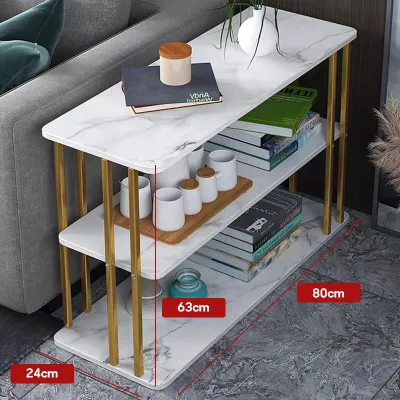
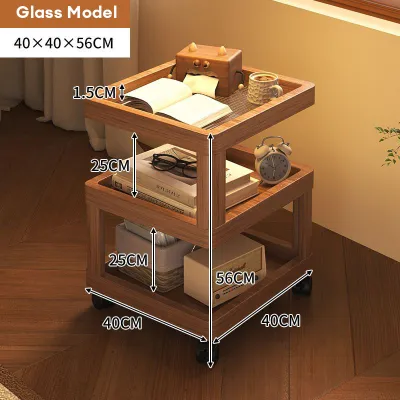
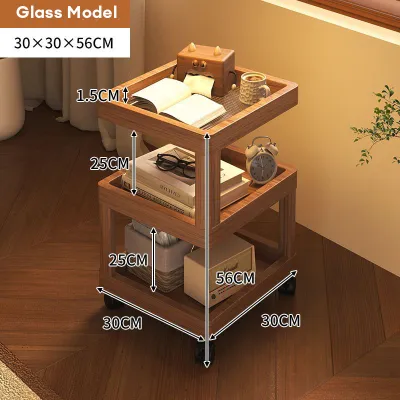
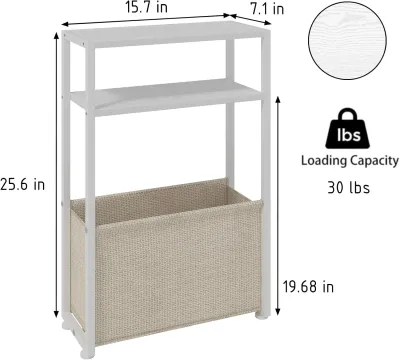
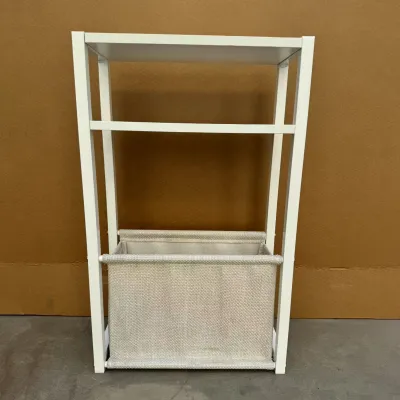
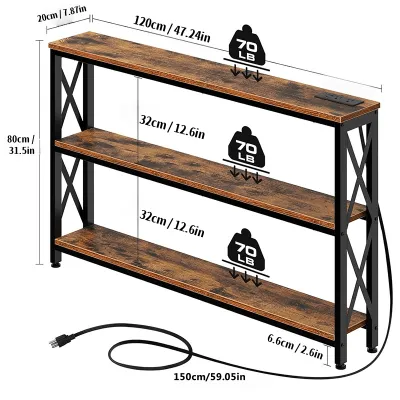
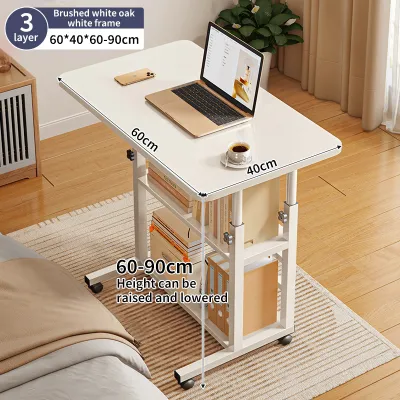
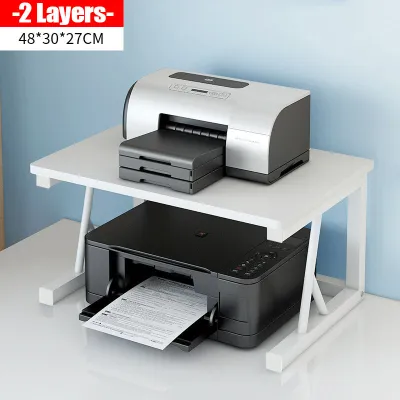
Prices are valid at publication and may change. Please refer to the product page for the latest price.
A multi-tier design also introduces a natural system for organizing your daily items. The top tier is ideal for immediate, high-frequency needs, such as a cup of coffee, a smartphone, or a remote control. The middle tier can house semi-frequent items like reading materials, notebooks, or a tablet, keeping them accessible but out of direct sight. The bottom tier is perfect for heavier or less frequently accessed objects, such as storage baskets, power banks, or decorative elements. This tiered separation prevents the top surface from becoming cluttered, ensuring your living room always looks tidy and organized.
Furthermore, open vertical designs contribute significantly to the visual lightness of a room. Solid, bulky furniture pieces block sightlines and make small spaces feel cramped and dark. In contrast, a three-layer side table with an open frame allows light to pass through, creating an illusion of spaciousness. This visual transparency is a key design strategy for small-space living, as it maintains an airy, open atmosphere while still delivering the robust storage capacity you need for daily life.
Essential Dimensions and Walkway Clearances
Before browsing online marketplaces or visiting local furniture showrooms, you must take precise measurements of your living room layout. The most critical dimension to consider is the height of the table’s top tier in relation to your sofa or armchair. For optimal ergonomics, the top shelf should sit level with, or slightly below, the armrest of your seating. If the table is too tall, reaching for a drink becomes awkward and increases the risk of spills; if it is too short, you will find yourself bending uncomfortably to access your items. Measure from the floor to the top of your sofa armrest to establish your target height range.

Next, evaluate the overall depth and width of the table against the surrounding walkways. In tight living rooms, pathways must remain clear to ensure safe and comfortable movement. A side table that juts out too far can obstruct traffic, leading to stubbed toes or accidental collisions. As a general rule, maintain a clearance of at least 50 to 60 centimeters between the side table and any adjacent furniture or walls. If your layout is exceptionally narrow, look for slim or semi-circular profiles that hug the side of your sofa without encroaching on the main walkway.
Finally, pay close attention to the base footprint and leg clearance of the table. Some three-layer side tables feature cantilevered bases or recessed legs designed to slide underneath the bottom of your sofa. This style is incredibly space-efficient, as it allows the top surface to hover directly over the seat cushion, saving valuable floor space. If you choose a traditional four-legged design, ensure the legs sit flush against the side of the sofa or the wall to eliminate awkward, unusable gaps where dust and small items can accumulate.
Evaluating Tier Spacing and Usable Capacity
The utility of a three-layer side table depends heavily on the vertical clearance between its shelves. Before purchasing, make a list of the specific items you plan to store on the lower tiers and measure their heights. For instance, standard novels and magazines require a vertical clearance of at least 25 to 30 centimeters, while a Wi-Fi router with upright antennas or a small potted plant may need even more space. Compare these measurements against the manufacturer’s specified shelf spacing to ensure your items will actually fit without being crammed or tilted.
Weight capacity is another critical factor that is often overlooked. Each tier of a side table has a specific load limit determined by its material and construction. The manufacturer’s specifications should clearly state the maximum weight each shelf can support, typically expressed in kilograms. Placing heavy items, such as a stack of thick textbooks or a ceramic planter, on a shelf with a low weight limit can cause the material to sag, warp, or fail entirely over time. Always distribute weight evenly, placing the heaviest items on the bottom tier to lower the table’s center of gravity and improve overall stability.
If you anticipate your storage needs changing over time, consider choosing a table with adjustable shelves. While many compact side tables feature fixed configurations, some models utilize peg-and-hole systems or modular brackets that allow you to customize the height of the middle tier. This flexibility is highly advantageous if you decide to swap out your storage baskets, upgrade your electronic devices, or redecorate your space. If adjustable options are not available, prioritize a fixed design with generous spacing on the bottom tier to accommodate larger items.
Frame Stability and Material Checks
In an active household, stability is paramount. A tall, narrow three-layer side table can easily become top-heavy, making it susceptible to tipping over if bumped by a pet, a child, or a passing guest. To assess stability, inspect the table’s joint construction, cross-bracing, and base width. Look for frames reinforced with metal X-braces on the back or sides, as these structures prevent lateral swaying and wobbling. Additionally, a wider base or weighted bottom shelf significantly reduces the risk of accidental tip-overs, providing peace of mind in high-traffic areas.
Material selection plays a vital role in both durability and maintenance, especially in the tropical climate of the Philippines. High humidity levels and the inevitable condensation from iced drinks can quickly damage substandard materials. If you prefer wood, verify that the surface is treated with a moisture-resistant sealant or polyurethane finish to prevent warping, swelling, and water rings. For metal frames, look for powder-coated finishes that resist rust and corrosion. Engineered woods, such as medium-density fiberboard (MDF) or particleboard, should be checked for high-quality laminate or melamine veneers that protect the edges from moisture intrusion.
When shopping, learn to identify red flags in product descriptions. Vague terms like “solid wood feel” or “durable metal-like finish” often indicate lower-quality materials that may not withstand daily wear and tear. A reputable manufacturer will provide clear, specific details about the materials used, such as “powder-coated steel frame” or “melamine-faced particleboard.” If a product listing lacks weight capacity specifications, assembly instructions, or detailed material descriptions, treat it with caution and consider reaching out to the seller for clarification before making a decision.
Visual Weight and Finish Selection
The visual impact of a furniture piece can dramatically alter how spacious a room feels. In a small living room, you want to avoid heavy, solid designs that block light and create dark corners. Instead, prioritize three-layer side tables with slender metal frames, open wire shelves, or thin wooden profiles. These designs have a low “visual weight,” meaning they occupy minimal visual space and allow the eye to travel through them. This openness helps maintain a sense of continuity and flow, making your living room feel larger and more inviting.
The color and finish of your side table also influence the perception of space. Light-colored finishes, such as white, light oak, or soft gray, reflect natural light and brighten up dim corners. If you prefer a modern or industrial aesthetic, matte black or dark bronze frames can work beautifully, provided they feature thin, minimalist lines that do not overwhelm the room. Reflective surfaces, such as glass or polished metal, are also excellent choices for small spaces, as they bounce light around the room and create a sense of depth.
To ensure a cohesive look, coordinate the table’s style and hardware with your existing living room furniture. If your coffee table features warm wood tones and black metal legs, look for a side table with similar materials to tie the room together. Pay attention to small details, such as the shape of the legs and the style of any metal accents or handles. While the side table does not need to be an exact match to your other furniture, maintaining a consistent design language prevents the space from looking cluttered or mismatched.
Delivery Access and Assembly Requirements
Before finalizing your purchase, consider the logistics of getting the side table into your home. This is especially important for residents of high-rise condominiums or apartments with tight stairwells and small elevators. Check the packaged dimensions of the product, which are often larger than the assembled table itself. Measure your doorway widths, elevator entryways, and any sharp turns in your hallways to ensure the box can be easily transported to your unit without getting stuck or causing damage to your walls.
Most furniture purchased online or from major retailers arrives flat-packed and requires self-assembly. Review the assembly requirements beforehand to ensure you have the necessary tools and skills. Many flat-pack items include basic tools like Allen keys, but you may need a screwdriver or a hammer of your own. Check if the product manual is available online to assess the complexity of the assembly process. If you are not confident in your assembly skills, look for retailers that offer professional assembly services upon delivery, or opt for a pre-assembled model.
Additionally, verify if the table includes wall-anchoring hardware, especially if you plan to place heavy items on the upper shelves or have pets and children in the home. Anchoring the table to the wall provides an extra layer of safety against tip-overs. Finally, carefully review the seller’s return policy and warranty conditions. Ensure you understand the process for reporting damaged or missing parts, and confirm whether the warranty covers structural defects or material failures under normal household use.
Frequently Asked Questions (FAQ)
Can a 3-layer side table support a heavy tabletop lamp?
A three-layer side table can support a tabletop lamp, provided you verify the manufacturer’s specific weight capacity for the top shelf before placement. Standard ceramic or metal lamps can be surprisingly heavy, and placing one on a flimsy or unreinforced top tier can cause the table to wobble or sag. To ensure safety, inspect the frame’s rigidity and choose a table with a wide, stable base. If the product description lacks clear load-bearing specifications, avoid placing heavy fixtures on the top shelf and instead opt for a lightweight LED lamp or a wall-mounted sconce to eliminate the risk of instability.
How do I clean dust from the middle and bottom tiers?
Cleaning the lower tiers of a multi-level side table requires a bit of planning due to the restricted vertical clearance. To easily reach into narrow gaps, use a flexible microfiber duster or an extendable static duster that can slide between the shelves without requiring you to empty them completely. Before applying any liquid cleaners or wood polishes, check the manufacturer’s care instructions to ensure compatibility with the surface material, as harsh chemicals can strip protective sealants or damage laminate veneers. Managing cable clutter from chargers or routers on these shelves with cable ties or organizer boxes will also make routine dusting much faster and more efficient.
Are glass shelves safe for homes with pets or children?
Glass shelves can be safe for active households, but you must verify that the product uses tempered safety glass, which is designed to fracture into small, blunt pieces rather than sharp shards if broken. Look for clear tempered glass labels in the product specifications and inspect the edges to ensure they are rounded and polished rather than sharp. Additionally, check that the glass panels are securely held in place by sturdy brackets, suction cups, or recessed frames to prevent them from sliding out when bumped. If the manufacturer does not provide clear safety certifications or material details, it is safer to choose alternative materials like solid wood, metal, or high-quality engineered wood for your home.

Community discussion
Share your experience or ask a question. Comments are reviewed before publication.