
Storing footwear in a tropical, high-humidity environment presents a unique set of challenges that standard open shelving cannot fully address. In the Philippines, where sudden torrential downpours alternate with intense heat, shoes face continuous exposure to moisture, dust, and airborne mold spores. Selecting a high-quality shoe rack with cover is an effective way to shield your investment, but a poorly designed cover can trap damp air inside, creating a humid microclimate that ruins your footwear faster than leaving them exposed. To make an informed decision, you must understand how cover materials, structural frames, and ventilation designs interact with the local climate to protect your shoes.
Why Humidity Changes Your Shoe Storage Needs
The climate of the Philippines is characterized by high relative humidity, which often exceeds 80 percent during the rainy season. This persistent moisture in the air has a direct, destructive impact on footwear materials. Leather, canvas, and suede are highly porous organic materials that absorb water vapor from the surrounding atmosphere. When damp shoes are stored in dark, unventilated spaces, they become prime breeding grounds for mold and mildew. This fungal growth not only leaves unsightly stains and ruins the texture of the material but also produces musty, persistent odors that are incredibly difficult to eliminate.
Beyond mold, high humidity actively degrades the structural integrity of modern shoes. Many footwear manufacturers use specialized adhesives to bond the soles to the upper shoe bodies. Continuous exposure to warm, humid air weakens these chemical bonds over time, leading to sole separation—a common issue locally referred to as bakbak. Furthermore, metal eyelets, buckles, and decorative zippers on shoes can oxidize and rust when kept in damp conditions.
Products mentioned in this guide
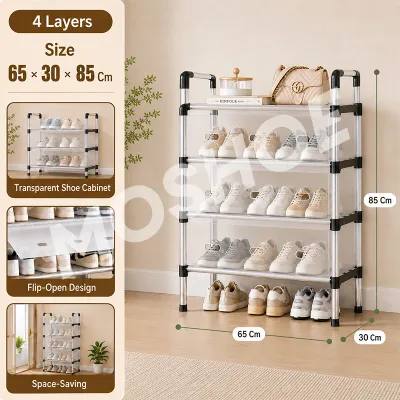
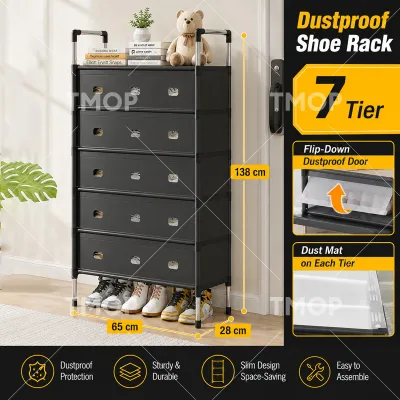
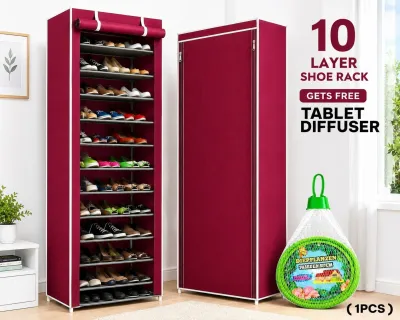
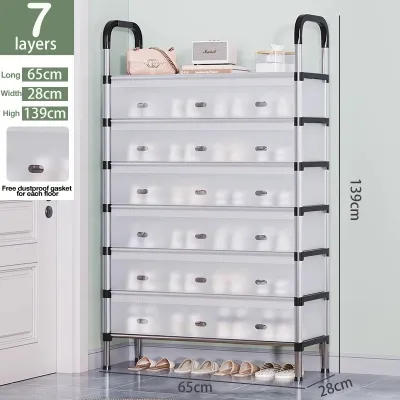
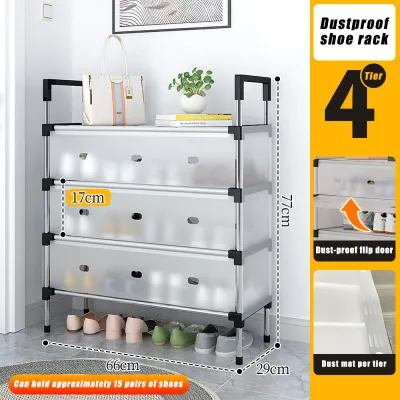
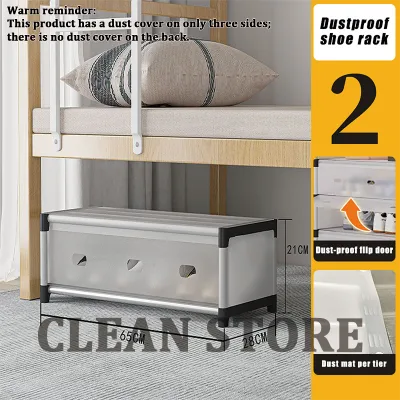
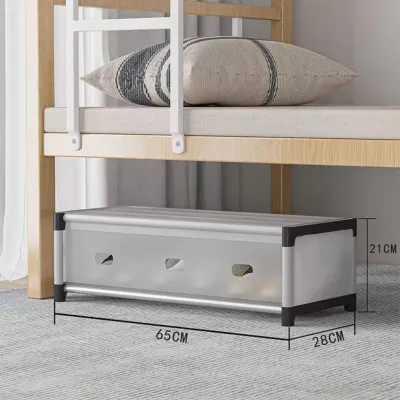
Prices are valid at publication and may change. Please refer to the product page for the latest price.
At the same time, tropical homes are subject to significant dust accumulation, especially in urban areas or residences near busy roads. While an open shelf provides excellent ventilation, it leaves your shoes vulnerable to settling dust, pet hair, and household grime, which can grind into leather and fabric fibers. A covered storage solution resolves this issue, but it must be selected with care. The primary purpose of a covered rack is not simply to seal shoes away, but to balance physical dust protection with active moisture management, ensuring that condensation does not build up inside the enclosure.
Essential Cover Materials: Breathable Fabric vs. Solid Enclosures
When shopping for a shoe rack with cover, the material of the outer enclosure is your first line of defense against both dust and moisture. The two primary categories of covers available on the market are breathable fabrics and solid enclosures, each offering distinct trade-offs in tropical conditions.

Breathable fabrics, such as canvas, heavy-duty cotton, or non-woven polypropylene, are highly recommended for humid climates. Non-woven polypropylene is a popular, cost-effective option that is lightweight yet remarkably effective at filtering out dust. However, you should check the fabric density before purchasing. A density of 80 to 100 grams per square meter (GSM) is ideal; it is thick enough to block fine dust particles while remaining porous enough to allow air molecules to pass through. Canvas covers are more durable and aesthetically pleasing, though they may require periodic washing to prevent mold from settling on the fabric itself.
Solid enclosures, which include rigid plastic, vinyl, or acrylic panels, provide a complete barrier against dust, pests, and water splashes. However, they present a significant risk in humid environments. Because these materials are entirely non-porous, they trap warm, moist air inside the unit. When the temperature drops at night, this trapped moisture condenses on the inner walls of the cover, dripping directly onto your shoes. This cycle of evaporation and condensation creates a greenhouse effect that rapidly accelerates mold growth and adhesive degradation. If you choose a solid enclosure, it must feature dedicated ventilation cuts or be kept partially open.
Regardless of the material you choose, pay close attention to the hardware details. Look for heavy-duty, rust-resistant zippers made of nylon or high-grade plastic rather than cheap metal alloys, which can easily corrode and seize up in humid air. Roll-up front flaps are an invaluable feature; they should be equipped with sturdy tie-backs, buckles, or Velcro straps. This design allows you to roll up the cover completely during humid afternoons to maximize air circulation, and zip it securely closed when sweeping the floor or during dry, dusty periods.
Frame and Shelf Materials for a Shoe Rack with Cover
The internal frame and shelving of your shoe rack with cover must be structurally sound and chemically resistant to moisture. In the Philippines, budget-friendly shoe racks often utilize thin metal tubes or untreated wood, both of which are prone to rapid deterioration under tropical conditions.
Powder-coated steel and high-grade stainless steel (such as grade 201 or 304) are excellent choices for structural frames. Powder coating applies a dry thermoplastic powder that is baked onto the metal, creating a thick, protective barrier against rust. When evaluating these racks, inspect the joints, screw holes, and weld points carefully. These are the areas where the protective coating is most likely to chip during assembly, exposing the raw metal underneath to moisture. Stainless steel frames offer superior rust resistance but typically fall into a higher price band, often costing upwards of ₱2,500 compared to powder-coated options which range from ₱800 to ₱1,800.
Heavy-duty plastic frames made of polypropylene or ABS are completely immune to rust, corrosion, and water damage. They are incredibly easy to clean and sanitize. However, plastic shelves can sag or warp over time under heavy loads. If you plan to store heavy leather boots, safety shoes, or multiple pairs per tier, verify the manufacturer’s specified load capacity. Look for models that feature reinforced plastic joints or internal metal support bars to ensure long-term stability.
Treated wood and bamboo can add a warm, natural aesthetic to your home, but raw, unsealed wood must be avoided. Untreated wood acts like a sponge, absorbing moisture from the air, warping, and harboring deep-seated mold spores that are nearly impossible to eradicate. If you prefer wood, check the product specifications to ensure it has been treated with a waterproof polyurethane sealant, moisture-resistant lacquer, or outdoor-grade varnish.
Finally, consider the physical dimensions of the rack in relation to your home. Measure your available floor space, doorway clearances, and elevator or lift access if you live in a high-rise condominium. A rack that is too large can block vital walkways or prove impossible to transport up tight stairwells. Ensure the unit is stable and features a wide base; if you live in an area prone to minor seismic activity or have busy hallways, look for units that can be anchored safely to the wall.
Ventilation and Airflow Design Features
Proper air circulation is the single most effective way to prevent mold growth and eliminate odors in stored footwear. When selecting a shoe rack with cover, prioritize structural design features that actively promote cross-ventilation rather than trapping stagnant air.
If you prefer solid cabinet-style doors over fabric zippers, look for louvered doors or slatted panels. Louvered designs feature angled wooden or plastic slats that overlap, blocking direct dust and light while allowing air to flow freely through the gaps. Alternatively, look for cabinets that feature an open-back design or integrated mesh backing panels. This allows air to enter through the front joints and escape through the rear, creating a continuous current of fresh air that keeps the interior dry.
The design of the rack’s base is another critical factor. Ground-floor tiles in tropical climates can become cool and accumulate condensation, especially during heavy rains or high-humidity spells. A shoe rack with elevated feet—raising the bottom shelf at least 5 to 10 centimeters off the floor—prevents moisture from wicking upward into the lower shelves. This elevation also facilitates easy cleaning, allowing you to sweep or mop underneath without moving the entire unit. For larger, heavier racks, locking casters are a highly functional alternative, offering both elevation and the mobility needed to reposition the unit easily during deep cleaning.
Tier spacing inside the rack directly impacts airflow. Cramped shelves restrict air movement and force shoes to touch, which can transfer dirt, moisture, and mold spores from one pair to another. Opt for a rack that provides at least 15 to 20 centimeters of vertical clearance between shelves. This space ensures that air can circulate over, under, and around each pair of shoes. When organizing your rack, avoid packing shoes tightly side-by-side; leaving a two-finger gap between pairs will significantly improve passive ventilation.
Placement and Daily Maintenance in Tropical Homes
Even the most advanced shoe rack with cover requires strategic placement and consistent maintenance to protect your footwear collection effectively over time. Proper habits will extend the life of both your storage unit and your shoes.
Start by choosing the optimal location for your rack. Position the unit in a well-ventilated area, such as a hallway, foyer, or covered veranda, away from direct tropical sunlight. Intense sunlight can cause fabric covers to degrade, fade, and become brittle, while also cracking leather and fading the colors of your shoes. Additionally, avoid placing the rack flush against exterior concrete walls. In humid climates, these walls can retain dampness and transfer moisture directly to the back of your shoe rack. Maintain a gap of at least 5 to 10 centimeters between the rack and the wall to allow air to circulate.
Incorporate simple, reversible maintenance steps into your household routine. The most important rule of shoe storage in humid climates is to never store wet, damp, or sweaty shoes inside a covered rack. If you get caught in a sudden afternoon downpour, or if your shoes are damp from sweat after a long day, allow them to air dry completely in a well-ventilated space for at least 24 hours before placing them inside the covered unit.
Regularly wipe down the shelves of your rack with a dry microfiber cloth to remove accumulated dust and debris. If you notice any signs of mold, wipe the affected area immediately with a mild vinegar solution or a specialized fabric cleaner, ensuring you follow the manufacturer’s care instructions to avoid stripping away protective coatings or voiding warranties.
To further manage moisture, place passive humidity absorbers inside the rack. Small hanging dehumidifier bags, silica gel packets, or activated charcoal sachets are highly effective at trapping residual moisture and neutralizing odors. Keep in mind that these absorbers require regular monitoring. Silica gel packets must be replaced or dried out periodically, and charcoal bags should be placed in direct sunlight once a month to release trapped moisture and reactivate their odor-absorbing properties.
Frequently Asked Questions (FAQ)
Can I use a wooden shoe rack with a cover in a humid climate?
Yes, you can use a wooden shoe rack, but you must ensure the wood is properly treated to withstand high humidity. Raw, untreated wood or cheap particle board will absorb airborne moisture, swell, warp, and quickly become a breeding ground for mold. Look for solid wood or high-density fiberboard that has been treated with a waterproof polyurethane sealant, moisture-resistant lacquer, or outdoor-grade varnish. Always check the manufacturer’s care instructions and specifications to confirm humidity tolerance, and regularly inspect the joints and corners for any signs of soft spots, warping, or fungal growth.
How often should I air out a covered shoe rack?
You should air out your covered shoe rack at least once a week to prevent stagnant, moist air from accumulating. Unzip the fabric cover, roll up the front flaps, or leave the cabinet doors wide open for three to four hours during a dry, sunny day. During the peak of the rainy season (monsoon months), increase this frequency to twice a week, or consider leaving the front flaps rolled up during prolonged periods of high humidity to ensure continuous air circulation around your footwear.

Community discussion
Share your experience or ask a question. Comments are reviewed before publication.