
Selecting the ideal freestanding wardrobe for your bedroom requires a careful balance of physical space, structural capacity, and daily convenience. In many Filipino households, where bedroom space can be limited and tropical humidity is a constant factor, lightweight yet durable plastic storage units have become a staple. A Durabox-style cabinet featuring an integrated hanger section offers a highly practical hybrid solution, combining the easy organization of pull-out drawers with the vertical space needed to keep collared shirts, dresses, and uniforms wrinkle-free. To make the right choice, you must look beyond color and style, focusing instead on verifying physical dimensions, checking structural load limits, and ensuring the unit can withstand local environmental conditions.
What to Expect from Durabox-Style Wardrobe Cabinets
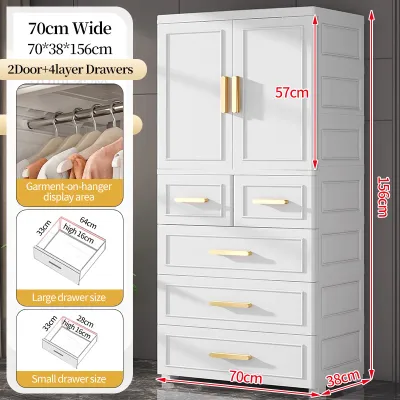
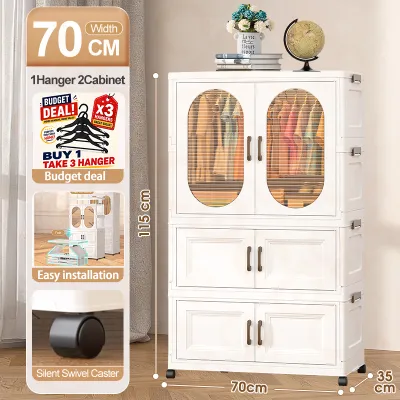
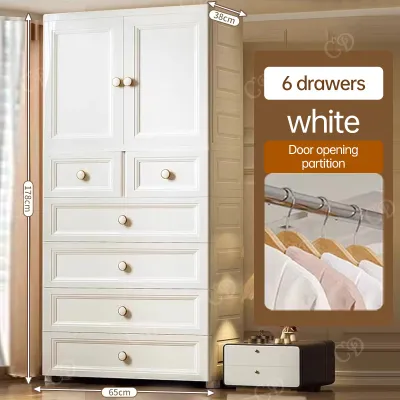
Durabox-style wardrobe cabinets represent a distinct category of freestanding furniture designed to maximize vertical storage without the heavy footprint of traditional solid wood or metal closets. Typically constructed from molded synthetic resins or high-density plastics, these units feature a modular design. The lower or side portions generally consist of stacked drawers, while the primary compartment houses a dedicated hanging rod. This hybrid layout allows you to organize folded garments, undergarments, and accessories in the drawers while keeping formal wear, uniforms, or delicate fabrics suspended above.
These cabinets are particularly well-suited for specific living arrangements and storage scenarios. If you are renting an apartment, living in a studio condominium, or staying in temporary housing, the lightweight nature of plastic wardrobes makes them exceptionally easy to transport during a move. They also serve as excellent supplemental storage in larger households where built-in closets have already reached maximum capacity. Because synthetic resins are naturally resistant to water damage and rust, these cabinets perform exceptionally well in areas prone to high humidity or dampness, where untreated wood might warp or attract mold.
Products mentioned in this guide
![[NEW ITEM] JOLLY 777 5 LAYERS DIAMOND CLOSET CABINET/DRAWER/ WARDROBE/ CLOTHES ORGANIZER/ DAMITAN/ HANGERAN NG DAMIT/ DRAWER WITH WARDROBE #damitan #closet](https://img.lazcdn.com/g/p/f370e127915e36001e923d452029ffe7.jpg_400x400q80.jpg_.webp)
Prices are valid at publication and may change. Please refer to the product page for the latest price.
However, understanding the practical limitations of this furniture category is essential before making a purchase. Unlike heavy wooden wardrobes, plastic cabinets have lower overall weight capacities and can flex under excessive loads. The hanging rod, in particular, is designed for daily wear rather than heavy winter coats or dense, stacked textiles. Additionally, while modern manufacturing has greatly improved the visual appeal of resin furniture, these units offer a different aesthetic profile than traditional cabinetry. Recognizing these structural boundaries ensures you use the cabinet within its intended limits, preventing premature wear or structural failure.
Measuring Your Space and Verifying Cabinet Dimensions
Before browsing online marketplaces or visiting local furniture showrooms, you must take precise measurements of your bedroom to ensure a proper fit. Begin by measuring the available floor footprint where you plan to position the cabinet. Use a reliable steel measuring tape to record the maximum width and depth of the space, keeping in mind that the cabinet must not block electrical outlets, light switches, or wall-mounted fans. Additionally, measure the ceiling height, especially if you are considering a tall, multi-tiered model, to ensure there is sufficient clearance at the top for assembly and cleaning.

Beyond the static footprint of the cabinet, you must account for the functional clearance required during daily use. A wardrobe cabinet requires open space in front of it to allow doors to swing open fully and drawers to extend completely without hitting your bed, desk, or adjacent walls. Measure the depth of the cabinet with the drawers fully extended to verify that you can stand comfortably in front of the open unit. If the hanger section uses swing-out doors rather than sliding panels, calculate the swing radius of the doors to prevent them from colliding with other furniture.
Do not overlook the logistics of bringing the cabinet into your home. Even if the unit arrives flat-packed for home assembly, the individual boxes can be bulky and heavy. Measure the width of your bedroom doorway, the clearance of narrow hallways, and the turning radius of any stairwells or elevator doors the package must pass through. If you are purchasing a pre-assembled unit, these pathway measurements are even more critical, as a fully constructed plastic cabinet cannot be bent or disassembled easily once the joints are locked into place.
Finally, evaluate the internal dimensions of the hanging compartment itself. Standard adult clothes hangers typically measure between 40 to 45 centimeters in width. If the internal depth of the cabinet is too shallow, your hung garments will sit at an angle, pressing against the back panel and the front doors, which leads to persistent wrinkling and potential damage to the door hinges. Measure your widest garments on their hangers and compare these figures against the manufacturer’s specified internal depth to guarantee a clean, uncrowded fit.
Checking Structural Stability and Weight Limits
Ensuring the structural integrity of a freestanding plastic cabinet is paramount for both the longevity of the furniture and the safety of your household. Because synthetic resins are lighter than wood or steel, the overall stability of the unit depends heavily on its engineering, joint connections, and weight distribution. When evaluating a cabinet, look for reinforced corner joints, thick side panels, and a wide, stable base. Models that feature interlocking panels or heavy-duty plastic screws generally offer superior rigidity compared to simple snap-fit designs that can loosen over time.
To prevent overloading, always locate and review the manufacturer’s official load capacity guidelines. These specifications are typically found in the product manual, on the packaging, or on a label affixed to the inside of the cabinet. Pay close attention to the maximum weight limit designated for the hanging rod, as well as the individual weight capacities for each drawer. Overloading the hanging rod can cause it to bow, warp the upper support panels, or cause the entire cabinet to lean forward. Distribute your items evenly, placing heavier folded items like denim or bed linens in the bottom drawers to lower the unit’s center of gravity and improve overall stability.
Tipping hazards are a serious safety consideration for any tall, freestanding storage unit, particularly in homes with young children or active pets. When a tall cabinet is loaded with clothes and multiple drawers are pulled out simultaneously, the center of gravity shifts forward dramatically. To mitigate this risk, verify whether the manufacturer includes an anti-tip safety kit, which typically consists of wall anchors, straps, or brackets. If your bedroom walls are made of concrete, hollow blocks, or drywall, you must use the appropriate wall plugs and screws to secure the cabinet firmly to the wall structure, preventing accidental tip-overs.
In the tropical climate of the Philippines, high relative humidity can create a challenging environment for enclosed storage. When selecting a cabinet, check for built-in ventilation features, such as louvered door panels, rear air vents, or breathable backboards. These design elements promote continuous airflow, which helps prevent the buildup of stagnant, humid air inside the hanging compartment. Additionally, inspect the surface finish of the plastic; high-quality, non-porous resins are easier to wipe down and are less likely to harbor dust mites, mold spores, or mildew, ensuring a cleaner environment for your stored garments.
Final Verification Before You Buy
Before finalizing your purchase from an online marketplace or a physical retail store, complete a thorough verification process to avoid the hassle of returns or exchanges. Start by cross-referencing your recorded bedroom measurements with the exact external dimensions provided by the seller. Double-check that the height, width, and depth of the cabinet align perfectly with your planned layout, leaving at least a few centimeters of breathing room on either side for ventilation and ease of cleaning.
Next, clarify the assembly requirements of the specific model you have chosen. Some Durabox-style cabinets are delivered fully assembled, while others require complete DIY assembly. If assembly is required, verify if all necessary hardware, connectors, and instruction manuals are included in the package, or if you will need specialized tools like a rubber mallet or a screwdriver. Additionally, read the manufacturer’s warranty terms carefully to understand what types of structural defects, missing parts, or shipping damages are covered, and keep your proof of purchase in a secure location.
Finally, review the seller’s delivery conditions and return policies, especially when ordering bulky furniture items online. Confirm whether the delivery service includes carrying the item up flights of stairs or directly into your bedroom, as some standard couriers only deliver to the building lobby or curbside. Be aware of any potential assembly fees if you choose to hire a professional installer through the platform. Understanding these logistical details beforehand ensures a smooth, stress-free delivery and setup process, allowing you to enjoy your new bedroom storage solution with complete peace of mind.
Frequently Asked Questions (FAQ)
How much weight can a typical hanging rod in a plastic cabinet support?
The weight capacity of a hanging rod in a plastic wardrobe varies significantly depending on the specific model, material thickness, and structural reinforcement. Because there is no universal standard, you must consult the manufacturer’s product manual or physical label to verify the exact load limit. As a general rule, these rods are designed for lightweight daily wear, such as shirts, blouses, and light uniforms. To prevent the rod from bowing or collapsing, distribute the weight of your garments evenly across the entire length rather than clustering them in the center, and avoid hanging heavy items like thick denim jackets or heavy winter coats.
Do these freestanding cabinets require wall anchoring?
Yes, securing tall, freestanding plastic cabinets to the wall is highly recommended, and often strictly required by manufacturers, to ensure household safety. Because these units are lightweight, they can easily become top-heavy when filled with clothing, creating a severe tipping hazard if multiple drawers are opened at once or if a child attempts to climb them. Always check the assembly instructions for recommended anchoring procedures. You should use an anti-tip strap or bracket kit, ensuring you select the correct wall anchors and screws compatible with your bedroom’s wall material, whether it is concrete, brick, or drywall.
How can I prevent musty odors in the enclosed hanging section?
Preventing musty odors in an enclosed plastic cabinet requires managing internal moisture levels, which is especially important in humid tropical climates. Always ensure that your clothes are completely dry before hanging them inside the compartment, as even slight dampness can quickly lead to mold and mildew growth. You can also place commercial moisture-absorbing sachets, silica gel packets, or hanging dehumidifier bags inside the wardrobe to capture excess humidity. Periodically leaving the cabinet doors open during dry, sunny days helps circulate fresh air and keeps your stored garments smelling clean and fresh.

Community discussion
Share your experience or ask a question. Comments are reviewed before publication.