
Living in a compact condominium or studio apartment in the Philippines requires a smart approach to interior layout. When your living room must double as a home office, a permanent, bulky workstation is rarely a practical option. A high-quality foldable portable desk offers a flexible solution, allowing you to establish a productive workspace during the day and reclaim your floor area once office hours end.
Finding the right portable desk involves balancing storage convenience with structural integrity. In tropical climates where humidity levels fluctuate, choosing furniture that resists environmental wear is just as important as finding a model that fits into a narrow closet. By focusing on verifiable specifications, structural designs, and spatial clearances, you can select a desk that supports your daily workflow without cluttering your home.
Critical Features to Evaluate for Compact Living
When shopping for a portable desk, structural stability must be your primary consideration. Unlike permanent wooden desks, folding models rely on movable joints and lightweight frames, which can introduce unwanted wobble during active typing or writing. To ensure a stable work surface, look for desks featuring triangular bracing or cross-bars along the leg frame, as these geometric designs distribute lateral forces more effectively than simple vertical legs. Additionally, check for adjustable leveling feet or non-slip rubber caps on the base; these components prevent the desk from sliding on smooth tile or polished wood floors common in Philippine homes.
Products mentioned in this guide
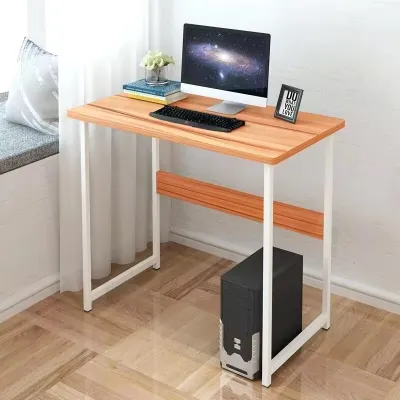
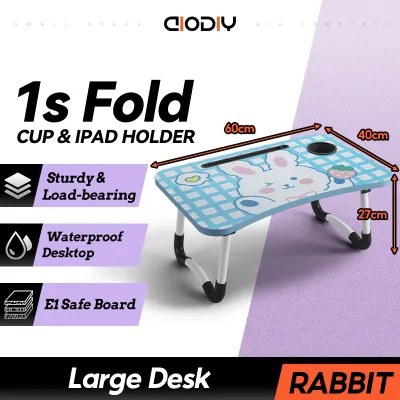
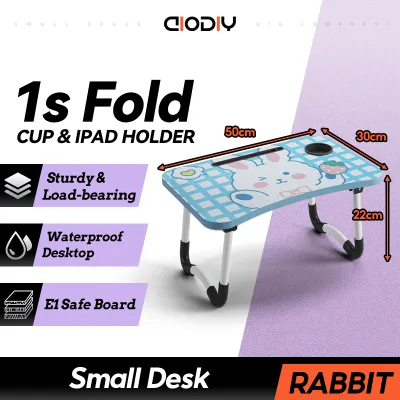
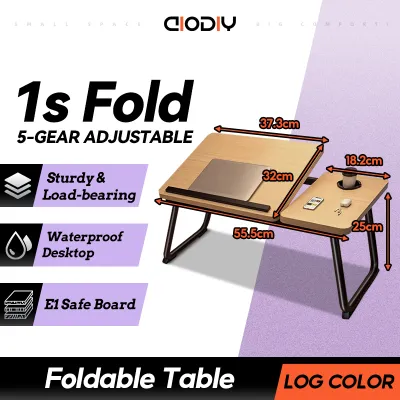
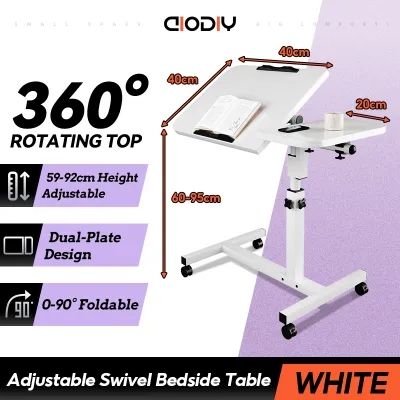
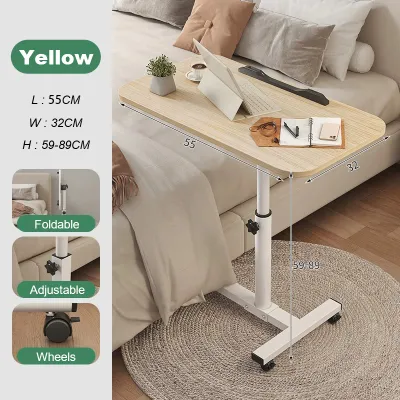
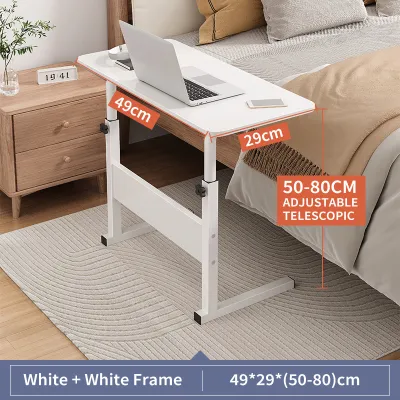
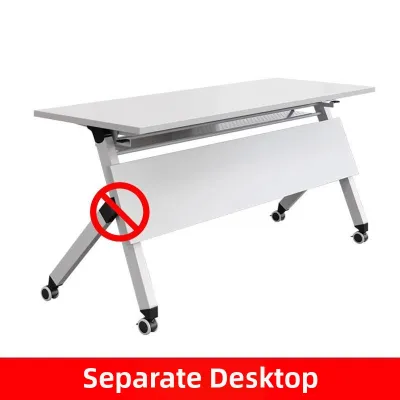
Prices are valid at publication and may change. Please refer to the product page for the latest price.
The folding mechanism itself dictates both the convenience of daily setup and the long-term safety of the furniture. Common designs include hinge locks, sliding tracks, and spring-loaded pins. Hinge locks should snap securely into place with a physical latch to prevent accidental collapse if the desk is bumped. Sliding tracks offer smooth transitions but require regular inspection to ensure the guide pins remain aligned. Regardless of the mechanism, pay close attention to potential pinch points where fingers could become trapped during deployment, and prioritize designs that shield these moving parts.
Material durability is another critical factor, particularly given the high relative humidity experienced throughout the Philippines. While solid wood is highly durable, it is often too heavy for a truly portable desk, leading many manufacturers to use engineered wood like medium-density fiberboard (MDF) or particle board. Unprotected engineered wood can absorb moisture from the air or from condensation dripping off a cold glass of water, causing the fibers to swell and warp. To prevent this, verify that the desk surface features a high-pressure laminate or melamine finish, and inspect the edge banding to ensure it is completely sealed without any visible gaps or peeling. For the frame, powder-coated steel or aluminum provides excellent resistance to rust and corrosion compared to untreated metals.
Matching Desk Types to Your Space and Workflow
Selecting the right desk format depends heavily on where and how you prefer to work. Lap desks and adjustable bed trays represent the most compact category, designed for those who prefer a highly flexible, relaxed workflow. These low-profile options are ideal for working from a sofa, a bed, or even a floor cushion, making them highly suitable for micro-apartments where floor space is extremely limited. When evaluating lap desks, look for models with integrated wrist rests, heat-dissipation slots for your laptop, and secure leg locks to prevent the tray from folding inward while in use.

For a more permanent but still space-saving solution, fold-out wall-mounted or drop-leaf tables offer a zero-footprint alternative. These desks are anchored directly to a wall or stud, folding flat against the vertical surface when not in use. This design is highly effective for narrow hallways or small bedrooms where a freestanding table would block foot traffic. However, because these desks rely entirely on wall anchors for support, you must verify the load capacity of your wall structure—particularly if mounting onto drywall or lightweight partition walls—and use appropriate heavy-duty anchors rather than standard screws.
If you require a traditional, full-body workstation that can be completely put away, freestanding folding tables with adjustable heights are the most versatile choice. These desks provide a generous surface area comparable to standard office furniture but feature legs that fold flat against the underside of the tabletop. Height-adjustable models allow you to transition between sitting and standing positions, or simply customize the desk height to match your existing dining or office chair. When choosing a freestanding model, prioritize those with an integrated carrying handle and a lightweight frame, as you will need to lift and maneuver the desk regularly.
Measuring Your Space and Setup Clearances
Before finalizing any purchase, precise physical measurements are essential to ensure the desk fits both your living space and your storage areas. Begin by measuring the folded dimensions of the desk—specifically its thickness and overall length—and comparing these figures against your intended storage gap. Whether you plan to slide the desk under a bed frame, slip it behind a wardrobe, or store it inside a narrow utility closet, ensure there is at least a two-centimeter clearance on all sides to prevent scratching the furniture or your walls during storage.
Next, evaluate the deployed clearances in your active work zone. A desk may look compact on paper, but it requires sufficient floor space to accommodate both the open frame and your office chair. Measure the distance from the front of the desk to the back of your chair when you are seated, ensuring you have at least 80 centimeters of clear space behind the desk for comfortable movement. Additionally, check the legroom and floor clearance beneath the tabletop; ensure the desk legs do not obstruct your knees and that your chair’s armrests can slide easily under the surface when the desk is fully deployed.
Finally, do not overlook the path the desk must take to reach your room. Verify the widths of your doorways, hallways, and any tight corners in your apartment or condominium. If you live in a high-rise building, check the dimensions of the passenger elevator and stairwells to ensure the packaged box can be transported safely to your unit. Accurate measurements at this stage prevent the frustration of purchasing a desk that is too awkward to maneuver through your home’s entryways.
Building Your Shortlist Based on Daily Needs
To narrow down your options, create a shortlist based on your specific daily tasks and operational preferences. If your work primarily involves light laptop typing and video calls, a compact, lightweight desk with a smaller surface area will suffice. However, if your daily routine includes heavy writing, sketching, or using multiple physical documents alongside your computer, you will require a larger, highly rigid surface that does not flex under downward pressure.
Consider how often you plan to set up and pack away the desk. If you intend to store the desk at the end of every single workday, prioritize quick-deploy mechanisms that require no tools and can be opened or closed in under thirty seconds. Conversely, if you plan to leave the desk set up for weeks at a time and only fold it down for occasional guest visits, a model that requires minor manual assembly or manual knob adjustments may offer greater structural rigidity at a lower price point.
Lastly, examine the manufacturer’s support policies to protect your investment. Because foldable furniture relies on moving joints, hinges, and locking pins, these components experience more wear and tear than static furniture parts. Check the terms of the manufacturer’s warranty, focusing specifically on whether it covers the folding mechanisms and structural joints rather than just the tabletop surface. Additionally, inquire with the retailer or manufacturer about the availability of replacement parts, such as spare locking pins or leveling feet, to ensure your desk remains functional for years to come.
Frequently Asked Questions (FAQ)
Can a portable desk support multiple monitors?
Most standard portable desks are designed primarily for single-laptop setups and may not safely support the weight and physical footprint of multiple monitors. Before attempting to mount multiple screens, consult the manufacturer’s specified weight capacity limit and compare it against the combined weight of your monitors, stands, and mounting brackets. Additionally, consider the desk’s center of gravity; clamping a heavy dual-monitor arm to the back edge of a lightweight folding desk can create a severe tip-over hazard. If you must use multiple screens, look for a heavy-duty folding desk with a wide, stable base and reinforced steel legs, and place the monitors as close to the center of the desk surface as possible.
How do I maintain the folding mechanism?
Maintaining the folding mechanism of your portable desk is essential for ensuring smooth operation and preventing premature structural failure. Periodically inspect all hinges, sliding tracks, and locking joints to ensure they are free of dust, pet hair, and household debris, which can jam the moving parts. If a joint feels stiff, do not force it open or closed; instead, check for obstructions and apply a small amount of dry silicone lubricant to the metal pivot points if recommended by the manufacturer. Regularly check all screws and fasteners along the folding frame, as the vibrations from daily setup and typing can cause them to loosen over time, and gently tighten them with a hand screwdriver to maintain structural integrity.

Community discussion
Share your experience or ask a question. Comments are reviewed before publication.